

Animals in the Netherlands: What You Can Spot, Learn, and Collect
Dutch wildlife: Oostvaardersplassen red deer and spoonbills, Wadden Sea seals, Veluwe boar, barnacle geese by the hundred thousand, storks, urban foxes and parakeets.
Quick answer
Start with the direct answer, then use the sections below to see why the location matters and which animals are actually realistic to spot there.
The Netherlands is a bird country first: the Wadden Sea and the Delta hold millions of waders and geese, the Oostvaardersplassen reedbeds have spoonbills, bearded reedlings and bitterns, and storks are back on village poles. Mammals are easier than people expect too, with grey and harbour seals on the Wadden sandbanks, red deer and wild boar on the Veluwe, and foxes and fallow deer in the dunes behind the beaches.
The Dutch captures in AnimalDex are canal-side: mute swans, Canada geese, magpies, carrion crows and cellar spiders from Zuid-Holland and Noord-Brabant. That is accurate for a country where most people live in cities, and the point of this page is to show how close the wild bits are.
Nothing in the Netherlands is more than two hours away. The Oostvaardersplassen is 40 minutes from Amsterdam, the Veluwe an hour, Texel and the Wadden coast two, and the dunes with their foxes and deer start at the edge of The Hague and Haarlem.
Why this location matters
Good location pages explain why the place is worth your time, not just which names belong on a destination checklist.
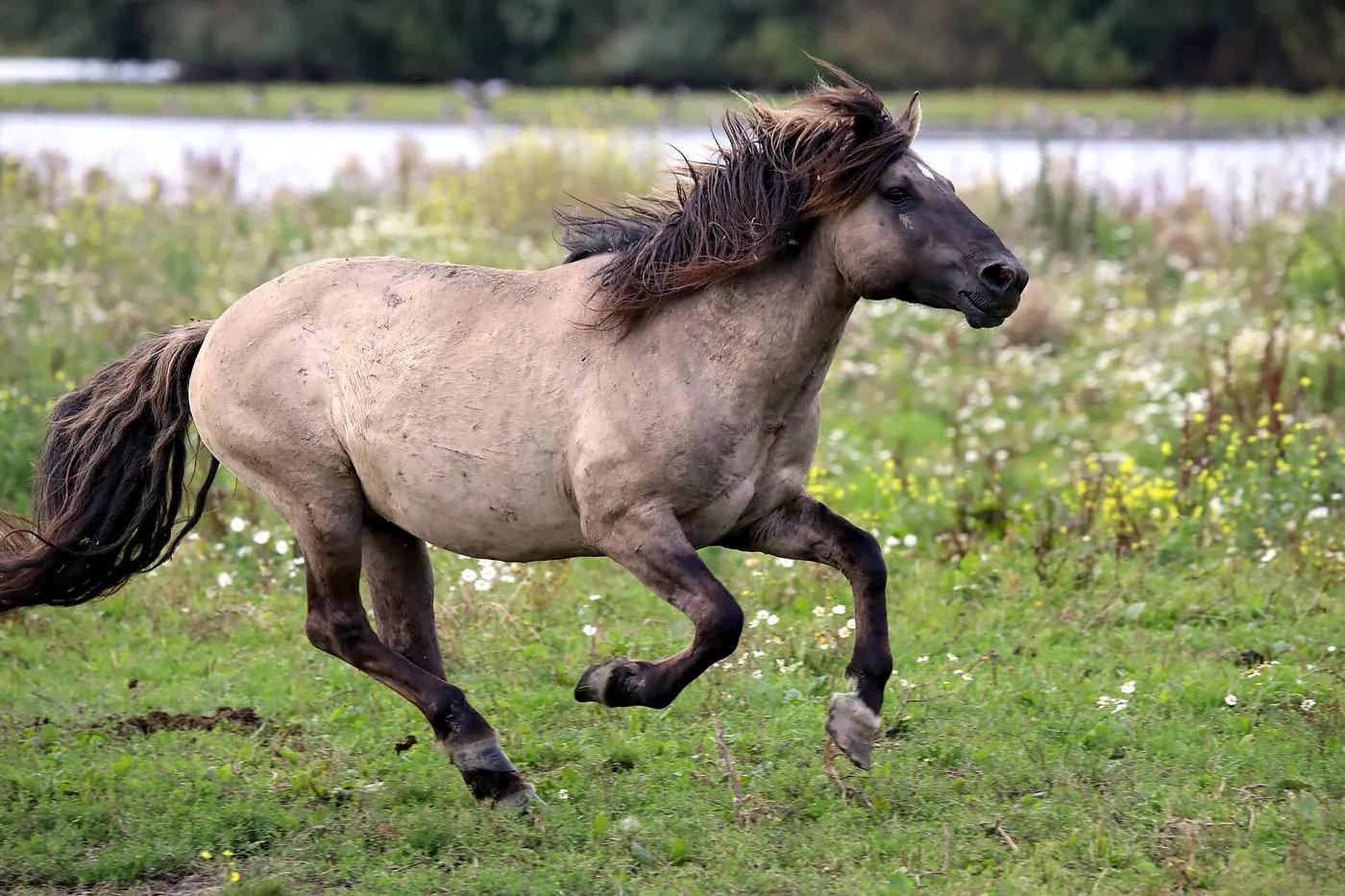
The Oostvaardersplassen is Europe's most famous rewilding experiment: 56 square kilometres of reclaimed seabed where red deer, Konik horses and Heck cattle were left to shape the land and sea eagles arrived to breed. It is also the first place in the Netherlands where white-tailed eagles nested in modern times.
The Wadden Sea is a World Heritage site and the single most important wetland for migratory birds in Europe. Around 10 million birds pass through each year, and the seal colonies have recovered from a few hundred animals to over 10,000.
Where to look
Wildlife map of Netherlands
This guide covers the region shown below. Zoom in to get your bearings before planning a trip.
Positions are geocoded from OpenStreetMap. Habitat access and opening times change — check locally before travelling. Smaller pins are public AnimalDex captures, placed to the nearest kilometre.
Field proof
Found in Netherlands by AnimalDex users
Real captures logged in the AnimalDex app inside this area and shared publicly by their collectors, with the animal confirmed by the app's identification. Places are shown to the nearest region, never the exact spot.
- 11
- public captures
- 10
- species recorded
- 5
- collectors
- 10
- wild sightings
Recent captures from the field
Species people have actually logged here
Every name links to its species guide. The count is how many public captures of that animal sit inside this area.
Collectors choose to share these captures on Discover and can withdraw them at any time. Coordinates are rounded to about a kilometre and refreshed with each site build.
Animals to spot
These are intentionally practical species picks, balancing accessibility, excitement, and what travelers can realistically notice in the location.
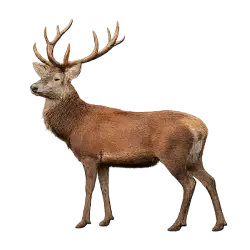
Red DeerB
The Oostvaardersplassen herd ran to several thousand before the 2018 cull, and a managed herd of around 500 still grazes the open grassland in full view; the Veluwe adds a wilder forest population.
Spotting note: Guaranteed at the Oostvaardersplassen from the Praambult viewpoint.
Read species guide
Grey SealB
Hauls out on Wadden Sea sandbanks off Texel and Terschelling and breeds in the Voordelta; the Ecomare centre on Texel rehabilitates pups.
Spotting note: Reliable on seal-watching boats from Texel and Lauwersoog.
Read species guide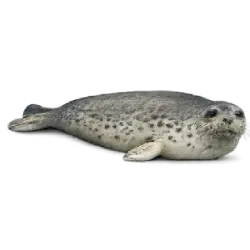
Harbor SealC
The commoner Wadden seal, with over 7,000 on the sandbanks at low tide; the Pieterburen seal centre releases rescued animals.
Spotting note: Guaranteed on Wadden boat trips at low water.
Read species guide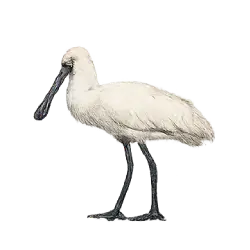
Eurasian SpoonbillC
The Netherlands holds Europe's biggest north-western population, breeding on Texel, Schiermonnikoog and the Oostvaardersplassen.
Spotting note: Common April to September on Texel and the Oostvaardersplassen.
Read species guide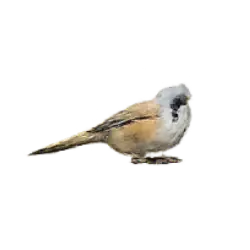
Bearded ReedlingD
The Oostvaardersplassen and Lauwersmeer reedbeds hold hundreds of these tiny pinging birds, the Dutch stronghold of the species.
Spotting note: Regular; listen for the ping along reedbed boardwalks on calm days.
Read species guide
Barnacle GooseC
Most of the world's Russian barnacle geese winter in Friesland and on the Wadden islands, and a resident population now breeds in the Delta.
Spotting note: Guaranteed in Friesland from October to April.
Read species guide
Eurasian OystercatcherD
The loud black-and-white wader of every Wadden mudflat, Delta dyke and even Amsterdam flat roof, where it nests on gravel.
Spotting note: Very common on all coasts.
Read species guide
Wild BoarB
The Veluwe holds several thousand boar, seen at the Hoge Veluwe park's feeding sites and along the Kroondomein roads at dusk.
Spotting note: Reliable at dusk on the Veluwe in autumn.
Read species guide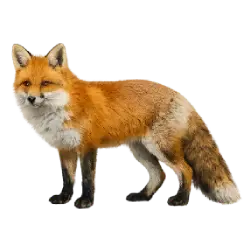
Red FoxC
The Amsterdamse Waterleidingduinen dunes have foxes so used to walkers they trot past at arm's length, alongside a huge fallow deer herd.
Spotting note: Near-guaranteed in the Waterleidingduinen.
Read species guide
Rose-ringed ParakeetD
Thousands roost in Amsterdam's Vondelpark and The Hague's city centre, among the biggest parakeet populations in Europe.
Spotting note: Guaranteed at dusk in the Vondelpark.
Read species guide
Great Crested GrebeD
Displays on Amsterdam's canals and every Dutch lake in March, head-shaking and presenting weed.
Spotting note: Very common on all still water.
Read species guide
Mute SwanC
The most captured animal in Dutch AnimalDex data, nesting on canal banks in Rotterdam and Leiden within reach of passers-by.
Spotting note: Guaranteed on any canal.
Read species guide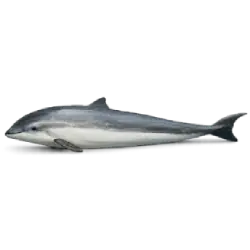
Harbor PorpoiseB
The North Sea's commonest cetacean, seen from the Texel and Scheveningen beaches on calm days and from the Wadden ferries.
Spotting note: Regular but brief; calm mornings from the Texel dunes.
Read species guide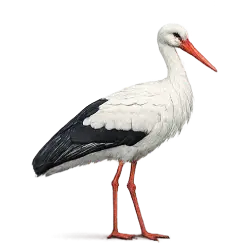
White StorkC
Back from near-extinction with over 1,000 pairs, nesting on poles at Het Liesveld, in the Groene Hart villages and on Zeeland churches.
Spotting note: Reliable April to August in the polder villages.
Read species guideBest for
Use this section to decide whether the location fits your travel style, skill level, and AnimalDex goals.
- Big-herd red deer and reedbed birds at the Oostvaardersplassen
- Seal-watching boats and wader flocks on the Wadden Sea
- Boar and deer on the Veluwe, foxes in the coastal dunes
- City birds: grebes, swans, storks and parakeets
Spotting tips
These tips are meant to make the page useful in the field, not just readable on the page.
- 01Cycle the Oostvaardersplassen's outer dyke to the Praambult viewpoint at dusk for the deer herds and hunting marsh harriers.
- 02Wadden seal boats from Texel's Oudeschild or Lauwersoog run at low tide; book around the tide table, not the clock.
- 03In the Amsterdamse Waterleidingduinen walk in quietly after 4 pm for foxes and the fallow deer rut in October.
- 04Winter is goose season: Friesland's polders hold hundreds of thousands of barnacle and white-fronted geese from November to March.
Virtual Wildlife Guides
Wildlife guides to Netherlands
AnimalDex builds virtual guides from explorers' own wild sightings: which animals they found, how rare they are, and when. A guide is advice from someone who has been there, not a tour. Buying one unlocks the author's notes for every animal, a chat with the author, and introductions to local people they met. Wildlife is never guaranteed.
Checking for virtual guides to Netherlands...
How to choose a local wildlife guide in Netherlands
- Ask what they usually find in the season you are visiting. A good guide gives an honest answer, not a promised sighting.
- Check how they treat animals: no baiting, calling in, handling, or close flash photography for a better shot.
- Confirm the meeting area, duration, group size, total price, and how you pay before the day, plus any permits or park fees the place requires.
Track the animals you find in Netherlands
Build your collection while you travel through Netherlands, from easy wins to the species worth planning around.
Related tier lists
These tier lists add broader context around the species that make this location interesting.
100 Most Adaptable Animals
Most adaptable animals ranked by habitat flexibility, behavioral range, and success in changing conditions — including the current AnimalDex number one.
Read tier listRelated locations
Keep exploring with nearby or similar destinations that support the same kind of AnimalDex discovery.
Animals in Belgium: What You Can Spot, Learn, and Collect
Belgian wildlife: Zwin storks and avocets, Hoge Kempen nightjars, Ardennes boar, deer and wildcats, Brussels foxes and peregrines, Pairi Daiza pandas, Antwerp okapis.
Read location guideAnimals in Germany: What You Can Spot, Learn, and Collect
A practical Germany wildlife guide for forest edges, rivers, farmland margins, and the kind of steady species list that rewards patience instead of spectacle.
Read location guideAnimals in the UK: What You Can Spot, Learn, and Collect
A practical UK wildlife guide built around coasts, woodlands, wetlands, and the familiar-but-rewarding species that make local observation richer than many travelers expect.
Read location guideLocation FAQ
Short direct answers to the questions travelers usually ask before choosing a wildlife destination or zoo day.
What wildlife is there in the Netherlands?
Red deer, wild boar, roe deer, foxes and fallow deer on land; grey and harbour seals and harbour porpoises on the coast; spoonbills, bearded reedlings, bitterns, storks, oystercatchers and millions of wintering geese and waders among the birds.
What animals can be found in the Netherlands?
Around 70 wild mammals including beaver, otter, badger, pine marten and a returning wolf population on the Veluwe, plus some 500 recorded bird species, European tree frogs in Limburg and the natterjack toads of the dunes.
Are there wolves in the Netherlands?
Yes. Wolves returned in 2015 and several packs now breed on the Veluwe and in Drenthe. They are rarely seen and avoid people.
Where is the best place to see seals in the Netherlands?
Boat trips from Texel, Lauwersoog and Harlingen reach the Wadden Sea sandbanks where thousands of harbour and grey seals haul out at low tide. The Ecomare centre on Texel and Pieterburen in Groningen show rescued animals.
Have AnimalDex users found animals in Netherlands?
Yes. AnimalDex users have publicly logged 11 captures of 10 different species in Netherlands, including daddy long-legs spider, canada goose, carrion crow, clothes & house moth. Each one was photographed in the app at the moment of the sighting.
How do I find a wildlife guide to Netherlands?
Check the Wildlife Guides section on this page or browse Wildlife Guides on AnimalDex. Each one is a virtual guide built from an explorer's own wild sightings around Netherlands: the animals they found, how rare they are, and when. It is advice from someone who has been there, not a tour. If you want someone with you on the day, compare local guides on wildlife knowledge, how they treat animals, and clear pricing before you go.