

Animals in Belgium: What You Can Spot, Learn, and Collect
Belgian wildlife: Zwin storks and avocets, Hoge Kempen nightjars, Ardennes boar, deer and wildcats, Brussels foxes and peregrines, Pairi Daiza pandas, Antwerp okapis.
Quick answer
Start with the direct answer, then use the sections below to see why the location matters and which animals are actually realistic to spot there.
Belgium splits in two. Flanders has the Zwin nature park with its storks, avocets and spoonbills and the Hoge Kempen heath with nightjars and roe deer; the Ardennes in Wallonia have wild boar, red deer, wildcats, dippers and a few returning lynx. Brussels itself has urban foxes, parakeets and peregrines on the cathedral, and Belgian zoos are world-class: giant pandas at Pairi Daiza, okapis at Antwerp and bonobos at Planckendael.
Belgian captures in AnimalDex come from Flemish gardens: magpies, wood pigeons, cabbage whites, red slugs, earthworms and darter dragonflies over a garden pond. Honest suburban wildlife, and more than most people think they can find in Belgium.
The wild end is the Ardennes, two hours from Brussels, and the coast at Knokke for the Zwin. The zoos sit in between and are among the best in Europe for species you will not see wild anywhere nearby.
Why this location matters
Good location pages explain why the place is worth your time, not just which names belong on a destination checklist.
Belgium has the densest road network in Europe, yet wild boar numbers have exploded in the Ardennes, wildcats have spread north from the Ardennes into Flemish Brabant, and a lynx was confirmed in the Semois valley in 2020 for the first time in over a century.
The Zwin is where white storks were reintroduced to Belgium in the 1950s, and its stork nests, avocets and spoonbills now sit beside a brand-new visitor centre on the Dutch border.
Where to look
Wildlife map of Belgium
This guide covers the region shown below. Zoom in to get your bearings before planning a trip.
Positions are geocoded from OpenStreetMap. Habitat access and opening times change — check locally before travelling. Smaller pins are public AnimalDex captures, placed to the nearest kilometre.
Field proof
Found in Belgium by AnimalDex users
Real captures logged in the AnimalDex app inside this area and shared publicly by their collectors, with the animal confirmed by the app's identification. Places are shown to the nearest region, never the exact spot.
- 8
- public captures
- 8
- species recorded
- 2
- collectors
- 8
- wild sightings
Recent captures from the field
Species people have actually logged here
Every name links to its species guide. The count is how many public captures of that animal sit inside this area.
Collectors choose to share these captures on Discover and can withdraw them at any time. Coordinates are rounded to about a kilometre and refreshed with each site build.
Animals to spot
These are intentionally practical species picks, balancing accessibility, excitement, and what travelers can realistically notice in the location.

Giant PandaB
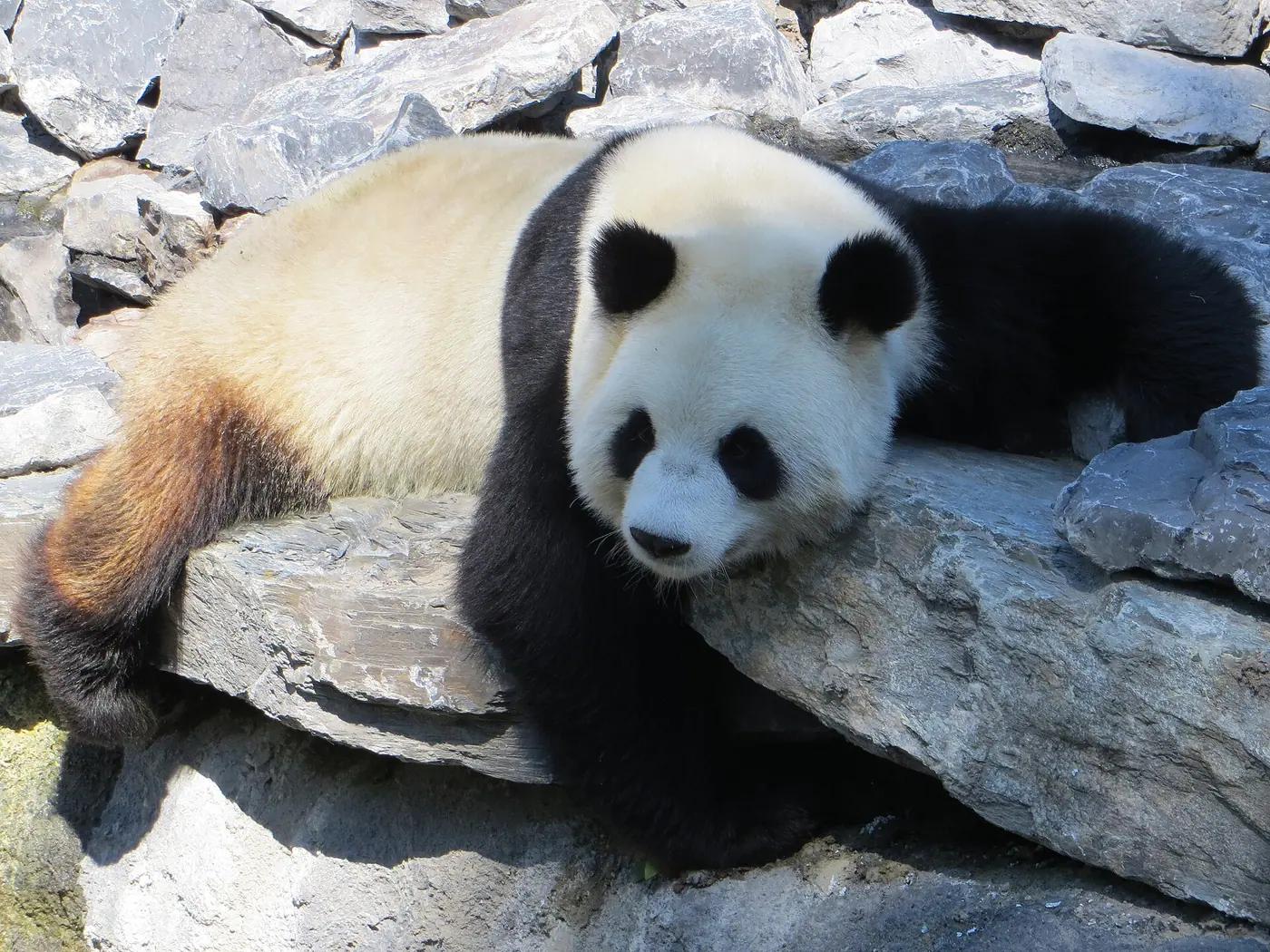
Pairi Daiza in Brugelette has raised three panda cubs since the pair Hao Hao and Xing Hui arrived in 2014, the only pandas in Belgium.
Spotting note: Guaranteed at Pairi Daiza; mornings when they eat bamboo.
Read species guide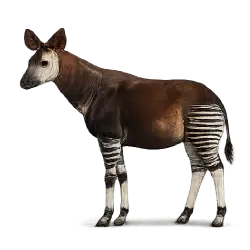
OkapiA
Antwerp Zoo has kept okapis since 1919 and runs the world studbook for the species, a legacy of Belgium's Congo history.
Spotting note: Guaranteed at Antwerp Zoo.
Read species guide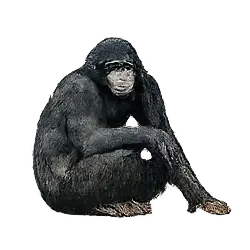
BonoboA
Planckendael near Mechelen holds one of the world's largest zoo bonobo groups in a big forested enclosure.
Spotting note: Guaranteed at Planckendael.
Read species guide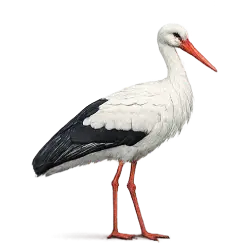
White StorkC
Nests on poles around the Zwin nature park at Knokke, where Belgian storks were reintroduced in the 1950s.
Spotting note: Reliable March to August at the Zwin.
Read species guide
Pied AvocetC
Breeds on the Zwin's tidal lagoons and on the Uitkerkse Polder flats near Blankenberge.
Spotting note: Common April to September on the Flemish coast.
Read species guide
European NightjarD
The Hoge Kempen national park heaths hold Belgium's biggest nightjar population, churring from the pines on June nights.
Spotting note: Seasonal; dusk walks at the Mechelse Heide in June and July.
Read species guide
Wild BoarB
The Ardennes forests are overrun, with boar crossing roads around Saint-Hubert and La Roche-en-Ardenne at dusk.
Spotting note: Common; drive forest roads slowly at dusk in autumn.
Read species guide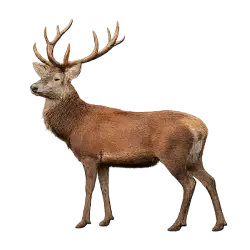
Red DeerB
The Saint-Hubert and Hertogenwald forests hold big herds whose autumn rut draws listening walks organised by the Walloon forest service.
Spotting note: Easy in late September at the Ardennes rut sites.
Read species guide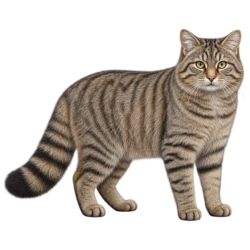
European WildcatC
The Ardennes hold one of Western Europe's strongest wildcat populations, now spreading north toward Brussels.
Spotting note: Rare to see; forest edges at dawn in the Semois valley.
Read species guide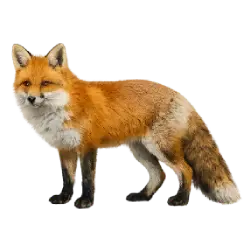
Red FoxC
Brussels has one of Europe's densest urban fox populations, trotting through the Bois de la Cambre and Ixelles streets at night.
Spotting note: Near-guaranteed at night in Brussels' green suburbs.
Read species guide
Rose-ringed ParakeetD
Over 10,000 parakeets roost in Brussels, descended from birds released at the Meli Park zoo in 1974; the Cinquantenaire park is full of them.
Spotting note: Guaranteed in Brussels parks.
Read species guide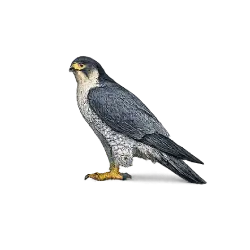
Peregrine FalconB
Nests on the towers of Brussels' Saint Michael and Saint Gudula cathedral, with a public webcam and spring viewing stand.
Spotting note: Reliable at the cathedral from March to June.
Read species guide
Eurasian MagpieD
The most captured bird in Belgium's AnimalDex data, loud in every Flemish garden and Brussels park.
Spotting note: Guaranteed.
Read species guide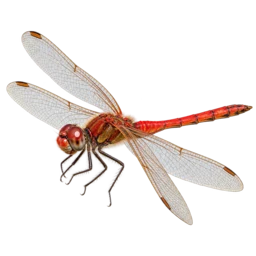
Ruddy DarterE
A small red dragonfly of garden ponds and ditches, already logged by Flemish users alongside the common darter.
Spotting note: Common July to September near still water.
Read species guideBest for
Use this section to decide whether the location fits your travel style, skill level, and AnimalDex goals.
- World-class zoos: pandas at Pairi Daiza, okapis at Antwerp, bonobos at Planckendael
- Storks, avocets and spoonbills at the Zwin
- Boar, red deer and wildcats in the Ardennes
- Urban wildlife: Brussels foxes, parakeets and cathedral peregrines
Spotting tips
These tips are meant to make the page useful in the field, not just readable on the page.
- 01Pairi Daiza's pandas are most active in the first two hours after opening; weekdays outside school holidays avoid the crowds.
- 02The Zwin visitor centre has hides over the lagoon; a rising tide brings avocets and spoonbills close.
- 03Ardennes rut walks are organised at Saint-Hubert in late September; book ahead and dress warmly.
- 04Watch the Brussels cathedral peregrines from the Falcons for Everyone stand on the square in April and May.
Virtual Wildlife Guides
Wildlife guides to Belgium
AnimalDex builds virtual guides from explorers' own wild sightings: which animals they found, how rare they are, and when. A guide is advice from someone who has been there, not a tour. Buying one unlocks the author's notes for every animal, a chat with the author, and introductions to local people they met. Wildlife is never guaranteed.
Checking for virtual guides to Belgium...
How to choose a local wildlife guide in Belgium
- Ask what they usually find in the season you are visiting. A good guide gives an honest answer, not a promised sighting.
- Check how they treat animals: no baiting, calling in, handling, or close flash photography for a better shot.
- Confirm the meeting area, duration, group size, total price, and how you pay before the day, plus any permits or park fees the place requires.
Track the animals you find in Belgium
Build your collection while you travel through Belgium, from easy wins to the species worth planning around.
Related tier lists
These tier lists add broader context around the species that make this location interesting.
Rarest Animals in the World
A structured ranking of the rarest animals in the world, blending scarcity, vulnerability, and conservation pressure to answer the overlap between rarest and most endangered wildlife.
Read tier listRelated locations
Keep exploring with nearby or similar destinations that support the same kind of AnimalDex discovery.
Animals in the Netherlands: What You Can Spot, Learn, and Collect
Dutch wildlife: Oostvaardersplassen red deer and spoonbills, Wadden Sea seals, Veluwe boar, barnacle geese by the hundred thousand, storks, urban foxes and parakeets.
Read location guideAnimals in France: What You Can Spot, Learn, and Collect
What wildlife lives in France, from Alpine ibex and Mercantour wolves to Camargue flamingos, Alsace storks, Breton puffins and the garden birds people log most.
Read location guideAnimals in Germany: What You Can Spot, Learn, and Collect
A practical Germany wildlife guide for forest edges, rivers, farmland margins, and the kind of steady species list that rewards patience instead of spectacle.
Read location guideLocation FAQ
Short direct answers to the questions travelers usually ask before choosing a wildlife destination or zoo day.
What wildlife is there in Belgium?
Wild boar, red and roe deer, wildcats, badgers, beavers and a few lynx in the Ardennes; storks, avocets and spoonbills at the Zwin; nightjars on the Kempen heaths; and urban foxes, parakeets and peregrines in Brussels.
What animals can be found in Belgium?
Around 70 wild mammal species, including recently returned beavers, otters and wolves in the Hautes Fagnes; 400 recorded birds; and world-famous zoo animals like Pairi Daiza's giant pandas, Antwerp's okapis and Planckendael's bonobos.
Are there wolves in Belgium?
Yes. A pack has bred in the Hautes Fagnes since 2020 and a second in Limburg's Kempen. They are very rarely seen.
Which Belgian zoo is best?
Pairi Daiza near Mons for pandas and sheer scale, Antwerp for okapis and its historic city-centre setting, and Planckendael near Mechelen for bonobos and a family day out.
Have AnimalDex users found animals in Belgium?
Yes. AnimalDex users have publicly logged 8 captures of 8 different species in Belgium, including clothes & house moth, common darter, common earthworm, common wood pigeon. Each one was photographed in the app at the moment of the sighting.
How do I find a wildlife guide to Belgium?
Check the Wildlife Guides section on this page or browse Wildlife Guides on AnimalDex. Each one is a virtual guide built from an explorer's own wild sightings around Belgium: the animals they found, how rare they are, and when. It is advice from someone who has been there, not a tour. If you want someone with you on the day, compare local guides on wildlife knowledge, how they treat animals, and clear pricing before you go.