

wildlife life listanimal collectionInstagram import
How to Keep Track of Every Animal You’ve Seen
What a life list is, how birders and herpers keep one, which rules to borrow, and how to start from animals you have already seen instead of from zero.
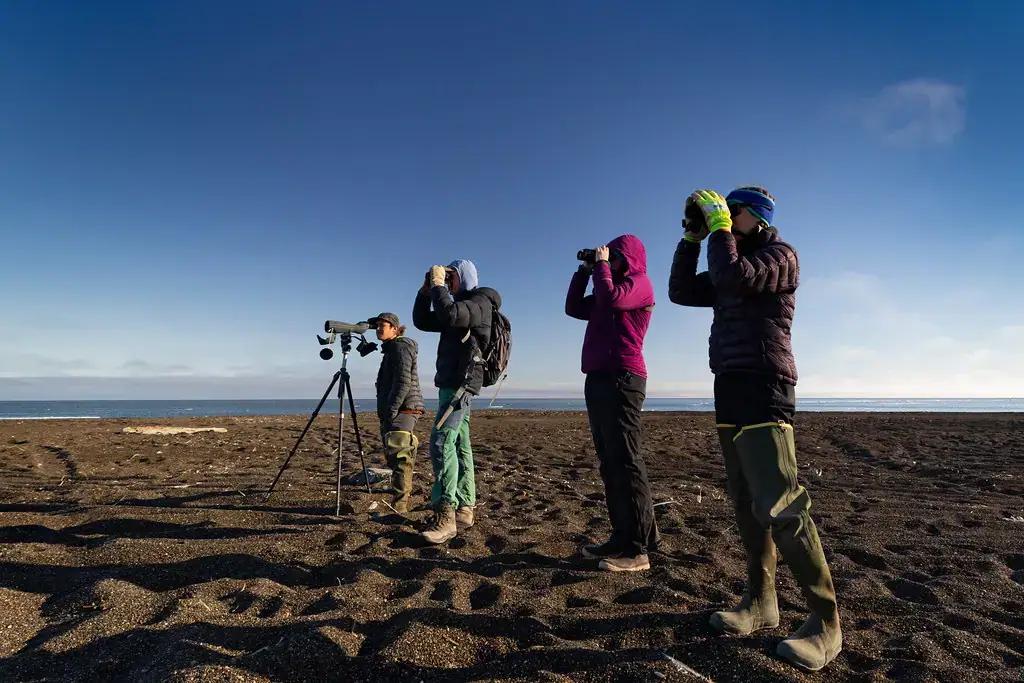
You’ve already seen lots of animals. You just never tracked them.
Most people do not need a new camera. They need a place that answers which animals they have already encountered: the zoo day, the holiday snake, the birds on a morning walk, the fox on the bins last winter. Those encounters happened. They were simply never written down.
A Dex is that record: unique AnimalDex entries for species and supported animal groups, each with a historical place you confirm and a setting that says wild, zoo, farm or domestic. It is not a guessed count from a feed, and it does not have to begin on the day you install an app.

What a life list is
A life list is the running tally of species a person has identified in their lifetime, one entry per species, with the first encounter recorded. Birders invented the modern version, and the American Birding Association's recording rules are the reference everyone else borrows from. Under those rules a bird counts if it was alive, wild and unrestrained when you encountered it, if you identified it with confidence by sight or sound, and if you observed it within the ABA's code of ethics. A bird heard but never seen is countable. A bird in a zoo, an aviary or a rehabilitation centre is not, nor is an escaped pet unless the species has an established wild population.
Herpers keep life lists too, with less formal rules and a few conventions of their own: wild and free-living animals only, a separate column for animals found dead on the road, and a habit of noting whether an animal was found under cover or in the open. Many also keep a county list, a year list and a patch list for the one site they walk most.
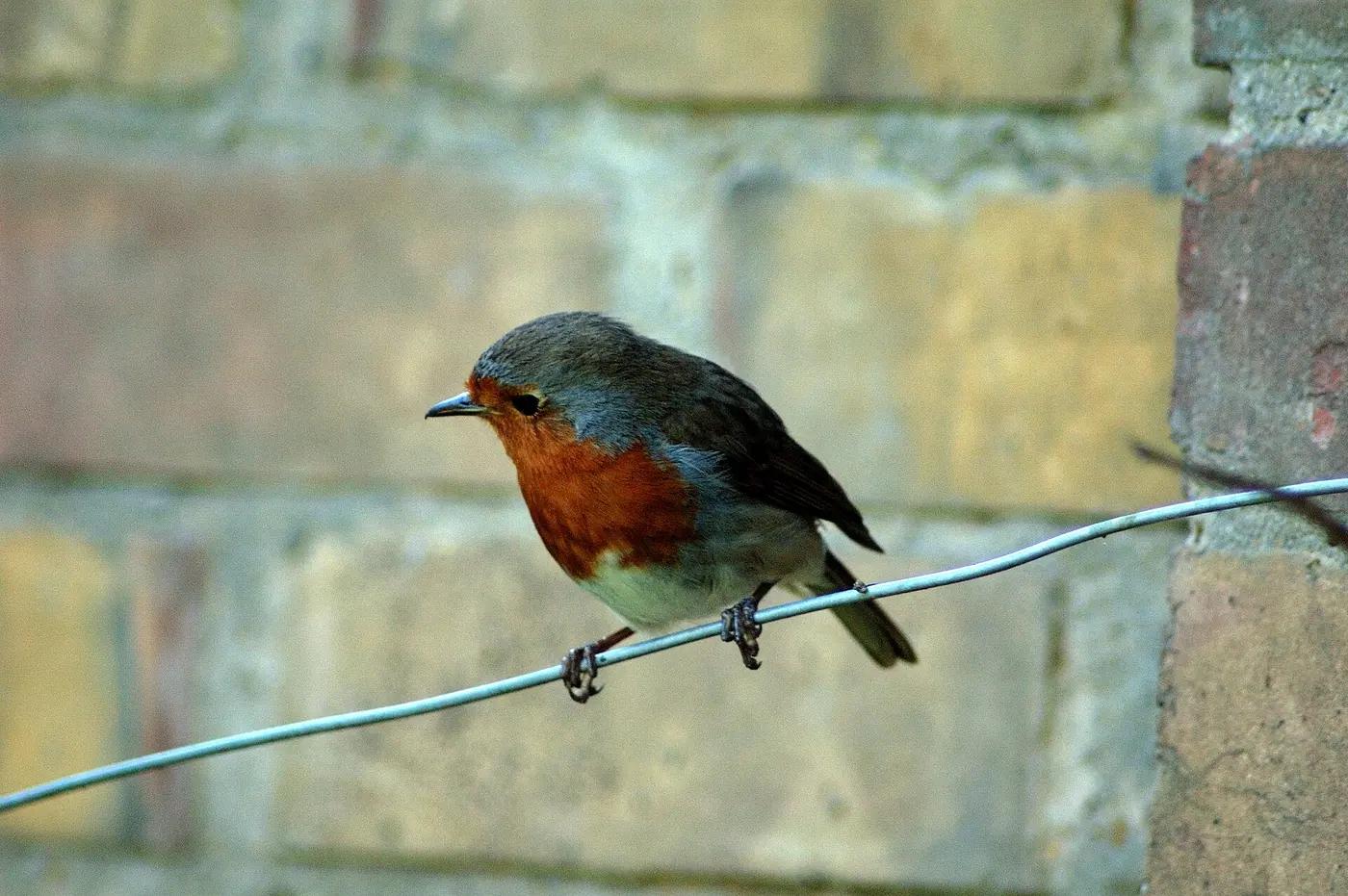
For most people in Europe the first bird on the list is a robin, 14 cm of orange breast on a garden fence, and for most in North America it is an American robin or a house sparrow. The list starts with the ordinary and that is its point: you have been seeing animals all along.
Rules for your own list
You do not have to adopt the ABA's rulebook, but you should decide your rules once and apply them every time. The table shows how birders and herpers handle the common questions and what a general wildlife list usually does.
| Question | Birders (ABA rules) | Herpers (common practice) | A general wildlife list |
|---|---|---|---|
| Captive animals | Not countable | Kept off the field list | Keep, but record setting: zoo, farm, domestic |
| Heard but not seen | Countable | Usually a separate heard-only note | Note it; a capture still needs a photo |
| Dead on road | Not countable | Separate DOR list | Record, mark as dead |
| Uncertain identification | Not countable | Logged to genus or group | Group-level entry, upgrade later |
| Established introduced species | Countable (e.g. house sparrow in the Americas) | Countable, often flagged | Countable, note it |
| Evidence required | None; honesty system | Photo strongly preferred | Photo per capture |
New encounters and past encounters
New encounters belong to live capture in AnimalDex: a photo taken in the app at the moment of the sighting, with identity, setting and location attached. That is the equivalent of the birder's field notebook entry, made on the spot.
Past encounters can come from eligible Instagram wildlife posts after you review identity and location. AnimalDex looks through a connected professional account for animal posts; you confirm what each shows, where it was and whether it was wild or captive; the original media becomes a capture. Wildlife memories often pre-date the app you eventually choose to track them in. Install day does not have to be day one.
Wildlife collection appImport Instagram wildlife photos
What not to expect from a life list
Not every photo resolves to a species. A gull in winter plumage, a brown lizard at speed, a bat at dusk: some animals stay at group level when that is the honest catalogue result. Imported posts build the collection; they do not add qualifying live-capture wildlife signals for Creator Rewards, which is currently paused. And a list is not a competition unless you want it to be. Most people find the number matters less than the memory each entry brings back.
Write your rules
Captive, heard-only, dead on road, uncertain ID. Decide once, apply every time.
List from memory
Garden, zoo trips, holidays, pets excluded or included by your rule. Most adults reach fifty species in ten minutes.
Check the archive
Instagram and the camera roll hold encounters you forgot. Review before you count.
Capture the next one
Tomorrow's pigeon counts. Take it live, in the app, with the place confirmed.
Quick questions
Short answers to common questions readers ask on this topic.
- What is a life list?
- A life list is a running record of every species a person has identified in their lifetime, with one entry per species and usually the date and place of the first encounter. Birders formalised it; the American Birding Association's rules count only wild, unrestrained, confidently identified birds. Herpers, mammal watchers and general wildlife fans keep the same kind of list with their own conventions.
- Do zoo animals count on a life list?
- Not under birding rules, which exclude captive and restrained animals, and not on a herper's field list. A general wildlife collection can keep them as long as each entry records its setting. AnimalDex stores wild, zoo, farm or domestic on every capture so the two kinds of record never merge.
- Does a bird I only heard count?
- Under ABA rules, yes: a bird identified by sound alone is countable. Many birders still keep a note of which entries were heard-only. In AnimalDex a heard-only bird is an encounter you can note, but a capture needs a photograph taken in the app.
- How do I start tracking animals I saw years ago?
- List what you remember first, then check where the photos live. Eligible wildlife posts on a compatible Instagram professional account can be reviewed into AnimalDex: confirm species or group, the historical place and the setting, and the original media becomes a capture. New sightings are live captures from then on.
- Is there an app to track animals I have seen?
- Yes. eBird tracks birds, iNaturalist tracks any organism as community-science observations, and AnimalDex keeps a species collection built from live in-app captures and reviewed Instagram imports, with setting and confirmed location on each entry. Many people use one platform for records and one for the collection.
Animals mentioned
Jump from this article into the species pages behind the examples, systems notes, and field-guide references.
Answer guides related to this topic
If you want direct comparisons and clear recommendations, continue with these answer-focused pages.
Related guides
animals I have seen
How Many Animals Have You Already Encountered?
A realistic estimate of how many species a typical person has already seen from gardens, zoos, holidays and safaris, and how to get a number you trust.
5 min read
Already Seen Hundreds of Animals? Don’t Start Over
A wildlife collection does not have to begin on install day: where past encounters hide, what review asks, and how old trips and zoo visits join one Dex.
5 min read
How to Keep a Wildlife Photography Life List
How photographers keep a species life list that stays honest: what counts, how to handle uncertain IDs, where old archives fit, and which fields matter.
4 min read