

wildlife collectionpast tripsInstagram import
Already Seen Hundreds of Animals? Don’t Start Over
A wildlife collection does not have to begin on install day: where past encounters hide, what review asks, and how old trips and zoo visits join one Dex.
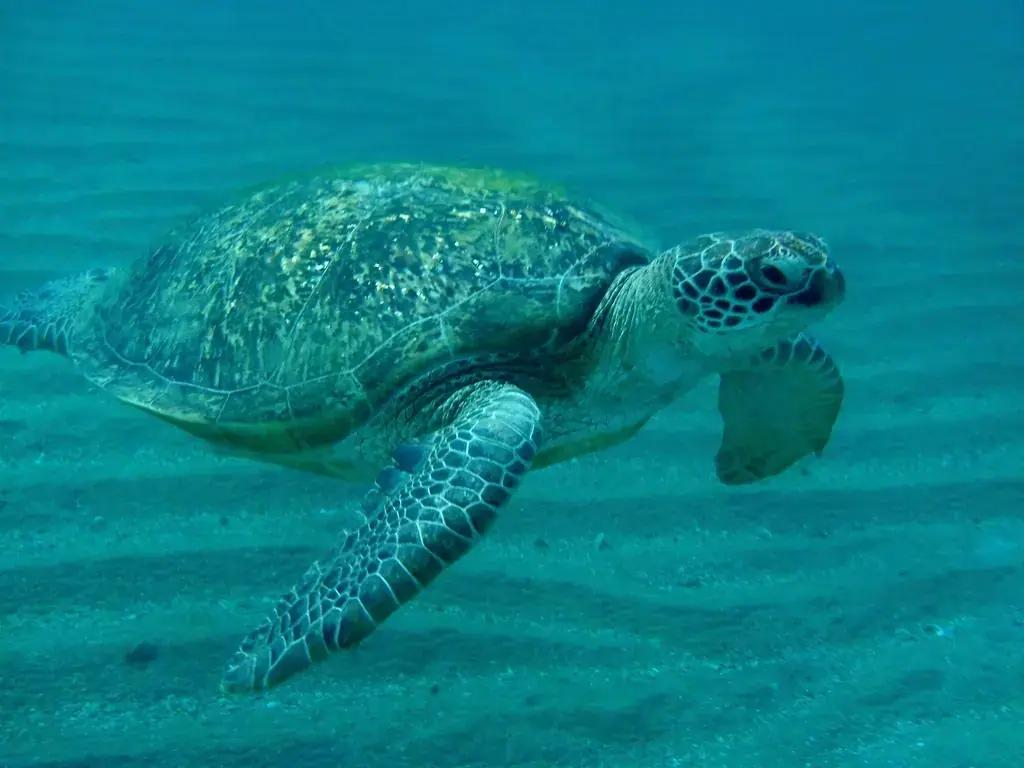
Most collections start today. Yours doesn’t have to.
A new wildlife app usually means a blank list. That is a poor deal if you have already been to zoos, coasts and trails with a phone in your pocket for fifteen years. The encounters exist. The lion did not stop being a lion because you photographed it before the app existed.
AnimalDex is designed so eligible wildlife encounters from an existing Instagram archive can become part of your collection after review. Then keep going in the field with live capture. The collection ends up with two kinds of entry, both honest about where they came from.
Import Instagram wildlife photosWildlife collection app
Where your past encounters are hiding
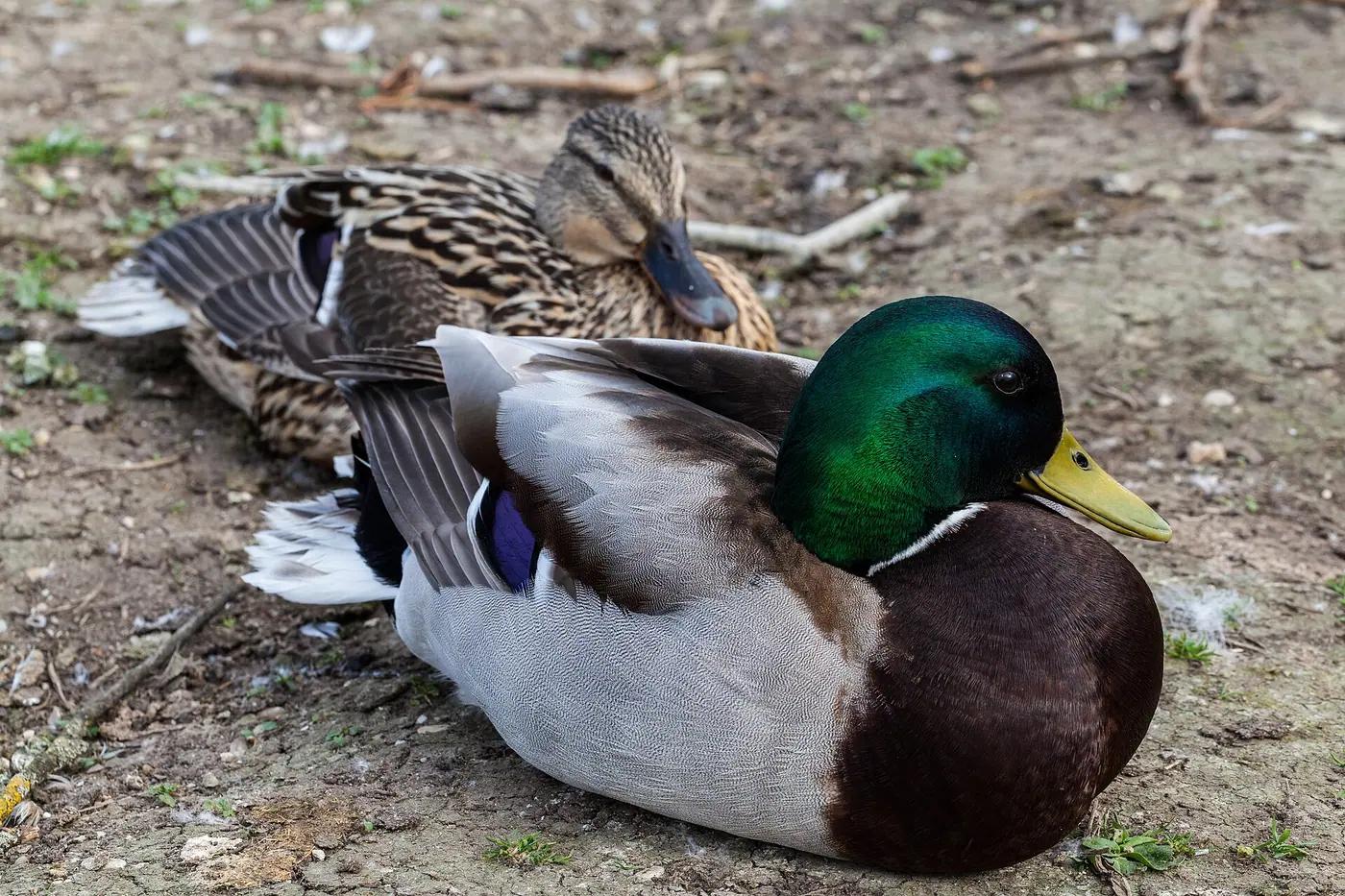
Start with the mallard. It is the most widespread duck in the northern hemisphere, 50 to 65 cm long, the drake with the bottle-green head, the hen in streaked brown, and it sits on almost every park pond you have ever walked past. Almost everyone has photographed one. Almost nobody has it on a list. That is the pattern for the whole archive: the animals were common enough to photograph and ordinary enough to ignore.
Instagram posts
The best source: a caption written on the day gives you place and context. Eligible posts can be reviewed and imported.
Camera roll
Park ducks, garden birds, a lizard on a holiday wall. Date stamps help; GPS is only a hint.
Trip albums
Safari, dive trip, coast week. Named after the place, which is exactly the problem a species index solves.
Zoo and aquarium days
Dozens of species per visit. They count as captive records, with the setting marked.
Memory only
No photo, no capture, but still a life-list entry in your own notes. The first hedgehog counts even unphotographed.
History and tomorrow are different paths
Past encounters and new ones enter the Dex differently, and the difference is deliberate.
| Past encounter (import) | New encounter (live capture) | |
|---|---|---|
| Source | Eligible post on a compatible Instagram professional account | Photo taken in the AnimalDex app at the moment of the sighting |
| Identity | You confirm species or group during review | Identification assisted in the app; group level when honest |
| Location | You confirm the historical place; today's GPS is not used | Where you are when you capture |
| Setting | You confirm wild, zoo, farm or domestic | Recorded at capture |
| Media | Original photos and videos from the post | The in-app photo |
| Creator Rewards | Never qualifying contribution | Only live contribution ever qualified; programme currently paused |
A safari in 2019 is still a record
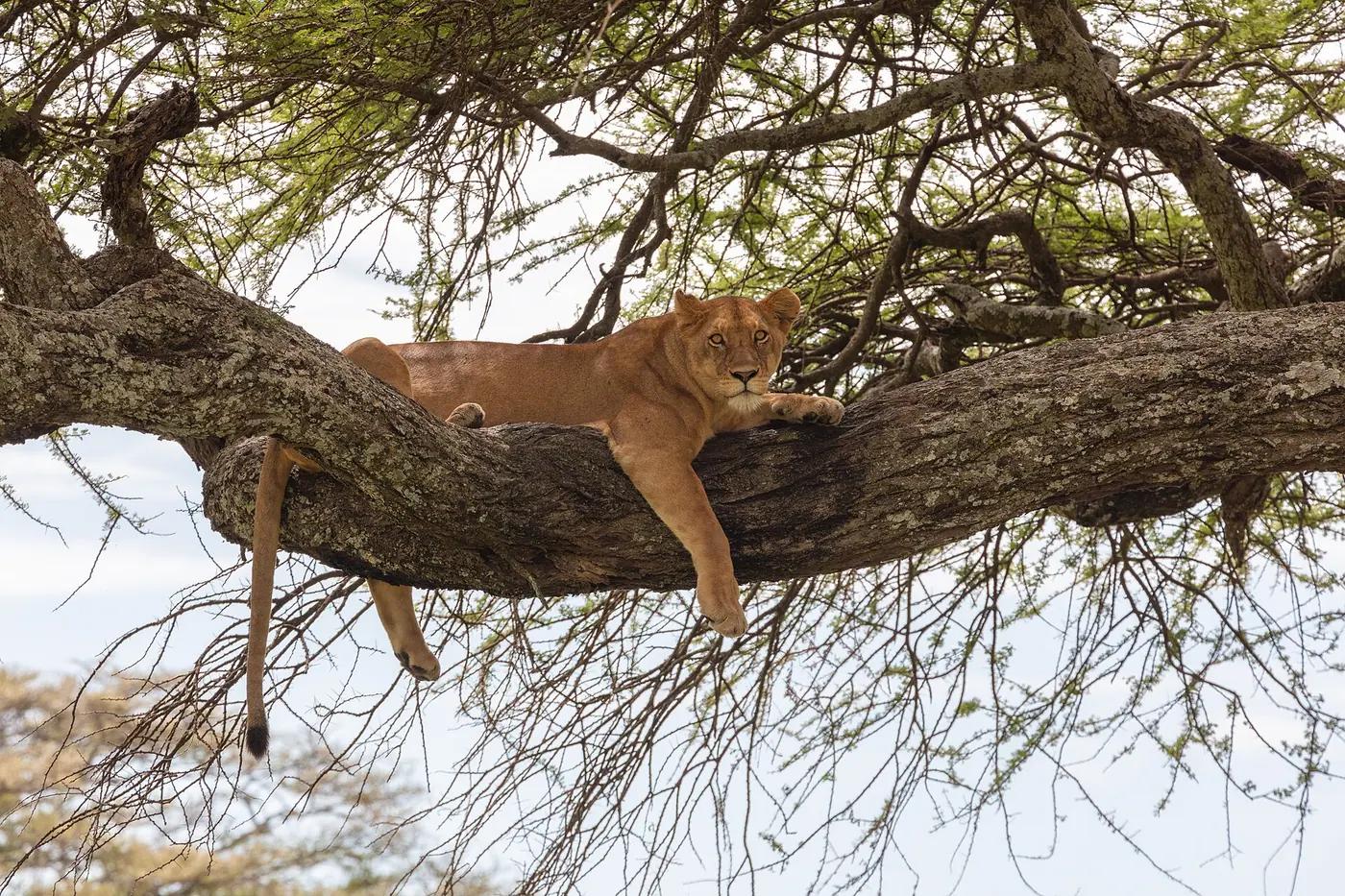
A lion photographed in the Serengeti six years ago is a wild record of a species the IUCN lists as Vulnerable, with an estimated population in the low tens of thousands and falling. The encounter has not lost value with age. What it needs is a confirmed historical place, the park rather than the city you flew home to, a setting of wild, and an honest identity.
Lion, elephant, giraffe, zebra, impala, a dozen birds: one three-day safari typically yields 40 to 80 species, and most of them are sitting in a folder called Tanzania. Reviewed one by one, they become forty to eighty entries in a Dex, each searchable by animal.
LionAfrican Bush ElephantPlains ZebraImpala
What review actually asks
Review is short per post and it is the whole reason the collection can be trusted. For each animal post AnimalDex finds, you answer five things: what the animal is (species, or group if the frame does not support more), where it actually was, whether it was wild or captive, whether more than one animal is in shot and which the record is for, and whether you stand by the accuracy of all of that. Imported posts may publish to Discover, so that last confirmation sits in front of import, not after it.
Not every post will import. Some will stay at group level. None of them will add qualifying live contribution for Creator Rewards, which is currently paused in any case. What you get is a collection that starts with history instead of a blank screen, and a field habit that carries on from there.
Wildlife photos sitting on InstagramHow many animals have you already encountered?
Quick questions
Short answers to common questions readers ask on this topic.
- Can I add animals from past trips to a wildlife collection?
- Yes. Eligible wildlife posts on a compatible Instagram professional account can be reviewed into AnimalDex: you confirm species or group identity, the historical place of the photo and the setting, and the original media becomes a capture. Camera-roll photos that were never posted are not imported this way, but they still belong on your own life list.
- Do old safari photos count as wildlife records?
- Yes, if the record is honest about place and setting. A lion photographed in the Serengeti in 2019 is a wild record of a Vulnerable species; it needs the park as its location, not the city you uploaded from, and the setting marked as wild. Age does not reduce its value.
- What is the difference between an imported post and a live capture?
- An imported post is a past encounter reviewed from Instagram: you confirm identity, historical place and setting, and the original media is added. A live capture is a photo taken in the AnimalDex app at the moment of a new sighting. Both sit in the same Dex; only live contribution ever counted toward Creator Rewards, which is currently paused.
- Why does AnimalDex make me review every imported post?
- Because a collection built from unreviewed captions and GPS tags would be wrong in ways you could not find later. Review confirms the animal, the place, the setting and which animal a multi-species photo is for, and because imported posts may publish to Discover, it includes an accuracy confirmation.
Animals mentioned
Jump from this article into the species pages behind the examples, systems notes, and field-guide references.
Sources and further reading
Answer guides related to this topic
If you want direct comparisons and clear recommendations, continue with these answer-focused pages.
Best Animal Identification Apps
Compare the best animal identification apps by features like photo/video identification, species coverage, collection capabilities, offline use, and more.
What Is Animal Collecting
Learn what animal collecting means in modern apps and how AnimalDex turns real-world sightings into cards, sets, rarity, and species learning.
Pokemon-Like Animal App
Looking for a Pokemon-like animal app with real species? AnimalDex combines creature-collection energy with AI scanning and wildlife learning.
Related comparisons
Continue with structured animal-vs-animal comparison pages connected to the species in this guide.
Giraffe vs Lion: Who Would Win in a Fight?
Adult giraffe is far more dangerous than people assume and can absolutely repel or injure lions. Lion still gets the better overall predation answer once pride pressure, target vulnerability, or repeated attacks enter the story.
Grizzly Bear vs Lion: Who Would Win in a Fight?
Grizzly bear gets the clear overall one-on-one edge through heavier frame, greater close-contact resilience, and more punishing brute-force geometry. Lion only improves if the question shifts away from a duel and starts rewarding multiple attackers or wider social pressure.
Lappet-faced Vulture vs Lion: Who Would Win in a Fight?
Lion gets the overwhelming overall edge. Lappet-faced vulture is massive for a bird and can be bold around carcasses, but it is not designed to stop or survive a committed attack from a top-tier large predator.
Lion vs Crocodile: Who Would Win in a Fight?
Lion gets the slight overall edge on land because it can move, angle, and attack more freely. Crocodile becomes much more dangerous in shallow water or a still ambush start where the first clamp defines the fight.
Related guides
wildlife life list
How to Keep Track of Every Animal You’ve Seen
What a life list is, how birders and herpers keep one, which rules to borrow, and how to start from animals you have already seen instead of from zero.
5 min read
What to Do With Years of Wildlife Photos on Instagram
If your best birding, herping and safari pictures only live in a feed: what is at risk, how to get files out, and how to turn them into a species record.
4 min read
How Many Animals Have You Already Encountered?
A realistic estimate of how many species a typical person has already seen from gardens, zoos, holidays and safaris, and how to get a number you trust.
5 min read