

Wolf behaviorPredator ecologyAnimal intelligence
How Wolves Hunt, Survive, and Shape Ecosystems
How wolves hunt and shape ecosystems: pack size, prey selection, hunt success rates, the Yellowstone reintroduction, and what the cascade evidence shows.
Why wolves attract so much attention
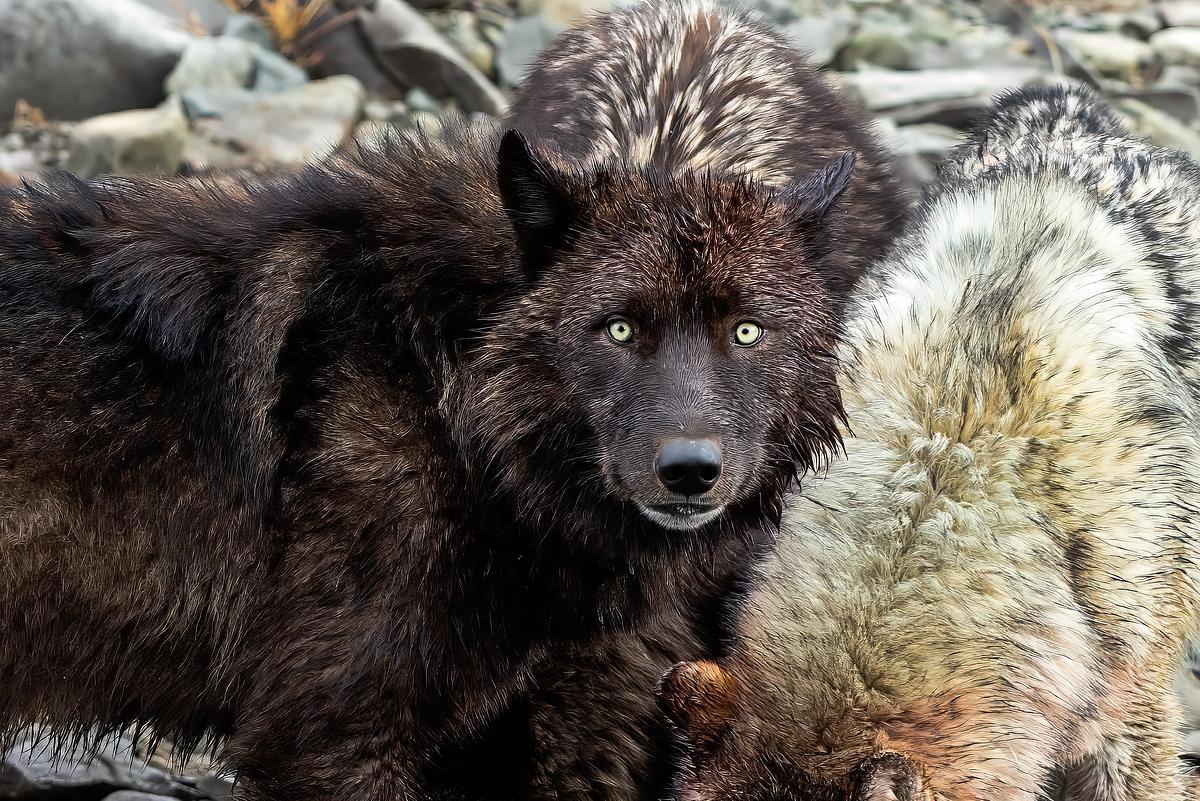
The grey wolf (Canis lupus) is the largest wild canid: adults in North America and Eurasia typically weigh 30 to 50 kilograms, with the biggest northern males reaching 60 to 70, and stand 65 to 85 centimetres at the shoulder. It was once the most widely distributed land mammal apart from humans, from Mexico to the Arctic and from Portugal to Japan, and it was eliminated from most of western Europe and the lower 48 United States by the early twentieth century.
The attention comes from the return. Wolves were reintroduced to Yellowstone National Park in 1995 and 1996 with 31 animals from Canada, and have since recolonised the northern Rockies, the western Great Lakes, and large parts of Germany, France, and Italy on their own. Yellowstone became the most intensively watched wolf population in the world, with every pack tracked by radio collar and observed daily from the roadside.
That record is what turned wolves into a case study in how a predator changes a landscape, and also into a test of how far such claims can be pushed. Both halves matter.
How tigers survive as solo apex huntersElk species page
What makes a wolf unique?
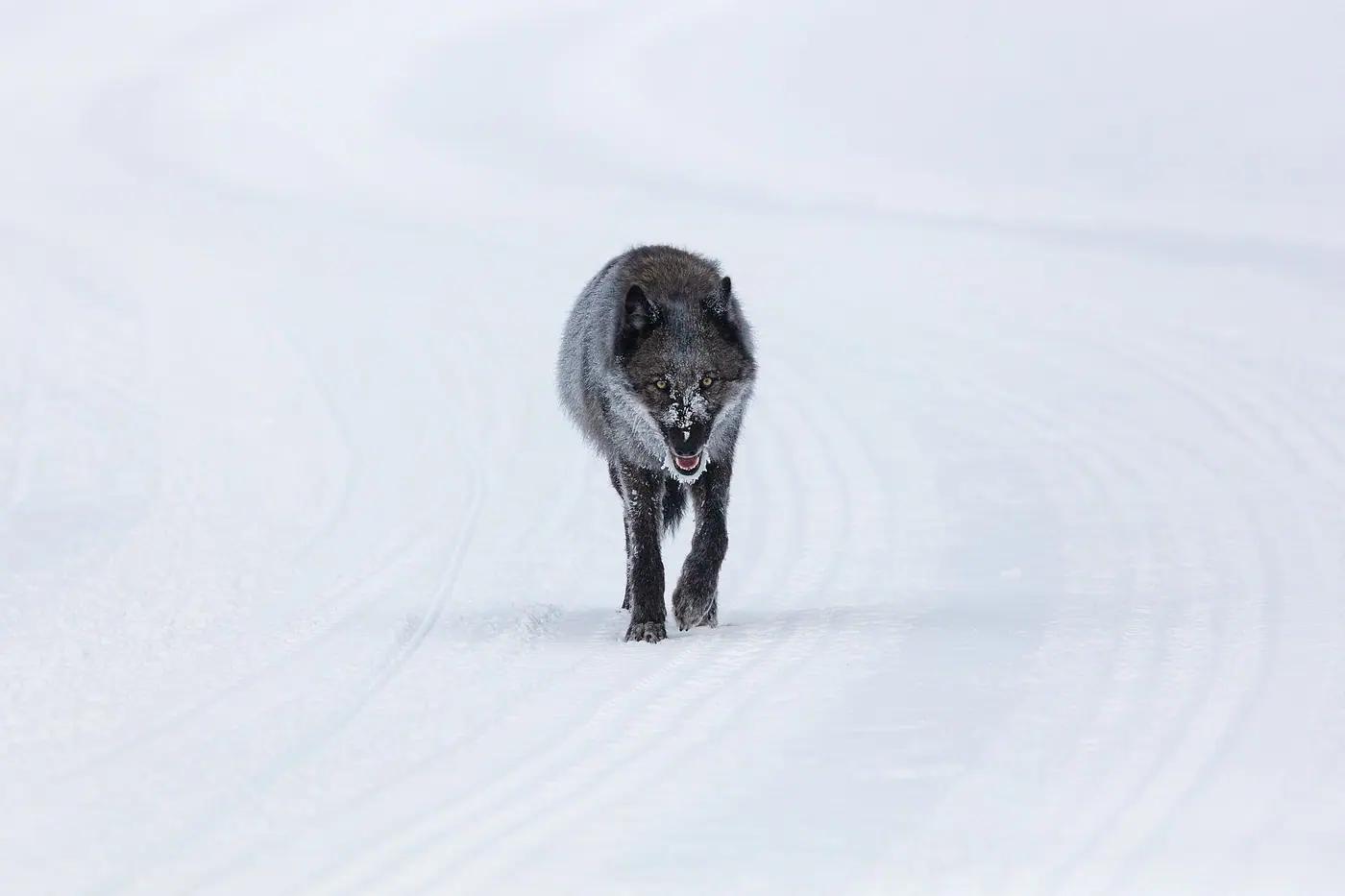
A wolf is built for distance. Long legs, large feet that spread on snow, and a narrow chest let a pack travel 30 kilometres in a day as a matter of routine and more than 70 when it has to, trotting at around 8 km/h and sprinting at 55 to 65 km/h for short bursts. Its nose can pick up an elk or moose more than two kilometres away in favourable wind, and a howl carries 10 kilometres or more in open country.
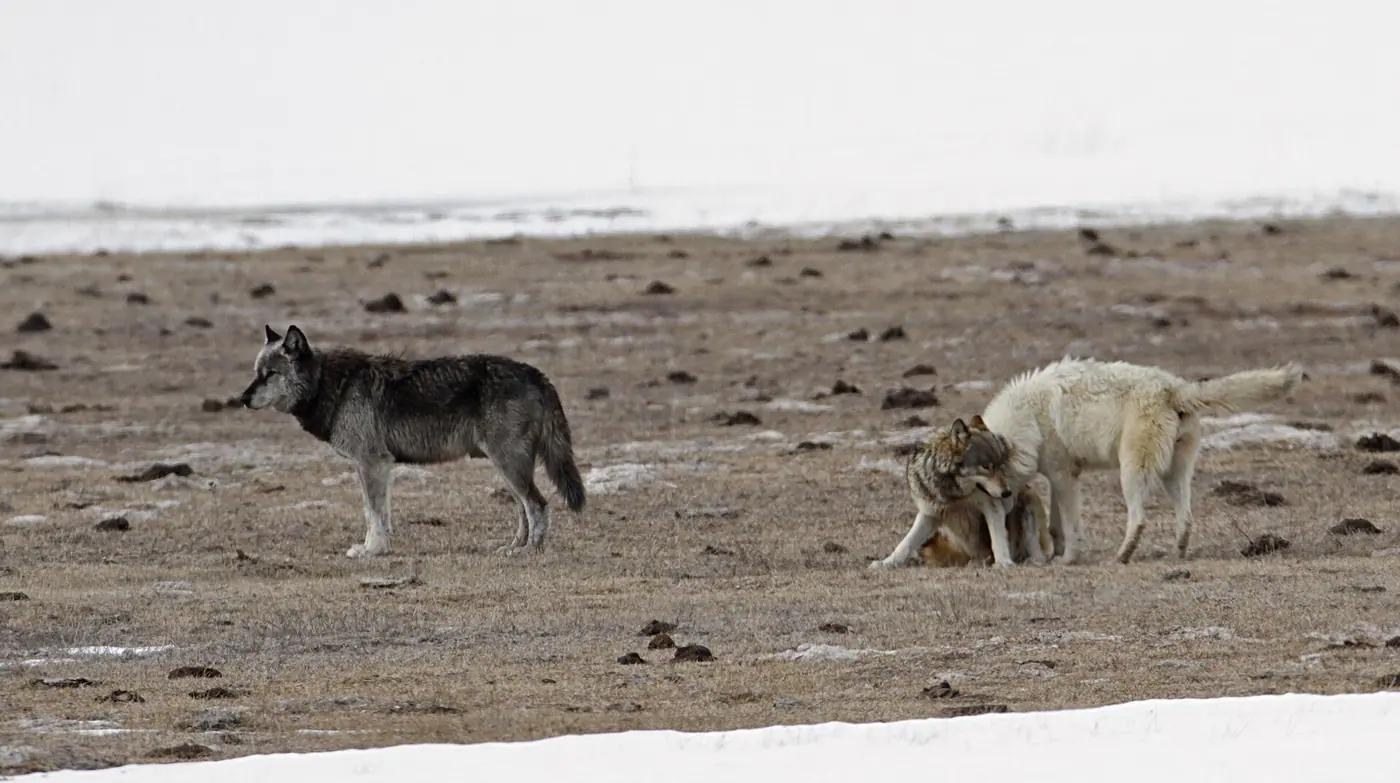
The social unit is a family. A pack is normally a breeding pair and their offspring from one to three years, so five to eleven animals in most places and occasionally more than twenty where prey is abundant. The old idea of unrelated wolves fighting for alpha rank came from captive groups; David Mech, who popularised the term in 1970, spent decades afterwards correcting it. Pups are born in April in litters of four to six, and most yearlings disperse to find a mate and territory of their own.
Territory is the constraint. Packs hold areas from a few hundred square kilometres in prey-rich parks to several thousand in the Arctic, mark the boundaries with scent and howling, and defend them lethally. In Yellowstone, other wolves are the leading natural cause of adult wolf deaths.
| Field mark | Grey wolf | Coyote |
|---|---|---|
| Weight | 30 to 50 kg (up to 70 in the far north) | 9 to 20 kg |
| Shoulder height | 65 to 85 cm | 45 to 60 cm |
| Head | Broad muzzle, short rounded ears | Narrow pointed muzzle, tall pointed ears |
| Track length | 10 to 13 cm, about a hand | 6 to 7 cm |
| Voice | Long, low, sustained howl | Rising yips and short high howls |
| Group | Family pack of 5 to 11 in most areas | Pairs or small family groups; often alone |
| Main prey | Elk, deer, moose, bison, caribou | Rodents, rabbits, fawns, fruit |
How wolves survive and hunt
Wolves kill large hoofed animals with their teeth, and that is dangerous work: an adult elk is three to four times a wolf's weight and a bison ten times. The hunt is therefore a selection process. A pack approaches a herd, makes it run, and watches for the individual that lags, stumbles, or turns to fight. In Yellowstone the cow elk killed by wolves average around 14 years old, far older than the herd average, and calves and bulls weakened after the autumn rut make up most of the rest.
Most hunts fail. David Mech's early work on Isle Royale found wolves killed only about one in every twelve or thirteen moose they tested, and Yellowstone elk hunts succeed around 15 to 20 percent of the time, less when the elk are in good condition. A large pack does not kill more per wolf than a small one: Dan MacNulty's analysis found hunting success stops improving beyond about four wolves, and the extra members are there to hold the carcass against bears and other packs and to raise pups.
The economics are feast and famine. A wolf can eat 9 kilograms at a sitting, then go a week or more without, and a pack in winter needs an elk-sized kill roughly every two to three days. Pups are fed by regurgitation from every adult, yearlings babysit at the den and rendezvous sites, and when prey crashes, so does pup survival. Wolves in the wild typically live four to six years; the oldest Yellowstone wolves reached twelve.
The ecosystem role of wolves
When wolves returned to Yellowstone, the northern range elk herd stood near 19,000. By the 2010s it was around 4,000 to 6,000. Over the same period willows along several streams grew tall again for the first time in decades, aspen stands began recruiting young trees, and beaver colonies on the northern range rose from one in 1996 to around nine by the mid 2010s. Beaver ponds raised water tables and created habitat for fish, amphibians, and songbirds. William Ripple and Robert Beschta's papers describe this as a trophic cascade running from wolves to elk to vegetation to everything that depends on it.
The honest version is more complicated, and worth knowing because it is what ecologists actually argue about. Elk numbers were also cut by a growing cougar population, grizzly bears eating calves, human hunting outside the park, and a run of drought years, and willow recovery has been patchy, strongest where beaver and water tables helped. The idea that fear alone, rather than the kills themselves, moved the elk has weaker support than early coverage suggested. Wolves were a necessary part of the change, not the whole of it.
Other effects are better documented. Coyote numbers in the Lamar Valley roughly halved after wolves arrived, which improved pronghorn fawn survival. Wolf kills feed ravens, magpies, eagles, bears, foxes, and beetles year round; Chris Wilmers estimated that ravens alone take a substantial share of each carcass within days. Wolves spread the supply of carrion through the winter where before it arrived in one late-winter pulse, which stabilises scavenger food supplies in a warming climate.
Wolves change a landscape less by what they kill than by what they make every other animal do differently.
What humans can learn from wolf systems
The first lesson is about testing before committing. A pack does not charge the herd; it makes the herd move and reads what the movement reveals. Most of the work is in the selection, and most attempts end without a kill and without an injury. Patience is cheaper than a broken jaw.
The second is about group size. Past about four, extra wolves do not catch more elk; they defend what has been caught and raise the next generation. The size of a team is set by the whole job, not by the hardest single task in it.
The third is about evidence. The Yellowstone story is a real cascade with real limits, and the researchers who found it have been the first to say so. Watching wolves is a good place to learn both halves.
Where and when
Yellowstone's Lamar Valley and Hayden Valley at first light, especially from November to April when packs are on the open northern range. Wolves are also watchable in Białowieża (Poland), Abruzzo (Italy), and parts of Germany, usually at dawn and dusk.
Bring glass, not feet
A spotting scope on a tripod is the tool; wolves are seen at 500 metres to 2 kilometres. Never approach a den, a rendezvous site, or a carcass, and in US parks stay at least 100 yards away by law.
Read the ravens
A cluster of ravens, magpies, or an eagle dropping into one spot at dawn usually marks a fresh kill, and wolves are rarely far from it. Elk bunched tightly and all facing one direction are watching something.
Tracks and sign
A wolf track is about the length of your hand, with claws showing, in a straight-line trail where hind feet land in front prints. Scat is full of hair and bone fragments and often sits on a trail junction or ridge as a territory mark.
Why elephants never stop reshaping landscapesRed fox species page
Systems Intelligence & Hidden Purpose
See these animals as engineered biological systems: what they are built to do, how they fit the wider environment, and what their design can teach us.
Specialized Hardware
Long-distance scent detection, endurance locomotion, social signaling, and coordinated pack behavior give wolves durable hardware for tracking, testing, and wearing down prey across large territories.
Systems Script
Wolves apply top-down pressure that changes prey distribution, browsing intensity, and risk behavior. They remind ecosystems that movement patterns matter as much as raw population numbers.
Strategic Insight
Endurance and coordination beat isolated bursts of talent. A disciplined group with shared direction can reshape a landscape over time.
Quick questions
Short answers to common questions readers ask on this topic.
- How do wolves hunt in a pack?
- By testing rather than charging. The pack approaches a herd, makes it run, and watches for the animal that lags, limps, or turns to fight, usually a calf, an old cow, or a bull drained by the rut. One or two wolves grab the hindquarters or throat while the others hold position. Most attempts fail; success rates of around 10 to 20 percent are typical for elk and lower for moose.
- Did wolves really change the rivers in Yellowstone?
- Partly. After wolves returned in 1995, elk numbers fell from about 19,000 to a few thousand, willows and aspen recovered in places, and beaver colonies increased, which did change some stream channels. But cougars, bears, hunting, and drought also cut elk, and recovery has been patchy. Ecologists treat it as a real trophic cascade with limits, not a single cause story.
- How big is a wolf pack?
- Most packs are five to eleven wolves: a breeding pair and their pups from the last one to three years. Packs of twenty or more occur where prey is abundant, and Yellowstone's Druid Peak pack reached 37 in 2001. The idea of unrelated wolves fighting for alpha rank came from captive groups; wild packs are families.
- How far do wolves travel in a day?
- Around 30 kilometres is routine for a pack patrolling its territory, and dispersing yearlings cover far more; individuals have been tracked over 1,000 kilometres from their birth pack. Wolves trot at about 8 km/h for hours and sprint at 55 to 65 km/h. Territories run from a few hundred square kilometres in prey-rich parks to several thousand in the Arctic.
- Can you tell a wolf from a coyote?
- Yes, by proportion and voice. A wolf is two to three times heavier, with a broad muzzle, short rounded ears, and a track the length of your hand; a coyote has a narrow pointed face, tall ears, and a track under 7 centimetres. Wolves give a long, low howl; coyotes yip and yap in rising choruses. Coyotes are far more likely near towns.
Answer guides related to this topic
If you want direct comparisons and clear recommendations, continue with these answer-focused pages.
Best Animal Identification Apps
Compare the best animal identification apps by features like photo/video identification, species coverage, collection capabilities, offline use, and more.
What Is Animal Collecting
Learn what animal collecting means in modern apps and how AnimalDex turns real-world sightings into cards, sets, rarity, and species learning.
Pokemon-Like Animal App
Looking for a Pokemon-like animal app with real species? AnimalDex combines creature-collection energy with AI scanning and wildlife learning.
Related comparisons
Continue with structured animal-vs-animal comparison pages connected to the species in this guide.
Elk vs Wolf: Who Would Win in a Fight?
A healthy adult elk is the stronger one-body answer, but wolves get the stronger overall predation verdict because pack coordination and winter pressure change the problem.
Cougar vs Wolf: Who Would Win in a Fight?
Cougar gets the edge in a clean one-on-one because the cat is built for ambush, grappling, and fast finishing contact. Wolf becomes more dangerous the moment the scenario includes pack pressure, pursuit, or repeated harassment.
Deer vs Wolf: Who Would Win in a Fight?
Wolf is the stronger overall predation answer, but deer survives plenty of encounters through awareness, escape timing, and terrain. As a one-on-one body contest, the deer is more dangerous than people often assume.
Dhole vs Wolf: Who Would Win in a Fight?
Wolf gets the stronger direct-fight verdict because it is larger and more robust. Dhole stays impressive through pack cohesion, persistence, and coordinated pursuit in rougher terrain.
Related guides
Tiger behavior
How Tigers Survive as Solo Apex Hunters
How tigers hunt alone: home-range sizes, a 5–10 percent hunting success rate, prey and kill rate, subspecies compared, and how to read tiger sign.
9 min read
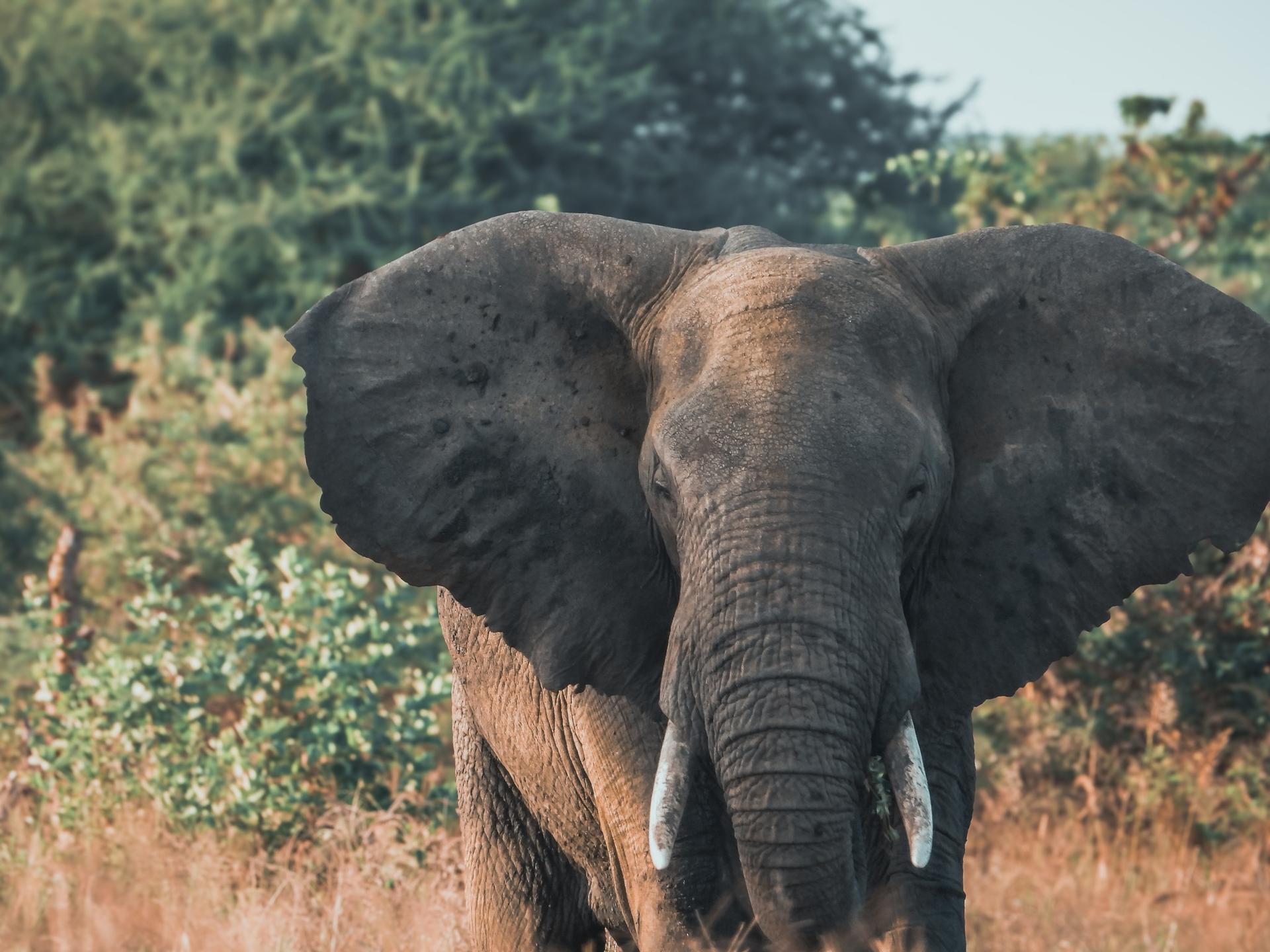
Why Elephants Never Stop Reshaping Landscapes
How elephants engineer savannas and forests: daily food and water intake, seed dispersal distances, keystone effects, and the three species compared.
8 min read
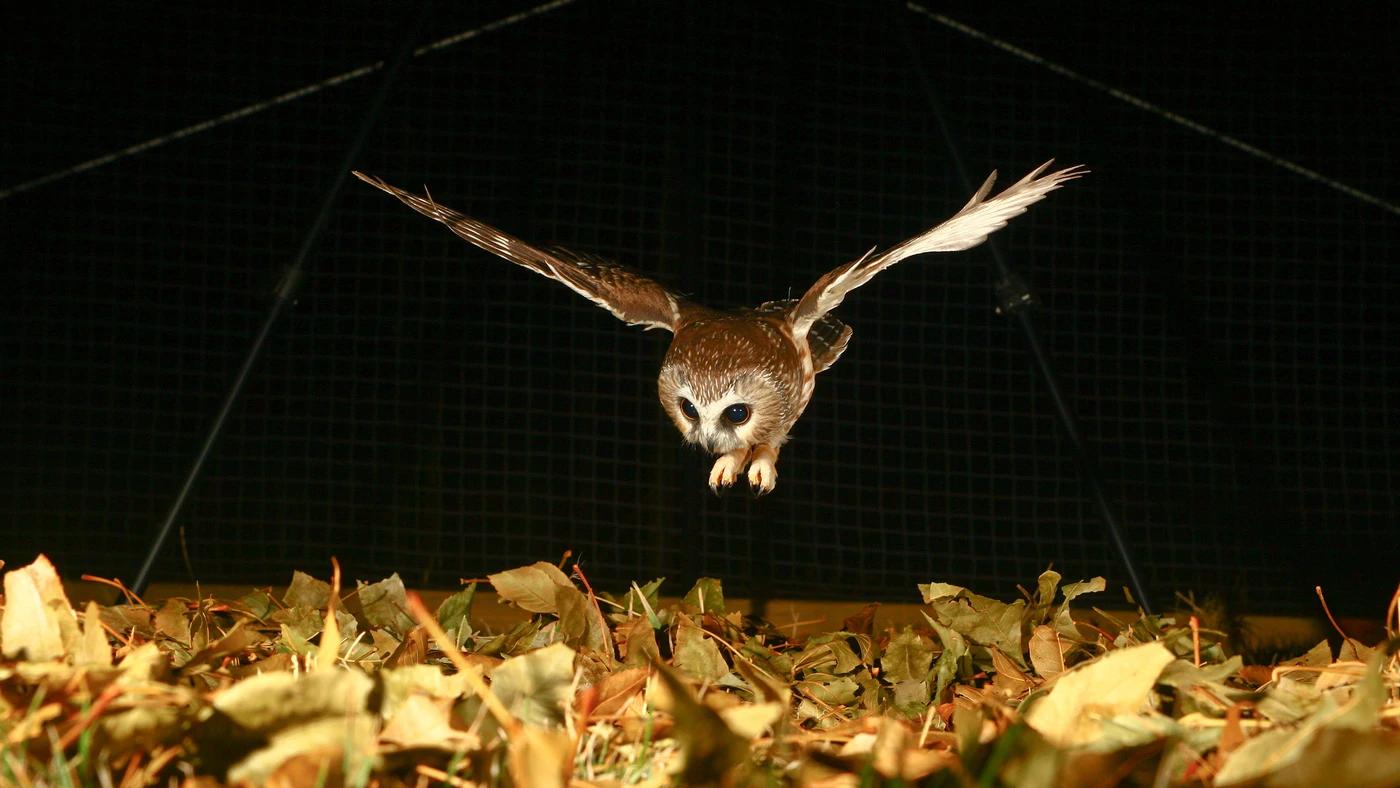
How Barn Owls Hunt in the Dark: Hearing and Silent Flight
How barn owls hunt in the dark: asymmetric ears that place a mouse within two degrees, a facial disc that works as a dish, and wings that make no sound.
9 min read