

Animals in the Amazon Rainforest: What You Can Spot, Learn, and Collect
What animals live in the Amazon rainforest: pink river dolphins, sloths, macaws, hoatzins, caimans and giant otters, and how realistic a jaguar sighting is.
Quick answer
Start with the direct answer, then use the sections below to see why the location matters and which animals are actually realistic to spot there.
The Amazon holds roughly a tenth of all known species, but what you actually see from a lodge is a specific set: pink river dolphins and black caimans on the rivers, three-toed sloths, squirrel monkeys and hoatzins along the banks, scarlet and blue-and-yellow macaws at clay licks, piranhas and arapaima in the lakes, and leafcutter ants, bullet ants and morpho butterflies on every trail. Jaguars and harpy eagles are real but need luck or a specialist trip.
The forest covers nine countries, but visitors reach it through a handful of gateways: Manaus and the Rio Negro in Brazil, Puerto Maldonado and the Tambopata reserve in Peru, Coca and the Yasuní lodges in Ecuador, and Leticia on the Colombian border. The wildlife is broadly the same across all of them, with the western Amazon richer in monkeys and macaw clay licks.
Animals here hide in a canopy forty metres up or in brown water, so the river is your best road. Boat trips at dawn and after dark produce most of the mammals and reptiles; forest walks produce the insects, frogs and birds that make the Amazon the most species-dense place on the planet.
Why this location matters
Good location pages explain why the place is worth your time, not just which names belong on a destination checklist.
There is no bigger prize for a collector, and no more misleading one. Documentaries promise jaguars and anacondas; a week at a good lodge delivers dolphins, sloths, monkeys, caimans, macaws and a hundred smaller species you have never heard of. Setting expectations right makes the trip far better.
The Amazon is also the place to understand scale. Mamirauá's flooded forest, Tambopata's parrot licks and Yasuní's oil-threatened canopy are each fighting a separate battle, and every tourist dollar and logged sighting supports the local reserves that hold them.
Where to look
Wildlife map of Amazon Rainforest
This guide covers the region shown below. Zoom in to get your bearings before planning a trip.
Positions are geocoded from OpenStreetMap. Habitat access and opening times change — check locally before travelling. Smaller pins are public AnimalDex captures, placed to the nearest kilometre.
Field proof
Found in Amazon Rainforest by AnimalDex users
Real captures logged in the AnimalDex app inside this area and shared publicly by their collectors, with the animal confirmed by the app's identification. Places are shown to the nearest region, never the exact spot.
- 18
- public captures
- 17
- species recorded
- 3
- collectors
- 7
- wild sightings
Recent captures from the field
Species people have actually logged here
Every name links to its species guide. The count is how many public captures of that animal sit inside this area.
- Capuchin Monkey2 captures
- Bengal Tiger1 capture
- Cayenne Tick1 capture
- Cockatiel1 capture
- Cockroach1 capture
- Common Opossum1 capture
- Daddy Long-Legs Spider1 capture
- Geometer Moth1 capture
- Golden Pheasant1 capture
- Guinea Pig1 capture
- House Fly1 capture
- Indian Peafowl1 capture
- Jumping Spider1 capture
- Silver Pheasant1 capture
- South American Tapir1 capture
- Spider Monkey1 capture
- Variable Hawk1 capture
Collectors choose to share these captures on Discover and can withdraw them at any time. Coordinates are rounded to about a kilometre and refreshed with each site build.
Animals to spot
These are intentionally practical species picks, balancing accessibility, excitement, and what travelers can realistically notice in the location.
Amazon River DolphinA
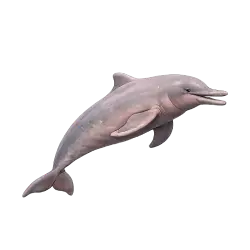
Pink botos surface at river confluences and the mouths of oxbow lakes, and at the Meeting of the Waters near Manaus they are seen on almost every trip.
Spotting note: Near-certain on any multi-day river trip.
Read species guide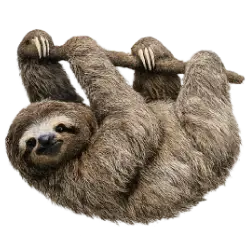
Three-toed SlothD
Sloths hang in the riverside cecropia trees and are spotted from boats along the Rio Negro and the Napo.
Spotting note: Likely; guides scan the bank trees for them on every excursion.
Read species guide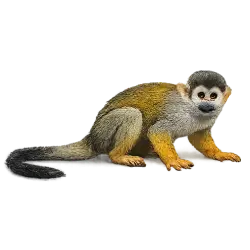
Squirrel MonkeyC
Troops of fifty or more pour through the riverside canopy in a chatter of leaps, the most frequently seen monkey in the western Amazon.
Spotting note: Very common around Tambopata and Yasuní lodges.
Read species guide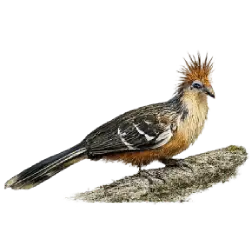
HoatzinD
Prehistoric-looking, clumsy and loud, hoatzins crash around the vegetation of every oxbow lake, grunting and hissing.
Spotting note: Guaranteed at lakes like Sandoval, Tres Chimbadas and Añangu.
Read species guide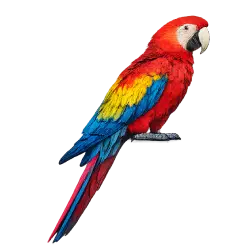
Scarlet MacawC
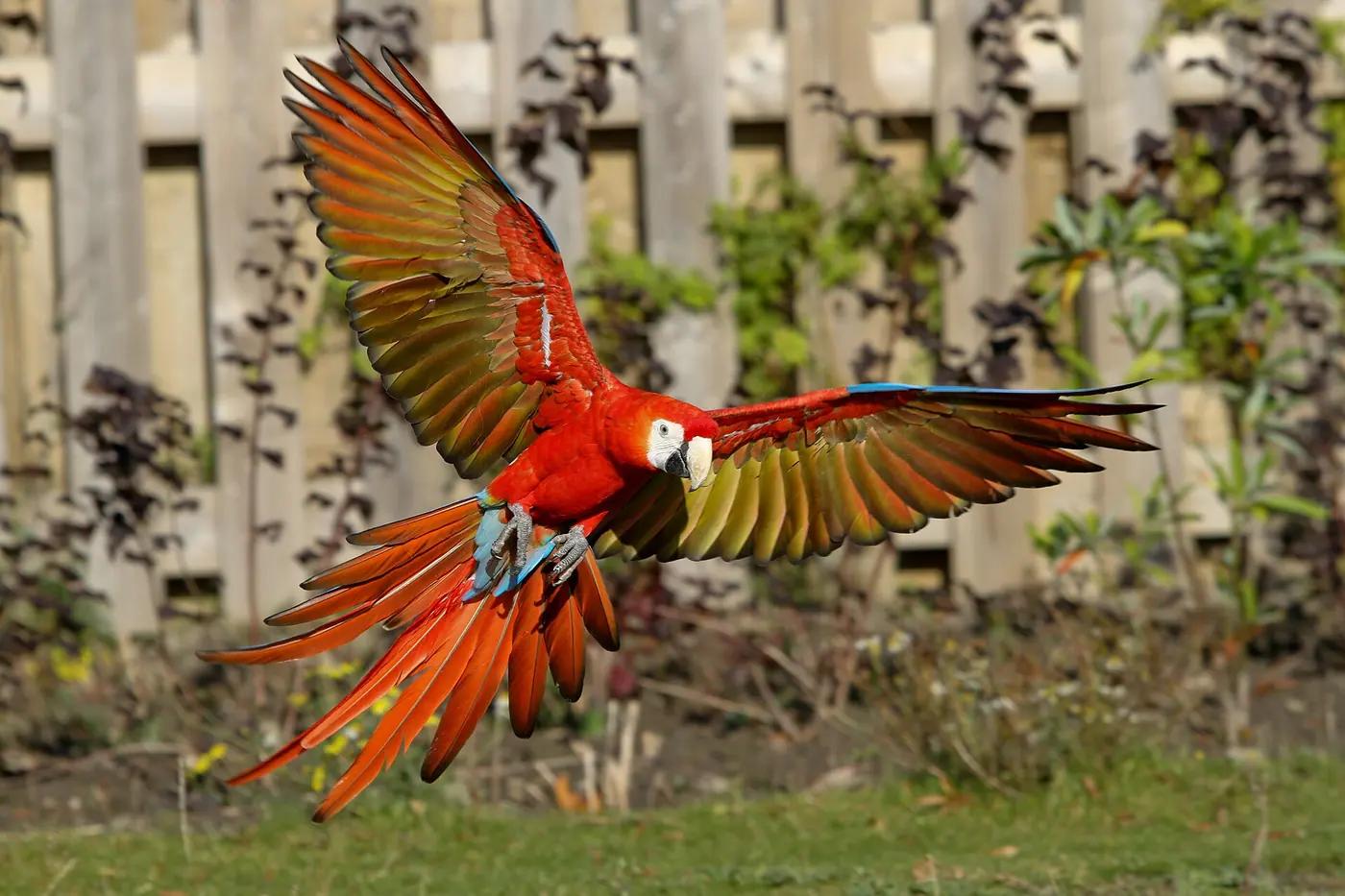
Scarlet macaws gather by the dozen at riverbank clay licks like Chuncho and Colorado in Tambopata to eat mineral-rich mud.
Spotting note: Reliable at a clay lick on a dry-season morning.
Read species guide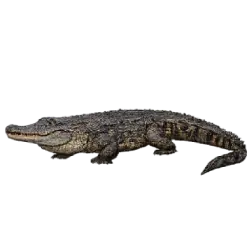
Black CaimanA
Eyes glow red in the torch beam on night boat trips, and big adults haul out on lake edges in the dry season.
Spotting note: Common on night spotlighting trips.
Read species guide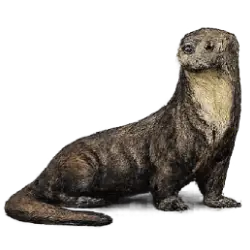
Giant OtterB
Family groups of giant otters fish the oxbow lakes of Tambopata and Manu, snorting at canoes that come too close.
Spotting note: Likely at Sandoval and Cocha Salvador; rare elsewhere.
Read species guide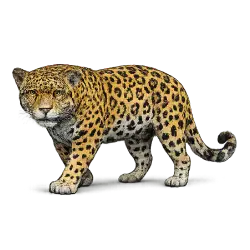
JaguarA
Jaguars walk the beaches of the Tambopata and Manu rivers in the dry season, and camera traps catch them on every lodge trail.
Spotting note: Rare; perhaps one in ten river trips in August and September.
Read species guide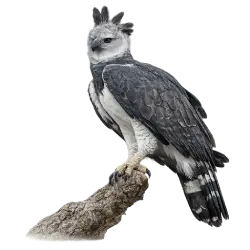
Harpy EagleA
The largest eagle in the Americas nests in emergent trees, and a few lodges know active nests and can take you there.
Spotting note: Rare without a known nest; ask before booking.
Read species guide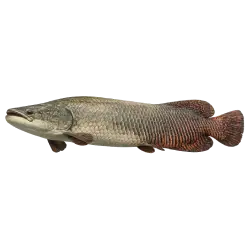
ArapaimaB
The giant air-breathing fish rolls at the surface of floodplain lakes, especially in the Mamirauá reserve where fishing is managed.
Spotting note: Regular at Mamirauá; occasional elsewhere.
Read species guide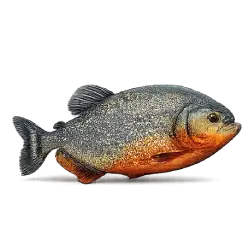
Red-bellied PiranhaD
Piranha fishing with a stick and a bit of meat is on almost every lodge itinerary, and the fish are genuinely abundant.
Spotting note: Guaranteed if you fish for them.
Read species guide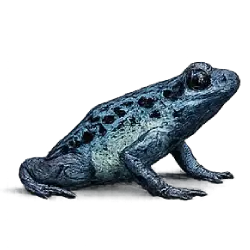
Poison Dart FrogD
Tiny, brilliantly coloured frogs hop through the leaf litter on wet mornings along lodge trails.
Spotting note: Common after rain if you look down.
Read species guide
Blue MorphoE
Electric-blue wings flash along every sunlit trail and river edge in the mid-morning heat.
Spotting note: Daily; photographing one with wings open is the hard part.
Read species guide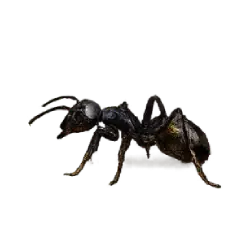
Bullet AntD
The ant with the most painful sting on earth patrols tree trunks at head height on lodge trails.
Spotting note: Common; your guide will point them out so you do not lean on one.
Read species guideBest for
Use this section to decide whether the location fits your travel style, skill level, and AnimalDex goals.
- River dolphins, caimans and giant otters from a boat
- Macaw clay licks in the Peruvian and Ecuadorian Amazon
- Night walks for frogs, tarantulas and insects
- Multi-day lodge stays with realistic odds of a jaguar
Spotting tips
These tips are meant to make the page useful in the field, not just readable on the page.
- 01Choose the dry season (June to October in the west, August to November around Manaus): low water concentrates animals on exposed beaches and lake edges.
- 02Book a lodge with an oxbow lake and a clay lick within reach; Tambopata and Yasuní lodges have both, most Manaus lodges have neither.
- 03Carry a head torch with a red filter for night walks and boat trips; it finds caimans, potoos and frogs without blinding them.
- 04Spend the midday heat at a canopy tower rather than resting; toucans, macaws and monkeys use the emergent trees when the understorey goes quiet.
Virtual Wildlife Guides
Wildlife guides to Amazon Rainforest
AnimalDex builds virtual guides from explorers' own wild sightings: which animals they found, how rare they are, and when. A guide is advice from someone who has been there, not a tour. Buying one unlocks the author's notes for every animal, a chat with the author, and introductions to local people they met. Wildlife is never guaranteed.
Checking for virtual guides to Amazon Rainforest...
How to choose a local wildlife guide in Amazon Rainforest
- Ask what they usually find in the season you are visiting. A good guide gives an honest answer, not a promised sighting.
- Check how they treat animals: no baiting, calling in, handling, or close flash photography for a better shot.
- Confirm the meeting area, duration, group size, total price, and how you pay before the day, plus any permits or park fees the place requires.
Track the animals you find in Amazon Rainforest
Build your collection while you travel through Amazon Rainforest, from easy wins to the species worth planning around.
Related tier lists
These tier lists add broader context around the species that make this location interesting.
Biggest Animals in the World
A structured ranking of the biggest animals in the world, using the AnimalDex size stat to compare body scale across sea, land, and air.
Read tier list100 Most Dangerous Animals in the World
Dangerous animals list ranking 100 species by lethal capability, aggression, and encounter risk — not a jump-scare trivia page and not a disease-vector list.
Read tier listAnimals with the Best Camouflage
A structured ranking of animals with the best camouflage, focusing on concealment quality, background matching, adaptive color change, and how often camouflage changes outcomes.
Read tier listRelated locations
Keep exploring with nearby or similar destinations that support the same kind of AnimalDex discovery.
Animals in Brazil: What You Can Spot, Learn, and Collect
A practical Brazil wildlife guide built around wetlands, rainforest color, and the species that make the country feel big, alive, and worth collecting carefully.
Read location guideAnimals in Peru: What You Can Spot, Learn, and Collect
A practical Peru wildlife guide built around tropical birds, wetlands, coast-linked species, and the layered habitat value that makes the country feel bigger than one simple nature stereotype.
Read location guideAnimals in Ecuador: What You Can Spot, Learn, and Collect
A practical Ecuador wildlife guide built around tropical color, coast-linked species, and the short-distance habitat shifts that make the country feel dense with animal possibility.
Read location guideLocation FAQ
Short direct answers to the questions travelers usually ask before choosing a wildlife destination or zoo day.
What wildlife is there in the Amazon rainforest?
Pink river dolphins, caimans, giant otters and piranhas in the water; sloths, squirrel monkeys, howlers and tamarins in the trees; macaws, toucans, hoatzins and harpy eagles overhead; and an overwhelming number of frogs, butterflies, ants and spiders on the ground. Jaguars, tapirs and anacondas are present but rarely seen.
What animals can be found in the Amazon rainforest?
On a typical lodge stay you will see river dolphins, black caimans, sloths, squirrel monkeys, hoatzins, blue-and-yellow and scarlet macaws, piranhas, morpho butterflies, poison frogs and leafcutter ants. Giant otters are likely on oxbow lakes, and jaguars are a dry-season river-beach possibility.
Where is the best place to see Amazon animals?
The western Amazon beats the central basin for visible wildlife. Tambopata and Manu in Peru and Yasuní in Ecuador have clay licks, oxbow lakes and canopy towers. Around Manaus choose the Rio Negro for dolphins and flooded forest, or the Mamirauá reserve for uakaris and arapaima.
Is it dangerous to visit the Amazon rainforest?
The real risks are mosquitoes, heat and infection, not jaguars. Take malaria and yellow fever advice, wear long sleeves at dusk, never grab a tree trunk without looking for bullet ants, and swim only where your guide says the caimans and stingrays allow.
Have AnimalDex users found animals in Amazon Rainforest?
Yes. AnimalDex users have publicly logged 18 captures of 17 different species in Amazon Rainforest, including capuchin monkey, bengal tiger, cayenne tick, cockatiel. Each one was photographed in the app at the moment of the sighting.
How do I find a wildlife guide to Amazon Rainforest?
Check the Wildlife Guides section on this page or browse Wildlife Guides on AnimalDex. Each one is a virtual guide built from an explorer's own wild sightings around Amazon Rainforest: the animals they found, how rare they are, and when. It is advice from someone who has been there, not a tour. If you want someone with you on the day, compare local guides on wildlife knowledge, how they treat animals, and clear pricing before you go.