

Animals on the Amalfi Coast and in Campania: What You Can Spot, Learn, and Collect
Wildlife of the Amalfi Coast, Vesuvius and Cilento: Monti Lattari peregrines, Vesuvius foxes, Cilento wolves, otters and porcupines, Naples bay dolphins and turtles.
Quick answer
Start with the direct answer, then use the sections below to see why the location matters and which animals are actually realistic to spot there.
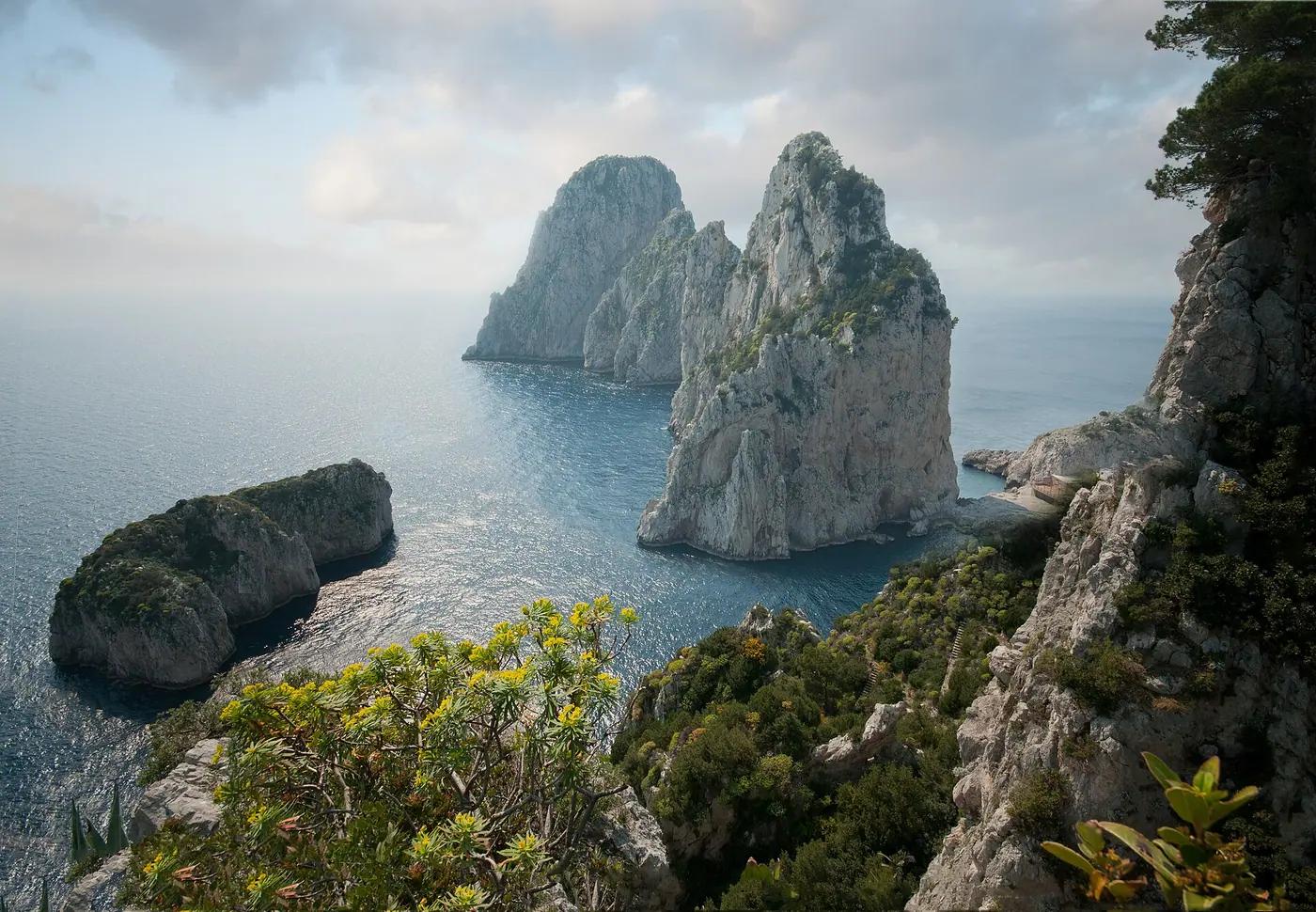
The Amalfi Coast is cliff country, so its wildlife is cliff wildlife: peregrines, alpine swifts and ravens over the Monti Lattari, wall lizards and geckos on every terrace, cicadas in the lemon groves. Vesuvius adds foxes, rabbits, hoopoes and dormice on the lava slopes, the Cilento national park to the south has wolves, otters and porcupines, and the Bay of Naples and Punta Campanella reserve hold dolphins and passing loggerhead turtles.
Campania's captures in AnimalDex are still thin, which is odd for one of Italy's most visited regions. Anyone walking the Path of the Gods or climbing Vesuvius can fix that quickly: wall lizards, geckos and swifts are everywhere, and peregrines nest within sight of the Positano road.
The Amalfi Coast and Sorrento peninsula are the obvious base, with Capri a ferry ride away. Vesuvius is a half-day from Naples, and the Cilento coast and mountains two hours south give the big mammals.
Why this location matters
Good location pages explain why the place is worth your time, not just which names belong on a destination checklist.
The Cilento, Vallo di Diano e Alburni national park is Italy's second largest and one of the few places in southern Italy where wolves, otters, golden eagles and wildcats share one landscape. Its otter population is the healthiest in the country.
Vesuvius shows how fast life returns after an eruption: the 1944 lava fields now carry holm oak, broom, foxes, hares and over 100 bird species inside a national park on the edge of a city of three million.
Where to look
Wildlife map of Amalfi Coast and Campania
This guide covers the region shown below. Zoom in to get your bearings before planning a trip.
Positions are geocoded from OpenStreetMap. Habitat access and opening times change — check locally before travelling. Smaller pins are public AnimalDex captures, placed to the nearest kilometre.
Field proof
Found in Amalfi Coast and Campania by AnimalDex users
Real captures logged in the AnimalDex app inside this area and shared publicly by their collectors, with the animal confirmed by the app's identification. Places are shown to the nearest region, never the exact spot.
- 2
- public captures
- 2
- species recorded
- 1
- collectors
- 2
- wild sightings
Recent captures from the field
Species people have actually logged here
Every name links to its species guide. The count is how many public captures of that animal sit inside this area.
Collectors choose to share these captures on Discover and can withdraw them at any time. Coordinates are rounded to about a kilometre and refreshed with each site build.
Animals to spot
These are intentionally practical species picks, balancing accessibility, excitement, and what travelers can realistically notice in the location.
Peregrine FalconB
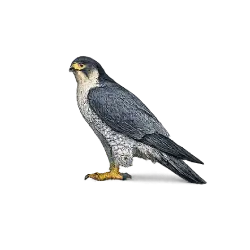
Nests on the Monti Lattari cliffs above Positano and Amalfi and on Capri's Faraglioni, stooping on pigeons and swifts over the coast road.
Spotting note: Regular; scan the cliffs from the Path of the Gods.
Read species guide
Alpine SwiftD
Big, white-bellied swifts scream around the Amalfi and Capri cliffs from March to October, nesting in crevices above the sea.
Spotting note: Common in summer along the whole coast.
Read species guide
Common Wall LizardE
Basks on every lemon-terrace wall and ancient stone from Ravello to Pompeii; the default reptile of Campania.
Spotting note: Very common from March to November.
Read species guide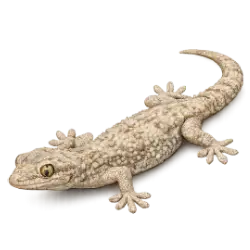
Mediterranean House GeckoE
Hunts moths around hotel lights in Sorrento, Positano and Naples after dark, a nightly capture for anyone who looks up.
Spotting note: Very common on warm nights.
Read species guide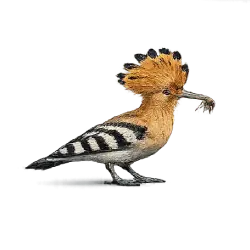
HoopoeD
Probes the Vesuvius lava-field scrub and the olive groves of the Sorrento peninsula, crest raised when it lands.
Spotting note: Uncommon but regular from April to September.
Read species guide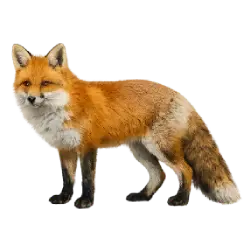
Red FoxC
Common on the Vesuvius slopes, where foxes patrol the crater path car parks at dusk, and across the Cilento hills.
Spotting note: Reliable at dusk around the Vesuvius visitor area.
Read species guide
Wild BoarB
Abundant in the Cilento and Monti Lattari chestnut woods, and now raiding gardens in Naples' hill suburbs.
Spotting note: Common but mostly nocturnal; rooted ground is the sign.
Read species guide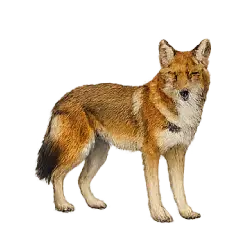
WolfC
Several packs live in the Cilento and Alburni mountains, and wolves have recently been filmed on Vesuvius itself.
Spotting note: Rare to see; winter tracking in the Alburni is the best chance.
Read species guide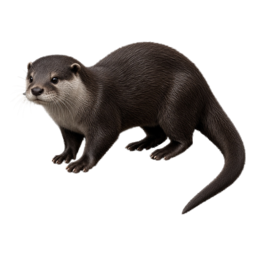
European OtterD
The Cilento rivers Calore, Bussento and Mingardo hold Italy's healthiest otter population, with the species visible on evening river walks.
Spotting note: Uncommon; dawn or dusk on the Calore gorges near Felitto.
Read species guide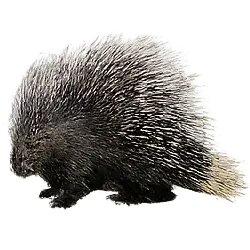
Crested PorcupineD
Lives in the Cilento and Monti Lattari scrub and leaves black-and-white quills on woodland paths across Campania.
Spotting note: Nocturnal and fairly common; quills are easy to find.
Read species guide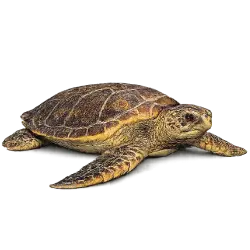
Loggerhead Sea TurtleC
Passes through the Bay of Naples and the Punta Campanella reserve, with occasional nests on Cilento beaches like Ascea and Palinuro; Naples has a turtle rescue centre at Portici.
Spotting note: Occasional at sea in summer; seasonal nests on Cilento beaches.
Read species guide
DolphinB
Bottlenose dolphins work the Punta Campanella marine reserve between Sorrento and Capri and are often seen from the Capri ferries.
Spotting note: Regular from ferries and boat tours in summer.
Read species guide
Yellow-legged GullD
The loud gull of every Amalfi harbour, Capri's Marina Grande and the Naples waterfront.
Spotting note: Guaranteed.
Read species guide
Hazel DormouseD
Lives in the hazel and chestnut woods of the Monti Lattari and Vesuvius, where its nibbled nuts are easier to find than the animal.
Spotting note: Rare to see; look for neatly holed hazelnuts on the ground in autumn.
Read species guideBest for
Use this section to decide whether the location fits your travel style, skill level, and AnimalDex goals.
- Cliff birds: peregrines, alpine swifts and ravens above the Amalfi coast road
- Easy reptiles and insects on the lemon terraces and ancient sites
- Wolves, otters and porcupines in the Cilento national park
- Dolphins and turtles from the Capri and Sorrento boats
Spotting tips
These tips are meant to make the page useful in the field, not just readable on the page.
- 01Walk the Path of the Gods from Bomerano at first light; peregrines and swifts are active and the lizards are just coming out.
- 02On Vesuvius stay near the crater car park at dusk after the crowds leave for foxes and hoopoes.
- 03In the Cilento, the Calore river gorges at Felitto are the easiest otter site; sit quietly at dusk.
- 04Take the slower ferry to Capri and stand on the upper deck for dolphins off Punta Campanella.
Virtual Wildlife Guides
Wildlife guides to Amalfi Coast and Campania
AnimalDex builds virtual guides from explorers' own wild sightings: which animals they found, how rare they are, and when. A guide is advice from someone who has been there, not a tour. Buying one unlocks the author's notes for every animal, a chat with the author, and introductions to local people they met. Wildlife is never guaranteed.
Checking for virtual guides to Amalfi Coast and Campania...
How to choose a local wildlife guide in Amalfi Coast and Campania
- Ask what they usually find in the season you are visiting. A good guide gives an honest answer, not a promised sighting.
- Check how they treat animals: no baiting, calling in, handling, or close flash photography for a better shot.
- Confirm the meeting area, duration, group size, total price, and how you pay before the day, plus any permits or park fees the place requires.
Track the animals you find in Amalfi Coast and Campania
Build your collection while you travel through Amalfi Coast and Campania, from easy wins to the species worth planning around.
Related locations
Keep exploring with nearby or similar destinations that support the same kind of AnimalDex discovery.
Animals in Italy: What You Can Spot, Learn, and Collect
Italy's wildlife from the Alps to Sicily: Gran Paradiso ibex, Apennine wolves, Marsican bears, Pelagos fin whales, loggerhead turtles, flamingos, porcupines and gulls.
Read location guideAnimals in Sicily: What You Can Spot, Learn, and Collect
Sicily wildlife: flamingos and loggerhead nests at Vendicari, porcupines and martens on Etna, eagles over the Zingaro cliffs, Aeolian sperm whales and Messina swordfish.
Read location guideAnimals in Liguria: What You Can Spot, Learn, and Collect
Liguria wildlife: fin whales, sperm whales and dolphins in the Pelagos sanctuary, Genoa Aquarium sharks, Cinque Terre lizards and boar, Portofino octopus, Alpine wolves.
Read location guideLocation FAQ
Short direct answers to the questions travelers usually ask before choosing a wildlife destination or zoo day.
What wildlife is there on the Amalfi Coast?
Peregrine falcons, alpine swifts and ravens on the cliffs, wall lizards and geckos on every wall, cicadas in the lemon groves, yellow-legged gulls in the harbours, and bottlenose dolphins offshore. Wild boar and porcupines roam the Monti Lattari woods above.
What animals can be found in Campania?
Wolves, otters, wildcats, porcupines and golden eagles in the Cilento national park; foxes, hares, dormice and hoopoes on Vesuvius; loggerhead turtles and dolphins in the Bay of Naples; and a rich cliff birdlife along the Amalfi and Sorrento coasts.
Are there dangerous animals on the Amalfi Coast?
No. The only venomous snake, the asp viper, is rare on the coast and bites are almost never serious. Jellyfish are the main nuisance in late summer; check the beach flags.
Can you see wildlife on Capri?
Yes: peregrines and alpine swifts on the cliffs, yellow-legged gulls everywhere, and the famous blue lizard on the Faraglioni rocks, a colour form found nowhere else. Dolphins are often seen from the island boats.
Have AnimalDex users found animals in Amalfi Coast and Campania?
Yes. AnimalDex users have publicly logged 2 captures of 2 different species in Amalfi Coast and Campania, including european hornet, house fly. Each one was photographed in the app at the moment of the sighting.
How do I find a wildlife guide to Amalfi Coast and Campania?
Check the Wildlife Guides section on this page or browse Wildlife Guides on AnimalDex. Each one is a virtual guide built from an explorer's own wild sightings around Amalfi Coast and Campania: the animals they found, how rare they are, and when. It is advice from someone who has been there, not a tour. If you want someone with you on the day, compare local guides on wildlife knowledge, how they treat animals, and clear pricing before you go.