

Animals in Sicily: What You Can Spot, Learn, and Collect
Sicily wildlife: flamingos and loggerhead nests at Vendicari, porcupines and martens on Etna, eagles over the Zingaro cliffs, Aeolian sperm whales and Messina swordfish.
Quick answer
Start with the direct answer, then use the sections below to see why the location matters and which animals are actually realistic to spot there.
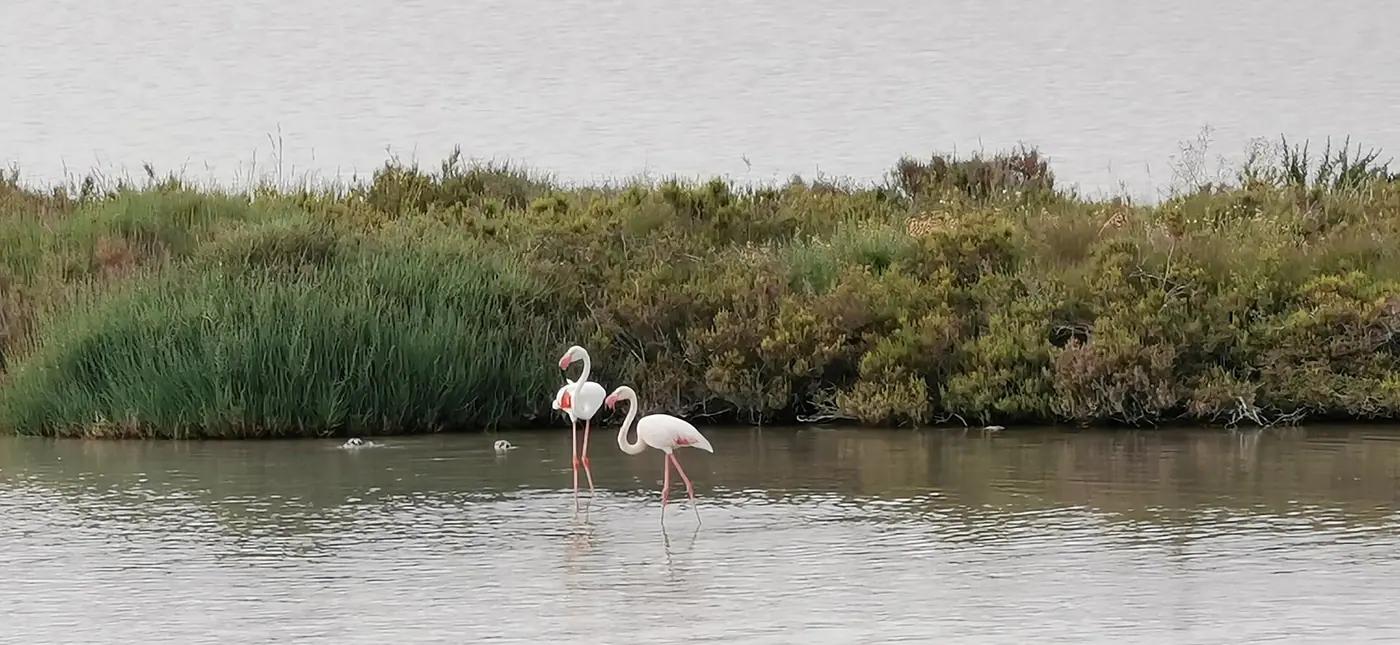
Sicily's wildlife lives on its edges and its volcano. The Vendicari reserve near Noto fills with greater flamingos, spoonbills and stilts and has loggerhead turtles nesting on its beaches; Etna's lava woods hide porcupines, pine martens and golden eagles; the Zingaro reserve has peregrines and Bonelli's eagles over the cliffs; and the Aeolian islands and the Strait of Messina give sperm whales, dolphins and leaping swordfish.
Sicily is big enough to be a country and its handful of AnimalDex captures so far, a red-veined darter and some farm ducks, barely scratch it. The island sits on the main bird migration route between Africa and Europe, which means spring and autumn deliver birds you will not see on the mainland.
Catania is the base for Etna and Vendicari, Palermo for the Zingaro reserve and the Madonie mountains, and Milazzo for the Aeolian boats. The whole island is also full of easy wall geckos, hoopoes, bee-eaters and Hermann's tortoises.
Why this location matters
Good location pages explain why the place is worth your time, not just which names belong on a destination checklist.
Vendicari and the beaches of south-east Sicily have become one of Italy's most important loggerhead nesting coasts, with volunteers guarding nests on busy public beaches each summer. The flamingo flocks that winter there are the biggest in Sicily.
Etna is a textbook of recolonisation, with porcupines, martens and raptors living on lava flows barely a century old, and the Zingaro reserve was Sicily's first protected area after locals blocked a coast road through it in 1980.
Where to look
Wildlife map of Sicily
This guide covers the region shown below. Zoom in to get your bearings before planning a trip.
Positions are geocoded from OpenStreetMap. Habitat access and opening times change — check locally before travelling. Smaller pins are public AnimalDex captures, placed to the nearest kilometre.
Field proof
Found in Sicily by AnimalDex users
Real captures logged in the AnimalDex app inside this area and shared publicly by their collectors, with the animal confirmed by the app's identification. Places are shown to the nearest region, never the exact spot.
- 3
- public captures
- 3
- species recorded
- 1
- collectors
- 2
- wild sightings
Recent captures from the field
Species people have actually logged here
Every name links to its species guide. The count is how many public captures of that animal sit inside this area.
Collectors choose to share these captures on Discover and can withdraw them at any time. Coordinates are rounded to about a kilometre and refreshed with each site build.
Animals to spot
These are intentionally practical species picks, balancing accessibility, excitement, and what travelers can realistically notice in the location.
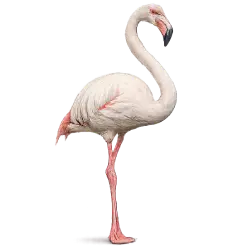
Greater FlamingoC
Hundreds winter on the Vendicari pantani south of Noto and on the Trapani salt pans, pink against the salt and the ruined tuna factory.
Spotting note: Reliable at Vendicari from September to March.
Read species guide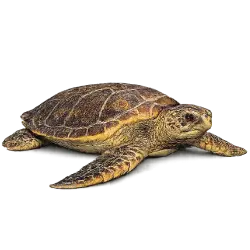
Loggerhead Sea TurtleC
Nests on Vendicari's Calamosche and Eloro beaches and along the south-east coast, with record nest counts in recent years; the Lampedusa rescue centre releases rehabilitated turtles.
Spotting note: Seasonal; cordoned nests June to August, hatchlings in late summer.
Read species guide
Black-winged StiltD
Wades the Vendicari lagoons and the Trapani salt pans on absurd pink legs, nesting on the pan banks in spring.
Spotting note: Common April to September in the salt pans.
Read species guide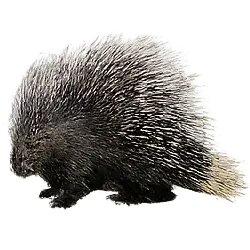
Crested PorcupineD
Common across Sicily's hills and the Etna lava woods; quills are a regular find along the Nebrodi and Madonie trails.
Spotting note: Nocturnal; quills are easy, the animal is luck on a night drive.
Read species guide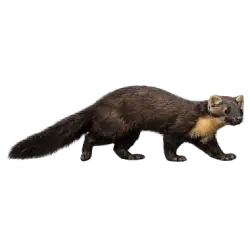
Pine MartenC
The Etna and Nebrodi forests hold Sicily's martens, which raid the pistachio and chestnut groves on the volcano's lower slopes.
Spotting note: Rare to see; dusk on the Etna forest roads above Zafferana.
Read species guide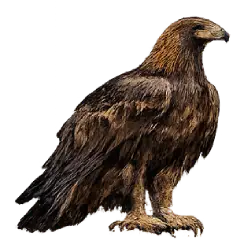
Golden EagleA
A few pairs breed on Etna's cliffs and in the Nebrodi and Madonie mountains, soaring over the lava fields in summer.
Spotting note: Scarce; scan the Valle del Bove rim on clear mornings.
Read species guide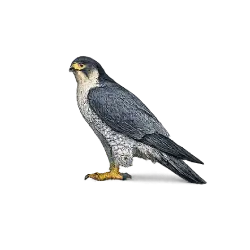
Peregrine FalconB
Nests on the Zingaro reserve cliffs, the Scala dei Turchi and the Aeolian island crags, hunting over the sea.
Spotting note: Regular along the Zingaro coastal path.
Read species guide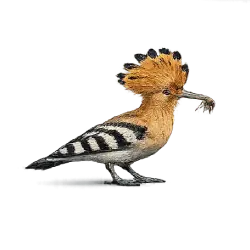
HoopoeD
Probes the Zingaro reserve's dry grassland and the Val di Noto almond groves, calling its soft three-note name in spring.
Spotting note: Common from March to September.
Read species guide
Hermann's TortoiseE
Wild tortoises still graze the scrub of the Zingaro, the Madonie foothills and the south-east pantani edges.
Spotting note: Uncommon; warm spring mornings on the Zingaro paths.
Read species guide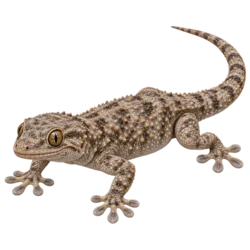
Common Wall GeckoE
The chunky Moorish gecko on every Sicilian wall and hotel light after dark, from Palermo to Syracuse.
Spotting note: Guaranteed on warm nights.
Read species guide
European Bee-eaterD
Colonies dig into the sandy banks of the Simeto and Platani rivers, and migrating flocks pour over the island in April and September.
Spotting note: Common April to September.
Read species guide
SwordfishA
The Strait of Messina is the swordfish's famous Mediterranean spawning ground, still hunted from the traditional feluca boats with a lookout tower.
Spotting note: Seasonal; seen leaping from Messina boats in June and July.
Read species guide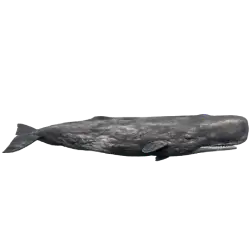
Sperm WhaleS
The deep water off the Aeolian islands is a sperm whale hotspot; boats from Milazzo and Lipari run dedicated trips in summer.
Spotting note: Regular but not guaranteed on Aeolian whale trips.
Read species guide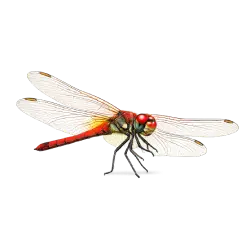
Red-veined DarterE
A southern dragonfly of warm, shallow pools and salt-pan edges, already logged by a Sicilian user and common across the island.
Spotting note: Common May to October around still water.
Read species guideBest for
Use this section to decide whether the location fits your travel style, skill level, and AnimalDex goals.
- Flamingos, stilts and nesting turtles at Vendicari
- Porcupines, martens and eagles on Etna and in the Nebrodi
- Cliff birds and tortoises along the Zingaro coastal path
- Sperm whales and dolphins from the Aeolian islands
Spotting tips
These tips are meant to make the page useful in the field, not just readable on the page.
- 01Vendicari's hides face east; visit in the morning for flamingos and waders with the light behind you.
- 02Drive Etna's forest roads above Zafferana or Nicolosi at dusk for porcupines, martens and foxes crossing the lava.
- 03Spring migration peaks in late April, when bee-eaters, honey buzzards and harriers cross the Strait of Messina in thousands.
- 04Never approach a cordoned turtle nest, and keep lights off on south-east beaches in August when hatchlings emerge.
Virtual Wildlife Guides
Wildlife guides to Sicily
AnimalDex builds virtual guides from explorers' own wild sightings: which animals they found, how rare they are, and when. A guide is advice from someone who has been there, not a tour. Buying one unlocks the author's notes for every animal, a chat with the author, and introductions to local people they met. Wildlife is never guaranteed.
Checking for virtual guides to Sicily...
How to choose a local wildlife guide in Sicily
- Ask what they usually find in the season you are visiting. A good guide gives an honest answer, not a promised sighting.
- Check how they treat animals: no baiting, calling in, handling, or close flash photography for a better shot.
- Confirm the meeting area, duration, group size, total price, and how you pay before the day, plus any permits or park fees the place requires.
Track the animals you find in Sicily
Build your collection while you travel through Sicily, from easy wins to the species worth planning around.
Related tier lists
These tier lists add broader context around the species that make this location interesting.
100 Fastest Animals in the World
Ranked list of the fastest animals in the world, with land, flying, and marine speed kept separate so a diving falcon is not treated as the same kind of fast as a cheetah.
Read tier listRelated locations
Keep exploring with nearby or similar destinations that support the same kind of AnimalDex discovery.
Animals in Italy: What You Can Spot, Learn, and Collect
Italy's wildlife from the Alps to Sicily: Gran Paradiso ibex, Apennine wolves, Marsican bears, Pelagos fin whales, loggerhead turtles, flamingos, porcupines and gulls.
Read location guideAnimals on the Amalfi Coast and in Campania: What You Can Spot, Learn, and Collect
Wildlife of the Amalfi Coast, Vesuvius and Cilento: Monti Lattari peregrines, Vesuvius foxes, Cilento wolves, otters and porcupines, Naples bay dolphins and turtles.
Read location guideAnimals in Liguria: What You Can Spot, Learn, and Collect
Liguria wildlife: fin whales, sperm whales and dolphins in the Pelagos sanctuary, Genoa Aquarium sharks, Cinque Terre lizards and boar, Portofino octopus, Alpine wolves.
Read location guideLocation FAQ
Short direct answers to the questions travelers usually ask before choosing a wildlife destination or zoo day.
What wildlife is there in Sicily?
Greater flamingos, spoonbills and black-winged stilts at Vendicari and Trapani; loggerhead turtles nesting on the south-east beaches; porcupines, pine martens, wildcats and golden eagles on Etna and in the Nebrodi; peregrines and tortoises in the Zingaro; sperm whales and dolphins off the Aeolians.
What animals can be found on Mount Etna?
Red foxes, crested porcupines, pine martens, wildcats, rabbits, hares and over 100 bird species including golden eagles, peregrines and rock partridges, all living on lava flows that are sometimes under a century old.
Are there snakes in Sicily?
Yes, but only the asp viper is venomous and it is rare and shy. Western whip snakes, leopard snakes and ladder-like four-lined snakes are harmless and far more often seen.
When is the best time for wildlife in Sicily?
April and May for migration, tortoises and bee-eaters; June to August for turtle nests and whale trips; October to March for the flamingo flocks at Vendicari.
Have AnimalDex users found animals in Sicily?
Yes. AnimalDex users have publicly logged 3 captures of 3 different species in Sicily, including goldfish, muscovy duck, red-veined darter. Each one was photographed in the app at the moment of the sighting.
How do I find a wildlife guide to Sicily?
Check the Wildlife Guides section on this page or browse Wildlife Guides on AnimalDex. Each one is a virtual guide built from an explorer's own wild sightings around Sicily: the animals they found, how rare they are, and when. It is advice from someone who has been there, not a tour. If you want someone with you on the day, compare local guides on wildlife knowledge, how they treat animals, and clear pricing before you go.