

Animals in Italy: What You Can Spot, Learn, and Collect
Italy's wildlife from the Alps to Sicily: Gran Paradiso ibex, Apennine wolves, Marsican bears, Pelagos fin whales, loggerhead turtles, flamingos, porcupines and gulls.
Quick answer
Start with the direct answer, then use the sections below to see why the location matters and which animals are actually realistic to spot there.
Italy has more large carnivores than any other Western European country: around 3,000 Apennine wolves, Marsican brown bears in Abruzzo, Alpine brown bears in Trentino and a growing lynx presence in the Alps. Add Alpine ibex in the Gran Paradiso, crested porcupines across the centre and south, fin and sperm whales in the Pelagos sanctuary, loggerhead turtles nesting in Sicily and Calabria, and flamingos on the Po delta and Sardinian lagoons.
The Italian captures in AnimalDex are split between the Genoa Aquarium's sharks and sturgeon and everyday wild finds: yellow-legged gulls on Ligurian harbours, great egrets and coypu in the Piedmont rice fields, wall lizards, hornets and a Kuhl's pipistrelle hunting around a streetlight. That is Italy as most people meet it.
This page is the overview. Liguria, the Amalfi Coast and Campania, and Sicily each have their own page with the parks, boat trips and coasts worth planning around.
Why this location matters
Good location pages explain why the place is worth your time, not just which names belong on a destination checklist.
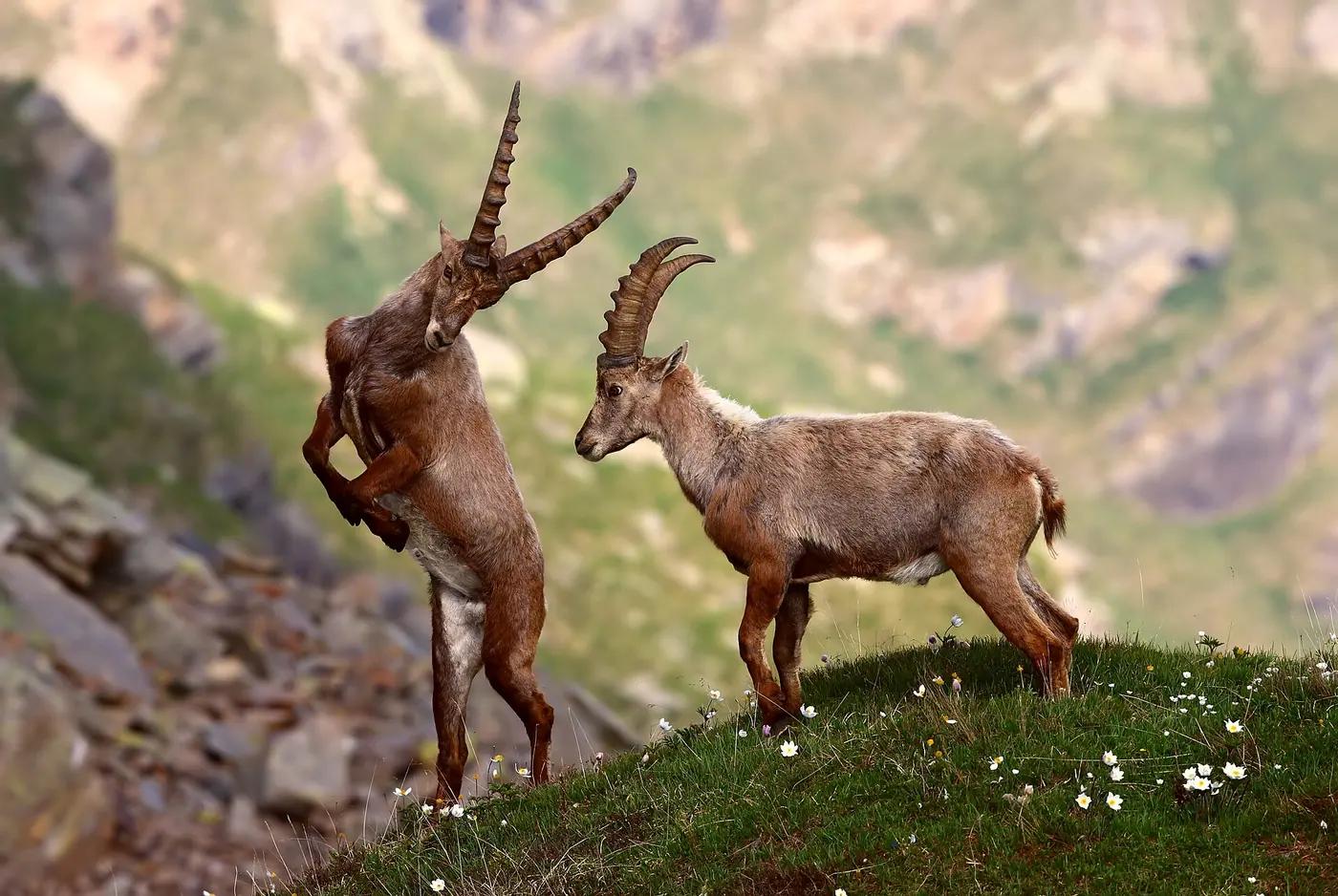
Italy never lost its wolves. The Apennine population held on through the 20th century when the rest of Western Europe's were shot out, and it is the source of the wolves now in France and Switzerland. The Gran Paradiso ibex are likewise the ancestors of every Alpine herd.
The country is also a frontline for marine conservation: the Pelagos sanctuary between Liguria, Corsica and Sardinia is the Mediterranean's richest cetacean area, and Italy's southern beaches are seeing record loggerhead nesting.
Where to look
Wildlife map of Italy
This guide covers the region shown below. Zoom in to get your bearings before planning a trip.
Positions are geocoded from OpenStreetMap. Habitat access and opening times change — check locally before travelling. Smaller pins are public AnimalDex captures, placed to the nearest kilometre.
Field proof
Found in Italy by AnimalDex users
Real captures logged in the AnimalDex app inside this area and shared publicly by their collectors, with the animal confirmed by the app's identification. Places are shown to the nearest region, never the exact spot.
- 31
- public captures
- 28
- species recorded
- 7
- collectors
- 17
- wild sightings
Recent captures from the field
Species people have actually logged here
Every name links to its species guide. The count is how many public captures of that animal sit inside this area.
- European Sturgeon2 captures
- House Fly2 captures
- Yellow-legged Gull2 captures
- Blue Tang1 capture
- Bluespine Unicornfish1 capture
- Cichlid1 capture
- Click Beetle1 capture
- Common Darter1 capture
- Common Wall Lizard1 capture
- Coypu1 capture
- Domestic Pigeon1 capture
- European Hornet1 capture
- Goldfish1 capture
- Gray Angelfish1 capture
- Great Egret1 capture
- Greater Amberjack1 capture
- Hermit Crab1 capture
- Kuhl's Pipistrelle Bat1 capture
- Leopard Shark1 capture
- Moorish Idol1 capture
- Muscovy Duck1 capture
- Ray1 capture
- Red Ant1 capture
- Red-veined Darter1 capture
- Shield & Stink Bug1 capture
- Snail1 capture
- Yellowjacket & Hornet1 capture
- Zebra Shark1 capture
Collectors choose to share these captures on Discover and can withdraw them at any time. Coordinates are rounded to about a kilometre and refreshed with each site build.
Animals to spot
These are intentionally practical species picks, balancing accessibility, excitement, and what travelers can realistically notice in the location.
Alpine IbexC
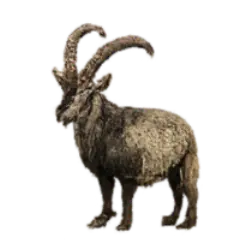
The Gran Paradiso herd is the species' only surviving original population, saved as a royal hunting reserve in 1856 and now around 3,000 strong above Cogne and Valsavarenche.
Spotting note: Guaranteed above 2,200 m in the Gran Paradiso in summer.
Read species guide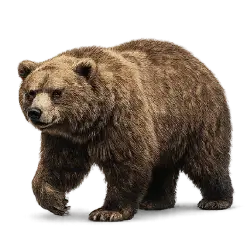
Brown BearA
The Marsican subspecies clings on in Abruzzo's national park, around 60 animals, and a separate Alpine population of about 100 lives in Trentino.
Spotting note: Rare; the Abruzzo villages of Villalago and Pescasseroli have the best odds in autumn.
Read species guide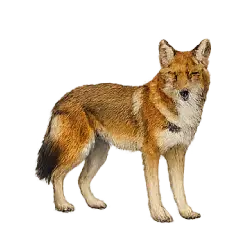
WolfC
The Apennine wolf never disappeared and now numbers around 3,000 across the peninsula and the Alps, with packs even on the edge of Rome and Florence.
Spotting note: Rare to see; the Abruzzo and Casentino forests are the best chance.
Read species guide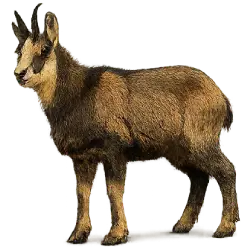
ChamoisC
Alpine chamois are common in every Alpine park; the separate Apennine chamois was rescued from near-extinction in Abruzzo and is now on the Gran Sasso and Majella too.
Spotting note: Reliable on steep slopes in the Alps and Abruzzo at dawn.
Read species guide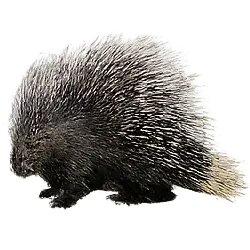
Crested PorcupineD
Europe's only porcupine lives across central and southern Italy, from the Tuscan Maremma to Sicily; quills on a woodland path are a common find.
Spotting note: Nocturnal and fairly common; quills are easier than the animal.
Read species guide
Fin WhaleA
The Pelagos sanctuary off Liguria and Tuscany holds the Mediterranean's fin whale population; whale-watching boats run from Genoa, Savona and Imperia.
Spotting note: Frequent on summer trips from the Ligurian coast.
Read species guide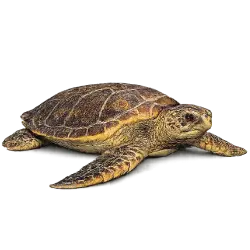
Loggerhead Sea TurtleC
Nests on beaches in Sicily, Calabria, Puglia and Lampedusa, with record numbers in recent summers; rescue centres on Lampedusa and in Sicily release rehabilitated animals.
Spotting note: Seasonal; nests June to August, often cordoned off on public beaches.
Read species guide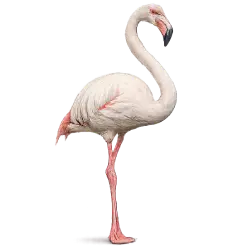
Greater FlamingoC
Breeds in Sardinia's Molentargius lagoon inside Cagliari and on the Po delta, and winters at Vendicari in Sicily and the Orbetello lagoon.
Spotting note: Guaranteed at Molentargius; reliable at Vendicari in winter.
Read species guide
Yellow-legged GullD
The most captured wild bird in Italian AnimalDex data, owning every harbour from Genoa to Palermo and nesting on Venetian and Roman rooftops.
Spotting note: Guaranteed on any coast.
Read species guide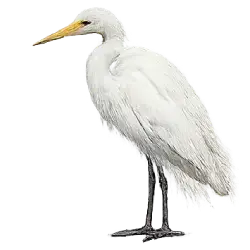
Great EgretD
Stalks the flooded rice paddies of Piedmont and Lombardy and the Po delta; logged by users in the Vercelli rice country.
Spotting note: Common in the northern wetlands, especially in winter.
Read species guide
Common Wall LizardE
Darts over every ruin, wall and pavement from the Alps to Naples; the lizard that fills Italian captures.
Spotting note: Very common from March to November.
Read species guide
European HornetE
The big, mostly placid native hornet of Italian woodland and old farm buildings, drawn to fruit and sap in late summer and already in the capture data.
Spotting note: Common in late summer; much less aggressive than wasps.
Read species guide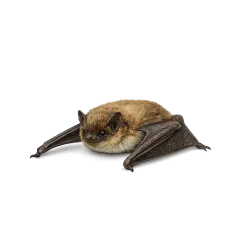
Kuhl's Pipistrelle BatE
The bat flickering around streetlights in Italian towns on warm evenings, including a Liguria capture; it roosts in building crevices.
Spotting note: Very common at dusk from spring to autumn.
Read species guide
Rose-ringed ParakeetD
Established in Rome's Villa Borghese and Villa Pamphili parks, in Genoa's Nervi gardens and around Palermo, loud and bright green.
Spotting note: Reliable in Rome's big parks.
Read species guideBest for
Use this section to decide whether the location fits your travel style, skill level, and AnimalDex goals.
- Alpine ibex, chamois and marmots in the Gran Paradiso and Stelvio
- Wolves and Marsican bears in the Abruzzo national park
- Whales and dolphins in the Pelagos sanctuary off Liguria
- Mediterranean coast and city wildlife on an ordinary holiday
Spotting tips
These tips are meant to make the page useful in the field, not just readable on the page.
- 01Gran Paradiso ibex are easiest from the Valnontey or Valsavarenche trailheads in July and August; they sit on the trail at dawn.
- 02For Marsican bears, stay in Villalago or Pescasseroli in September and October and watch the valley slopes with a scope at dusk.
- 03Pelagos whale trips run June to September from Genoa and Imperia; fin whales are commonest in July and August.
- 04Walk any ancient site at midday for wall lizards and geckos, and look under streetlights at dusk for Kuhl's pipistrelles.
Virtual Wildlife Guides
Wildlife guides to Italy
AnimalDex builds virtual guides from explorers' own wild sightings: which animals they found, how rare they are, and when. A guide is advice from someone who has been there, not a tour. Buying one unlocks the author's notes for every animal, a chat with the author, and introductions to local people they met. Wildlife is never guaranteed.
Checking for virtual guides to Italy...
How to choose a local wildlife guide in Italy
- Ask what they usually find in the season you are visiting. A good guide gives an honest answer, not a promised sighting.
- Check how they treat animals: no baiting, calling in, handling, or close flash photography for a better shot.
- Confirm the meeting area, duration, group size, total price, and how you pay before the day, plus any permits or park fees the place requires.
Track the animals you find in Italy
Build your collection while you travel through Italy, from easy wins to the species worth planning around.
Related tier lists
These tier lists add broader context around the species that make this location interesting.
Biggest Animals in the World
A structured ranking of the biggest animals in the world, using the AnimalDex size stat to compare body scale across sea, land, and air.
Read tier listRelated locations
Keep exploring with nearby or similar destinations that support the same kind of AnimalDex discovery.
Animals in Liguria: What You Can Spot, Learn, and Collect
Liguria wildlife: fin whales, sperm whales and dolphins in the Pelagos sanctuary, Genoa Aquarium sharks, Cinque Terre lizards and boar, Portofino octopus, Alpine wolves.
Read location guideAnimals on the Amalfi Coast and in Campania: What You Can Spot, Learn, and Collect
Wildlife of the Amalfi Coast, Vesuvius and Cilento: Monti Lattari peregrines, Vesuvius foxes, Cilento wolves, otters and porcupines, Naples bay dolphins and turtles.
Read location guideAnimals in Sicily: What You Can Spot, Learn, and Collect
Sicily wildlife: flamingos and loggerhead nests at Vendicari, porcupines and martens on Etna, eagles over the Zingaro cliffs, Aeolian sperm whales and Messina swordfish.
Read location guideLocation FAQ
Short direct answers to the questions travelers usually ask before choosing a wildlife destination or zoo day.
What wildlife is there in Italy?
Apennine wolves, Marsican and Alpine brown bears, Alpine ibex, chamois, red deer, wild boar and crested porcupines on land; fin whales, sperm whales, striped dolphins and loggerhead turtles at sea; flamingos, bee-eaters, hoopoes and golden eagles among the birds.
What animals can be found in Italy?
Over 100 mammal species including wolf, bear, lynx, ibex, chamois, porcupine, wildcat and 30 kinds of bat; 10 species of marine mammal in the Pelagos sanctuary; Hermann's tortoises, pond turtles, wall lizards and several harmless snakes; and around 500 recorded birds.
Are there dangerous animals in Italy?
The asp viper is the only medically significant animal and bites are rare and almost never fatal. Wild boar cause road accidents, wolves and bears avoid people, and the real risks are ticks, jellyfish stings and weever fish on sandy beaches.
Where is the best place to see wildlife in Italy?
The Gran Paradiso for ibex and marmots, Abruzzo for wolves and bears, the Pelagos sanctuary off Liguria for whales, Vendicari in Sicily for flamingos and turtles, and the Po delta for waterbirds.
Have AnimalDex users found animals in Italy?
Yes. AnimalDex users have publicly logged 31 captures of 28 different species in Italy, including european sturgeon, house fly, yellow-legged gull, blue tang. Each one was photographed in the app at the moment of the sighting.
How do I find a wildlife guide to Italy?
Check the Wildlife Guides section on this page or browse Wildlife Guides on AnimalDex. Each one is a virtual guide built from an explorer's own wild sightings around Italy: the animals they found, how rare they are, and when. It is advice from someone who has been there, not a tour. If you want someone with you on the day, compare local guides on wildlife knowledge, how they treat animals, and clear pricing before you go.