

Animals in Bogor: What You Can Spot, Learn, and Collect
Bogor wildlife guide: the Botanical Gardens' flying fox roost, silvery gibbons in Gede Pangrango, Cisarua's slow loris, and Taman Safari's tigers and elephants.
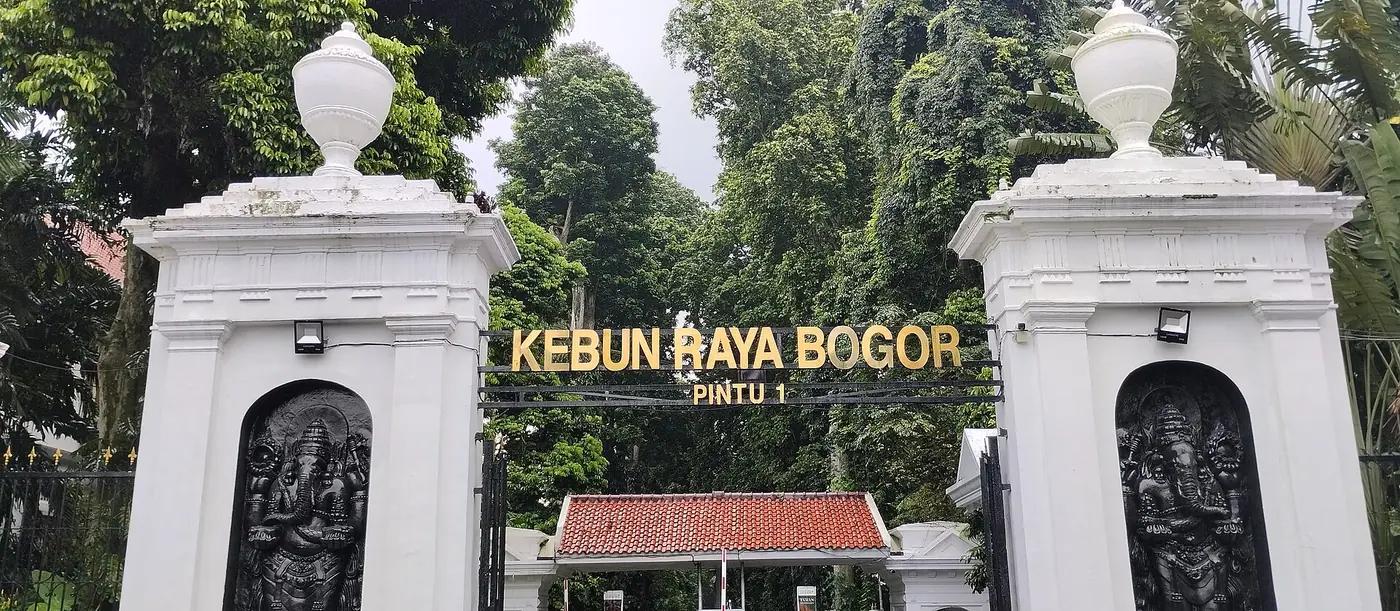
Quick answer
Start with the direct answer, then use the sections below to see why the location matters and which animals are actually realistic to spot there.
Bogor is the wettest city on Java and its wildlife reflects that. The Botanical Gardens in the centre hold a famous large flying fox roost plus orioles, flamebacks and magpie-robins; Gede Pangrango National Park above Cibodas has silvery gibbons, Javan surili and macaques; the Cisarua tea country is slow loris habitat; and Taman Safari Indonesia at Cisarua is where most visitors photograph Sumatran tigers, elephants, sun bears and baboons.
An hour south of Jakarta, Bogor has been the capital's green escape since the Dutch built a palace and a botanical garden there. The garden is still the best urban wildlife site in Greater Jakarta: 87 hectares of old trees with a colony of flying foxes hanging over the ponds in daylight.
Beyond the city the road climbs through Cisarua's tea estates to Puncak and the Gede Pangrango forest. Taman Safari Indonesia sits halfway up and dominates the local capture record, but the forest above it is where Java's endangered gibbon still sings.
Why this location matters
Good location pages explain why the place is worth your time, not just which names belong on a destination checklist.
Gede Pangrango is the oldest national park on Java and one of the last strongholds of the silvery gibbon, with a trail from Cibodas that gets you into gibbon forest within an hour's walk.
Taman Safari Indonesia is the country's largest safari park and a serious conservation breeder of Sumatran tigers and elephants. Knowing which of its animals are Indonesian and which are not makes the drive-through more than a photo stop.
Where to look
Wildlife map of Bogor
This guide covers the region shown below. Zoom in to get your bearings before planning a trip.
Positions are geocoded from OpenStreetMap. Habitat access and opening times change — check locally before travelling. Smaller pins are public AnimalDex captures, placed to the nearest kilometre.
Field proof
Found in Bogor by AnimalDex users
Real captures logged in the AnimalDex app inside this area and shared publicly by their collectors, with the animal confirmed by the app's identification. Places are shown to the nearest region, never the exact spot.
- 8
- public captures
- 8
- species recorded
- 4
- collectors
- 6
- wild sightings
Recent captures from the field
Species people have actually logged here
Every name links to its species guide. The count is how many public captures of that animal sit inside this area.
Collectors choose to share these captures on Discover and can withdraw them at any time. Coordinates are rounded to about a kilometre and refreshed with each site build.
Animals to spot
These are intentionally practical species picks, balancing accessibility, excitement, and what travelers can realistically notice in the location.

Large Flying FoxD
Hundreds roost in the tall trees of Bogor Botanical Gardens in daylight and stream out over the palace at dusk.
Spotting note: Guaranteed in the gardens; best from the pond side in the late afternoon.
Read species guide
Silvery GibbonB
Gede Pangrango's Cibodas trail enters gibbon forest within an hour; the dawn chorus carries across the valley.
Spotting note: Heard most mornings; seen on perhaps one walk in three.
Read species guide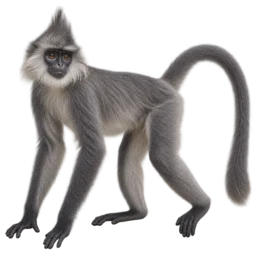
Javan SuriliC
Small grey leaf monkeys forage along the Cibodas trail toward Cibeureum waterfall and above the Telaga Warna tea estates.
Spotting note: Uncommon; quiet and easy to miss in the canopy.
Read species guide
Javan Slow LorisC
The Cisarua and Cipanas plantations are core loris habitat and the species is still trafficked from here, which is why a rescue centre works nearby.
Spotting note: Nocturnal and rare; a red torch on a plantation edge is the only chance.
Read species guide
Long-tailed MacaqueC
Troops meet walkers at the Cibodas gate and raid the Telaga Warna car park on the Puncak pass.
Spotting note: Guaranteed at Cibodas and Telaga Warna.
Read species guide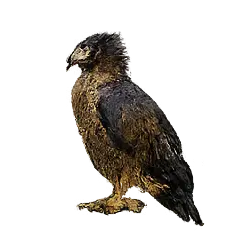
Crested Serpent EagleC
Circles the Gede Pangrango forest edge above Cibodas calling through the morning.
Spotting note: Regular on sunny mornings.
Read species guide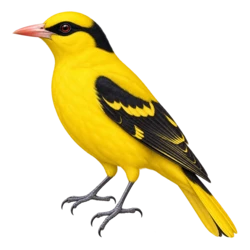
Black-naped OrioleD
A yellow flash and a fluting whistle in the tall figs of the Botanical Gardens.
Spotting note: Common in the gardens.
Read species guide Common FlamebackD
The common flameback woodpecker works the old trunks of the Botanical Gardens and is heard long before it is seen.
Spotting note: Regular in the gardens.
Read species guide
Oriental Magpie-RobinE
Sings from the garden lawns at dawn and hops around the café tables for crumbs.
Spotting note: Common in the gardens and city parks.
Read species guide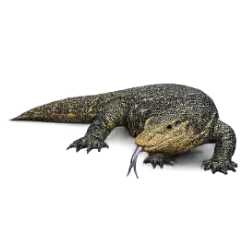
Water MonitorC
Hunts the Ciliwung river bank where it borders the Botanical Gardens and basks on the pond edges.
Spotting note: Regular around the garden ponds.
Read species guide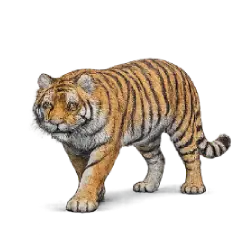
Sumatran TigerA
Taman Safari Indonesia at Cisarua breeds Sumatran tigers and shows them in the drive-through and the tiger house.
Spotting note: Captive only; guaranteed.
Read species guide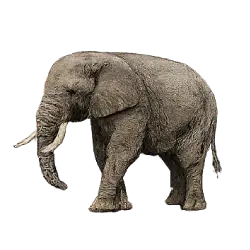
Asian ElephantA
Taman Safari's Sumatran elephant herd is one of the largest captive groups in Indonesia.
Spotting note: Captive only; guaranteed.
Read species guide
Sun BearB
Logged by users in Taman Safari's bear section; the species survives wild on Sumatra and Borneo but not Java.
Spotting note: Captive only.
Read species guide
Hamadryas BaboonB
The baboon troop in Taman Safari's drive-through climbs on cars and is the most-photographed primate on the route.
Spotting note: Captive only; keep windows closed.
Read species guideBest for
Use this section to decide whether the location fits your travel style, skill level, and AnimalDex goals.
- A flying fox roost in the middle of a city
- Gibbon forest walks from Cibodas
- Garden birds for beginners in Kebun Raya Bogor
- Indonesia's biggest safari park at Cisarua
Spotting tips
These tips are meant to make the page useful in the field, not just readable on the page.
- 01Enter the Botanical Gardens at 08:00 and head for the ponds; the flying foxes are visible all day but the birds are busiest early.
- 02For gibbons, be at the Cibodas gate when it opens and walk quietly uphill for the first hour; the chorus is loudest between 06:00 and 08:00.
- 03Bogor rains most afternoons year-round; plan every outdoor stop for the morning.
- 04At Taman Safari, drive the loop first thing and the baboon section with windows up; the animal shows later in the day are optional.
Virtual Wildlife Guides
Wildlife guides to Bogor
AnimalDex builds virtual guides from explorers' own wild sightings: which animals they found, how rare they are, and when. A guide is advice from someone who has been there, not a tour. Buying one unlocks the author's notes for every animal, a chat with the author, and introductions to local people they met. Wildlife is never guaranteed.
Checking for virtual guides to Bogor...
How to choose a local wildlife guide in Bogor
- Ask what they usually find in the season you are visiting. A good guide gives an honest answer, not a promised sighting.
- Check how they treat animals: no baiting, calling in, handling, or close flash photography for a better shot.
- Confirm the meeting area, duration, group size, total price, and how you pay before the day, plus any permits or park fees the place requires.
Track the animals you find in Bogor
Build your collection while you travel through Bogor, from easy wins to the species worth planning around.
Related tier lists
These tier lists add broader context around the species that make this location interesting.
Rarest Animals in the World
A structured ranking of the rarest animals in the world, blending scarcity, vulnerability, and conservation pressure to answer the overlap between rarest and most endangered wildlife.
Read tier listRelated locations
Keep exploring with nearby or similar destinations that support the same kind of AnimalDex discovery.
Animals You Can Spot in West Java
A practical West Java location guide built around realistic spotting opportunities across city edges, wetlands, coasts, and everyday green space.
Read location guideWildlife in Jakarta: Best Animals to Spot Near the City
A structured Jakarta wildlife guide focused on realistic city and near-city animal spotting, with practical routes for urban travelers, families, and zoo visitors.
Read location guideAnimals in Bandung: What You Can Spot, Learn, and Collect
Bandung wildlife guide: macaques in the Juanda forest park, surili, slow loris and scops owls in the Lembang hills, Tangkuban Perahu birds and Bandung Zoo.
Read location guideLocation FAQ
Short direct answers to the questions travelers usually ask before choosing a wildlife destination or zoo day.
What wildlife is there in Bogor?
Large flying foxes, orioles, flamebacks, magpie-robins and water monitors in the Botanical Gardens; silvery gibbons, Javan surili, macaques and serpent eagles in Gede Pangrango National Park; slow loris in the Cisarua plantations; and tigers, elephants, sun bears and baboons at Taman Safari Indonesia.
What animals can be found in Bogor?
The city's signature animal is the flying fox colony in Kebun Raya Bogor. Users also log macaques, monitors and garden birds wild, and tigers, elephants, sun bears and baboons at Taman Safari in Cisarua.
Can I see gibbons near Bogor?
Yes. Gede Pangrango National Park, entered at Cibodas about 90 minutes from Bogor, has silvery gibbons along the trail to Cibeureum waterfall. Start at dawn and listen for the chorus.
Is Taman Safari Bogor ethical?
It is a large, accredited safari park with breeding programmes for Sumatran tigers and elephants, and its animals have far more space than a city zoo. Skip the animal shows if that matters to you and focus on the drive-through.
Have AnimalDex users found animals in Bogor?
Yes. AnimalDex users have publicly logged 8 captures of 8 different species in Bogor, including black ant, carolina wolf spider, common earthworm, goldfish. Each one was photographed in the app at the moment of the sighting.
How do I find a wildlife guide to Bogor?
Check the Wildlife Guides section on this page or browse Wildlife Guides on AnimalDex. Each one is a virtual guide built from an explorer's own wild sightings around Bogor: the animals they found, how rare they are, and when. It is advice from someone who has been there, not a tour. If you want someone with you on the day, compare local guides on wildlife knowledge, how they treat animals, and clear pricing before you go.