Animals You Can Spot in West Java
A practical West Java location guide built around realistic spotting opportunities across city edges, wetlands, coasts, and everyday green space.
Quick answer
Start with the direct answer, then use the sections below to see why the location matters and which animals are actually realistic to spot there.
West Java is strongest when you stop chasing only rare icons and start using accessible habitats well. Wetland birds, sound-rich insect life, coastal species, and a few night or shoreline opportunities make it a better real-world spotting region than many people expect.
West Java is useful precisely because it rewards patient, practical observation. It is not the place to build a travel plan around impossible promises.
It is the place to get better at reading habitat, moving at the right time of day, and collecting the species that are actually there for prepared observers.
Why this location matters
Good location pages explain why the place is worth your time, not just which names belong on a destination checklist.
The region is good for travelers who want accessible discovery without jumping straight into highly specialized expedition logistics.
It also works as a bridge between city-based travel and more serious wildlife destinations deeper in Indonesia.
Where to find each animal in West Java
West Java stacks its habitats by altitude: mangrove and paddy on the north coast, tea and farmland across the middle, montane rainforest on Halimun-Salak and Gede, and surf-hit reef along the south coast.
Habitat zone
Halimun-Salak montane forest
Cloud forest and steep river valleys in the west of the province, the province's richest forest block.
6 animals mapped here
Habitat zone
North coast paddy & mangrove
Flat rice country, fishponds and mangrove fringe along the Java Sea.
4 animals mapped here
Habitat zone
South coast & Pelabuhan Ratu water
Open Indian Ocean swell, headland reef and turtle beaches on the province's wild side.
2 animals mapped here
Habitat zone
Bandung, tea terraces & kampung
Highland farmland, tea estates and the towns strung between them.
11 animals mapped here
Zones are habitat guidance, not guarantees. Pin positions mark the part of the region each animal is realistically worked for; the coastline is simplified for legibility.
Where to look
Wildlife map of West Java
This guide covers the region shown below. Zoom in to get your bearings before planning a trip.
Positions are geocoded from OpenStreetMap. Habitat access and opening times change — check locally before travelling. Smaller pins are public AnimalDex captures, placed to the nearest kilometre.
Field proof
Found in West Java by AnimalDex users
Real captures logged in the AnimalDex app inside this area and shared publicly by their collectors, with the animal confirmed by the app's identification. Places are shown to the nearest region, never the exact spot.
- 79
- public captures
- 69
- species recorded
- 10
- collectors
- 56
- wild sightings
Recent captures from the field
Species people have actually logged here
Every name links to its species guide. The count is how many public captures of that animal sit inside this area.
- Black Ant3 captures
- Saltwater Crocodile3 captures
- Brahminy Kite2 captures
- Eurasian Tree Sparrow2 captures
- Goldfish2 captures
- Red-bellied Pacu2 captures
- Reticulated Python2 captures
- Umbrella Cockatoo2 captures
- Agile Wallaby1 capture
- Apple Snail1 capture
- Asian Palm Civet1 capture
- Binturong1 capture
- Black Swan1 capture
- Black-and-white Colobus1 capture
- Black-headed Ibis1 capture
- Capybara1 capture
- Carolina Wolf Spider1 capture
- Common Earthworm1 capture
- Common House Gecko1 capture
- Common Marmoset1 capture
- Coppery Titi Monkey1 capture
- Dragonfly1 capture
- Eclectus Parrot1 capture
- Fischer's Lovebird1 capture
- Freshwater Crayfish1 capture
- Galah1 capture
- Giant African Land Snail1 capture
- Greater Flamingo1 capture
- Green Iguana1 capture
- Green Peafowl1 capture
- Hamadryas Baboon1 capture
- Hoopoe1 capture
- House Fly1 capture
- Indian Peafowl1 capture
- Indochinese Tiger1 capture
- Indonesian Blue-tongued Skink1 capture
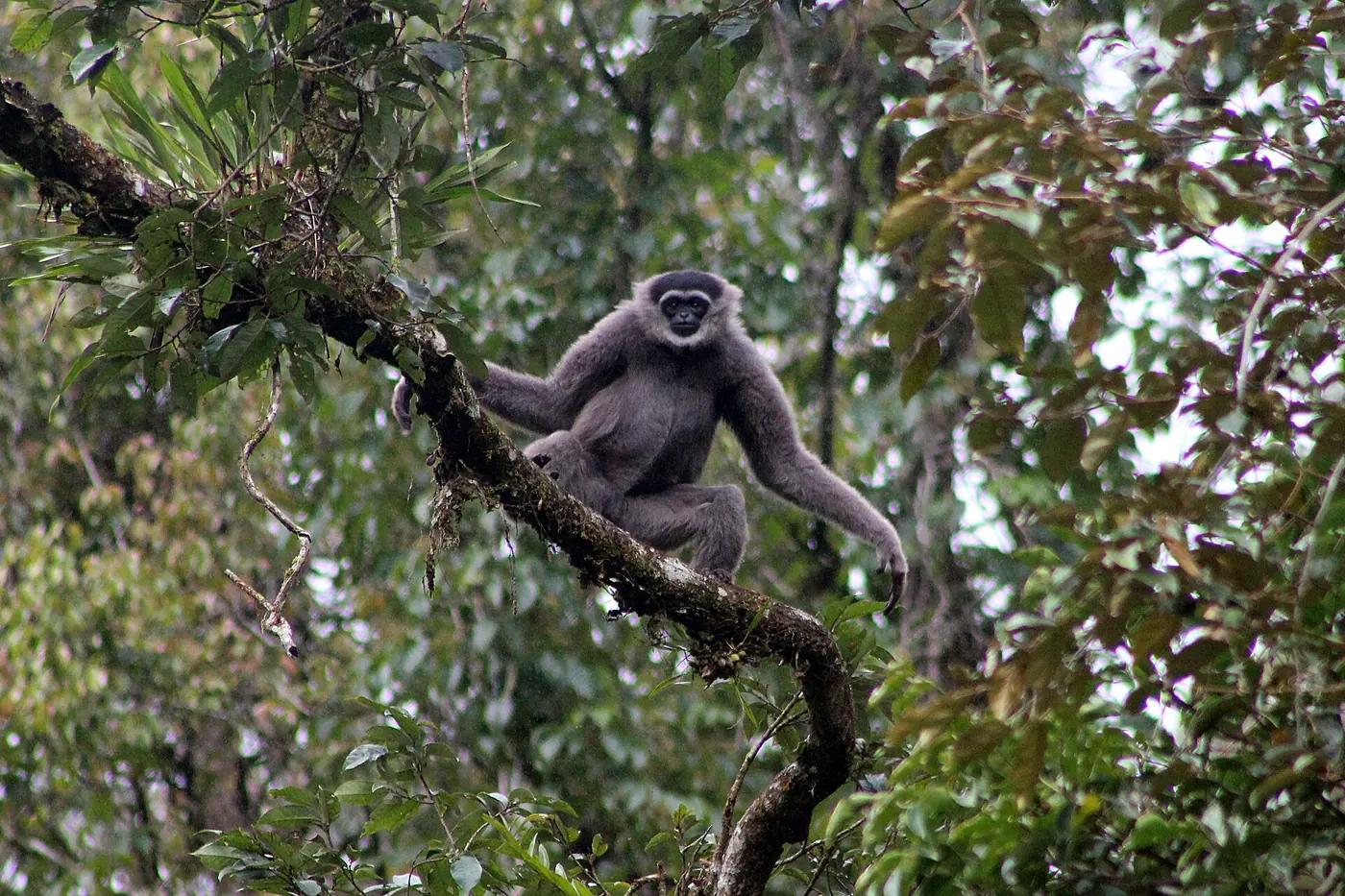
- Javan Surili1 capture
- Keel-billed Toucan1 capture
- Laughing Kookaburra1 capture
- Leopard Gecko1 capture
Collectors choose to share these captures on Discover and can withdraw them at any time. Coordinates are rounded to about a kilometre and refreshed with each site build.
Animals to spot
These are intentionally practical species picks, balancing accessibility, excitement, and what travelers can realistically notice in the location.
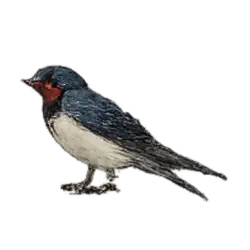
Barn SwallowD
A strong everyday species for open spaces, rural edges, and travel days that still count as real wildlife time.
Spotting note: Very practical collection anchor.
Read species guide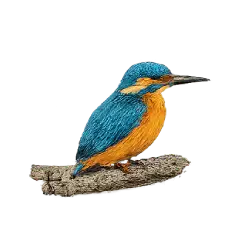
Common KingfisherD
One of the best region-wide birds for travelers who pay attention to calm water and greener edges.
Spotting note: Good early-morning target.
Read species guide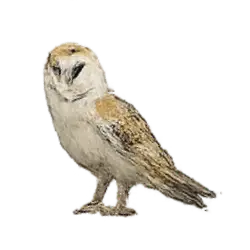
Barn OwlC
A compelling dusk or night-linked species for travelers who want one more atmospheric target beyond daytime birds.
Spotting note: Timing matters more than distance covered.
Read species guide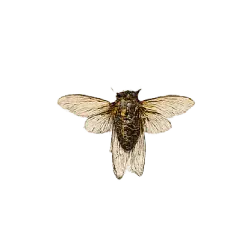
CicadaE
Useful for hearing the landscape properly and building smaller-species awareness instead of chasing only large visible wildlife.
Spotting note: Often a sound-first sighting.
Read species guide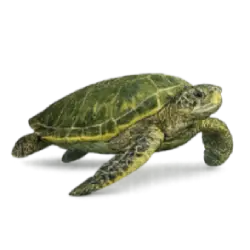
Green Sea TurtleC
A worthwhile coastal target when the trip includes shoreline or marine access rather than only inland movement.
Spotting note: More realistic on intentional coastal plans.
Read species guide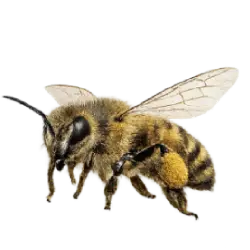
Honey BeeD
An easy but still valuable species for travelers using gardens, farms, and green patches as part of the wildlife story.
Spotting note: Accessible almost everywhere with flowers and calm attention.
Read species guide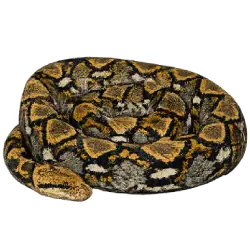
Reticulated PythonB
Reticulated Python adds realistic depth to the West Java animal list without forcing the page around one headline encounter.
Spotting note: Useful supporting species with the right habitat and timing.
Read species guide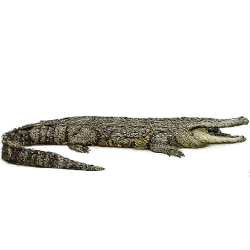
CrocodileC
Crocodile broadens the West Java page beyond the obvious targets and makes habitat-led spotting feel more complete.
Spotting note: Better treated as a realistic secondary target than a guaranteed sighting.
Read species guide
Monarch ButterflyE
Monarch Butterfly is a strong supporting species that helps West Java feel richer than a one-animal destination.
Spotting note: Strong add when you pay attention to habitat instead of chasing one flagship animal.
Read species guide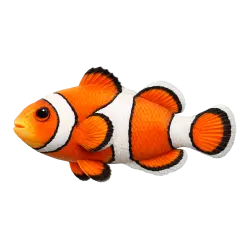
ClownfishE
Clownfish gives the West Java page more ecological range, not just more raw checklist count.
Spotting note: Meaningful supporting sighting rather than the only reason to choose the location.
Read species guide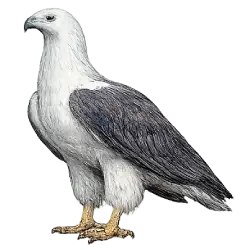
White-bellied Sea EagleB
White Bellied Sea Eagle adds realistic depth to the West Java animal list without forcing the page around one headline encounter.
Spotting note: Useful supporting species with the right habitat and timing.
Read species guide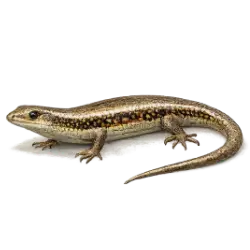
Common Sun SkinkD
Common Sun Skink broadens the West Java page beyond the obvious targets and makes habitat-led spotting feel more complete.
Spotting note: Better treated as a realistic secondary target than a guaranteed sighting.
Read species guide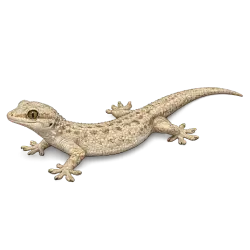
Common House GeckoE
Common House Gecko is a strong supporting species that helps West Java feel richer than a one-animal destination.
Spotting note: Strong add when you pay attention to habitat instead of chasing one flagship animal.
Read species guide
Tree FrogE
Tree Frog gives the West Java page more ecological range, not just more raw checklist count.
Spotting note: Meaningful supporting sighting rather than the only reason to choose the location.
Read species guide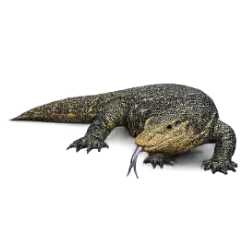
Water MonitorC
Water Monitor adds realistic depth to the West Java animal list without forcing the page around one headline encounter.
Spotting note: Useful supporting species with the right habitat and timing.
Read species guide
Javan MynaD
Javan Myna broadens the West Java page beyond the obvious targets and makes habitat-led spotting feel more complete.
Spotting note: Better treated as a realistic secondary target than a guaranteed sighting.
Read species guide
Common MynaD
Common Myna is a strong supporting species that helps West Java feel richer than a one-animal destination.
Spotting note: Strong add when you pay attention to habitat instead of chasing one flagship animal.
Read species guide
Asian Palm CivetD
Asian Palm Civet gives the West Java page more ecological range, not just more raw checklist count.
Spotting note: Meaningful supporting sighting rather than the only reason to choose the location.
Read species guide
Large Flying FoxD
Large Flying Fox adds realistic depth to the West Java animal list without forcing the page around one headline encounter.
Spotting note: Useful supporting species with the right habitat and timing.
Read species guide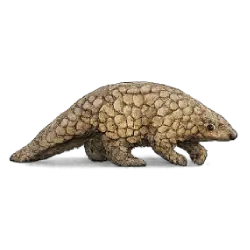
Sunda PangolinC
Sunda Pangolin broadens the West Java page beyond the obvious targets and makes habitat-led spotting feel more complete.
Spotting note: Better treated as a realistic secondary target than a guaranteed sighting.
Read species guide
Javan Slow LorisC
Javan Slow Loris is a strong supporting species that helps West Java feel richer than a one-animal destination.
Spotting note: Strong add when you pay attention to habitat instead of chasing one flagship animal.
Read species guide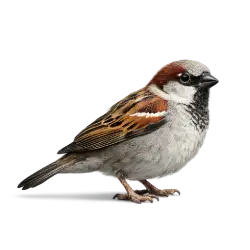
House SparrowE
House Sparrow gives the West Java page more ecological range, not just more raw checklist count.
Spotting note: Meaningful supporting sighting rather than the only reason to choose the location.
Read species guide
House FlyE
House Fly adds realistic depth to the West Java animal list without forcing the page around one headline encounter.
Spotting note: Useful supporting species with the right habitat and timing.
Read species guide
House CentipedeE
House Centipede broadens the West Java page beyond the obvious targets and makes habitat-led spotting feel more complete.
Spotting note: Better treated as a realistic secondary target than a guaranteed sighting.
Read species guideBest for
Use this section to decide whether the location fits your travel style, skill level, and AnimalDex goals.
- Travelers who want practical sightings without pretending every day is a major expedition.
- Beginners learning habitat-based spotting.
- Photographers who like birds, smaller species, and early light.
- Families making shorter regional trips from larger city bases.
Spotting tips
These tips are meant to make the page useful in the field, not just readable on the page.
- 01Use dawn and dusk well. West Java improves fast when you stop searching in the noisiest middle of the day.
- 02Follow water, edges, and quieter green pockets rather than only obvious tourist movement.
- 03Coastal additions should be intentional. Do not assume inland days will automatically deliver marine or shoreline species.
- 04If you want a stronger list, stack simple wins first and treat night or coastal sessions as bonus layers.
Virtual Wildlife Guides
Wildlife guides to West Java
AnimalDex builds virtual guides from explorers' own wild sightings: which animals they found, how rare they are, and when. A guide is advice from someone who has been there, not a tour. Buying one unlocks the author's notes for every animal, a chat with the author, and introductions to local people they met. Wildlife is never guaranteed.
Checking for virtual guides to West Java...
How to choose a local wildlife guide in West Java
- Ask what they usually find in the season you are visiting. A good guide gives an honest answer, not a promised sighting.
- Check how they treat animals: no baiting, calling in, handling, or close flash photography for a better shot.
- Confirm the meeting area, duration, group size, total price, and how you pay before the day, plus any permits or park fees the place requires.
Track the animals you find in West Java
Build your collection while you travel through West Java, from easy wins to the species worth planning around.
Related tier lists
These tier lists add broader context around the species that make this location interesting.
100 Most Adaptable Animals
The red fox is the most adaptable animal in our ranking, ahead of crows, wolves, peregrine falcons and leopards: the generalists that thrive anywhere.
Read tier listAnimals with the Best Eyesight
A structured ranking of animals with the best eyesight, separating long-range daytime acuity, low-light vision, motion detection, and unusual visual systems.
Read tier listRelated blog guides
Go deeper with practical field, travel, and animal-learning articles linked to this location.
How to identify animals in the wild (2026 guide)
How to identify animals in the wild: silhouette, size against known objects, behaviour, habitat and range maps, lookalike pairs and verifying AI scans.
Read blog articleRelated locations
Keep exploring with nearby or similar destinations that support the same kind of AnimalDex discovery.
Wildlife in Jakarta: Best Animals to Spot Near the City
A structured Jakarta wildlife guide focused on realistic city and near-city animal spotting, with practical routes for urban travelers, families, and zoo visitors.
Read location guideAnimals in Bali: What You Can Spot, Learn, and Collect
A practical Bali wildlife guide built around animals travelers can realistically spot, from birds and coastal species to high-value sightings that make the island feel richer than a resort-only trip.
Read location guideAnimals in Ujung Kulon: A Practical Wildlife Guide
A practical Ujung Kulon wildlife page that avoids overpromising rare flagship animals and instead focuses on realistic spotting around coasts, forests, and quieter habitat edges.
Read location guideLocation FAQ
Short direct answers to the questions travelers usually ask before choosing a wildlife destination or zoo day.
What animals are easiest to spot in West Java?
Birds, insects, and a few shoreline species are usually the most realistic answers for ordinary travelers.
Is West Java better for rare animals or practical wildlife spotting?
It is usually stronger as a practical spotting region unless you are traveling with a very specific expert-led target in mind.
Have AnimalDex users found animals in West Java?
Yes. AnimalDex users have publicly logged 79 captures of 69 different species in West Java, including black ant, saltwater crocodile, brahminy kite, eurasian tree sparrow. Each one was photographed in the app at the moment of the sighting.
How do I find a wildlife guide to West Java?
Check the Wildlife Guides section on this page or browse Wildlife Guides on AnimalDex. Each one is a virtual guide built from an explorer's own wild sightings around West Java: the animals they found, how rare they are, and when. It is advice from someone who has been there, not a tour. If you want someone with you on the day, compare local guides on wildlife knowledge, how they treat animals, and clear pricing before you go.