

Animals in Denmark: What You Can Spot, Learn, and Collect
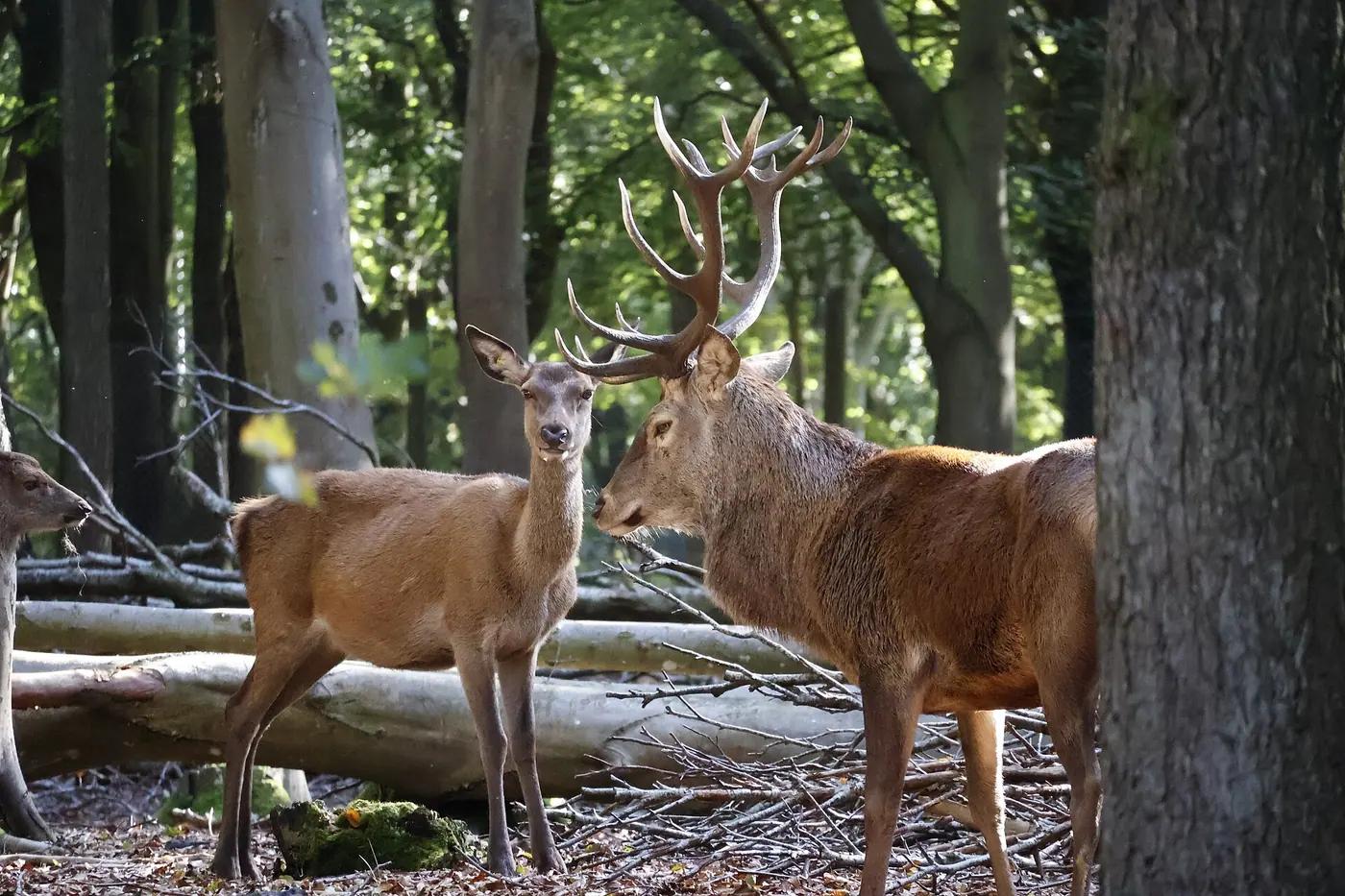
Denmark's wildlife: harbour seals on the Wadden Sea sandbanks, porpoises in the Little Belt, the Dyrehaven deer rut outside Copenhagen and gannets streaming past Skagen.
Quick answer
Start with the direct answer, then use the sections below to see why the location matters and which animals are actually realistic to spot there.
Denmark is a coastal country and its wildlife is coastal too: thousands of harbour seals on the Wadden Sea sandbanks, grey seals at Anholt and Rødsand, harbour porpoises so common in the Little Belt that Middelfart runs whale-watching trips, and gannets and seabirds streaming past Skagen. On land, Dyrehaven north of Copenhagen has 2,000 free-roaming deer, and golden eagles and red kites have returned to Jutland.
Denmark has no mountains, no wilderness and hardly any forest, and still manages to be a good wildlife destination because it has 7,000 kilometres of coast. The Wadden Sea National Park in the south-west is a UNESCO site of tidal flats where seals haul out at low water and millions of waders pass through in spring and autumn. The Little Belt between Jutland and Funen holds one of the densest harbour porpoise populations in the world.
The land is tame but not empty. Jægersborg Dyrehave, a royal deer park twenty minutes from central Copenhagen by train, has red, fallow and sika deer that have grazed the same oaks for 350 years, and the September rut there is the easiest big-mammal spectacle in Scandinavia. Foxes live in Copenhagen's cemeteries, mute swans nest on the city lakes, and Copenhagen Zoo adds polar bears and elephants to any collection.
Start with these animals
Why this location matters
Good location pages explain why the place is worth your time, not just which names belong on a destination checklist.
Denmark shows what returns when a crowded, farmed country decides to make room. Golden eagles bred here for the first time in 1999, red kites have gone from a handful of pairs to several hundred, white storks are back in southern Jutland and wolves recolonised West Jutland from Germany in 2012.
It is also unusually easy. Seal trips leave from Esbjerg and Fanø, porpoise boats from Middelfart, and Skagen, Dyrehaven and the Wadden coast are all reachable by train, so a wildlife itinerary needs no car and no guide.
Where to look
Wildlife map of Denmark
This guide covers the region shown below. Zoom in to get your bearings before planning a trip.
Positions are geocoded from OpenStreetMap. Habitat access and opening times change — check locally before travelling. Smaller pins are public AnimalDex captures, placed to the nearest kilometre.
Field proof
Found in Denmark by AnimalDex users
Real captures logged in the AnimalDex app inside this area and shared publicly by their collectors, with the animal confirmed by the app's identification. Places are shown to the nearest region, never the exact spot.
- 1
- public captures
- 1
- species recorded
- 1
- collectors
- 0
- wild sightings
Recent captures from the field
Species people have actually logged here
Every name links to its species guide. The count is how many public captures of that animal sit inside this area.
Collectors choose to share these captures on Discover and can withdraw them at any time. Coordinates are rounded to about a kilometre and refreshed with each site build.
Animals to spot
These are intentionally practical species picks, balancing accessibility, excitement, and what travelers can realistically notice in the location.
Harbor SealC
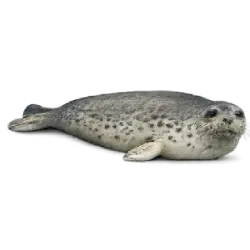
Several thousand harbour seals live in the Danish Wadden Sea, hauling out on the sandbanks off Rømø, Fanø and Mandø at low tide, where seal-safari boats and tractor-buses visit them.
Spotting note: Reliable on a Wadden Sea seal trip from Esbjerg, Fanø or Rømø at low water.
Read species guide
Grey SealB
Grey seals have recolonised Denmark and breed on the Totten reserve at Anholt in the Kattegat and at Rødsand off Lolland and Falster.
Spotting note: Regular at Anholt's north tip and from boats at Rødsand; uncommon elsewhere.
Read species guide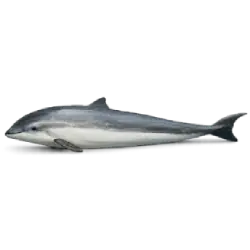
Harbor PorpoiseB
The Little Belt holds one of the world's densest porpoise populations, and Middelfart runs whale-watching trips in summer where sightings are near-certain.
Spotting note: Very likely from a Middelfart boat in summer; often seen from the Old Little Belt Bridge.
Read species guide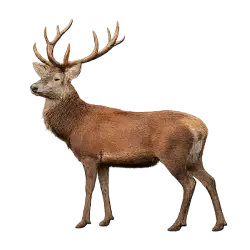
Red DeerB
Jægersborg Dyrehave's red deer stags roar across the open oak parkland every September and October, close enough to photograph from the gravel paths.
Spotting note: Guaranteed in Dyrehaven; the rut peaks around the first week of October.
Read species guide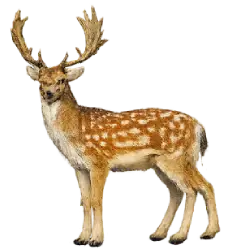
Fallow DeerC
Fallow deer make up the bulk of Dyrehaven's 2,000 animals, grazing in large mixed herds around the Hermitage hunting lodge and rutting a little after the red deer.
Spotting note: Guaranteed in Dyrehaven all year.
Read species guide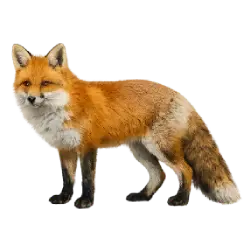
Red FoxC
Copenhagen's foxes trot through Assistens cemetery, the Frederiksberg gardens and suburban streets in broad daylight, as bold as any in Europe.
Spotting note: Common in the city at dawn and dusk.
Read species guide
Mute SwanC
Denmark's national bird nests on the Copenhagen lakes, the castle moats and every harbour, and winters in rafts of hundreds on the shallow fjords.
Spotting note: Guaranteed on any lake or harbour, all year.
Read species guide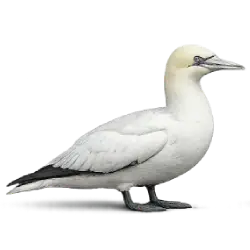
Northern GannetC
Gannets pass Grenen at Skagen, Denmark's northern tip, in a steady stream on autumn and spring seawatches, plunging into the meeting of the two seas.
Spotting note: Regular offshore at Skagen from August to October and in spring; bring a telescope.
Read species guide
Black-legged KittiwakeD
Bulbjerg, a limestone headland on the Jammerbugt coast of north-west Jutland, is Denmark's only bird cliff and holds a few hundred kittiwake pairs within arm's reach of the clifftop path.
Spotting note: Reliable at Bulbjerg from April to July; also nests on Hirtshals harbour buildings.
Read species guide
Pied AvocetC
Avocets breed on the Wadden Sea saltmarshes and at Tipperne on Ringkøbing Fjord, sweeping the shallow pools with their upturned bills.
Spotting note: Common on the west coast from April to August.
Read species guide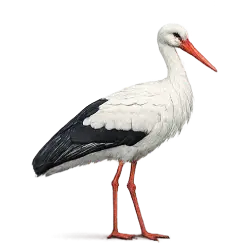
White StorkC
Storks were down to zero pairs in Denmark in 2008 and are back on nests in Smedager and other southern Jutland villages, with Ribe the historic stork town.
Spotting note: Uncommon; a handful of known nests in southern Jutland from April to August.
Read species guide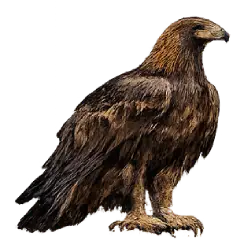
Golden EagleA
Golden eagles have bred in Denmark since 1999, with a few pairs in Lille Vildmose and the forests of north-east Jutland.
Spotting note: Rare; the Lille Vildmose towers in winter give the best odds.
Read species guide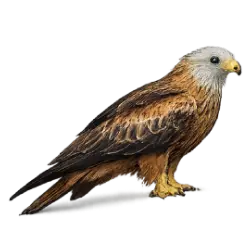
Red KiteC
Red kites have gone from near-extinct to several hundred Danish pairs and now drift over farmland across Jutland, Funen and Zealand.
Spotting note: Fairly common over farmland, especially in spring and autumn.
Read species guide
Common FrogE
Common frogs breed in every Danish pond, ditch and bog from March, and the wet meadows of the Wadden coast and Lille Vildmose are full of them.
Spotting note: Very common from March to October.
Read species guideBest for
Use this section to decide whether the location fits your travel style, skill level, and AnimalDex goals.
- Seal safaris on the Wadden Sea from Esbjerg, Fanø and Rømø
- Harbour porpoise boat trips from Middelfart on the Little Belt
- The red and fallow deer rut at Dyrehaven outside Copenhagen
- Seabird and raptor migration at Skagen and kittiwakes at Bulbjerg
Spotting tips
These tips are meant to make the page useful in the field, not just readable on the page.
- 01Seal trips depend on the tide; the sandbanks off Rømø and Fanø are only exposed for a few hours either side of low water, so check the tide table before booking.
- 02Dyrehaven is free and open all night; arrive at the Klampenborg station entrance an hour before sunset in late September for stags roaring in the open.
- 03At Skagen walk out to Grenen in the first hours of daylight on a day with onshore wind for gannets, skuas and passing seabirds.
- 04Middelfart's porpoise trips run from the old harbour in summer; a calm morning is best, and the Old Little Belt Bridge is a free vantage point.
Virtual Wildlife Guides
Wildlife guides to Denmark
AnimalDex builds virtual guides from explorers' own wild sightings: which animals they found, how rare they are, and when. A guide is advice from someone who has been there, not a tour. Buying one unlocks the author's notes for every animal, a chat with the author, and introductions to local people they met. Wildlife is never guaranteed.
Checking for virtual guides to Denmark...
How to choose a local wildlife guide in Denmark
- Ask what they usually find in the season you are visiting. A good guide gives an honest answer, not a promised sighting.
- Check how they treat animals: no baiting, calling in, handling, or close flash photography for a better shot.
- Confirm the meeting area, duration, group size, total price, and how you pay before the day, plus any permits or park fees the place requires.
Track the animals you find in Denmark
Build your collection while you travel through Denmark, from easy wins to the species worth planning around.
Related tier lists
These tier lists add broader context around the species that make this location interesting.
100 Most Adaptable Animals
Most adaptable animals ranked by habitat flexibility, behavioral range, and success in changing conditions — including the current AnimalDex number one.
Read tier listRelated locations
Keep exploring with nearby or similar destinations that support the same kind of AnimalDex discovery.
Animals in Sweden: What You Can Spot, Learn, and Collect
Sweden's wildlife: 300,000 moose, bears and wolverines in the north, arctic foxes at Helags, Sami reindeer in Lapland, Baltic grey seals and Stora Karlsö's seabirds.
Read location guideAnimals in Germany: What You Can Spot, Learn, and Collect
A practical Germany wildlife guide for forest edges, rivers, farmland margins, and the kind of steady species list that rewards patience instead of spectacle.
Read location guideAnimals in Norway: What You Can Spot, Learn, and Collect
A practical Norway wildlife guide built around cold coasts, northern atmosphere, and the species that make the country feel clean, open, and seasonally distinctive.
Read location guideLocation FAQ
Short direct answers to the questions travelers usually ask before choosing a wildlife destination or zoo day.
What wildlife is there in Denmark?
Denmark has harbour and grey seals, harbour porpoises, red, fallow and roe deer, foxes, badgers and hares, and a rich coastal birdlife of avocets, gannets, kittiwakes, geese and swans. Golden eagles, red kites, white storks and wolves have all returned in the last 25 years.
What animals can be found in Denmark?
Seals on the Wadden Sea sandbanks, porpoises in the Little Belt, deer in Dyrehaven and the Jutland plantations, kittiwakes at Bulbjerg and gannets off Skagen. Copenhagen itself has foxes, swans, hedgehogs and a zoo with polar bears and elephants.
Where can you see seals in Denmark?
The Wadden Sea National Park in south-west Jutland is best, with boat trips from Esbjerg and Fanø and tractor-bus tours from Rømø and Mandø to the sandbanks at low tide. Grey seals are at Anholt island and Rødsand.
Does Denmark have wolves?
Yes. Wolves returned to West Jutland from Germany in 2012 and a small number of packs now live around the Ulfborg plantations. They are almost never seen by visitors.
Have AnimalDex users found animals in Denmark?
Yes. AnimalDex users have publicly logged 1 captures of 1 different species in Denmark, including red swamp crayfish. Each one was photographed in the app at the moment of the sighting.
How do I find a wildlife guide to Denmark?
Check the Wildlife Guides section on this page or browse Wildlife Guides on AnimalDex. Each one is a virtual guide built from an explorer's own wild sightings around Denmark: the animals they found, how rare they are, and when. It is advice from someone who has been there, not a tour. If you want someone with you on the day, compare local guides on wildlife knowledge, how they treat animals, and clear pricing before you go.