

Animals in Jordan: What You Can Spot, Learn, and Collect
Jordan wildlife guide: Nubian ibex and hyraxes in Dana, Arabian oryx and onagers at Shaumari, Azraq wetland flamingos and storks, Aqaba's Red Sea reef and Wadi Rum.
Quick answer
Start with the direct answer, then use the sections below to see why the location matters and which animals are actually realistic to spot there.
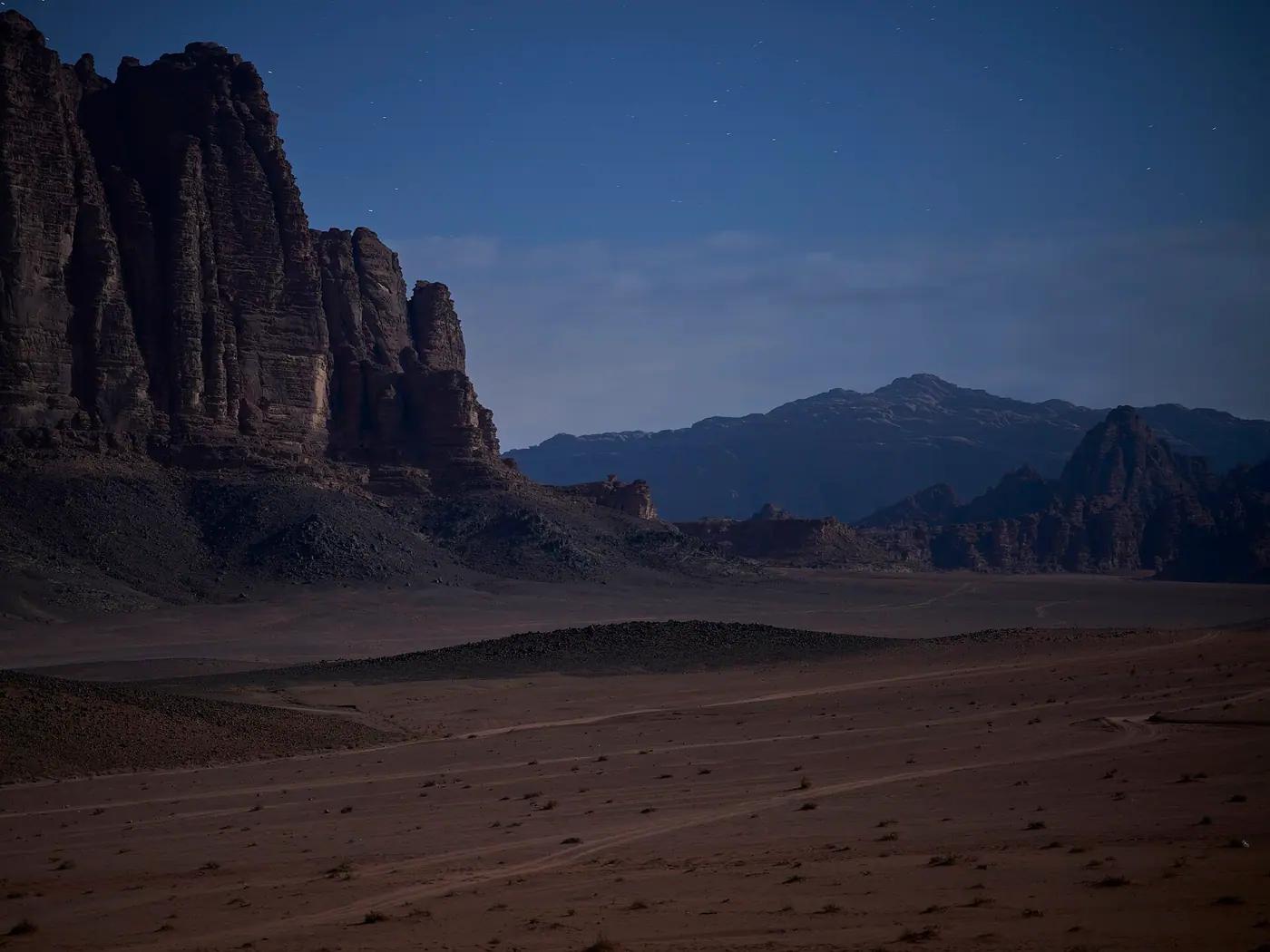
Jordan's wildlife sits in a chain of RSCN reserves. Dana Biosphere Reserve has Nubian ibex, rock hyrax, striped hyena and caracal on the cliffs above the Wadi Araba; Shaumari near Azraq breeds Arabian oryx and Persian onagers; Azraq wetland pulls flamingos, storks and millions of migrants through the desert each spring and autumn; Wadi Rum has camels, dhub lizards and blue Sinai agamas on the sandstone; and the Aqaba coast is the northern tip of the Red Sea reef, with lionfish, Napoleon wrasse and turtles a few metres off the beach.
Jordan is small and mostly desert, but it bridges Africa, Asia and Europe, which makes it a crossroads for animals as much as people. Dana, the country's biggest reserve, drops 1,600 metres from Mediterranean oak forest to Saharan sand in a single valley and holds ibex, hyenas, wolves and over 200 bird species. Mujib, on the Dead Sea shore, is the lowest nature reserve on earth, with ibex on its cliffs and hyraxes in its canyons.
Azraq oasis in the eastern desert was once a vast wetland; what remains is still a magnet for migrating birds, and the neighbouring Shaumari reserve is where the Arabian oryx was first bred back in the Middle East. At Aqaba, the Red Sea's northernmost coral reefs sit right off the public beaches and the marine park.
Why this location matters
Good location pages explain why the place is worth your time, not just which names belong on a destination checklist.
Shaumari was the first reserve in the region to bring the Arabian oryx back from captive stock in 1978, and Dana pioneered the idea that a reserve can fund local villages through ecotourism. Both models spread across the Middle East from here.
Jordan's position on the Rift Valley flyway means that hundreds of thousands of raptors, storks and pelicans pass over Aqaba and Azraq twice a year, one of the great bird migrations on the planet, visible from a hotel balcony.
Where to look
Wildlife map of Jordan
This guide covers the region shown below. Zoom in to get your bearings before planning a trip.
Positions are geocoded from OpenStreetMap. Habitat access and opening times change — check locally before travelling.
Animals to spot
These are intentionally practical species picks, balancing accessibility, excitement, and what travelers can realistically notice in the location.

Arabian OryxB
Shaumari Wildlife Reserve near Azraq holds the herd that began the species' return to the Middle East, viewed from the reserve's safari vehicles and watchtower.
Spotting note: Reliable at Shaumari (a fenced breeding reserve); also in Wadi Rum's protected area in small numbers.
Read species guide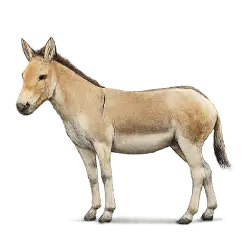
OnagerA
Persian onagers were brought to Shaumari to replace Jordan's extinct Syrian wild ass and now run alongside the oryx on the reserve's plains.
Spotting note: Reliable at Shaumari (managed herd).
Read species guide
Nubian IbexC
Dana Biosphere Reserve and the Mujib cliffs above the Dead Sea hold the strongest populations, and Mujib's reintroduced herd is seen from the reserve's trails and the Dead Sea road.
Spotting note: Regular at Mujib and Dana at dawn and dusk.
Read species guide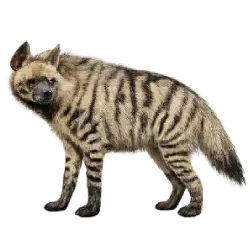
Striped HyenaB
Dana's night-time scavenger, leaving tracks on the Wadi Dana trail and sometimes seen in headlights on the roads around the reserve.
Spotting note: Uncommon; tracks and night sightings.
Read species guide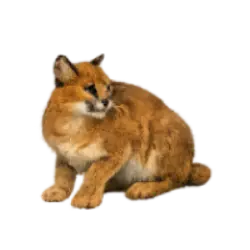
CaracalB
Hunts birds and rodents in Dana's rocky valleys and the Ajloun forests, and is camera-trapped regularly in both.
Spotting note: Rare; camera traps are the realistic record.
Read species guide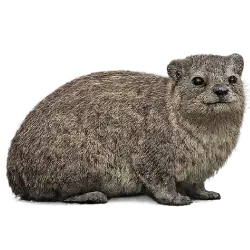
Rock HyraxD
Colonies sun themselves on the boulders at Petra, in Wadi Mujib's canyon and along the Dana trails, whistling alarms as hikers pass.
Spotting note: Common at Petra and Dana on sunny days.
Read species guide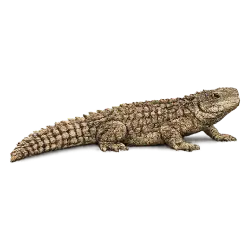
Spiny-tailed LizardC
Dhub lizards bask at burrow mouths on the gravel plains of Wadi Rum and the eastern desert around Azraq.
Spotting note: Common on warm mornings in Wadi Rum.
Read species guide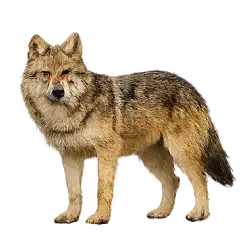
Golden JackalC
Jackals yip at dusk around Dana village, the Azraq fields and the Jordan valley farms, and trot along the Wadi Rum camp edges after the fires die down.
Spotting note: Heard most evenings in the reserves; seen in headlights on the Dana and Azraq roads.
Read species guide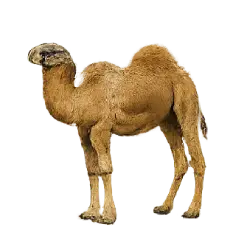
Dromedary CamelB
Bedouin camels carry visitors through Wadi Rum and graze free across the desert, and the camel race track at Disi hosts winter races.
Spotting note: Guaranteed in Wadi Rum; log as domestic.
Read species guide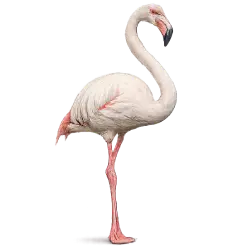
Greater FlamingoC
Flocks stop at the Azraq wetland pools on migration and a few winter when water levels allow.
Spotting note: Seasonal at Azraq, mainly spring and autumn.
Read species guide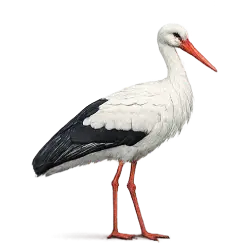
White StorkC
Hundreds of thousands pass over the Jordan valley and Azraq on migration between Europe and Africa, with flocks resting in the Azraq fields.
Spotting note: Spectacular in March to April and August to September.
Read species guide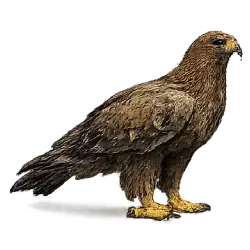
Steppe EagleB
Migrates through the Rift Valley over Aqaba and the Dead Sea in large numbers each spring and autumn, with Azraq and Dana as stopover sites.
Spotting note: Regular on migration; count them from Dana's viewpoints.
Read species guide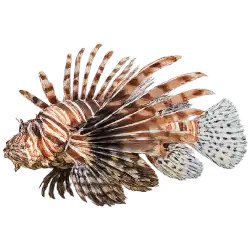
LionfishD
Hangs under coral ledges at the Aqaba Marine Park reefs and the Cedar Pride wreck, metres from the shore.
Spotting note: Common on any Aqaba snorkel or dive.
Read species guide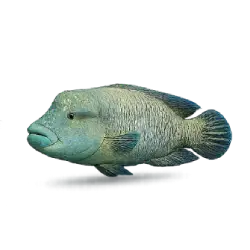
Napoleon WrasseB
Big humphead wrasse patrol the Aqaba reef walls at the Japanese Garden and Seven Sisters sites.
Spotting note: Regular for divers at Aqaba; occasional from the surface.
Read species guideBest for
Use this section to decide whether the location fits your travel style, skill level, and AnimalDex goals.
- Hikers in Dana and Mujib who want ibex, hyraxes and raptors with their canyons.
- Travellers combining Petra and Wadi Rum with a look at desert reptiles and camels.
- Birders on the Rift Valley flyway in spring and autumn at Azraq and Aqaba.
- Snorkellers and divers using Aqaba's shore reefs and wrecks.
Spotting tips
These tips are meant to make the page useful in the field, not just readable on the page.
- 01Stay a night in Dana village or at Feynan Ecolodge and walk the Wadi Dana trail at dawn; the ibex and hyraxes are on the cliffs before the heat.
- 02Visit Shaumari and Azraq together from Amman; the oryx safari runs on fixed times and the wetland is best early morning.
- 03At Aqaba, snorkel from the Marine Park beaches or the South Beach; the reef starts within 20 metres of shore.
- 04In Wadi Rum, ask your Bedouin guide to stop at dhub burrows and sunlit rock faces; the agamas and lizards are easy to miss from a moving pickup.
Virtual Wildlife Guides
Wildlife guides to Jordan
AnimalDex builds virtual guides from explorers' own wild sightings: which animals they found, how rare they are, and when. A guide is advice from someone who has been there, not a tour. Buying one unlocks the author's notes for every animal, a chat with the author, and introductions to local people they met. Wildlife is never guaranteed.
Checking for virtual guides to Jordan...
How to choose a local wildlife guide in Jordan
- Ask what they usually find in the season you are visiting. A good guide gives an honest answer, not a promised sighting.
- Check how they treat animals: no baiting, calling in, handling, or close flash photography for a better shot.
- Confirm the meeting area, duration, group size, total price, and how you pay before the day, plus any permits or park fees the place requires.
Track the animals you find in Jordan
Build your collection while you travel through Jordan, from easy wins to the species worth planning around.
Related tier lists
These tier lists add broader context around the species that make this location interesting.
100 Most Resilient Animals
Most resilient animals ranked by recovery, climate toughness, and staying functional under stress — not a copy of the strongest or most dangerous lists.
Read tier listRarest Animals in the World
A structured ranking of the rarest animals in the world, blending scarcity, vulnerability, and conservation pressure to answer the overlap between rarest and most endangered wildlife.
Read tier listRelated locations
Keep exploring with nearby or similar destinations that support the same kind of AnimalDex discovery.
Animals in Israel: What You Can Spot, Learn, and Collect
A practical Israel wildlife guide built around migration routes, coasts, wetlands, and the compact habitat variety that gives the country strong observation value.
Read location guideAnimals in Egypt: What You Can Spot, Learn, and Collect
Egypt wildlife guide: dugongs and Napoleon wrasse on the Red Sea reefs, Sataya's spinner dolphins, Nubian ibex in Sinai, Fayoum flamingos and Nile kingfishers.
Read location guideAnimals in Saudi Arabia: What You Can Spot, Learn, and Collect
Saudi Arabia wildlife guide: Arabian oryx at AlUla, hamadryas baboons in the Asir highlands, Red Sea whale sharks, Farasan gazelles, dugongs and Gulf flamingos.
Read location guideLocation FAQ
Short direct answers to the questions travelers usually ask before choosing a wildlife destination or zoo day.
What wildlife is there in Jordan?
Nubian ibex, rock hyrax, striped hyena, caracal and Arabian wolf in the Dana and Mujib reserves; reintroduced Arabian oryx and Persian onagers at Shaumari; flamingos, storks and huge numbers of migrant birds at Azraq; desert reptiles such as the dhub and Sinai agama in Wadi Rum; and Red Sea reef life at Aqaba.
What animals can be found in Jordan?
Around 80 mammal species, more than 400 recorded birds and over 100 reptiles. Most mammals are nocturnal and shy, so the realistic daytime sightings are ibex, hyraxes, camels, lizards and birds, plus reef fish and turtles at Aqaba.
Where is the best place to see wildlife in Jordan?
Dana Biosphere Reserve for mammals and birds, Shaumari for oryx and onagers, Azraq for migrating birds, Wadi Mujib for ibex above the Dead Sea, and the Aqaba Marine Park for Red Sea reef life. All are run or co-managed by the RSCN.
Can you snorkel with turtles in Aqaba?
Sometimes. Green and hawksbill turtles feed on the Aqaba reefs and are seen by divers at the Japanese Garden and Cedar Pride wreck sites, but they are far less common than in Egypt's Red Sea. Lionfish, wrasse, morays and clouds of reef fish are the reliable sightings.
How do I find a wildlife guide to Jordan?
Check the Wildlife Guides section on this page or browse Wildlife Guides on AnimalDex. Each one is a virtual guide built from an explorer's own wild sightings around Jordan: the animals they found, how rare they are, and when. It is advice from someone who has been there, not a tour. If you want someone with you on the day, compare local guides on wildlife knowledge, how they treat animals, and clear pricing before you go.