

Animals in Saudi Arabia: What You Can Spot, Learn, and Collect
Saudi Arabia wildlife guide: Arabian oryx at AlUla, hamadryas baboons in the Asir highlands, Red Sea whale sharks, Farasan gazelles, dugongs and Gulf flamingos.
Quick answer
Start with the direct answer, then use the sections below to see why the location matters and which animals are actually realistic to spot there.
Saudi Arabia's wildlife ranges from the Arabian oryx, back from extinction in the wild and now roaming the Sharaan reserve at AlUla and the Mahazat as-Sayd fences, to hamadryas baboons on the Asir and Taif escarpments, Nubian ibex in the mountains and sand cats, striped hyenas and spiny-tailed lizards in the desert. The Red Sea coast is the richest part: whale sharks off Al Lith, dugongs and turtles in the Farasan Islands, Napoleon wrasse and healthy reefs around Yanbu and Jeddah, and flamingos on the Gulf coast near Jubail.
Saudi Arabia opened to tourism in 2019 and most of its wildlife is still rarely visited. The country is 95 percent desert, but desert here means wadis with acacia and ibex, the Asir mountains rising to 3,000 metres with juniper forest and baboons, and lava fields and sandstone around AlUla where the Royal Commission is rewilding oryx, gazelles and ibex in the Sharaan reserve.
The Red Sea is the other half. Saudi's coast has 1,800 kilometres of largely undived reef, from the Farasan Islands marine reserve in the south, with dugongs, turtles and the Farasan gazelle on the islands, to the whale shark aggregation off Al Lith and the drop-offs near Yanbu. On the Gulf side, the mudflats around Jubail and Tarut Bay hold flamingos and tens of thousands of wintering waders.
Why this location matters
Good location pages explain why the place is worth your time, not just which names belong on a destination checklist.
The Arabian oryx is the first species ever to go from extinct in the wild back to vulnerable, and Saudi Arabia's reserves hold the largest numbers. Seeing one against red sandstone at AlUla is a conservation story you can stand inside.
The Saudi Red Sea reefs are among the least damaged in the region because so few people have dived them, and the giga-projects now planned along the coast make the next decade critical.
Where to look
Wildlife map of Saudi Arabia
This guide covers the region shown below. Zoom in to get your bearings before planning a trip.
Positions are geocoded from OpenStreetMap. Habitat access and opening times change — check locally before travelling.
Animals to spot
These are intentionally practical species picks, balancing accessibility, excitement, and what travelers can realistically notice in the location.

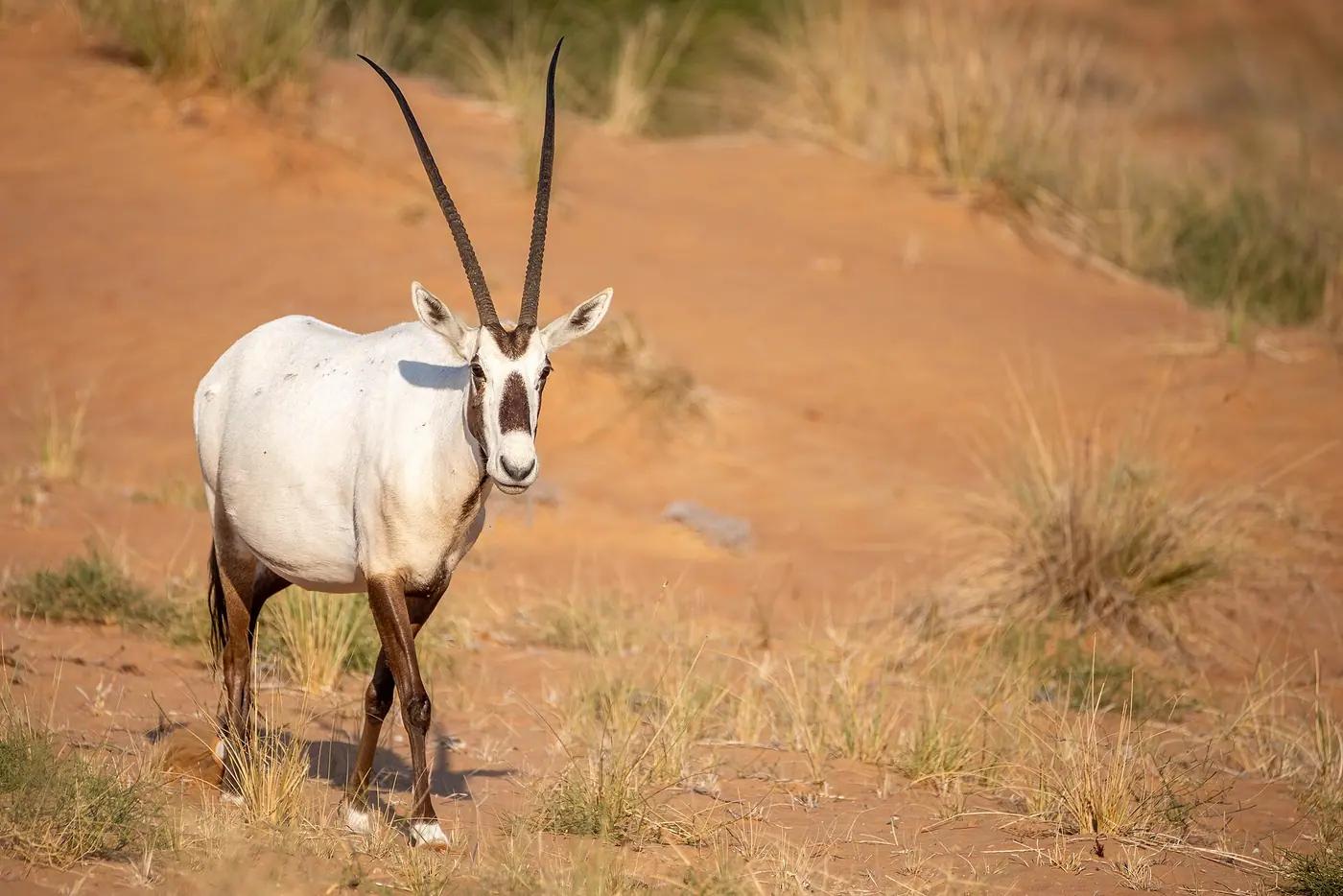
Arabian OryxB
Reintroduced herds live in the Sharaan Nature Reserve at AlUla, the Mahazat as-Sayd protected area near Taif and the Uruq Bani Ma'arid reserve on the Empty Quarter edge.
Spotting note: Regular on guided drives in Sharaan and Mahazat as-Sayd (fenced reserves).
Read species guide
Hamadryas BaboonB
Big troops line the escarpment roads around Taif, Al Baha and Abha, sleeping on cliffs and begging at lay-bys, where feeding them has become a problem.
Spotting note: Guaranteed on the Asir and Taif mountain roads; do not feed.
Read species guide
Nubian IbexC
Lives on the cliffs of the Asir, the Hijaz mountains and the sandstone of AlUla and Tabuk, descending to wadis at dawn.
Spotting note: Uncommon; the Sharaan reserve and Jabal Shada near Al Baha give the best chance.
Read species guide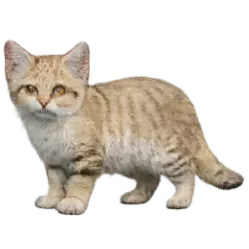
Sand CatC
Hunts gerbils in the sand seas of the Nafud and the Empty Quarter and has been recorded in the Mahazat as-Sayd and Uruq Bani Ma'arid reserves.
Spotting note: Rare and nocturnal; tracks are the realistic record.
Read species guide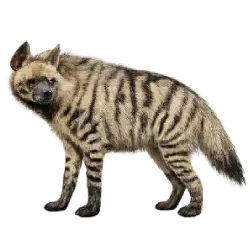
Striped HyenaB
Scavenges around desert villages and the Asir foothills at night and is still widespread though seldom seen.
Spotting note: Rare; night drives in the reserves and roadside sightings.
Read species guide
Goitered GazelleB
Arabian sand gazelles, treated by many as a form of the goitered gazelle, have been reintroduced to Mahazat as-Sayd, Uruq Bani Ma'arid and the AlUla reserves, while the Farasan Islands hold their own mountain gazelle population.
Spotting note: Regular in the fenced reserves; the Farasan gazelles are seen on the main island.
Read species guide
Dromedary CamelB
Camels graze free across the whole country and gather at the Buraydah camel market and the King Abdulaziz Camel Festival outside Riyadh.
Spotting note: Guaranteed anywhere outside the cities; log as domestic.
Read species guide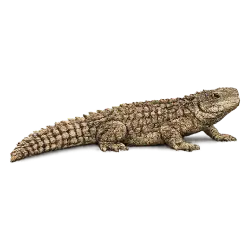
Spiny-tailed LizardC
The dhub basks outside burrows on gravel plains across the Najd and the north and is still hunted for food in some areas.
Spotting note: Common on warm mornings on open gravel plains.
Read species guide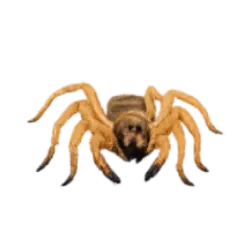
Camel SpiderD
Fast, hairy solifugids race across desert camps at night chasing insects under lamps.
Spotting note: Common on summer nights in the desert.
Read species guide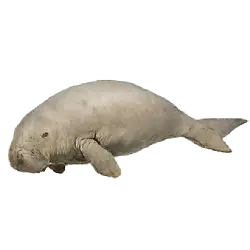
DugongC
The Red Sea population feeds on seagrass around the Farasan Islands and the Gulf population grazes the shallows off Jubail and Tarut Bay.
Spotting note: Uncommon; boat trips in the Farasan marine reserve give the best odds.
Read species guide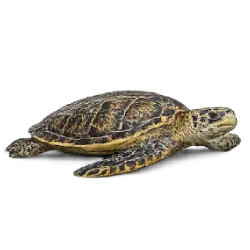
Hawksbill Sea TurtleC
Nests on the Farasan Islands and the Ras Baridi beaches north of Yanbu, and feeds on the reefs off Jeddah and Umluj.
Spotting note: Regular for divers off Yanbu and Jeddah; nesting May to July.
Read species guide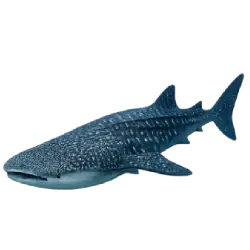
Whale SharkA
Gathers off Al Lith south of Jeddah in spring, one of the Red Sea's few known aggregations, where snorkel trips find them at the surface.
Spotting note: Seasonal, March to May off Al Lith.
Read species guide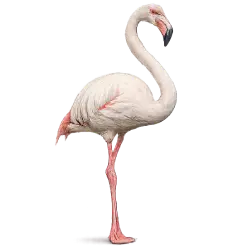
Greater FlamingoC
Thousands winter on the Gulf coast mudflats at Jubail, Tarut Bay and Dammam, and smaller numbers use the Red Sea lagoons at Jizan.
Spotting note: Common in winter on the Gulf coast.
Read species guide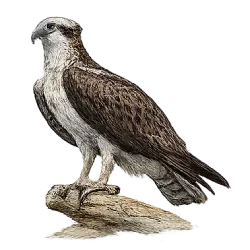
OspreyC
Nests on the ground on the Farasan Islands and the Red Sea islets, one of the densest osprey populations anywhere, and fishes the lagoons year-round.
Spotting note: Common along the Red Sea coast, especially the Farasan Islands.
Read species guideBest for
Use this section to decide whether the location fits your travel style, skill level, and AnimalDex goals.
- Travellers to AlUla who want oryx and ibex alongside the Nabataean tombs.
- Divers and snorkellers exploring undived Red Sea reefs from Jeddah, Yanbu or Al Lith.
- Birders on the Gulf coast in winter and the Asir highlands in spring.
- Desert campers who want to read tracks of sand cats, foxes and gerbils at dawn.
Spotting tips
These tips are meant to make the page useful in the field, not just readable on the page.
- 01Book the Sharaan reserve safari through Experience AlUla; independent access to the reserve is not allowed and the guides know where the oryx herds are.
- 02On the Taif and Abha escarpment roads, keep windows up around baboon troops and never feed them; it is what makes them dangerous.
- 03For whale sharks, go to Al Lith in April with a licensed operator; sightings depend on calm seas and plankton blooms.
- 04Gulf coast birding at Jubail and Tarut Bay is best two hours around high tide in winter, when the waders and flamingos are pushed close to the shore.
Virtual Wildlife Guides
Wildlife guides to Saudi Arabia
AnimalDex builds virtual guides from explorers' own wild sightings: which animals they found, how rare they are, and when. A guide is advice from someone who has been there, not a tour. Buying one unlocks the author's notes for every animal, a chat with the author, and introductions to local people they met. Wildlife is never guaranteed.
Checking for virtual guides to Saudi Arabia...
How to choose a local wildlife guide in Saudi Arabia
- Ask what they usually find in the season you are visiting. A good guide gives an honest answer, not a promised sighting.
- Check how they treat animals: no baiting, calling in, handling, or close flash photography for a better shot.
- Confirm the meeting area, duration, group size, total price, and how you pay before the day, plus any permits or park fees the place requires.
Track the animals you find in Saudi Arabia
Build your collection while you travel through Saudi Arabia, from easy wins to the species worth planning around.
Related tier lists
These tier lists add broader context around the species that make this location interesting.
100 Most Resilient Animals
Most resilient animals ranked by recovery, climate toughness, and staying functional under stress — not a copy of the strongest or most dangerous lists.
Read tier listRarest Animals in the World
A structured ranking of the rarest animals in the world, blending scarcity, vulnerability, and conservation pressure to answer the overlap between rarest and most endangered wildlife.
Read tier listRelated locations
Keep exploring with nearby or similar destinations that support the same kind of AnimalDex discovery.
Animals in Oman: What You Can Spot, Learn, and Collect
Oman wildlife guide: nesting green turtles at Ras Al Jinz, Arabian leopards in Dhofar, humpback whales and dolphins off Muscat, Daymaniyat whale sharks and oryx.
Read location guideAnimals in the United Arab Emirates: What You Can Spot, Learn, and Collect
UAE wildlife guide: Ras Al Khor flamingos in Dubai, Arabian oryx and sand gazelles in the desert reserves, Sir Bani Yas Island, Abu Dhabi's dugongs and dhub lizards.
Read location guideAnimals in Jordan: What You Can Spot, Learn, and Collect
Jordan wildlife guide: Nubian ibex and hyraxes in Dana, Arabian oryx and onagers at Shaumari, Azraq wetland flamingos and storks, Aqaba's Red Sea reef and Wadi Rum.
Read location guideLocation FAQ
Short direct answers to the questions travelers usually ask before choosing a wildlife destination or zoo day.
What wildlife is there in Saudi Arabia?
Arabian oryx, sand gazelles and Nubian ibex in the protected areas, hamadryas baboons in the south-western mountains, sand cats, striped hyenas, Arabian wolves and red foxes in the desert, spiny-tailed lizards and desert reptiles, and a Red Sea coast with whale sharks, dugongs, turtles, reef fish and ground-nesting ospreys.
What animals can be found in Saudi Arabia?
Around 80 mammal species, nearly 500 recorded birds including huge numbers of migrants, and a very rich Red Sea marine fauna. Most desert mammals are nocturnal, so the realistic daytime sightings are baboons, ibex, oryx in reserves, dhub lizards, camels and birds.
Can you see Arabian oryx in Saudi Arabia?
Yes, in the Sharaan Nature Reserve at AlUla on guided safaris, and in the Mahazat as-Sayd and Uruq Bani Ma'arid protected areas, where reintroduced herds now breed in large fenced landscapes.
Is the Saudi Red Sea good for diving?
Very good and still quiet. Jeddah has reefs and wrecks within an hour's boat ride, Yanbu has steep walls and sharks, Al Lith has whale sharks in spring, and the Farasan Islands in the south have dugongs, turtles and mangroves.
How do I find a wildlife guide to Saudi Arabia?
Check the Wildlife Guides section on this page or browse Wildlife Guides on AnimalDex. Each one is a virtual guide built from an explorer's own wild sightings around Saudi Arabia: the animals they found, how rare they are, and when. It is advice from someone who has been there, not a tour. If you want someone with you on the day, compare local guides on wildlife knowledge, how they treat animals, and clear pricing before you go.