

Animals in Nepal: What You Can Spot, Learn, and Collect
Nepal wildlife guide: one-horned rhinos and tigers in Chitwan and Bardia, gharials on the Rapti, red pandas and snow leopards in the Himalaya, monal and blue sheep.
Quick answer
Start with the direct answer, then use the sections below to see why the location matters and which animals are actually realistic to spot there.
Nepal runs from 60 metres above sea level to 8,849, and its wildlife covers the whole range. The Terai lowlands have Chitwan and Bardia, where greater one-horned rhinos are near-certain, Bengal tigers are realistic over a few days, and gharials bask on the riverbanks. The middle hills hold red pandas and Himalayan monal, and the high trekking routes have blue sheep, tahr, lammergeiers and the snow leopards that hunt them.
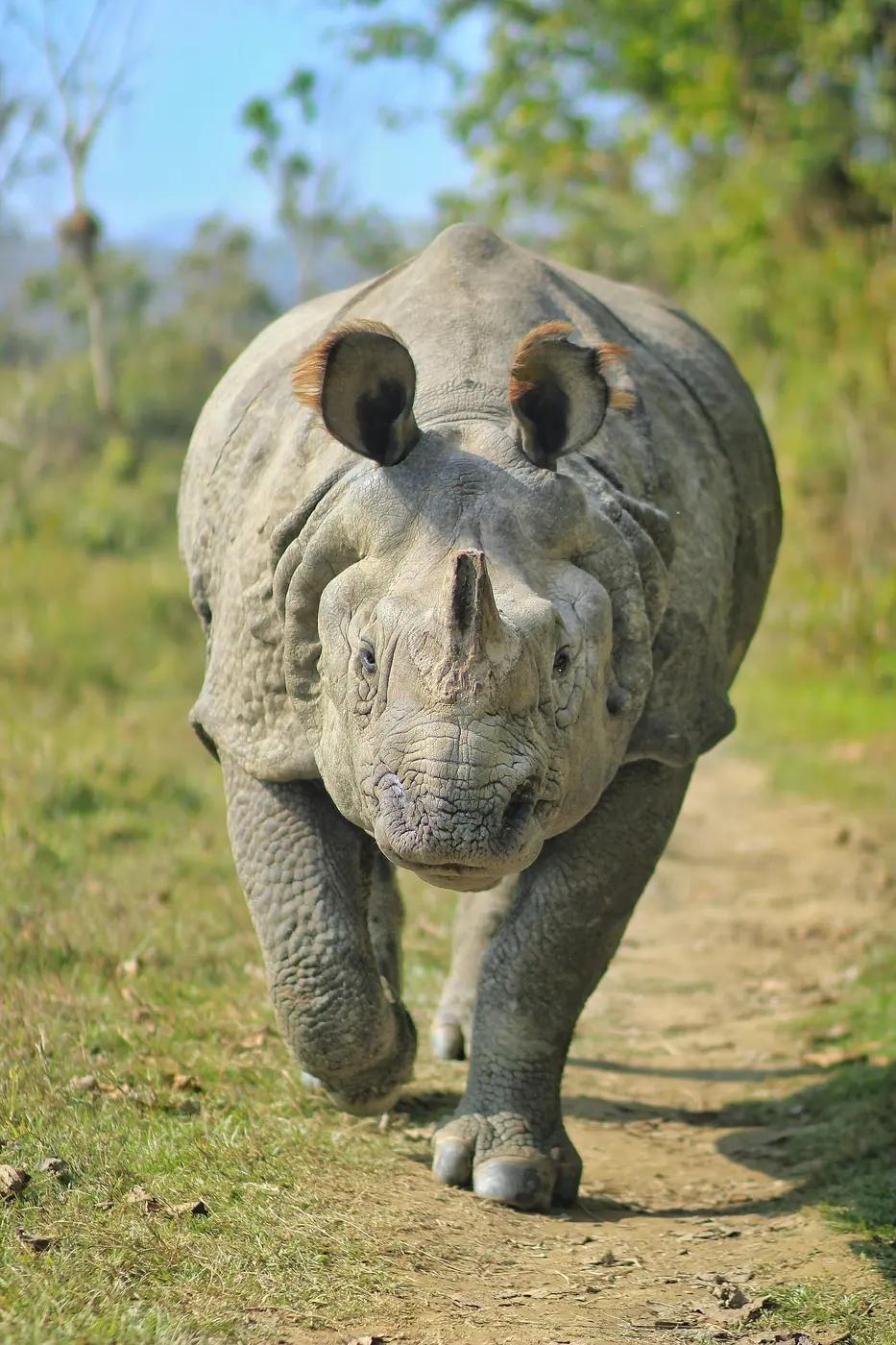
Nepal is the easiest country in the world to see a wild rhino. Chitwan National Park holds around 700 greater one-horned rhinos in grassland a few hours from Kathmandu, and a jeep or canoe trip will almost always find one. Bardia, further west and much quieter, has become the better bet for tigers.
Above the Terai the animals change with altitude. Langurs and macaques give way to red pandas in the rhododendron forest, then to tahr and blue sheep on the cliffs above the treeline, with lammergeiers and griffons overhead. Trekkers who look up from the trail build a surprisingly long list.
Start with these animals
Why this location matters
Good location pages explain why the place is worth your time, not just which names belong on a destination checklist.
Nepal has had several years of zero rhino poaching and has nearly tripled its tiger population since 2009, from 121 to around 355. Community forest management and army-protected parks did it, and tourism revenue is a large part of why the system holds.
The Himalayan species face a different threat. Red panda habitat is fragmenting and snow leopards lose prey to livestock, and the trekking economy that brings people to their mountains is also the best argument for keeping them wild.
Where to look
Wildlife map of Nepal
This guide covers the region shown below. Zoom in to get your bearings before planning a trip.
Positions are geocoded from OpenStreetMap. Habitat access and opening times change — check locally before travelling.
Animals to spot
These are intentionally practical species picks, balancing accessibility, excitement, and what travelers can realistically notice in the location.

Indian RhinocerosA
Chitwan holds roughly 700 greater one-horned rhinos in its riverine grassland, grazing within sight of jeep tracks and canoe routes, with a growing population in Bardia.
Spotting note: Near-certain in Chitwan on a full-day safari; the Sauraha river edge sees them most evenings.
Read species guide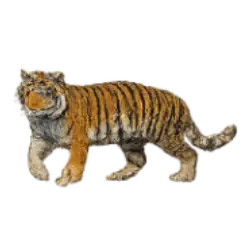
Bengal TigerA
Bardia National Park has become one of Asia's most reliable tiger parks, with tigers walking the Karnali's dry riverbeds in the hot season; Chitwan has more tigers but denser cover.
Spotting note: Realistic over three days in Bardia from March to May; a bonus in Chitwan.
Read species guide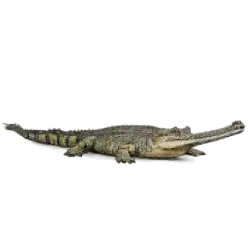
GharialB
The long-snouted fish-eating crocodile basks on the sandbanks of the Rapti and Narayani in Chitwan and the Karnali in Bardia, with a breeding centre at Kasara.
Spotting note: Regular on winter-morning canoe trips in Chitwan; guaranteed at the Kasara centre.
Read species guide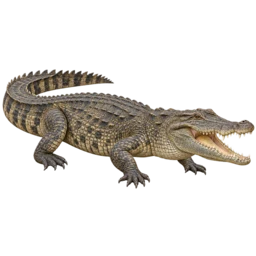
Mugger CrocodileA
Muggers share the Rapti's banks with gharials and lie in the oxbow lakes of Chitwan and Bardia.
Spotting note: Common on riverbank safaris.
Read species guide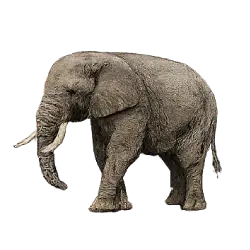
Asian ElephantA
Wild herds move between Bardia and India's Katarniaghat and through Chitwan's eastern forest, separate from the trained elephants at the park lodges.
Spotting note: Occasional in the wild in Bardia; trained elephants are everywhere in Sauraha.
Read species guide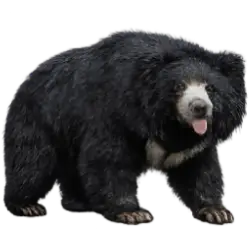
Sloth BearA
Shaggy bears dig termite mounds in Chitwan's sal forest and are seen on jeep drives more often than visitors expect.
Spotting note: Uncommon; dawn drives in Chitwan's western sector give a fair chance.
Read species guide
ChitalC
Spotted deer herds number in the hundreds in Chitwan's grasslands and are the tiger's main prey; their alarm calls announce predators.
Spotting note: Abundant in both lowland parks.
Read species guide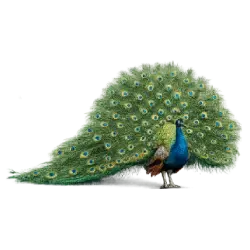
Indian PeafowlD
Peacocks display in Chitwan's forest clearings and roost in the sal trees, calling at dawn and dusk.
Spotting note: Very common in the Terai parks.
Read species guide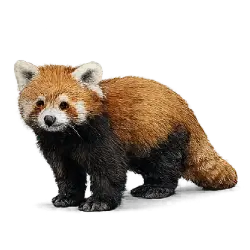
Red PandaC
Red pandas live in the bamboo understory of eastern Nepal's rhododendron forest, with community-run tracking in the Ilam and Panchthar hills and sightings in Langtang.
Spotting note: Rare; the Ilam red panda treks with local trackers have a good hit rate.
Read species guide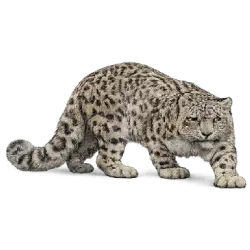
Snow LeopardA
Snow leopards hunt blue sheep in the Annapurna, Manang, Dolpo and Everest regions, and sightings around Manang and Shey Phoksundo have become more regular.
Spotting note: Very rare; dedicated winter trips to Manang or Dolpo with spotters give the only real chance.
Read species guide
Himalayan MonalC
Nepal's national bird, an iridescent pheasant, forages on the slopes above Ghorepani, in Langtang and around Everest's Tengboche in the early morning.
Spotting note: Regular on the Annapurna and Everest trails between 3,000 and 4,000 metres.
Read species guide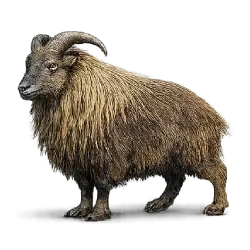
Himalayan TahrB
Shaggy mountain goats stand on cliffs above the Everest trail at Namche and in the Langtang valley, often close to the path.
Spotting note: Regular on the Everest trek between Namche and Tengboche.
Read species guide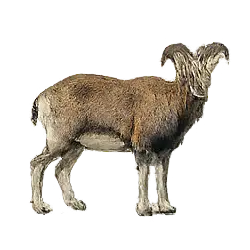
BharalB
Blue sheep graze the slopes above Manang, Dolpo and Everest's upper valleys, the snow leopard's main prey and easy to watch through binoculars.
Spotting note: Common above 3,500 metres in Annapurna, Dolpo and Everest.
Read species guide
LammergeierA
The bone-dropping vulture patrols every high valley in Nepal on a three-metre wingspan, from Annapurna to the Khumbu.
Spotting note: Regular overhead on any high trek.
Read species guideBest for
Use this section to decide whether the location fits your travel style, skill level, and AnimalDex goals.
- First-time safari-goers who want a near-certain wild rhino
- Tiger seekers prepared to spend three days in Bardia
- Trekkers logging monal, tahr, blue sheep and vultures along the way
- Red panda and snow leopard specialists on dedicated tracking trips
Spotting tips
These tips are meant to make the page useful in the field, not just readable on the page.
- 01In Chitwan, stay on the park's western edge (Meghauli or the Kasara side) rather than Sauraha if you want fewer jeeps; rhinos are everywhere but tigers and sloth bears favour the quiet.
- 02Bardia's hot season (March to May) is tiger time: animals come to the Karnali's channels in the heat and the grass is burned short.
- 03Take the Rapti canoe trip at first light in winter for gharials, muggers and kingfishers lined up on the sandbanks.
- 04On the Everest trek, scan the cliffs between Namche and Tengboche for tahr and the rhododendron slopes at dawn for monal; both are routine for trekkers who stop and look.
Virtual Wildlife Guides
Wildlife guides to Nepal
AnimalDex builds virtual guides from explorers' own wild sightings: which animals they found, how rare they are, and when. A guide is advice from someone who has been there, not a tour. Buying one unlocks the author's notes for every animal, a chat with the author, and introductions to local people they met. Wildlife is never guaranteed.
Checking for virtual guides to Nepal...
How to choose a local wildlife guide in Nepal
- Ask what they usually find in the season you are visiting. A good guide gives an honest answer, not a promised sighting.
- Check how they treat animals: no baiting, calling in, handling, or close flash photography for a better shot.
- Confirm the meeting area, duration, group size, total price, and how you pay before the day, plus any permits or park fees the place requires.
Track the animals you find in Nepal
Build your collection while you travel through Nepal, from easy wins to the species worth planning around.
Related tier lists
These tier lists add broader context around the species that make this location interesting.
Rarest Animals in the World
A structured ranking of the rarest animals in the world, blending scarcity, vulnerability, and conservation pressure to answer the overlap between rarest and most endangered wildlife.
Read tier list100 Animals with the Strongest Armor
Animals with the strongest natural armor, ranked by shells, scales, hide, and exoskeletons that actually protect — not just look impressive.
Read tier listRelated locations
Keep exploring with nearby or similar destinations that support the same kind of AnimalDex discovery.
Animals in India: What You Can Spot, Learn, and Collect
A practical India wildlife guide built around both headline species and the more realistic birds, reptiles, and river-edge animals that keep a trip productive.
Read location guideAnimals in China: What You Can Spot, Learn, and Collect
A practical China wildlife guide built around iconic mountain species, river-edge birds, and the broader habitat variety that makes the country more than a panda-only destination.
Read location guideAnimals in Pakistan: What You Can Spot, Learn, and Collect
A practical Pakistan wildlife guide built around mountain species, river systems, and the mix of birds, reptiles, and highland mammals that make the country ecologically stronger than many summaries suggest.
Read location guideLocation FAQ
Short direct answers to the questions travelers usually ask before choosing a wildlife destination or zoo day.
What wildlife is there in Nepal?
Greater one-horned rhinos, Bengal tigers, leopards, sloth bears, elephants, gharials and muggers, chital, sambar and peafowl in the Terai parks of Chitwan and Bardia; red pandas, Himalayan monal and langurs in the middle hills; and snow leopards, blue sheep, tahr, musk deer and lammergeiers on the high trekking routes.
What animals can be found in Nepal?
Over 200 mammals and 900 bird species, from rhinos and tigers at 100 metres to snow leopards and bharal at 5,000. Everyday sightings are rhesus macaques, langurs, chital, peafowl, egrets and kites in the lowlands, and yaks, choughs, tahr and vultures on treks.
Chitwan or Bardia for a safari?
Chitwan for guaranteed rhinos, easy access from Kathmandu and the most lodges; Bardia for tigers, far fewer vehicles and a wilder feel. If you have time, Bardia in the hot season is the better wildlife experience.
Can you see snow leopards in Nepal?
Rarely, and only on dedicated trips. Winter expeditions to Manang in the Annapurna region or to Dolpo and Shey Phoksundo use local spotters and have improved odds, but a week with no sighting is normal. Blue sheep, their prey, are easy.
How do I find a wildlife guide to Nepal?
Check the Wildlife Guides section on this page or browse Wildlife Guides on AnimalDex. Each one is a virtual guide built from an explorer's own wild sightings around Nepal: the animals they found, how rare they are, and when. It is advice from someone who has been there, not a tour. If you want someone with you on the day, compare local guides on wildlife knowledge, how they treat animals, and clear pricing before you go.