

Animals in Nuevo León: What You Can Spot, Learn, and Collect
Nuevo León wildlife guide: Chipinque's black bears above Monterrey, Cumbres de Monterrey pumas and golden eagles, green jays and roadrunners, Texas tortoises, grackles, cicadas and jumping spiders.
Quick answer
Start with the direct answer, then use the sections below to see why the location matters and which animals are actually realistic to spot there.
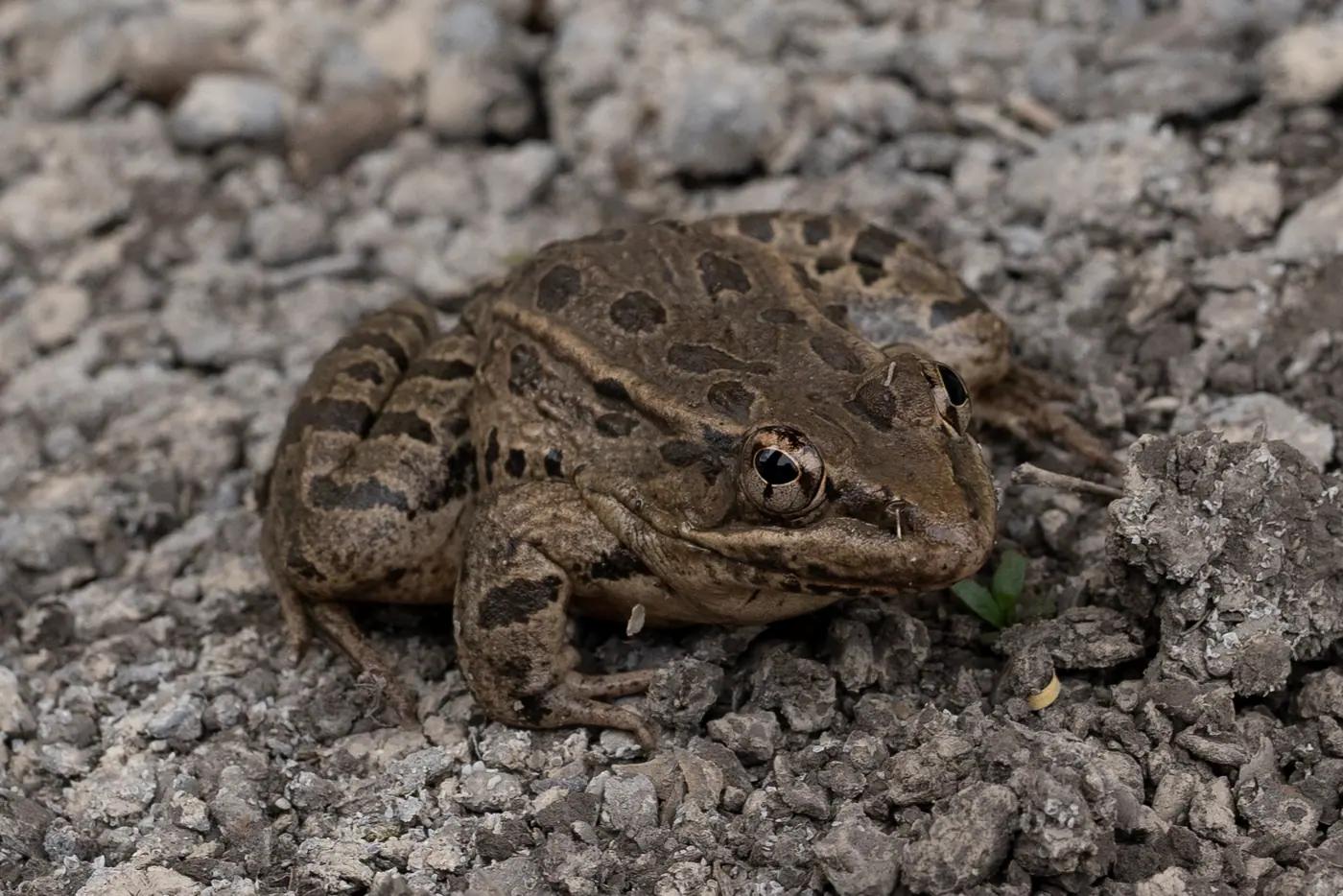
Nuevo León is black bear country at the edge of a city of five million: bears walk through Chipinque Ecological Park and the San Pedro suburbs above Monterrey most summers. The Sierra Madre Oriental in Cumbres de Monterrey National Park adds pumas, white-tailed deer, javelinas, ringtails and golden eagles, and the dry brushland holds roadrunners, green jays, Texas tortoises, Great Plains toads and the grackles, cicadas and jumping spiders that users here log most.
Monterrey sits in a bowl of limestone mountains, and Cumbres de Monterrey National Park wraps around it with 177,000 hectares of pine-oak forest, canyons and desert scrub. Chipinque, the park's most visited corner, starts at the end of a San Pedro Garza García bus route and has bears on its trail cameras every week.
East and north of the city the land flattens into Tamaulipan thornscrub, the same mesquite and prickly pear country that runs into south Texas. That brush gives Nuevo León its roadrunners, green jays, tortoises and the great-tailed grackles that roost in every Monterrey plaza.
Why this location matters
Good location pages explain why the place is worth your time, not just which names belong on a destination checklist.
Nuevo León's black bears are the most urban in Mexico. After decades of recovery they turn up in swimming pools, garages and on Chipinque's picnic tables, and the state runs a relocation programme that has made 'oso en Chipinque' a regular news item.
The AnimalDex captures from here so far are brushland staples: a Texas tortoise, a Great Plains toad, a bold jumper spider, a green-winged cicada, mourning doves and grackles. It is a true picture of what a visitor meets on a warm evening in the Monterrey hills.
Where to look
Wildlife map of Nuevo León
This guide covers the region shown below. Zoom in to get your bearings before planning a trip.
Positions are geocoded from OpenStreetMap. Habitat access and opening times change — check locally before travelling. Smaller pins are public AnimalDex captures, placed to the nearest kilometre.
Field proof
Found in Nuevo León by AnimalDex users
Real captures logged in the AnimalDex app inside this area and shared publicly by their collectors, with the animal confirmed by the app's identification. Places are shown to the nearest region, never the exact spot.
- 10
- public captures
- 10
- species recorded
- 1
- collectors
- 10
- wild sightings
Recent captures from the field
Species people have actually logged here
Every name links to its species guide. The count is how many public captures of that animal sit inside this area.
Collectors choose to share these captures on Discover and can withdraw them at any time. Coordinates are rounded to about a kilometre and refreshed with each site build.
Animals to spot
These are intentionally practical species picks, balancing accessibility, excitement, and what travelers can realistically notice in the location.

American Black BearB
Chipinque Ecological Park and the Sierra Madre above San Pedro Garza García have the most-watched urban bears in Mexico, raiding bins and crossing the park roads in summer.
Spotting note: Realistic at Chipinque from May to October, especially at dawn; keep food locked away and never approach.
Read species guide
White-tailed DeerC
The Texan subspecies browses the oak slopes of Cumbres de Monterrey and the ranchland around Santiago and Allende.
Spotting note: Common at dawn and dusk in the park and on ranch roads.
Read species guide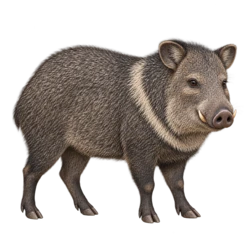
Collared PeccaryD
Javelina bands root through the thornscrub of the Sierra de Picachos and the canyons around Matacanes and Potrero Chico.
Spotting note: Likely at dawn on backcountry roads in the brush country.
Read species guide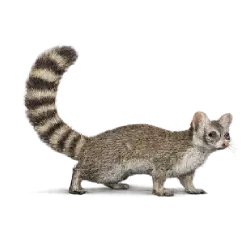
RingtailC
A cat-sized relative of the raccoon with a banded tail, hunting the limestone cliffs of Huasteca canyon and Potrero Chico at night.
Spotting note: Uncommon; climbers camping at Potrero Chico see them raiding food after dark.
Read species guide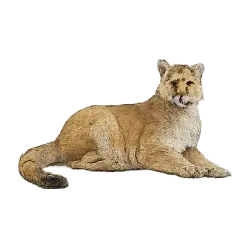
CougarA
Pumas range through the whole Sierra Madre Oriental and Cumbres de Monterrey, occasionally photographed on Chipinque's trail cameras.
Spotting note: Rare to see; tracks in canyon sand are the realistic find.
Read species guide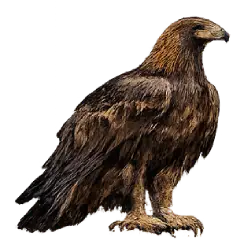
Golden EagleA
Mexico's national bird nests on the cliffs of the Sierra Madre and hunts the open brush east of the mountains.
Spotting note: Regular over the Cumbres de Monterrey canyons; scan ridgelines mid-morning.
Read species guide
Green JayC
A green, blue and yellow jay of the northeastern Mexican brushland, loud in the mesquite around Linares and in Monterrey's larger parks.
Spotting note: Common in thornscrub and wooded parks; near-certain at Parque Fundidora and La Estanzuela.
Read species guide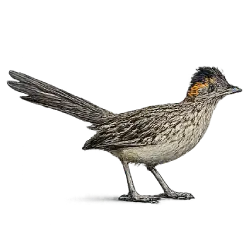
Greater RoadrunnerD
Sprints along dirt roads through the thornscrub north of Monterrey and around Mina and Garcia.
Spotting note: Common in the open brush country; look along ranch tracks in the morning.
Read species guide
Great-tailed GrackleD
Thousands roost in the trees of Monterrey's Macroplaza and every mall parking lot at dusk, and they top the Nuevo León captures in AnimalDex.
Spotting note: Guaranteed in any Monterrey plaza, loudest at sunset.
Read species guide
Mourning DoveD
Coos from power lines across the brushland and Monterrey suburbs, logged here alongside white-winged doves that are even more numerous.
Spotting note: Abundant year-round.
Read species guide
Texas TortoiseD
A small, high-domed tortoise of the Tamaulipan thornscrub that crosses dirt roads after summer rain, and already logged in Nuevo León in AnimalDex.
Spotting note: Uncommon; drive brush-country roads slowly after rain from May to September.
Read species guide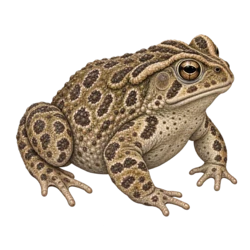
Great Plains ToadE
Emerges in explosive numbers on the first heavy summer rain to breed in roadside pools around Monterrey's outskirts.
Spotting note: Seasonal; near-certain on the first warm rainy night of summer, invisible the rest of the year.
Read species guide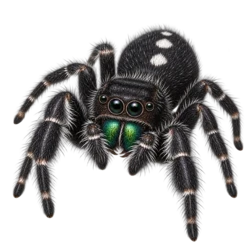
Bold JumperE
A fuzzy black jumping spider with iridescent green fangs, patrolling garden walls and fences in the Monterrey suburbs.
Spotting note: Common on sunny walls from spring to autumn.
Read species guide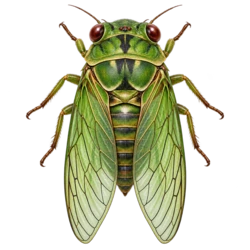
Green-winged CicadaE
Fills the oaks of Chipinque and the mesquite of the lowlands with a shimmering buzz through the summer heat.
Spotting note: Heard everywhere in summer; find them on tree trunks by tracing the sound.
Read species guideBest for
Use this section to decide whether the location fits your travel style, skill level, and AnimalDex goals.
- Urban black bears at Chipinque above Monterrey
- Canyon and cliff wildlife in Cumbres de Monterrey
- Thornscrub birds: green jays, roadrunners and doves
- Summer insects, toads and reptiles after rain
Spotting tips
These tips are meant to make the page useful in the field, not just readable on the page.
- 01Enter Chipinque Ecological Park at opening and walk the upper roads toward the Meseta before the crowds; bears are most often reported at dawn near the picnic areas and bins.
- 02For canyon wildlife, do the Huasteca canyon or Potrero Chico road at first light; ringtails, deer and golden eagles use the cliffs before the heat builds.
- 03The first big thunderstorm of summer, usually in June, triggers toad breeding; drive the outskirts slowly that night and you will hear the choruses from the car.
- 04Monterrey's grackle roosts are loudest in the Macroplaza and Fundidora at sunset; they are easy captures and the surrounding trees hold green jays and doves.
Virtual Wildlife Guides
Wildlife guides to Nuevo León
AnimalDex builds virtual guides from explorers' own wild sightings: which animals they found, how rare they are, and when. A guide is advice from someone who has been there, not a tour. Buying one unlocks the author's notes for every animal, a chat with the author, and introductions to local people they met. Wildlife is never guaranteed.
Checking for virtual guides to Nuevo León...
How to choose a local wildlife guide in Nuevo León
- Ask what they usually find in the season you are visiting. A good guide gives an honest answer, not a promised sighting.
- Check how they treat animals: no baiting, calling in, handling, or close flash photography for a better shot.
- Confirm the meeting area, duration, group size, total price, and how you pay before the day, plus any permits or park fees the place requires.
Track the animals you find in Nuevo León
Build your collection while you travel through Nuevo León, from easy wins to the species worth planning around.
Related locations
Keep exploring with nearby or similar destinations that support the same kind of AnimalDex discovery.
Animals in Mexico: What You Can Spot, Learn, and Collect
A practical Mexico wildlife guide built around wetlands, coasts, colorful birds, and the species that make the country strong for flexible animal discovery.
Read location guideAnimals in Texas: What You Can Spot, Learn, and Collect
Texas wildlife guide: whooping cranes at Aransas, Kemp's ridley turtles on Padre Island, Big Bend bears and javelinas, Katy Prairie geese and the anoles and mockingbirds of Houston backyards.
Read location guideAnimals in Jalisco: What You Can Spot, Learn, and Collect
Jalisco wildlife guide: humpback whales in Banderas Bay, olive ridley turtle releases in Puerto Vallarta, Marietas boobies, Lake Chapala's pelicans, beaded lizards in the Sierra Madre and the Guadalajara Zoo.
Read location guideLocation FAQ
Short direct answers to the questions travelers usually ask before choosing a wildlife destination or zoo day.
What wildlife is there in Nuevo León?
Black bears, pumas, white-tailed deer, javelinas, ringtails, coyotes and bobcats in the Sierra Madre Oriental; golden eagles, green jays, roadrunners and doves in the brushland; and Texas tortoises, Great Plains toads, rattlesnakes, cicadas and jumping spiders after summer rain.
What animals can be found in Nuevo León around Monterrey?
Black bears at Chipinque Ecological Park and in the San Pedro foothills, white-tailed deer and golden eagles in Cumbres de Monterrey National Park, great-tailed grackles and green jays in the city parks, and ringtails and javelinas in the canyons at Huasteca and Potrero Chico.
Are there bears in Monterrey?
Yes. American black bears live in the Sierra Madre directly above the city and regularly enter Chipinque Ecological Park and the San Pedro Garza García suburbs, especially from May to October. Keep your distance and report sightings to park staff.
Is Cumbres de Monterrey National Park good for wildlife?
Yes, especially at dawn. The park's canyons and pine-oak slopes hold bears, deer, javelinas, ringtails, golden eagles and hundreds of bird species, and Chipinque, La Estanzuela and Huasteca are the accessible gateways from the city.
Have AnimalDex users found animals in Nuevo León?
Yes. AnimalDex users have publicly logged 10 captures of 10 different species in Nuevo León, including american robin, bold jumper, carrion beetle, great plains toad. Each one was photographed in the app at the moment of the sighting.
How do I find a wildlife guide to Nuevo León?
Check the Wildlife Guides section on this page or browse Wildlife Guides on AnimalDex. Each one is a virtual guide built from an explorer's own wild sightings around Nuevo León: the animals they found, how rare they are, and when. It is advice from someone who has been there, not a tour. If you want someone with you on the day, compare local guides on wildlife knowledge, how they treat animals, and clear pricing before you go.