

Animals in Jalisco: What You Can Spot, Learn, and Collect
Jalisco wildlife guide: humpback whales in Banderas Bay, olive ridley turtle releases in Puerto Vallarta, Marietas boobies, Lake Chapala's pelicans, beaded lizards in the Sierra Madre and the Guadalajara Zoo.
Quick answer
Start with the direct answer, then use the sections below to see why the location matters and which animals are actually realistic to spot there.
Jalisco's wildlife centres on Banderas Bay, where humpback whales breed from December to March, olive ridley turtles nest on the Puerto Vallarta beaches in summer, crocodiles live in the El Salado estuary, and blue-footed boobies nest on the Islas Marietas. Inland, Lake Chapala's Petatán draws thousands of American white pelicans each winter, the Sierra Madre holds beaded lizards and coatis, and the Guadalajara Zoo covers the rest.
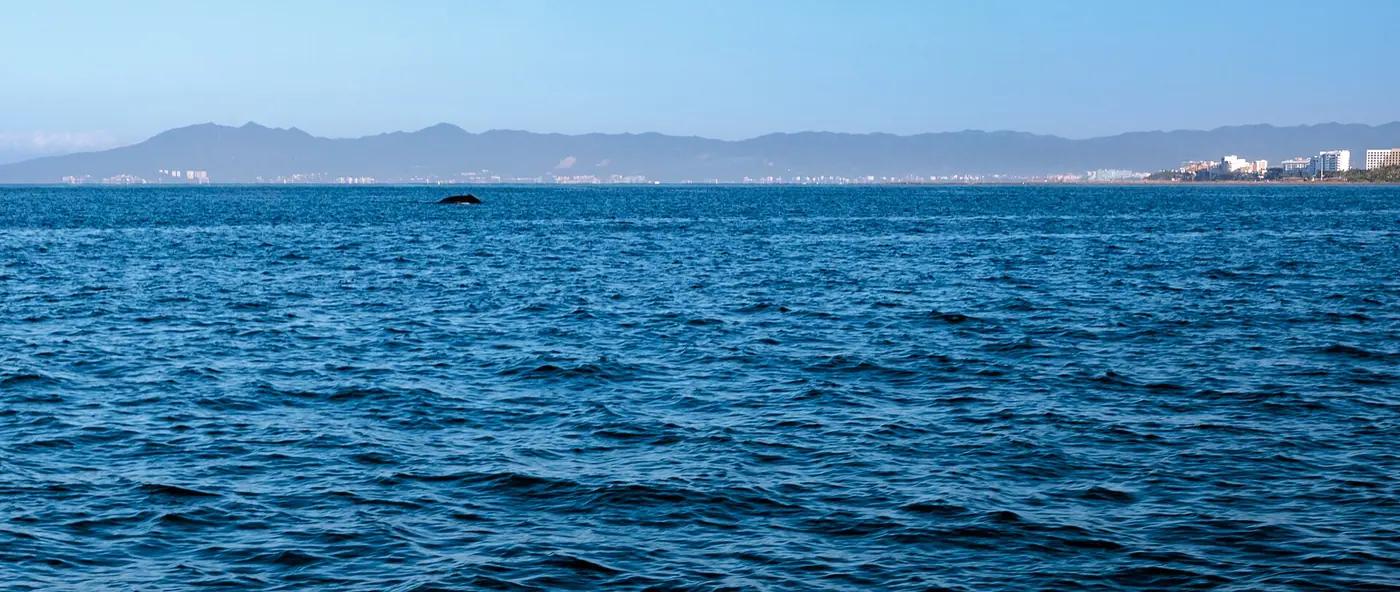
Banderas Bay is one of the largest bays on the Pacific coast of the Americas and a humpback whale nursery. Mothers with calves rest in its sheltered water each winter, and boats from Puerto Vallarta and Nuevo Vallarta find them within minutes of the marina.
Inland Jalisco is highland Mexico: agave fields around Tequila, pine-oak Sierra Madre, and Lake Chapala, the country's largest lake. The fishing village of Petatán on the lake's south shore has a winter pelican spectacle that most tourists have never heard of.
Why this location matters
Good location pages explain why the place is worth your time, not just which names belong on a destination checklist.
Puerto Vallarta's hotel beaches are working turtle nesting grounds. Olive ridleys lay from July to December and the town's turtle camps release thousands of hatchlings at public evening events, which makes the species one of the most accessible sea turtles in the Americas.
The Mexican beaded lizard, one of the few venomous lizards on earth, has its core range in the dry forest of Jalisco, and the Chamela-Cuixmala reserve on the Costalegre is one of the best-studied tropical dry forests anywhere.
Where to look
Wildlife map of Jalisco
This guide covers the region shown below. Zoom in to get your bearings before planning a trip.
Positions are geocoded from OpenStreetMap. Habitat access and opening times change — check locally before travelling.
Animals to spot
These are intentionally practical species picks, balancing accessibility, excitement, and what travelers can realistically notice in the location.
Humpback WhaleA
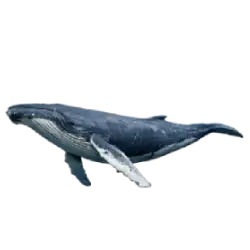
Breeds and calves in Banderas Bay from December to March, breaching off Puerto Vallarta's Malecón and resting with calves in the shallows near Punta Mita.
Spotting note: Near-guaranteed on a bay trip from mid-December to mid-March.
Read species guide
Olive Ridley Sea TurtleC
Nests on the Puerto Vallarta hotel beaches and Boca de Tomates from July to December, with hatchling releases at Nuevo Vallarta and the Marriott turtle camp.
Spotting note: Reliable at public hatchling releases from August to December; nesting females at night in September.
Read species guide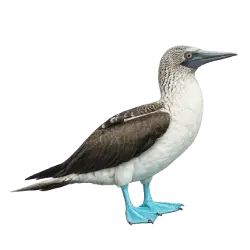
Blue-footed BoobyC
Nests on the Islas Marietas off Punta Mita, where boat tours circle the cliffs and the famous hidden beach.
Spotting note: Guaranteed on a Marietas tour from December to June.
Read species guide
American White PelicanC
Thousands winter at Petatán on Lake Chapala's south shore, where fishermen feed them fish scraps on the beach every morning.
Spotting note: Guaranteed at Petatán from November to March.
Read species guide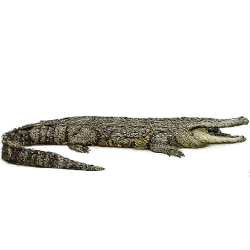
American CrocodileA
Lives in the El Salado mangrove estuary beside Puerto Vallarta's marina and in the Boca de Tomates river mouth by the airport.
Spotting note: Likely on the El Salado estuary tour; the Boca de Tomates crocodile viewing platform is free.
Read species guide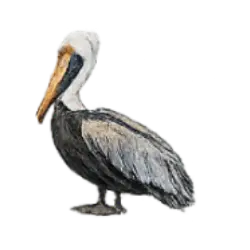
Brown PelicanC
Sits on every panga in the Los Muertos pier area and plunge-dives beside swimmers across Banderas Bay.
Spotting note: Guaranteed on the coast.
Read species guide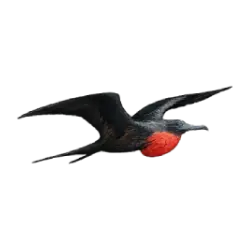
Magnificent FrigatebirdC
Hangs over the Puerto Vallarta Malecón and the Marietas boats, stealing fish from boobies and pelicans.
Spotting note: Guaranteed along the coast.
Read species guide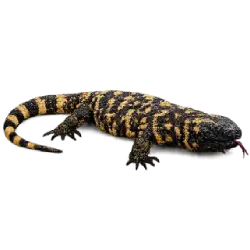
Mexican Beaded LizardC
A heavy, venomous black and yellow lizard of the Jalisco dry forest, studied at the Chamela-Cuixmala biosphere reserve on the Costalegre.
Spotting note: Rare; the rainy season (July to September) at Chamela gives the only realistic chance.
Read species guide
Green IguanaD
Lounges in the trees along Puerto Vallarta's Río Cuale and on hotel grounds, with a famous colony on the Isla Cuale island.
Spotting note: Common in Puerto Vallarta; the Río Cuale bridges are near-certain.
Read species guide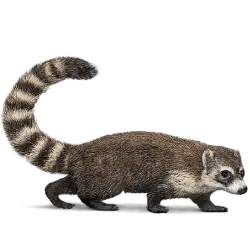
White-nosed CoatiC
Troops cross the roads of the Sierra Madre above Puerto Vallarta, around El Tuito and in the Vallarta Botanical Garden grounds.
Spotting note: Regular at the Botanical Garden and on mountain roads in the morning.
Read species guide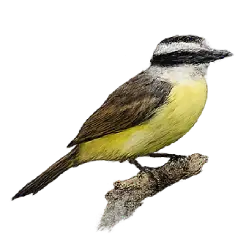
Great KiskadeeD
Shouts its name from every Guadalajara park and Chapala lakeshore tree, yellow belly and black mask unmistakable.
Spotting note: Abundant across the state.
Read species guide
Crested CaracaraC
Patrols the agave fields and ranchland around Tequila and Lake Chapala, walking the ground after insects and carrion.
Spotting note: Common in open farmland; check fence posts and roadkill.
Read species guide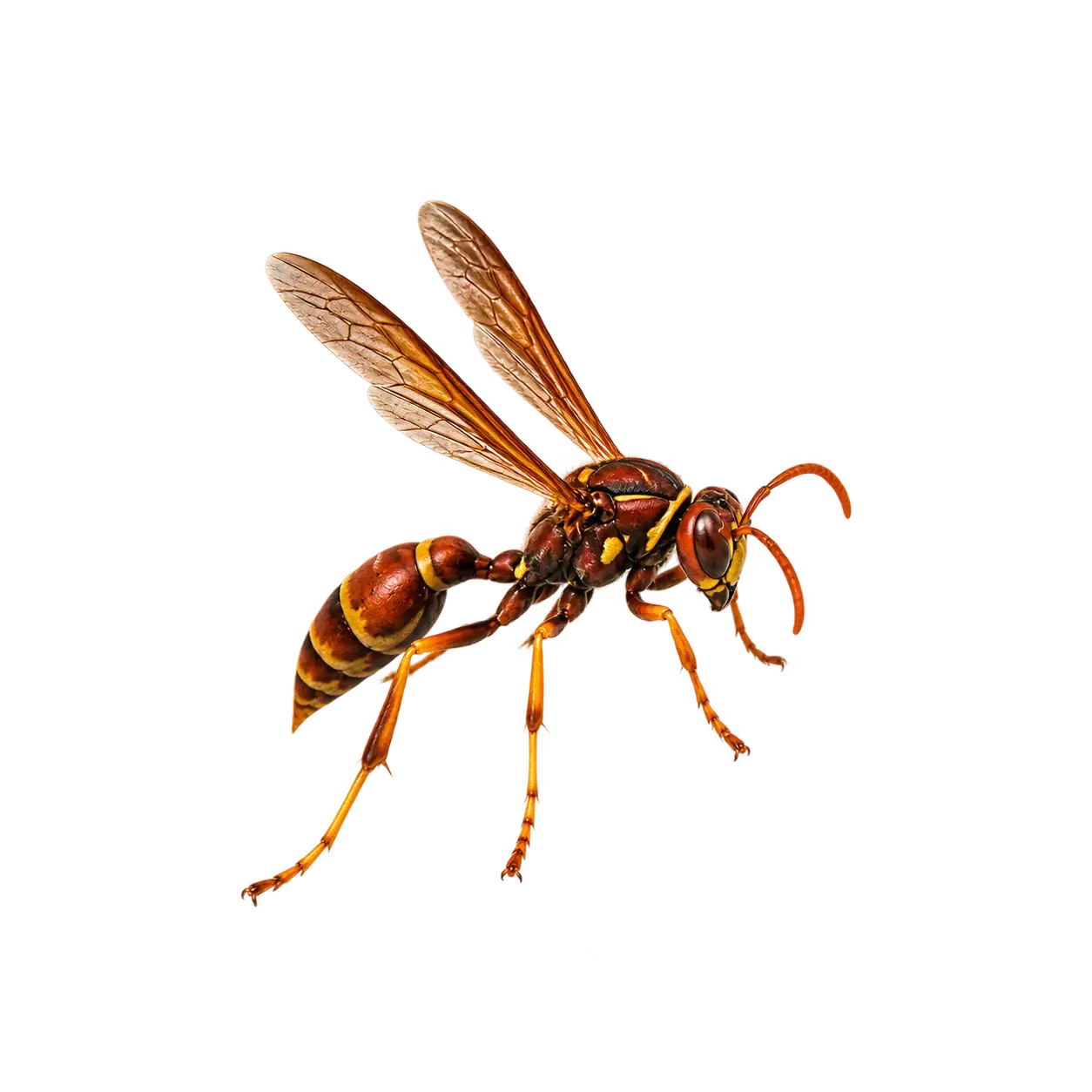
Mexican Paper WaspE
Builds open comb nests under eaves and ruin walls across the Jalisco highlands, and is one of the Mexican captures logged in AnimalDex.
Spotting note: Common in towns and gardens.
Read species guide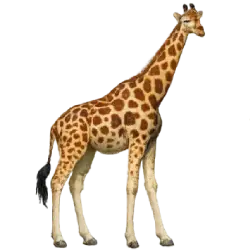
GiraffeB
The Guadalajara Zoo, Mexico's largest, runs a Masai safari drive with giraffes, zebras and rhinos on the edge of the Barranca de Huentitán.
Spotting note: Guaranteed at the Guadalajara Zoo on any open day.
Read species guideBest for
Use this section to decide whether the location fits your travel style, skill level, and AnimalDex goals.
- Winter humpback whales in Banderas Bay
- Summer and autumn turtle releases in Puerto Vallarta
- Boobies and reef life at the Islas Marietas
- Lake Chapala pelicans and the Guadalajara Zoo
Spotting tips
These tips are meant to make the page useful in the field, not just readable on the page.
- 01Book a small-boat whale trip from Marina Vallarta or La Cruz de Huanacaxtle between mid-December and mid-March; mornings are calmer and the calves are closest to Punta Mita.
- 02Check the turtle camp schedules at Nuevo Vallarta and the Marriott in Puerto Vallarta from August to December; releases happen at sunset and are free or by donation.
- 03At Petatán on Lake Chapala, arrive by 9 am when the fish-processing scraps go out and the pelicans crowd the shore; the village is an hour from Guadalajara via Jocotepec.
- 04The Boca de Tomates crocodile platform beside the Puerto Vallarta airport is free and reliable; stay on the platform, the animals are large and wild.
Virtual Wildlife Guides
Wildlife guides to Jalisco
AnimalDex builds virtual guides from explorers' own wild sightings: which animals they found, how rare they are, and when. A guide is advice from someone who has been there, not a tour. Buying one unlocks the author's notes for every animal, a chat with the author, and introductions to local people they met. Wildlife is never guaranteed.
Checking for virtual guides to Jalisco...
How to choose a local wildlife guide in Jalisco
- Ask what they usually find in the season you are visiting. A good guide gives an honest answer, not a promised sighting.
- Check how they treat animals: no baiting, calling in, handling, or close flash photography for a better shot.
- Confirm the meeting area, duration, group size, total price, and how you pay before the day, plus any permits or park fees the place requires.
Track the animals you find in Jalisco
Build your collection while you travel through Jalisco, from easy wins to the species worth planning around.
Related tier lists
These tier lists add broader context around the species that make this location interesting.
Biggest Animals in the World
A structured ranking of the biggest animals in the world, using the AnimalDex size stat to compare body scale across sea, land, and air.
Read tier listRelated locations
Keep exploring with nearby or similar destinations that support the same kind of AnimalDex discovery.
Animals in Mexico: What You Can Spot, Learn, and Collect
A practical Mexico wildlife guide built around wetlands, coasts, colorful birds, and the species that make the country strong for flexible animal discovery.
Read location guideAnimals in the Yucatán Peninsula: What You Can Spot, Learn, and Collect
Yucatán Peninsula wildlife guide: whale sharks at Holbox, Celestún flamingos, spider monkeys at Punta Laguna, Sian Ka'an crocodiles and manatees, Calakmul jaguars, coatis and motmots at the ruins.
Read location guideAnimals in Nuevo León: What You Can Spot, Learn, and Collect
Nuevo León wildlife guide: Chipinque's black bears above Monterrey, Cumbres de Monterrey pumas and golden eagles, green jays and roadrunners, Texas tortoises, grackles, cicadas and jumping spiders.
Read location guideLocation FAQ
Short direct answers to the questions travelers usually ask before choosing a wildlife destination or zoo day.
What wildlife is there in Jalisco?
Humpback whales, dolphins, olive ridley turtles, crocodiles, boobies, frigatebirds and pelicans on the Banderas Bay coast; coatis, jaguarundis, white-tailed deer, beaded lizards and iguanas in the Sierra Madre and dry forest; and huge winter pelican flocks and kiskadees around Lake Chapala.
What animals can be found in Jalisco's Puerto Vallarta area?
Humpback whales from December to March, olive ridley turtles nesting from July to December, crocodiles at El Salado estuary and Boca de Tomates, green iguanas along the Río Cuale, coatis at the Botanical Garden, and blue-footed boobies on the Islas Marietas.
When is whale season in Puerto Vallarta?
Humpback whales are in Banderas Bay from early December to late March, with the official season running 8 December to 23 March. Mothers and calves are most visible from January to February.
Is Lake Chapala good for birds?
Yes, especially in winter. Petatán hosts thousands of American white pelicans from November to March, and the shoreline towns of Ajijic and Chapala add egrets, kiskadees, grebes and caracaras year-round.
How do I find a wildlife guide to Jalisco?
Check the Wildlife Guides section on this page or browse Wildlife Guides on AnimalDex. Each one is a virtual guide built from an explorer's own wild sightings around Jalisco: the animals they found, how rare they are, and when. It is advice from someone who has been there, not a tour. If you want someone with you on the day, compare local guides on wildlife knowledge, how they treat animals, and clear pricing before you go.