

Animals in Nusa Penida: What You Can Spot, Learn, and Collect
Nusa Penida wildlife guide: reef mantas at Manta Point, ocean sunfish at Crystal Bay, reintroduced Bali mynas, sea kraits, turtles and sea eagles on the cliffs.
Quick answer
Start with the direct answer, then use the sections below to see why the location matters and which animals are actually realistic to spot there.
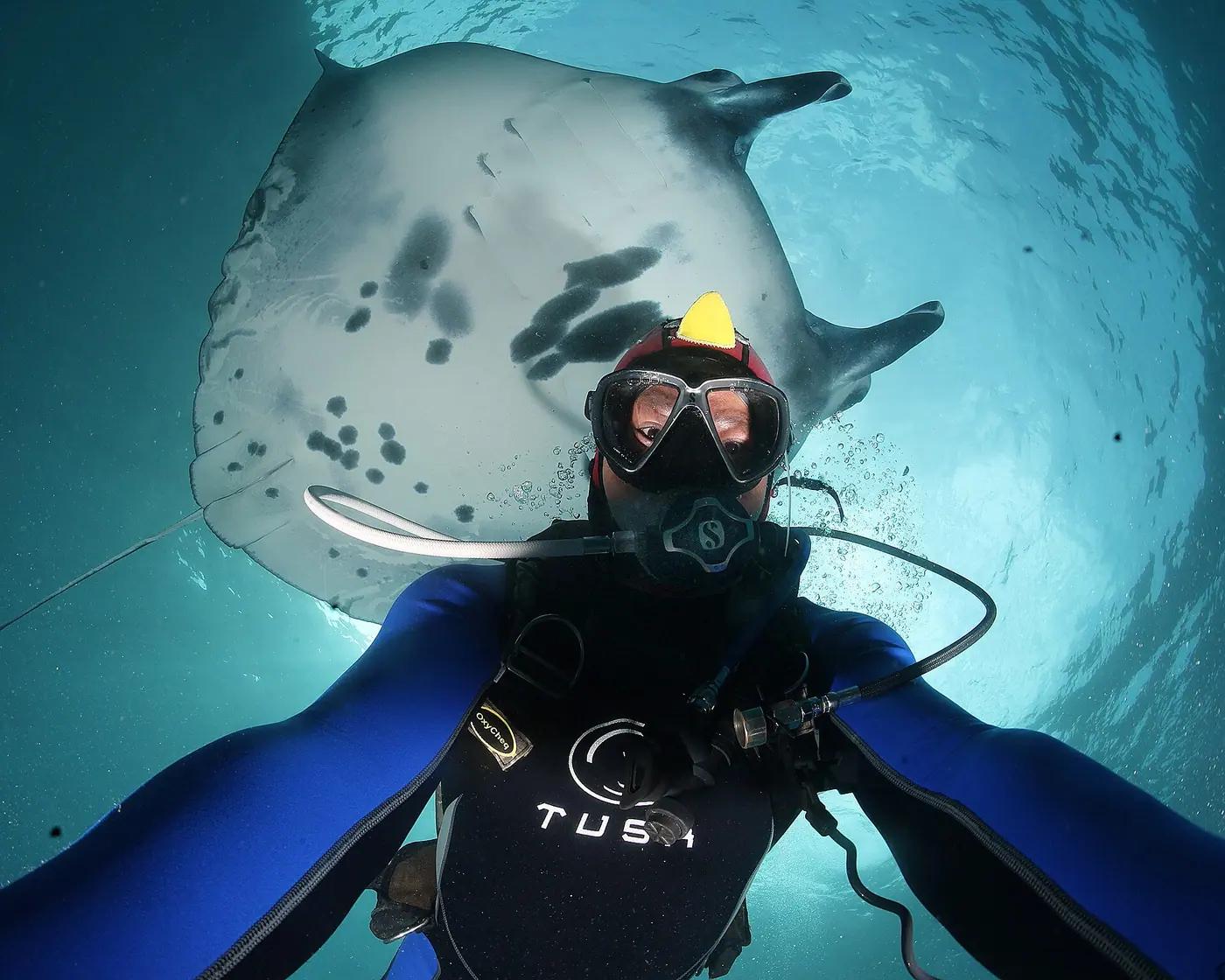
Nusa Penida is Bali's manta island. Reef mantas clean and feed at Manta Point and Manta Bay under the southern cliffs year-round, ocean sunfish rise to the Crystal Bay cleaning stations from July to October, and the north-coast reefs have turtles, reef sharks and dense fish life. On land the island is the other home of the Bali myna, released into village temples by a conservation project, with sea eagles and kites on the cliffs.
The island lies 40 minutes by fast boat from Sanur and is dry, limestone and cliff-edged, nothing like mainland Bali. Kelingking, Broken Beach and Angel's Billabong draw the crowds, while the boats work the south-west corner for mantas and the Toyapakeh channel for reefs.
Nusa Penida has been a bird sanctuary since 2006 under the Friends of the National Parks Foundation, which released Bali mynas, Java sparrows and lesser sulphur-crested cockatoos across the villages. The mynas now breed wild in the temple trees.
Why this location matters
Good location pages explain why the place is worth your time, not just which names belong on a destination checklist.
The Nusa Penida marine protected area covers 20,000 hectares and the manta population here is one of the best-studied in Indonesia, with hundreds of individuals identified by belly pattern.
The Bali myna is one of the rarest birds in the world; the Nusa Penida flock is a second population that insures against the West Bali National Park birds being poached.
Where to look
Wildlife map of Nusa Penida
This guide covers the region shown below. Zoom in to get your bearings before planning a trip.
Positions are geocoded from OpenStreetMap. Habitat access and opening times change — check locally before travelling. Smaller pins are public AnimalDex captures, placed to the nearest kilometre.
Field proof
Found in Nusa Penida by AnimalDex users
Real captures logged in the AnimalDex app inside this area and shared publicly by their collectors, with the animal confirmed by the app's identification. Places are shown to the nearest region, never the exact spot.
- 1
- public captures
- 1
- species recorded
- 1
- collectors
- 1
- wild sightings
Recent captures from the field
Species people have actually logged here
Every name links to its species guide. The count is how many public captures of that animal sit inside this area.
Collectors choose to share these captures on Discover and can withdraw them at any time. Coordinates are rounded to about a kilometre and refreshed with each site build.
Animals to spot
These are intentionally practical species picks, balancing accessibility, excitement, and what travelers can realistically notice in the location.

Reef Manta RayB
Manta Point under the southern cliffs is a cleaning station where reef mantas circle in a few metres of water; Manta Bay next door is the feeding site.
Spotting note: Near-guaranteed year-round; rough seas can cancel the trip.
Read species guide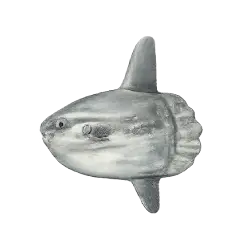
Ocean SunfishC
Mola come up from deep water to be cleaned by bannerfish at Crystal Bay and Blue Corner during the cool-water season.
Spotting note: Seasonal, July to October; regular but not guaranteed, usually for divers.
Read species guide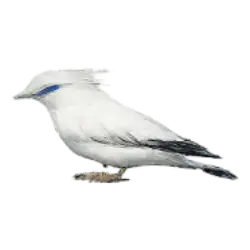
Bali MynaC
Released by FNPF, Bali mynas now nest in the temple trees of Ped and Bodong villages on the north coast and feed in the gardens.
Spotting note: Regular around Ped village; ask at the FNPF centre.
Read species guide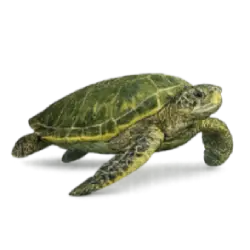
Green Sea TurtleC
Turtles rest on the ledges of the Toyapakeh and SD drift reefs and graze off Gamat Bay.
Spotting note: Near-guaranteed on north-coast dives and snorkels.
Read species guide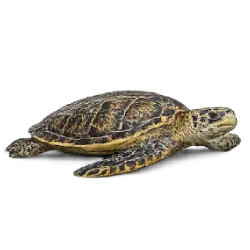
Hawksbill Sea TurtleC
Hawksbills browse the sponge-covered walls at Crystal Bay and the Lembongan channel.
Spotting note: Regular.
Read species guide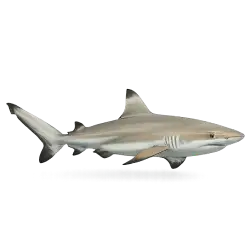
Blacktip Reef SharkC
Small reef sharks hunt the shallows at Gamat Bay and the Crystal Bay drop-off.
Spotting note: Common on morning dives.
Read species guide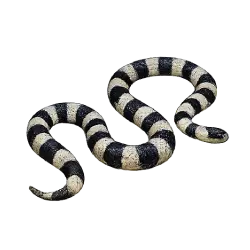
Sea KraitC
Banded sea kraits hunt eels in the coral at Crystal Bay and rest in the cliff-base rocks, ignoring snorkellers.
Spotting note: Regular at Crystal Bay; venomous but placid.
Read species guide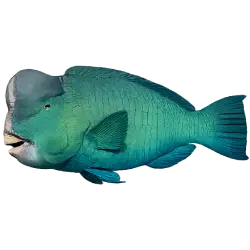
Humphead ParrotfishC
Bumphead parrotfish schools crunch along the Toyapakeh reef at dawn.
Spotting note: Regular on early drift dives.
Read species guide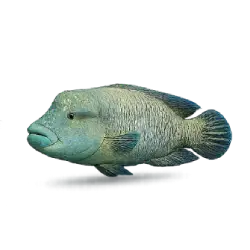
Napoleon WrasseB
Big humphead wrasse patrol the walls at Crystal Bay and Blue Corner.
Spotting note: Regular on current dives.
Read species guide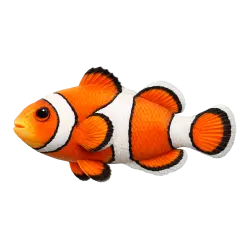
ClownfishE
Anemones line the shallow reef at Gamat Bay and the Lembongan mangrove channel.
Spotting note: Guaranteed on snorkels.
Read species guide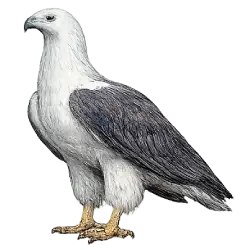
White-bellied Sea EagleB
Sea eagles nest on the Kelingking and Banah cliffs and fish the manta bays below.
Spotting note: Regular along the south cliffs.
Read species guide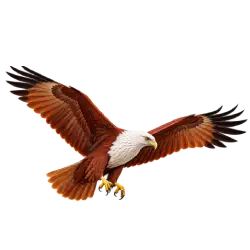
Brahminy KiteD
Kites hang over the Toyapakeh and Sampalan harbours for fish scraps.
Spotting note: Guaranteed on the north coast.
Read species guide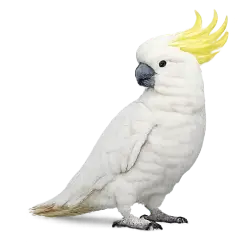
Sulphur-crested CockatooC
FNPF released lesser sulphur-crested cockatoos on Nusa Penida and a small flock survives in the dry forest near Ped, logged under this entry.
Spotting note: Rare; a handful of birds around the north-coast villages.
Read species guide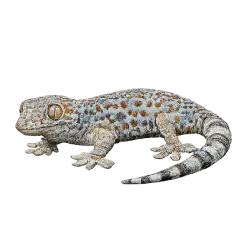
Tokay GeckoD
Tokays bark from every guesthouse roof in Toyapakeh and Crystal Bay after dark.
Spotting note: Heard nightly.
Read species guideBest for
Use this section to decide whether the location fits your travel style, skill level, and AnimalDex goals.
- Manta snorkelling at Manta Point and Manta Bay
- Mola diving at Crystal Bay in the cool season
- Bali myna watching at Ped village
- Drift diving the north-coast reefs
Spotting tips
These tips are meant to make the page useful in the field, not just readable on the page.
- 01Book the first manta boat of the day from Toyapakeh or Crystal Bay; the swell and the crowds build after 9 am.
- 02Mola season is July to October when the water drops below 24 degrees; divers at 20 to 30 metres see them, snorkellers rarely do.
- 03Visit the FNPF centre at Ped for current Bali myna nest sites; the birds feed in gardens near the temple in the late afternoon.
- 04Stay out of the water at Kelingking and Angel's Billabong; the swell there has killed visitors and the mantas are elsewhere.
Virtual Wildlife Guides
Wildlife guides to Nusa Penida
AnimalDex builds virtual guides from explorers' own wild sightings: which animals they found, how rare they are, and when. A guide is advice from someone who has been there, not a tour. Buying one unlocks the author's notes for every animal, a chat with the author, and introductions to local people they met. Wildlife is never guaranteed.
Checking for virtual guides to Nusa Penida...
How to choose a local wildlife guide in Nusa Penida
- Ask what they usually find in the season you are visiting. A good guide gives an honest answer, not a promised sighting.
- Check how they treat animals: no baiting, calling in, handling, or close flash photography for a better shot.
- Confirm the meeting area, duration, group size, total price, and how you pay before the day, plus any permits or park fees the place requires.
Track the animals you find in Nusa Penida
Build your collection while you travel through Nusa Penida, from easy wins to the species worth planning around.
Related locations
Keep exploring with nearby or similar destinations that support the same kind of AnimalDex discovery.
Animals in Bali: What You Can Spot, Learn, and Collect
A practical Bali wildlife guide built around animals travelers can realistically spot, from birds and coastal species to high-value sightings that make the island feel richer than a resort-only trip.
Read location guideAnimals in the Gili Islands: What You Can Spot, Learn, and Collect
Gili Islands wildlife guide: green and hawksbill turtles off Gili Meno, blacktip reef sharks at Shark Point, clownfish, morays and octopus on three car-free islands.
Read location guideAnimals in Lombok: What You Can Spot, Learn, and Collect
Lombok wildlife guide: macaques on the Pusuk pass, leaf monkeys and deer on Rinjani, Gili turtles and reef sharks, Sekotong reefs, flying foxes and tokay geckos.
Read location guideLocation FAQ
Short direct answers to the questions travelers usually ask before choosing a wildlife destination or zoo day.
What wildlife is there in Nusa Penida?
Nusa Penida has reef manta rays year-round, ocean sunfish in the cool season, green and hawksbill turtles, blacktip reef sharks, sea kraits and bumphead parrotfish on its reefs, and reintroduced Bali mynas, sea eagles and kites on land.
What animals can be found in Nusa Penida?
Mantas at Manta Point and Manta Bay are the main draw and are seen on most trips. Turtles and reef fish fill the north-coast reefs, and the villages around Ped hold the island's Bali myna population.
When is the best time to see mola in Nusa Penida?
July to October, when cold upwellings bring ocean sunfish to the cleaning stations at Crystal Bay and Blue Corner. Divers have the best chance in the early morning.
Can you snorkel with mantas in Nusa Penida?
Yes. Manta Point is shallow enough for snorkellers and most boats from Toyapakeh, Crystal Bay and Nusa Lembongan run morning manta snorkel trips. Keep still at the surface and let the mantas pass beneath you.
Have AnimalDex users found animals in Nusa Penida?
Yes. AnimalDex users have publicly logged 1 captures of 1 different species in Nusa Penida, including spotted dove. Each one was photographed in the app at the moment of the sighting.
How do I find a wildlife guide to Nusa Penida?
Check the Wildlife Guides section on this page or browse Wildlife Guides on AnimalDex. Each one is a virtual guide built from an explorer's own wild sightings around Nusa Penida: the animals they found, how rare they are, and when. It is advice from someone who has been there, not a tour. If you want someone with you on the day, compare local guides on wildlife knowledge, how they treat animals, and clear pricing before you go.