

Animals in Lombok: What You Can Spot, Learn, and Collect
Lombok wildlife guide: macaques on the Pusuk pass, leaf monkeys and deer on Rinjani, Gili turtles and reef sharks, Sekotong reefs, flying foxes and tokay geckos.
Quick answer
Start with the direct answer, then use the sections below to see why the location matters and which animals are actually realistic to spot there.
Lombok sits just east of the Wallace Line, so it mixes Bali-style wildlife with the first Australasian birds. Long-tailed macaques line the Pusuk monkey forest road, ebony leaf monkeys and rusa deer live on Rinjani's slopes, and the Gili islands and Sekotong peninsula give turtles, reef sharks and clownfish in a few metres of water. Users on the island mostly log geckos, sparrows, zebra doves and the insects of guesthouse gardens.
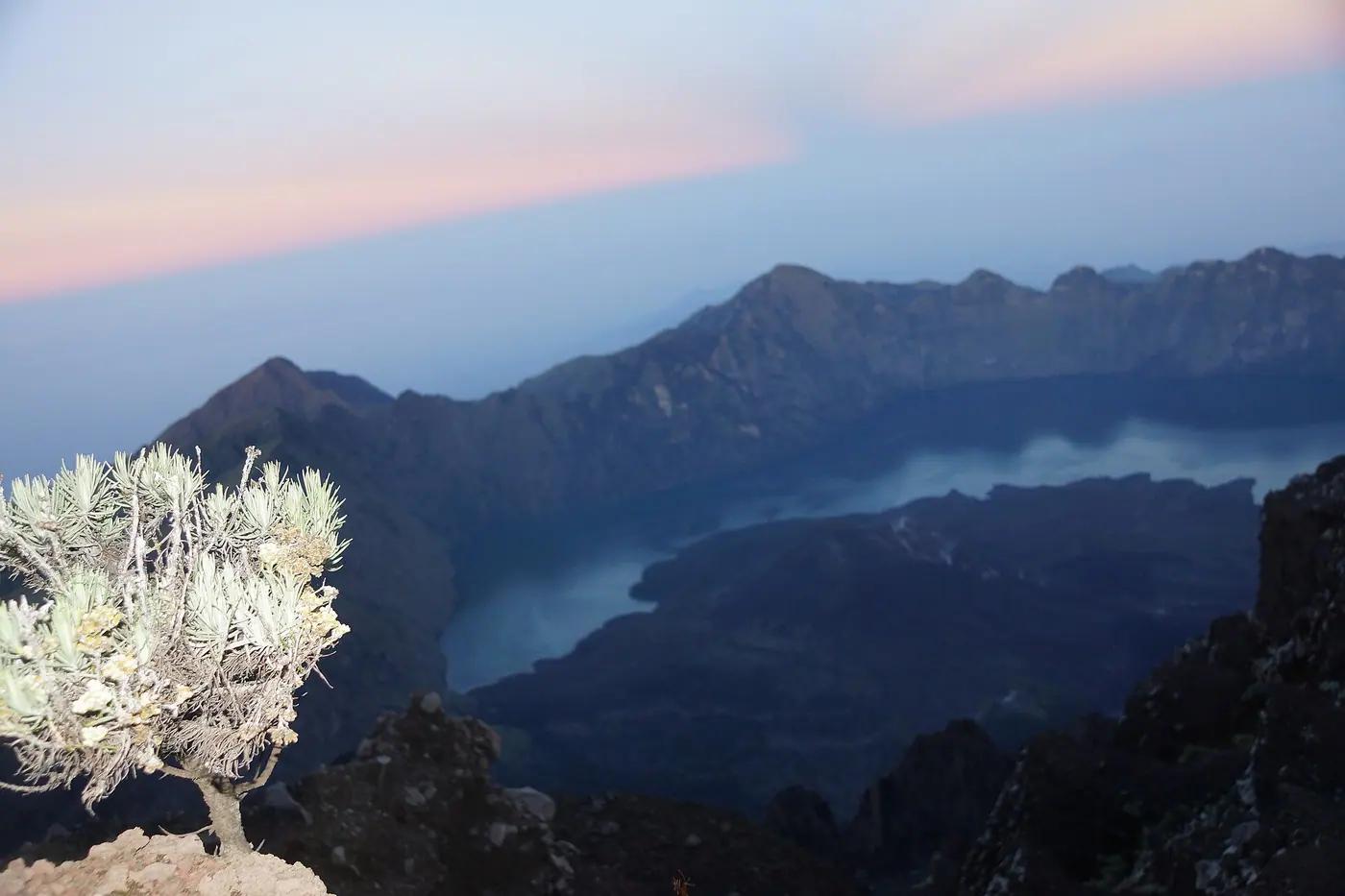
Mount Rinjani fills the north of Lombok, with the Senaru waterfalls and the Pusuk pass forest as the easy wildlife stops. The south coast around Kuta and Selong Belanak is dry hills and surf beaches, and the west has Senggigi and the three Gilis.
The island is less built-up than Bali and the countryside opens quickly: rice plains full of egrets and pond herons, tobacco fields with zebra doves, and hills where helmeted friarbirds and honeyeaters show you are east of Wallace's line.
Why this location matters
Good location pages explain why the place is worth your time, not just which names belong on a destination checklist.
Rinjani's forest is the water source for the whole island and the last refuge of Lombok's leaf monkeys and the hill birds that mark the start of Australasia; the national park is a UNESCO Global Geopark.
Gili Trawangan's turtle population recovered through hatcheries and dive-operator pressure on fishing, making the Gilis one of the easiest places in Asia to see wild sea turtles.
Where to look
Wildlife map of Lombok
This guide covers the region shown below. Zoom in to get your bearings before planning a trip.
Positions are geocoded from OpenStreetMap. Habitat access and opening times change — check locally before travelling. Smaller pins are public AnimalDex captures, placed to the nearest kilometre.
Field proof
Found in Lombok by AnimalDex users
Real captures logged in the AnimalDex app inside this area and shared publicly by their collectors, with the animal confirmed by the app's identification. Places are shown to the nearest region, never the exact spot.
- 13
- public captures
- 11
- species recorded
- 2
- collectors
- 12
- wild sightings
Recent captures from the field
Species people have actually logged here
Every name links to its species guide. The count is how many public captures of that animal sit inside this area.
Collectors choose to share these captures on Discover and can withdraw them at any time. Coordinates are rounded to about a kilometre and refreshed with each site build.
Animals to spot
These are intentionally practical species picks, balancing accessibility, excitement, and what travelers can realistically notice in the location.

Long-tailed MacaqueC
The Pusuk pass road between Mataram and Senaru is lined with macaques waiting for passing cars, and more troops live at Senaru's waterfalls.
Spotting note: Guaranteed on the Pusuk road.
Read species guide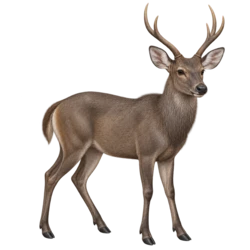
Javan Rusa DeerC
Rusa deer graze the Sembalun grasslands on Rinjani's eastern flank and the dry hills of the south coast.
Spotting note: Fairly common on the Sembalun trek at dawn.
Read species guide
Wild BoarB
Pigs root through the Rinjani forest and around the crater-rim campsites at night, drawn by trekkers' food.
Spotting note: Common around Rinjani camps.
Read species guide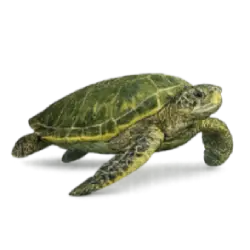
Green Sea TurtleC
Turtles feed on the seagrass off Gili Meno and Gili Trawangan and rest on the Sekotong reefs.
Spotting note: Near-guaranteed snorkelling the Gilis.
Read species guide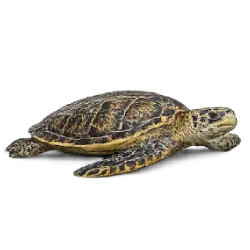
Hawksbill Sea TurtleC
Hawksbills pick at sponges on the Gili reefs and nest on quiet beaches at Sekotong and the south coast.
Spotting note: Regular on Gili snorkels and dives.
Read species guide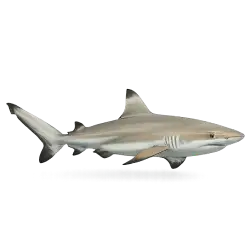
Blacktip Reef SharkC
Juvenile sharks patrol the shallows at Shark Point off Gili Trawangan and in the Gili Nanggu lagoon at Sekotong.
Spotting note: Common at Shark Point.
Read species guide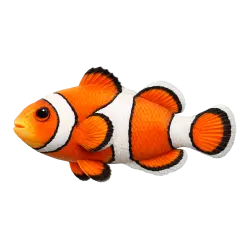
ClownfishE
Anemones with clownfish sit in a metre of water off the Gili Air and Gili Nanggu beaches.
Spotting note: Guaranteed on any reef snorkel.
Read species guide
Large Flying FoxD
Fruit bats leave mangrove and fig roosts on the west coast at dusk and feed in the Senggigi hills.
Spotting note: Regular at dusk.
Read species guide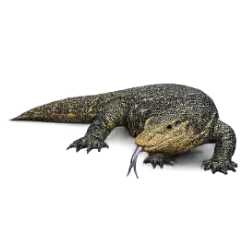
Water MonitorC
Monitors hunt crabs in the Sekotong and Gili Gede mangroves and raid chicken runs on the rice plain.
Spotting note: Common near water.
Read species guide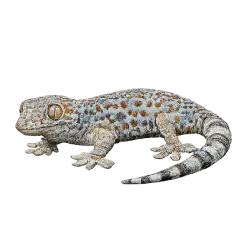
Tokay GeckoD
Lombok's homestay roofs ring with the 'to-kay' call after dark; the island's big gecko is hard to miss.
Spotting note: Heard nightly; seen on walls near lights.
Read species guide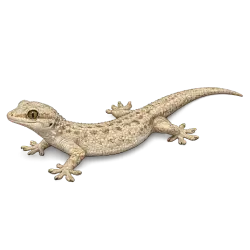
Common House GeckoE
The most-captured animal by AnimalDex users in West Nusa Tenggara, hunting insects on every guesthouse wall.
Spotting note: Guaranteed.
Read species guide
Zebra DoveD
Zebra doves feed on the tobacco and rice-field tracks of central Lombok and have been logged by users on the island.
Spotting note: Very common in farmland.
Read species guide
Eurasian Tree SparrowE
The sparrow of every Lombok market and mosque courtyard, a frequent user capture.
Spotting note: Guaranteed in towns.
Read species guide Saltwater CrocodileA
Logged by a user in West Nusa Tenggara; crocodiles occasionally turn up in Lombok's east-coast mangroves and the Alas strait.
Spotting note: Rare and mostly a straying animal; treat east-coast estuaries with care.
Read species guideBest for
Use this section to decide whether the location fits your travel style, skill level, and AnimalDex goals.
- Turtle snorkelling in the Gili islands
- Roadside macaques at the Pusuk pass
- Rinjani treks with deer and boar at the camps
- Quiet reef snorkelling at Sekotong
Spotting tips
These tips are meant to make the page useful in the field, not just readable on the page.
- 01Drive the Pusuk pass in the early morning when the macaques sit on the road edge and the forest birds are active.
- 02On the Gilis, snorkel the Meno Wall and the seagrass off Trawangan's east beach at high tide for turtles.
- 03At Rinjani camps hang food in a bag; the boar and macaques visit every night.
- 04Ebony leaf monkeys are shy; scan the big fig trees along the Senaru waterfall trail rather than the roadside.
Virtual Wildlife Guides
Wildlife guides to Lombok
AnimalDex builds virtual guides from explorers' own wild sightings: which animals they found, how rare they are, and when. A guide is advice from someone who has been there, not a tour. Buying one unlocks the author's notes for every animal, a chat with the author, and introductions to local people they met. Wildlife is never guaranteed.
Checking for virtual guides to Lombok...
How to choose a local wildlife guide in Lombok
- Ask what they usually find in the season you are visiting. A good guide gives an honest answer, not a promised sighting.
- Check how they treat animals: no baiting, calling in, handling, or close flash photography for a better shot.
- Confirm the meeting area, duration, group size, total price, and how you pay before the day, plus any permits or park fees the place requires.
Track the animals you find in Lombok
Build your collection while you travel through Lombok, from easy wins to the species worth planning around.
Related locations
Keep exploring with nearby or similar destinations that support the same kind of AnimalDex discovery.
Animals in the Gili Islands: What You Can Spot, Learn, and Collect
Gili Islands wildlife guide: green and hawksbill turtles off Gili Meno, blacktip reef sharks at Shark Point, clownfish, morays and octopus on three car-free islands.
Read location guideAnimals in Bali: What You Can Spot, Learn, and Collect
A practical Bali wildlife guide built around animals travelers can realistically spot, from birds and coastal species to high-value sightings that make the island feel richer than a resort-only trip.
Read location guideAnimals in Indonesia: What You Can Spot, Learn, and Collect
A practical guide to animals in Indonesia, from accessible birds and coastal wildlife to headline species that make the country one of the world's strongest wildlife-travel destinations.
Read location guideLocation FAQ
Short direct answers to the questions travelers usually ask before choosing a wildlife destination or zoo day.
What wildlife is there in Lombok?
Lombok has long-tailed macaques, ebony leaf monkeys, rusa deer and wild boar on Mount Rinjani, flying foxes and water monitors on the coasts, and green and hawksbill turtles, reef sharks and clownfish around the Gili islands and Sekotong.
What animals can be found in Lombok?
Easy animals include macaques at the Pusuk pass, turtles at the Gilis, geckos on every wall, and zebra doves and tree sparrows in the fields and towns. Harder ones are Rinjani's leaf monkeys and the friarbirds of the dry hills.
Where can you see turtles in Lombok?
Gili Meno and Gili Trawangan have resident green and hawksbill turtles on the seagrass beds and reef walls; snorkel from the beach at high tide. Gili Nanggu at Sekotong is a quieter alternative.
Are there monkeys in Lombok?
Yes. Long-tailed macaques are common and sit along the Pusuk pass road waiting for food, and the darker ebony leaf monkey lives in Rinjani's forest and is seen on the Senaru trails with patience.
Have AnimalDex users found animals in Lombok?
Yes. AnimalDex users have publicly logged 13 captures of 11 different species in Lombok, including african pygmy hedgehog, common house gecko, eurasian tree sparrow, fischer's lovebird. Each one was photographed in the app at the moment of the sighting.
How do I find a wildlife guide to Lombok?
Check the Wildlife Guides section on this page or browse Wildlife Guides on AnimalDex. Each one is a virtual guide built from an explorer's own wild sightings around Lombok: the animals they found, how rare they are, and when. It is advice from someone who has been there, not a tour. If you want someone with you on the day, compare local guides on wildlife knowledge, how they treat animals, and clear pricing before you go.