

Animals in the Pantanal: What You Can Spot, Learn, and Collect
Pantanal wildlife guide: the best place on earth to see wild jaguars, plus giant otters, hyacinth macaws, caimans, capybaras and jabirus on the Transpantaneira.
Quick answer
Start with the direct answer, then use the sections below to see why the location matters and which animals are actually realistic to spot there.
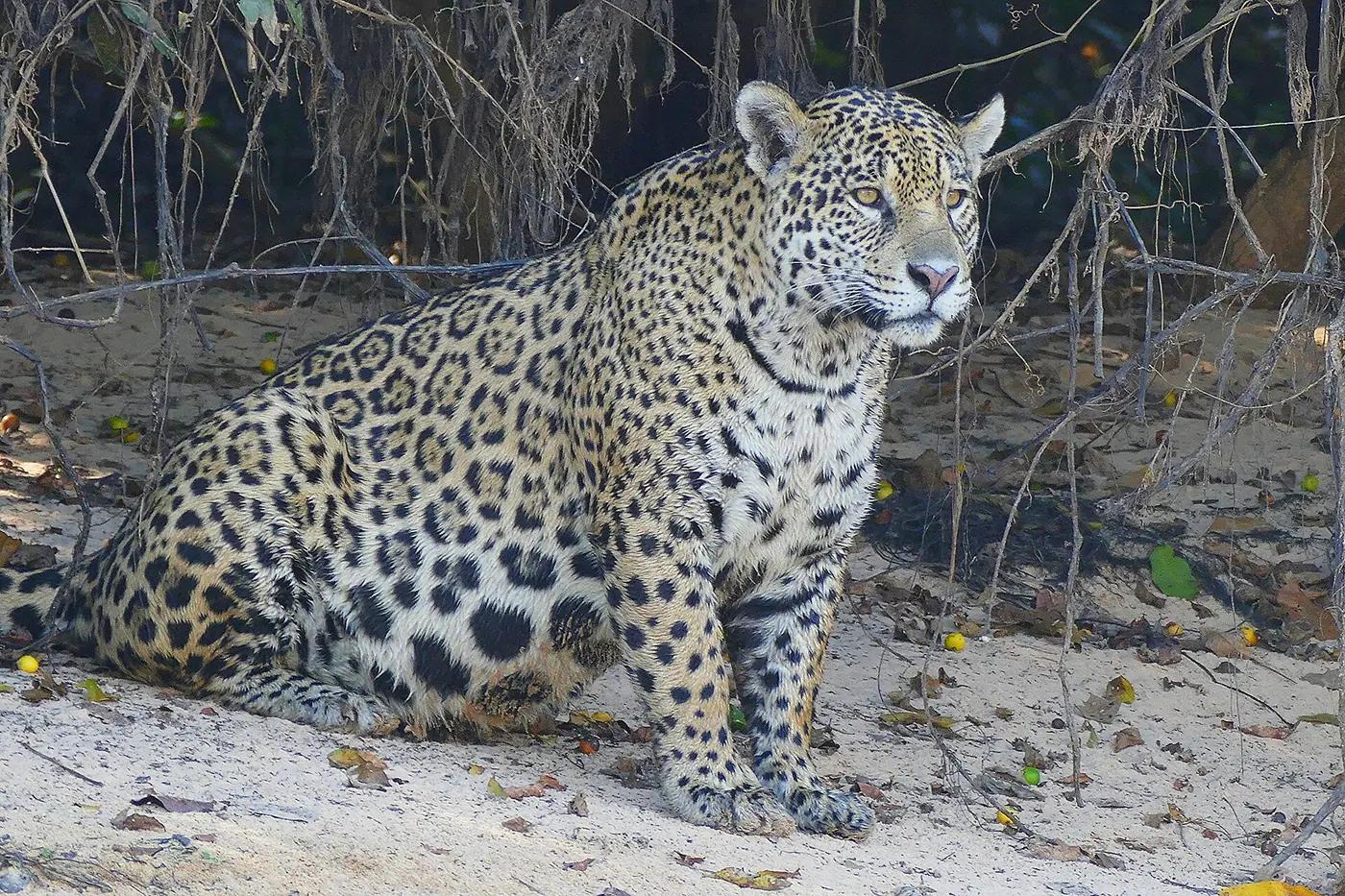
The Pantanal is the world's largest tropical wetland and the easiest place anywhere to see a wild jaguar. Boat safaris from Porto Jofre find jaguars on the riverbanks most days in the dry season, while the Transpantaneira road passes thousands of yacare caimans, capybaras, jabiru storks and hyacinth macaws, with giant otters, tapirs, giant anteaters and marsh deer in the mix.
Open floodplain, not forest, is why the Pantanal works. Animals that hide in the Amazon stand in plain view here on riverbanks and drying lagoons, and the dry season from June to October concentrates them around the remaining water.
There are two Pantanals for visitors. The northern Mato Grosso side has the Transpantaneira dirt road ending at Porto Jofre, the jaguar capital of the world. The southern Mato Grosso do Sul side around Miranda and Aquidauana is ranch country with hyacinth macaws, anteaters and horseback safaris.
Why this location matters
Good location pages explain why the place is worth your time, not just which names belong on a destination checklist.
No other place offers jaguar sightings this reliable, and the boat tourism around Porto Jofre has turned a cattle-ranching conflict into a reason for ranchers to tolerate the cats. Logging a Pantanal jaguar is logging that story working.
The wetland also shows wildlife at raw density: caimans by the thousand, capybara herds on every bank, storks and spoonbills in flocks. For a new collector it is the fastest place in South America to build a long list.
Where to look
Wildlife map of Pantanal
This guide covers the region shown below. Zoom in to get your bearings before planning a trip.
Positions are geocoded from OpenStreetMap. Habitat access and opening times change — check locally before travelling.
Animals to spot
These are intentionally practical species picks, balancing accessibility, excitement, and what travelers can realistically notice in the location.
JaguarA
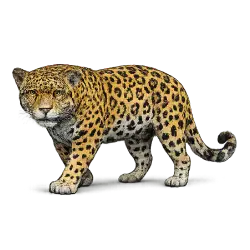
Jaguars hunt caimans and capybaras along the Cuiabá, Piquiri and Três Irmãos rivers near Porto Jofre, and boats find them resting on the banks in daylight.
Spotting note: Likely on a three-day boat safari in July to October; rare elsewhere.
Read species guide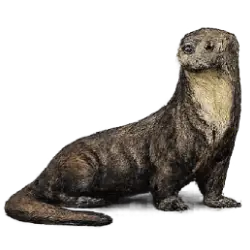
Giant OtterB
Family groups of giant otters fish the river channels and holler at boats from the bank dens.
Spotting note: Regular on the Porto Jofre rivers and the Rio Claro.
Read species guide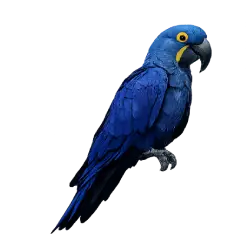
Hyacinth MacawB
The largest parrot on earth feeds on acuri palm nuts and nests in manduvi trees around the southern ranches and along the Transpantaneira.
Spotting note: Reliable at Pousada Araras and the ranches near Miranda.
Read species guide
Yacare CaimanC
Hundreds pile up on the drying pools beside the Transpantaneira bridges, mouths open in the heat.
Spotting note: Guaranteed; the first animal you see and the last.
Read species guide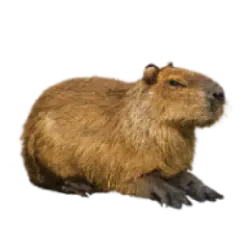
CapybaraD
Capybara herds graze every riverbank and lodge lawn, dropping into the water when a jaguar appears.
Spotting note: Guaranteed everywhere.
Read species guide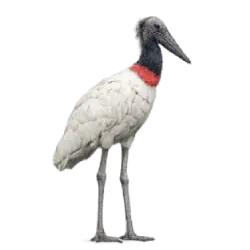
JabiruC
The huge stork with the red neck ring, symbol of the Pantanal, stands on nests in the tallest trees along the road.
Spotting note: Common; nests are visible from the Transpantaneira.
Read species guide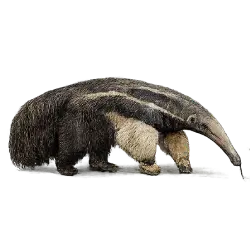
Giant AnteaterC
Anteaters cross the open ranchland of the southern Pantanal in daylight and are a highlight of horseback safaris around Aquidauana.
Spotting note: Likely in the south, especially late afternoon.
Read species guide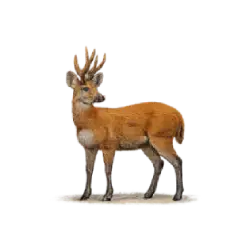
Marsh DeerB
The tall red deer of the floodplain wades the roadside marshes along the Transpantaneira at dawn.
Spotting note: Regular in the northern Pantanal marshes.
Read species guide
South American TapirB
Tapirs come to the lodge lawns and salt licks after dark and cross the Transpantaneira on night drives.
Spotting note: Likely on night drives from Pouso Alegre and similar lodges.
Read species guide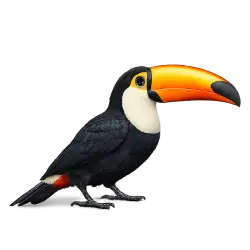
Toco ToucanC
Toucans fly between the gallery-forest fruit trees and the lodge feeders in pairs and small groups.
Spotting note: Common at most lodges.
Read species guide
Yellow AnacondaB
The Pantanal's anaconda hunts caimans and birds in the shallow marshes and basks on the road verges in the cool season.
Spotting note: Occasional; most often found by guides on the Transpantaneira bridges.
Read species guide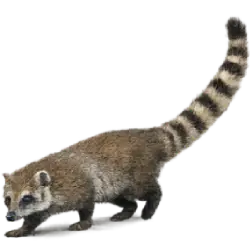
South American CoatiC
Coati bands forage the lodge grounds and forest edges with tails held straight up.
Spotting note: Common around lodges.
Read species guide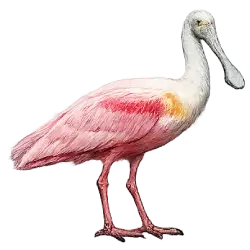
Roseate SpoonbillC
Pink spoonbills sweep the drying lagoons alongside wood storks and herons in the dry season.
Spotting note: Common on roadside pools.
Read species guide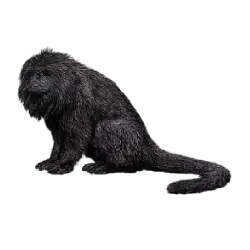
Black Howler MonkeyC
Black males and golden females howl from the gallery forest at dawn and sit in the trees above the lodges.
Spotting note: Common; follow the roar at first light.
Read species guideBest for
Use this section to decide whether the location fits your travel style, skill level, and AnimalDex goals.
- The world's most reliable wild jaguar sightings
- Giant otters, caimans and capybaras from a boat
- Hyacinth macaws and jabiru storks along the Transpantaneira
- Night drives for tapirs, anteaters and ocelots
Spotting tips
These tips are meant to make the page useful in the field, not just readable on the page.
- 01Base at Porto Jofre or on a houseboat for jaguars and spend full days on the water; boat drivers share sightings by radio.
- 02Drive the Transpantaneira slowly and stop at every wooden bridge, the pools below them concentrate caimans, capybaras, kingfishers and the occasional anaconda.
- 03For hyacinth macaws head south to the Miranda and Aquidauana ranches, where they nest around the lodges.
- 04Visit in the dry season (June to October); the wet season floods the road, scatters the animals and brings the mosquitoes.
Virtual Wildlife Guides
Wildlife guides to Pantanal
AnimalDex builds virtual guides from explorers' own wild sightings: which animals they found, how rare they are, and when. A guide is advice from someone who has been there, not a tour. Buying one unlocks the author's notes for every animal, a chat with the author, and introductions to local people they met. Wildlife is never guaranteed.
Checking for virtual guides to Pantanal...
How to choose a local wildlife guide in Pantanal
- Ask what they usually find in the season you are visiting. A good guide gives an honest answer, not a promised sighting.
- Check how they treat animals: no baiting, calling in, handling, or close flash photography for a better shot.
- Confirm the meeting area, duration, group size, total price, and how you pay before the day, plus any permits or park fees the place requires.
Track the animals you find in Pantanal
Build your collection while you travel through Pantanal, from easy wins to the species worth planning around.
Related tier lists
These tier lists add broader context around the species that make this location interesting.
Animals With the Strongest Bite Force
A structured ranking of animals with the strongest bite force, balancing crushing power, jaw design, and real finishing use instead of viral exaggeration.
Read tier listBest Hunters in the Animal World
A structured ranking of the best hunters in the animal world, balancing success rate, kill efficiency, tracking ability, coordination, and finishing power.
Read tier listRelated locations
Keep exploring with nearby or similar destinations that support the same kind of AnimalDex discovery.
Animals in Brazil: What You Can Spot, Learn, and Collect
A practical Brazil wildlife guide built around wetlands, rainforest color, and the species that make the country feel big, alive, and worth collecting carefully.
Read location guideAnimals in the Amazon Rainforest: What You Can Spot, Learn, and Collect
What animals live in the Amazon rainforest: pink river dolphins, sloths, macaws, hoatzins, caimans and giant otters, and how realistic a jaguar sighting is.
Read location guideAnimals in Minas Gerais: What You Can Spot, Learn, and Collect
Wildlife in Minas Gerais: giant anteaters and rheas on the Serra da Canastra plateau, maned wolves at the Caraça sanctuary, giant armadillos and seriemas.
Read location guideLocation FAQ
Short direct answers to the questions travelers usually ask before choosing a wildlife destination or zoo day.
What wildlife is there in the Pantanal?
Jaguars, giant otters, hyacinth macaws, yacare caimans, capybaras, jabiru storks, giant anteaters, marsh deer, tapirs, toucans, howler monkeys, coatis, anacondas and enormous flocks of herons, spoonbills and storks on the drying lagoons.
What animals can be found in the Pantanal?
Caimans, capybaras, jabirus, toucans and coatis are guaranteed along the Transpantaneira. Jaguars and giant otters are likely on multi-day boat trips from Porto Jofre. Tapirs and anteaters are regular on night drives and ranch safaris in the south.
When is the best time to see jaguars in the Pantanal?
July to October, the heart of the dry season, when low rivers expose the beaches where jaguars rest and hunt caimans. Three full days on the water from Porto Jofre gives most visitors multiple sightings.
Is the Pantanal better than the Amazon for seeing animals?
For seeing them, yes. The Amazon has more species but hides them in a forty-metre canopy; the Pantanal's open wetland puts jaguars, otters, caimans and macaws in plain sight. Go to the Pantanal for mammals and the Amazon for sheer diversity.
How do I find a wildlife guide to Pantanal?
Check the Wildlife Guides section on this page or browse Wildlife Guides on AnimalDex. Each one is a virtual guide built from an explorer's own wild sightings around Pantanal: the animals they found, how rare they are, and when. It is advice from someone who has been there, not a tour. If you want someone with you on the day, compare local guides on wildlife knowledge, how they treat animals, and clear pricing before you go.