

Animals in the Thousand Islands: What You Can Spot, Learn, and Collect
Kepulauan Seribu wildlife guide: hawksbill hatchlings at Pramuka island, blacktip reef sharks, clownfish, mudskippers, fiddler crabs and sea eagles near Jakarta.
Quick answer
Start with the direct answer, then use the sections below to see why the location matters and which animals are actually realistic to spot there.
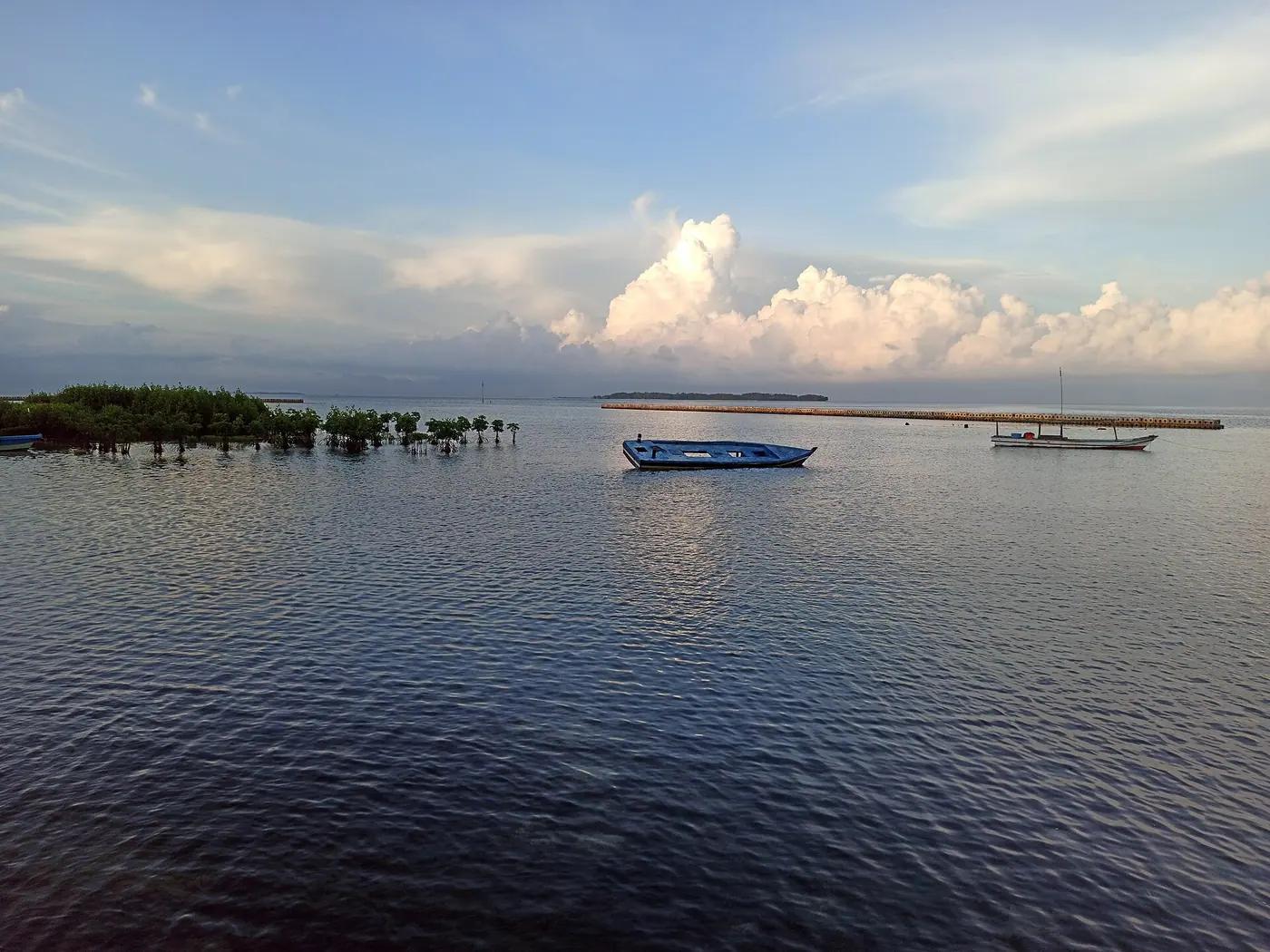
The Thousand Islands are Jakarta's offshore national park, about 110 small coral islands starting an hour by boat from Ancol. Pramuka island runs a hawksbill turtle hatchery and a reef-shark nursery, the outer islands have clownfish, morays and sea stars on recovering reefs, and the mangroves hold mudskippers, fiddler crabs, herons and sea eagles. Hermit crabs and house geckos cover the rest.
Kepulauan Seribu Marine National Park covers the northern islands around Pramuka, Harapan, Kelapa and Tidung. The southern islands near Bidadari and Onrust are too close to the Jakarta river plumes for good coral; the further north you go, the clearer the water.
Weekend homestays on Pramuka, Harapan and Tidung include snorkelling trips to small uninhabited islets. The Jakarta parks office and local groups replant mangroves and release turtle hatchlings, and visitors can join both.
Why this location matters
Good location pages explain why the place is worth your time, not just which names belong on a destination checklist.
The park is one of the few places where a city of 30 million people can see wild sea turtles and sharks, and that visibility is what has kept hawksbill nesting beaches and the reef-shark nursery funded.
Jakarta Bay's pollution and sediment reach the southern islands, so the northern reefs are a live indicator of what the capital's rivers are doing.
Where to look
Wildlife map of Thousand Islands (Kepulauan Seribu)
This guide covers the region shown below. Zoom in to get your bearings before planning a trip.
Positions are geocoded from OpenStreetMap. Habitat access and opening times change — check locally before travelling.
Animals to spot
These are intentionally practical species picks, balancing accessibility, excitement, and what travelers can realistically notice in the location.
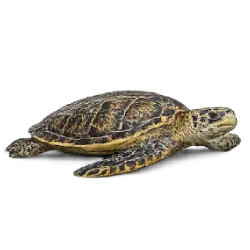
Hawksbill Sea TurtleC
Pramuka island's hatchery incubates hawksbill eggs collected from Peteloran and the outer islands and releases hatchlings at dusk.
Spotting note: Guaranteed at the Pramuka hatchery; adults seen on snorkels at the outer islets.
Read species guide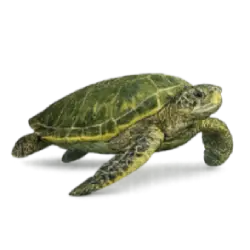
Green Sea TurtleC
Green turtles graze seagrass off Pulau Semak Daun and Pulau Gosong and surface near anchored boats.
Spotting note: Regular on snorkel trips north of Pramuka.
Read species guide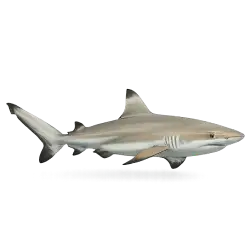
Blacktip Reef SharkC
Pramuka's shark nursery pen and the shallows of Pulau Semak Daun hold juvenile blacktips; AnimalDex users in West Jakarta have logged the species at the Ancol aquarium too.
Spotting note: Guaranteed in the nursery; occasional free-swimming at outer islets.
Read species guide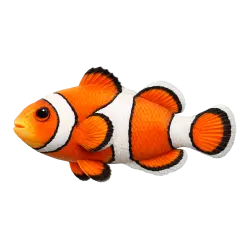
ClownfishE
Anemones with clownfish are the standard find on the house reefs at Pulau Air, Macan and Semak Daun.
Spotting note: Near-guaranteed on any snorkel.
Read species guide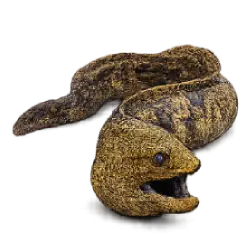
Moray EelC
Morays sit in the coral heads off Pulau Kotok and Pulau Sepa, the islands with the best remaining reef.
Spotting note: Regular on dives, occasional for snorkellers.
Read species guide
Chocolate Chip Sea StarE
Horned sea stars sit on the seagrass and sand flats at Tidung and Pramuka in shin-deep water; logged by users in Jakarta.
Spotting note: Common on shallow sand flats.
Read species guide
Long-spined Sea UrchinE
Black urchins crowd the jetty pilings and rocky edges at Pramuka and Harapan.
Spotting note: Guaranteed around jetties.
Read species guide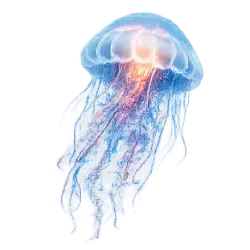
JellyfishC
Seasonal jellyfish drift through the Pramuka channel in the west monsoon, when swimmers wear rash guards.
Spotting note: Seasonal, December to February.
Read species guide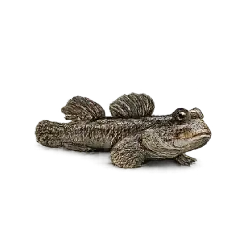
MudskipperE
Mudskippers skip across the mangrove mud at Pramuka's replanting boardwalk and Pulau Kelapa Dua at low tide.
Spotting note: Common at low tide in the mangroves.
Read species guide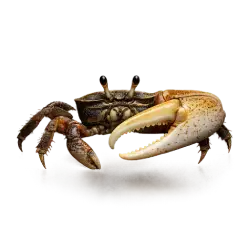
Fiddler CrabE
Males wave their single big claw from burrows on the mudflats behind the Pramuka and Harapan mangroves.
Spotting note: Common at low tide.
Read species guide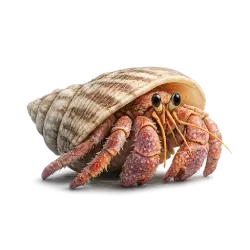
Hermit CrabE
The beaches of Tidung and Harapan crawl with hermit crabs after dark, dragging shells across the sand.
Spotting note: Guaranteed at night.
Read species guide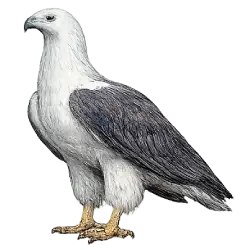
White-bellied Sea EagleB
A pair nests on the casuarinas of Pulau Rambut bird sanctuary and fishes the channels between the islands.
Spotting note: Regular near Pulau Rambut and the outer islets.
Read species guide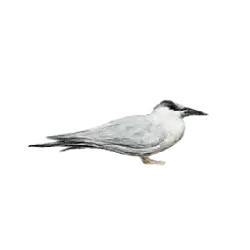
Black-naped TernD
Terns fish the channels between Pramuka and Semak Daun and roost on sand spits at low tide.
Spotting note: Common in the dry season.
Read species guide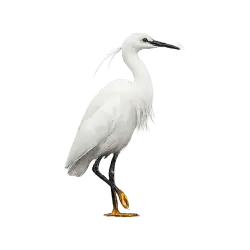
Little EgretD
Egrets stalk the reef flats and mangrove edges and roost by the thousand on Pulau Rambut with herons and cormorants.
Spotting note: Common; Pulau Rambut's roost is spectacular at dusk.
Read species guideBest for
Use this section to decide whether the location fits your travel style, skill level, and AnimalDex goals.
- Turtle hatchery visits on Pramuka island
- Beginner snorkelling an hour from Jakarta
- Mangrove boardwalks with mudskippers and crabs
- Seabird roosts at Pulau Rambut
Spotting tips
These tips are meant to make the page useful in the field, not just readable on the page.
- 01Go midweek and head to the northern islands (Pramuka, Harapan, Semak Daun); southern water near Jakarta is too murky for reef life.
- 02Ask your homestay to time a snorkel trip for the morning slack tide when visibility peaks.
- 03Hatchling releases at Pramuka happen at dusk when eggs are hatching; ask the park office (Balai TN Kepulauan Seribu) that morning.
- 04Pulau Rambut needs a permit from the Jakarta conservation office but gives egrets, herons, cormorants and sea eagles coming in to roost.
Virtual Wildlife Guides
Wildlife guides to Thousand Islands (Kepulauan Seribu)
AnimalDex builds virtual guides from explorers' own wild sightings: which animals they found, how rare they are, and when. A guide is advice from someone who has been there, not a tour. Buying one unlocks the author's notes for every animal, a chat with the author, and introductions to local people they met. Wildlife is never guaranteed.
Checking for virtual guides to Thousand Islands (Kepulauan Seribu)...
How to choose a local wildlife guide in Thousand Islands (Kepulauan Seribu)
- Ask what they usually find in the season you are visiting. A good guide gives an honest answer, not a promised sighting.
- Check how they treat animals: no baiting, calling in, handling, or close flash photography for a better shot.
- Confirm the meeting area, duration, group size, total price, and how you pay before the day, plus any permits or park fees the place requires.
Track the animals you find in Thousand Islands (Kepulauan Seribu)
Build your collection while you travel through Thousand Islands (Kepulauan Seribu), from easy wins to the species worth planning around.
Related locations
Keep exploring with nearby or similar destinations that support the same kind of AnimalDex discovery.
Wildlife in Jakarta: Best Animals to Spot Near the City
A structured Jakarta wildlife guide focused on realistic city and near-city animal spotting, with practical routes for urban travelers, families, and zoo visitors.
Read location guideAnimals You Can Spot in West Java
A practical West Java location guide built around realistic spotting opportunities across city edges, wetlands, coasts, and everyday green space.
Read location guideAnimals in Ujung Kulon: A Practical Wildlife Guide
A practical Ujung Kulon wildlife page that avoids overpromising rare flagship animals and instead focuses on realistic spotting around coasts, forests, and quieter habitat edges.
Read location guideLocation FAQ
Short direct answers to the questions travelers usually ask before choosing a wildlife destination or zoo day.
What wildlife is there in the Thousand Islands?
Kepulauan Seribu has hawksbill and green sea turtles, juvenile blacktip reef sharks, clownfish, morays, sea stars and urchins on its reefs, mudskippers and fiddler crabs in the mangroves, and sea eagles, terns and egrets overhead. Pulau Rambut is a protected bird roost.
What animals can be found in the Thousand Islands?
Pramuka island has a turtle hatchery and shark nursery you can visit. The reefs around Semak Daun, Air and Macan have clownfish and turtles, and every beach has hermit crabs at night and geckos on the homestay walls.
Can you see turtles in the Thousand Islands?
Yes. The Pramuka hatchery guarantees hawksbill hatchlings and juveniles, and wild green and hawksbill turtles are seen on snorkel trips to the islets north of Pramuka. Nesting happens on remote islands such as Peteloran.
Is the water clean enough to snorkel near Jakarta?
In the northern park islands, yes, with visibility of 5 to 15 metres on good days. The islands within 20 km of Jakarta are affected by river sediment and are best for beaches, not reefs.
How do I find a wildlife guide to Thousand Islands (Kepulauan Seribu)?
Check the Wildlife Guides section on this page or browse Wildlife Guides on AnimalDex. Each one is a virtual guide built from an explorer's own wild sightings around Thousand Islands (Kepulauan Seribu): the animals they found, how rare they are, and when. It is advice from someone who has been there, not a tour. If you want someone with you on the day, compare local guides on wildlife knowledge, how they treat animals, and clear pricing before you go.