

Animals in Wales: What You Can Spot, Learn, and Collect
Welsh wildlife: Skomer puffins and Manx shearwaters, Grassholm gannets, Ramsey grey seals, Cardigan Bay dolphins, Gigrin Farm red kites, Snowdonia goats and ospreys.
Quick answer
Start with the direct answer, then use the sections below to see why the location matters and which animals are actually realistic to spot there.
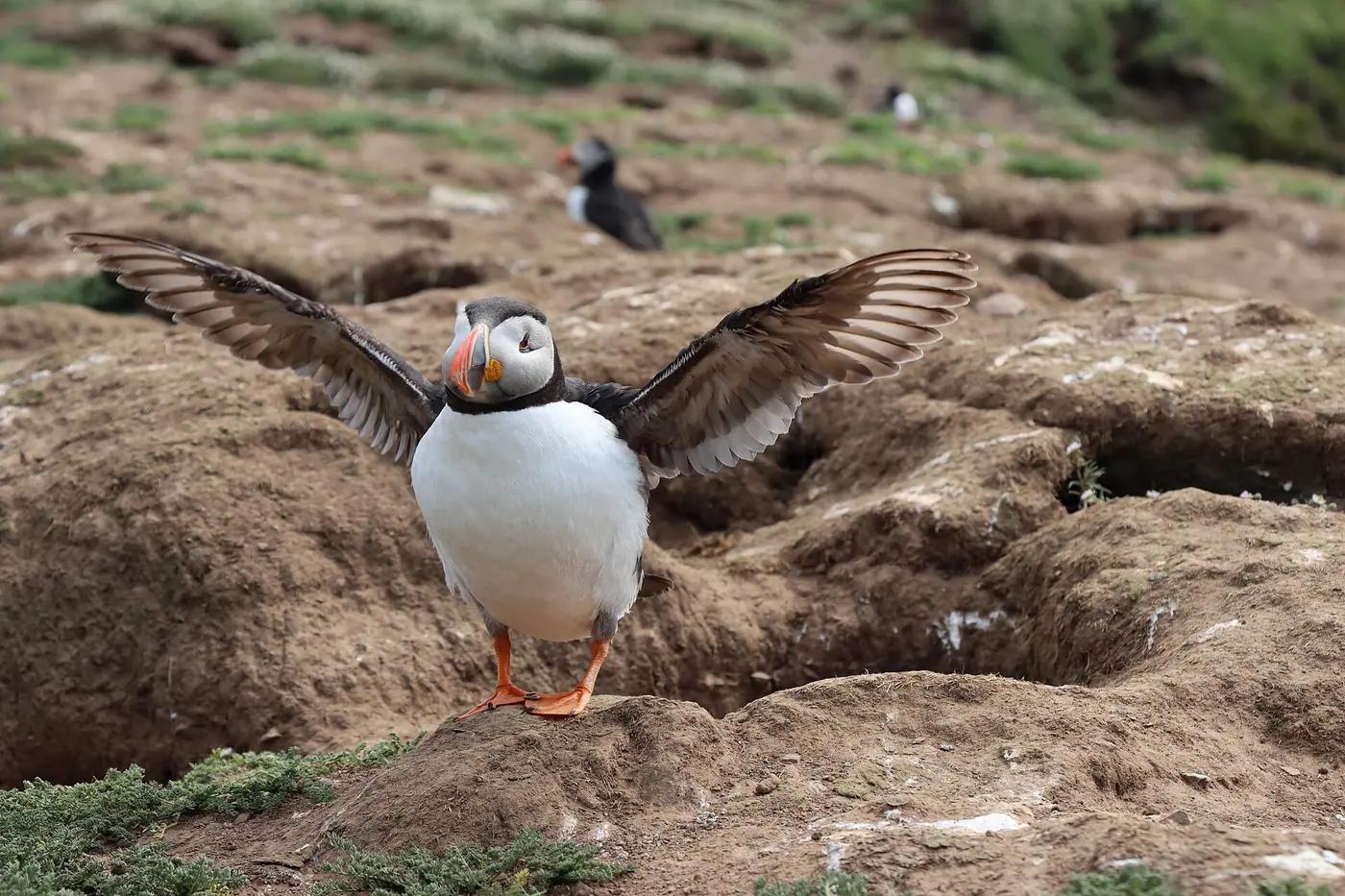
Wales packs a lot of coast into a small country, and the Pembrokeshire islands are its glory: Skomer's puffins and its 350,000 pairs of Manx shearwaters, Grassholm's 36,000 pairs of gannets, Ramsey's grey seal pups, and bottlenose dolphins and porpoises in Cardigan Bay and Ramsey Sound. Inland, red kites that were down to a few pairs in the 1930s now fill the sky at Gigrin Farm, ospreys nest on the Dyfi and Glaslyn, and Snowdonia has feral goats, ravens and peregrines.
Wales is under-recorded in AnimalDex and over-delivers in person. The Skomer boat from Martin's Haven puts you among puffins that walk across the path, and the Gigrin Farm kite feed at 2 pm brings hundreds of red kites to within a few metres of the hides.
St Davids or Tenby are the Pembrokeshire base for islands and seals, New Quay for the Cardigan Bay dolphins, Rhayader for the kites, and Betws-y-Coed or Llanberis for Snowdonia's goats, ravens and ospreys.
Why this location matters
Good location pages explain why the place is worth your time, not just which names belong on a destination checklist.
The red kite is Wales's conservation success story: fewer than ten pairs survived in the mid-Wales valleys in the 1930s, and the UK population is now over 10,000 pairs, all descended in part from those Welsh birds.
Skomer and Skokholm hold roughly half the world's Manx shearwaters, and Britain's first pine marten reintroduction took place in Wales, with animals released in the Cambrian Mountains from 2015.
Where to look
Wildlife map of Wales
This guide covers the region shown below. Zoom in to get your bearings before planning a trip.
Positions are geocoded from OpenStreetMap. Habitat access and opening times change — check locally before travelling.
Animals to spot
These are intentionally practical species picks, balancing accessibility, excitement, and what travelers can realistically notice in the location.
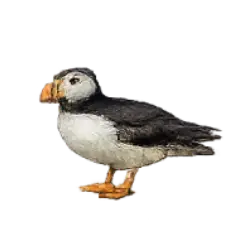
Atlantic PuffinC
Around 40,000 puffins nest on Skomer, standing on the path at the Wick and flying in with sand eels past your knees.
Spotting note: Guaranteed on Skomer from late April to mid-July.
Read species guide
Manx ShearwaterC
Skomer and Skokholm hold about 350,000 pairs, half the world total, returning to their burrows in screaming thousands after dark.
Spotting note: Common at sea off Pembrokeshire by day; overnight stays on Skomer for the evening return.
Read species guide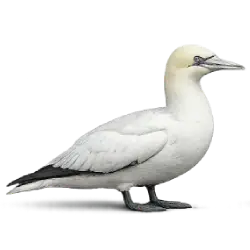
Northern GannetC
Grassholm, 11 km off Pembrokeshire, is white with 36,000 pairs, the third-largest gannet colony in the world; boats from St Justinians circle it.
Spotting note: Guaranteed on Grassholm boat trips from June to September.
Read species guide
Grey SealB
Ramsey Island and the Pembrokeshire coves produce several hundred pups each autumn, visible from the coast path at Martin's Haven and Strumble Head.
Spotting note: Guaranteed on Ramsey boats; pups ashore September to November.
Read species guide
DolphinB
Cardigan Bay holds the UK's largest resident bottlenose population; New Quay's harbour wall is one of the best land-based dolphin sites in Europe.
Spotting note: Reliable from New Quay harbour and boats, April to October.
Read species guide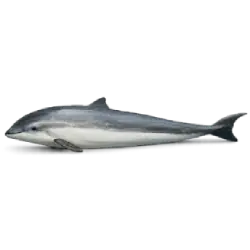
Harbor PorpoiseB
Strumble Head and Ramsey Sound have strong tide races where porpoises feed in dozens; the Strumble lookout is a classic sea-watching spot.
Spotting note: Regular at Strumble Head on a running tide.
Read species guide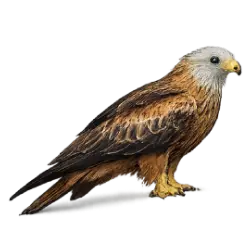
Red KiteC
Gigrin Farm at Rhayader has fed kites daily since 1993 and draws up to 600 birds at 2 pm; the whole of mid-Wales now has kites overhead.
Spotting note: Guaranteed at Gigrin Farm; common across mid-Wales.
Read species guide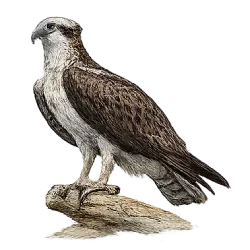
OspreyC
Breeds on the Dyfi near Machynlleth and at Glaslyn near Porthmadog, with visitor centres, hides and nest cameras.
Spotting note: Guaranteed at the Dyfi Osprey Project from April to August.
Read species guide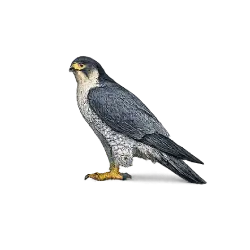
Peregrine FalconB
Nests on the Snowdonia crags, the Pembrokeshire cliffs and Cardiff City Hall's clock tower, hunting pigeons over the city centre.
Spotting note: Regular on Pembrokeshire cliffs and in Snowdonia.
Read species guide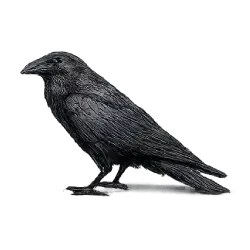
Common RavenC
Snowdonia has one of Britain's densest raven populations; they tumble and croak over every summit and beg at the Snowdon cafe.
Spotting note: Guaranteed on any Snowdonia summit.
Read species guide
Domestic GoatD
Feral goats roam the Snowdonia crags around Tryfan and the Rhinogydd, and the Great Orme's Kashmir goats famously wandered into Llandudno during lockdown.
Spotting note: Reliable on the Great Orme and around Tryfan.
Read species guide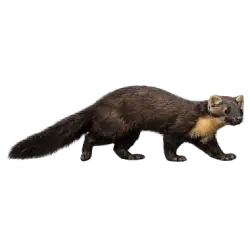
Pine MartenC
Reintroduced to the Cambrian Mountains from 2015 after near-extinction in Wales; the Dyfi forest and Rheidol valley are strongholds.
Spotting note: Rare to see; camera-trapped more often than watched.
Read species guide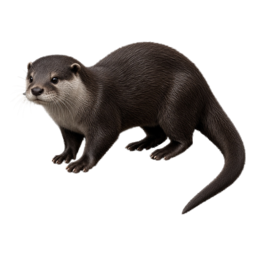
European OtterD
Wales kept its otters when England lost them, and they fish the Teifi, Wye and Dyfi and the Cardigan Bay shores by day.
Spotting note: Uncommon; the Teifi marshes and Cardigan Bay estuaries at dawn.
Read species guide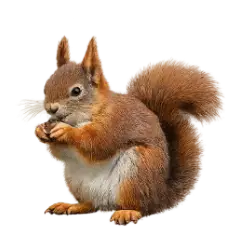
Red SquirrelD
Anglesey's grey squirrels were removed and reds reintroduced, so the island's woods now hold Wales's biggest red squirrel population.
Spotting note: Reliable in Anglesey's Newborough and Pentraeth woods.
Read species guideBest for
Use this section to decide whether the location fits your travel style, skill level, and AnimalDex goals.
- Puffins, shearwaters and gannets on the Pembrokeshire islands
- Grey seal pups and dolphins along the Pembrokeshire and Cardigan coasts
- The Gigrin Farm red kite feed and the Dyfi ospreys
- Mountain wildlife and feral goats in Snowdonia
Spotting tips
These tips are meant to make the page useful in the field, not just readable on the page.
- 01Skomer boats from Martin's Haven are first come first served and sell out by 8 am in puffin season; arrive early or book the overnight stay.
- 02Gigrin Farm feeds kites at 2 pm GMT or 3 pm BST every day; the photographic hides are worth the extra fee.
- 03New Quay harbour wall gives dolphins without a boat; a rising tide in the evening is best.
- 04Seal pups are on Pembrokeshire beaches from September to November; watch from the coast path and never go down to them.
Virtual Wildlife Guides
Wildlife guides to Wales
AnimalDex builds virtual guides from explorers' own wild sightings: which animals they found, how rare they are, and when. A guide is advice from someone who has been there, not a tour. Buying one unlocks the author's notes for every animal, a chat with the author, and introductions to local people they met. Wildlife is never guaranteed.
Checking for virtual guides to Wales...
How to choose a local wildlife guide in Wales
- Ask what they usually find in the season you are visiting. A good guide gives an honest answer, not a promised sighting.
- Check how they treat animals: no baiting, calling in, handling, or close flash photography for a better shot.
- Confirm the meeting area, duration, group size, total price, and how you pay before the day, plus any permits or park fees the place requires.
Track the animals you find in Wales
Build your collection while you travel through Wales, from easy wins to the species worth planning around.
Related tier lists
These tier lists add broader context around the species that make this location interesting.
100 Animals with the Best Teamwork
Animals with the best teamwork, ranked by coordinated hunting, shared labor, and group problem solving — including pack hunters and social insects.
Read tier listRelated locations
Keep exploring with nearby or similar destinations that support the same kind of AnimalDex discovery.
Animals in the UK: What You Can Spot, Learn, and Collect
A practical UK wildlife guide built around coasts, woodlands, wetlands, and the familiar-but-rewarding species that make local observation richer than many travelers expect.
Read location guideAnimals in England: What You Can Spot, Learn, and Collect
English wildlife: Richmond Park red deer, New Forest ponies, Norfolk Broads bitterns and water deer, Farne Islands puffins and seals, Thanet fulmars, robins and foxes.
Read location guideAnimals in Scotland: What You Can Spot, Learn, and Collect
Scottish wildlife: red deer stags, Mull golden eagles, Cairngorms squirrels and wildcats, Moray Firth dolphins, Shetland puffins and bonxies, Bass Rock gannets, seals.
Read location guideLocation FAQ
Short direct answers to the questions travelers usually ask before choosing a wildlife destination or zoo day.
What wildlife is there in Wales?
Puffins, Manx shearwaters, gannets, choughs and peregrines on the coast; grey seals, bottlenose dolphins and harbour porpoises at sea; red kites, ospreys, ravens and dippers inland; and otters, pine martens, polecats, red squirrels and feral goats among the mammals.
What animals can be found in Pembrokeshire?
Skomer's puffins and shearwaters, Grassholm's gannets, Ramsey's grey seals, porpoises in Ramsey Sound, choughs and peregrines on the cliffs, and dolphins and the occasional sunfish and basking shark offshore in summer.
Where can you see puffins in Wales?
Skomer Island, reached by boat from Martin's Haven near Marloes, from late April to mid-July. Skokholm and South Stack on Anglesey hold smaller numbers.
Where is the best place to see red kites in Wales?
Gigrin Farm near Rhayader, where several hundred kites come to a daily afternoon feed. Bwlch Nant yr Arian near Aberystwyth runs a similar feed with a lakeside viewing area.
How do I find a wildlife guide to Wales?
Check the Wildlife Guides section on this page or browse Wildlife Guides on AnimalDex. Each one is a virtual guide built from an explorer's own wild sightings around Wales: the animals they found, how rare they are, and when. It is advice from someone who has been there, not a tour. If you want someone with you on the day, compare local guides on wildlife knowledge, how they treat animals, and clear pricing before you go.