

Animals in Scotland: What You Can Spot, Learn, and Collect
Scottish wildlife: red deer stags, Mull golden eagles, Cairngorms squirrels and wildcats, Moray Firth dolphins, Shetland puffins and bonxies, Bass Rock gannets, seals.
Quick answer
Start with the direct answer, then use the sections below to see why the location matters and which animals are actually realistic to spot there.
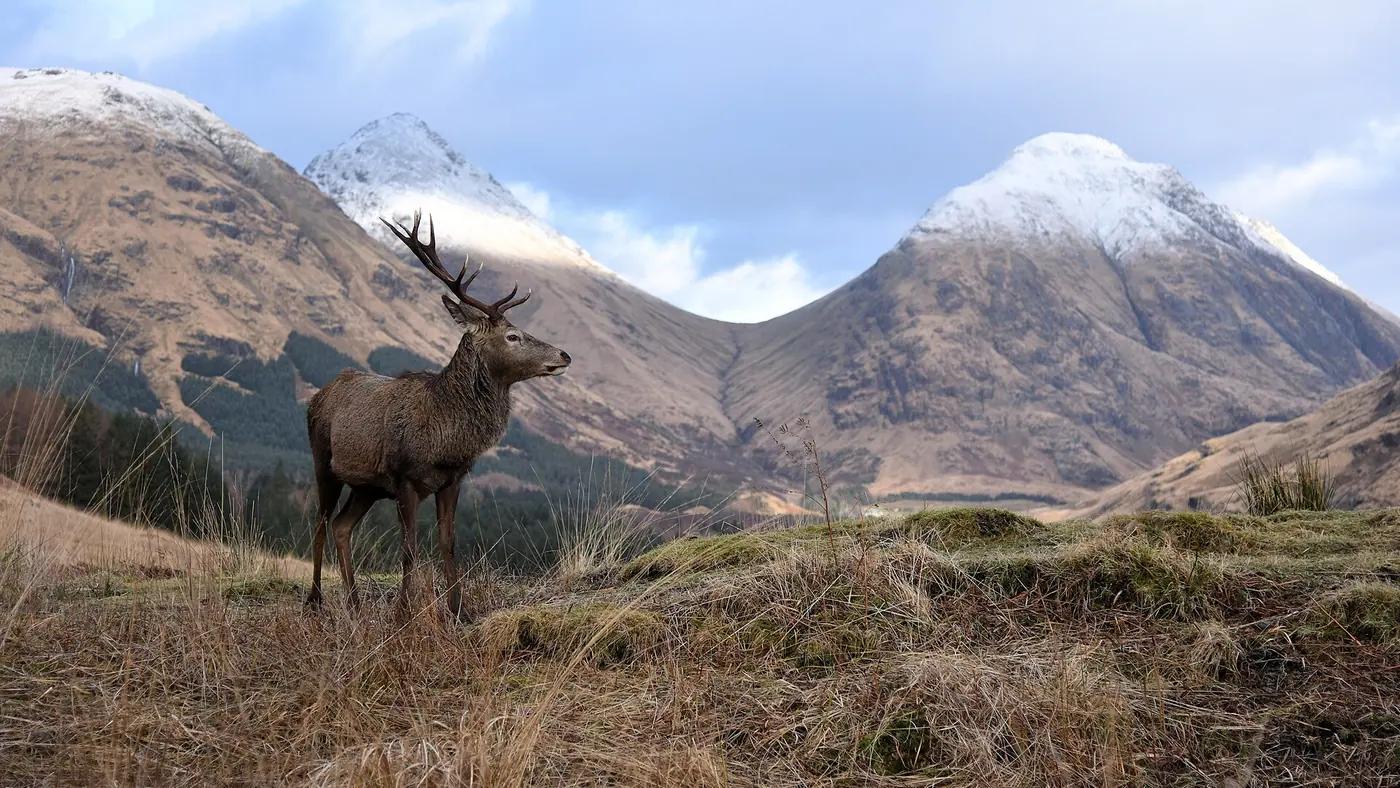
Scotland holds most of Britain's wild big-ticket species: 400,000 red deer, around 500 pairs of golden eagles, ospreys at Loch Garten, red squirrels, pine martens and the last Scottish wildcats in the Cairngorms, ptarmigan and snow buntings on the high plateau, and the world's largest gannet colony on Bass Rock. The coast adds bottlenose dolphins at Chanonry Point, puffins and great skuas in Shetland, basking sharks off the Hebrides and 40 percent of the world's grey seals.
The UK's AnimalDex captures so far come mostly from England, so this page is an invitation. Red deer graze the roadside at Glen Etive and on Rum, Highland cows block single-track roads, and dolphins breach beside the Chanonry Point car park on a rising tide.
Aviemore is the Cairngorms base for squirrels, martens, ospreys and ptarmigan. Mull and Skye give eagles and otters, Inverness the Moray Firth dolphins, Shetland the seabirds and orcas, and Oban the boats to Coll and the basking sharks.
Why this location matters
Good location pages explain why the place is worth your time, not just which names belong on a destination checklist.
The Cairngorms is where Britain is trying to save its wildcat, with the first captive-bred releases in 2023, and where beavers, ospreys and sea eagles have all been brought back. It is the UK's largest national park and its best place to see a near-complete native fauna.
Scotland's seas matter globally: Bass Rock held around 75,000 pairs of gannets before the 2022 bird flu outbreak and is recovering, Scotland has around 60 percent of the world's great skuas, and the Moray Firth bottlenose dolphins are the most northerly resident population in the world and among the largest-bodied.
Where to look
Wildlife map of Scotland
This guide covers the region shown below. Zoom in to get your bearings before planning a trip.
Positions are geocoded from OpenStreetMap. Habitat access and opening times change — check locally before travelling. Smaller pins are public AnimalDex captures, placed to the nearest kilometre.
Field proof
Found in Scotland by AnimalDex users
Real captures logged in the AnimalDex app inside this area and shared publicly by their collectors, with the animal confirmed by the app's identification. Places are shown to the nearest region, never the exact spot.
- 2
- public captures
- 2
- species recorded
- 1
- collectors
- 0
- wild sightings
Recent captures from the field
Species people have actually logged here
Every name links to its species guide. The count is how many public captures of that animal sit inside this area.
Collectors choose to share these captures on Discover and can withdraw them at any time. Coordinates are rounded to about a kilometre and refreshed with each site build.
Animals to spot
These are intentionally practical species picks, balancing accessibility, excitement, and what travelers can realistically notice in the location.
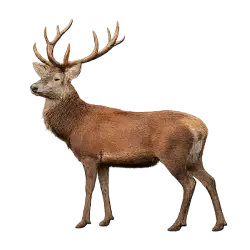
Red DeerB
Scotland has around 400,000, grazing the roadsides in Glen Etive, Glen Coe and on Rum and Jura, with the October rut roaring across every glen.
Spotting note: Guaranteed in the Highlands; roadside in Glen Etive at dusk.
Read species guide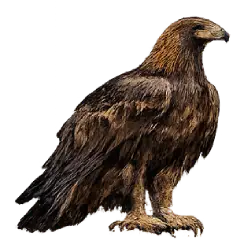
Golden EagleA
Around 500 pairs, most in the west Highlands and islands; Mull, Skye, Harris and the Cairngorms give the most reliable views of birds riding ridges.
Spotting note: Regular on Mull and Harris with a scope and patience.
Read species guide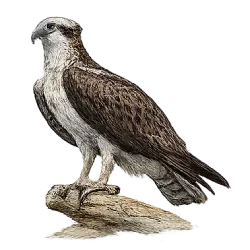
OspreyC
Returned to breed at Loch Garten in 1954 after extinction; the RSPB centre there and Loch of the Lowes in Perthshire have nest cameras and hides.
Spotting note: Guaranteed at Loch Garten from April to August.
Read species guide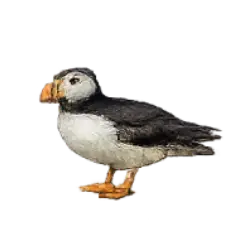
Atlantic PuffinC
Sumburgh Head and Hermaness in Shetland, the Isle of May and St Kilda hold hundreds of thousands; Sumburgh puffins sit a metre from the cliff path.
Spotting note: Guaranteed at Sumburgh Head and the Isle of May from May to July.
Read species guide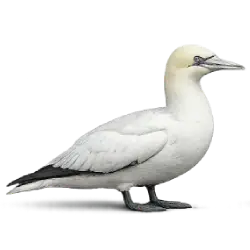
Northern GannetC
Bass Rock in the Firth of Forth is the world's largest gannet colony, around 75,000 pairs before bird flu struck in 2022; boats from North Berwick circle the white rock.
Spotting note: Guaranteed from North Berwick boats April to September.
Read species guide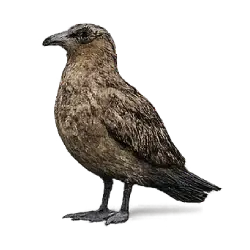
Great SkuaC
The bonxie breeds on Shetland's Hermaness and Noss in the world's biggest concentration, and dive-bombs anyone who walks near a nest.
Spotting note: Guaranteed on Hermaness and Noss from May to August.
Read species guide
DolphinB
The Moray Firth bottlenose pod of around 200 hunts salmon at Chanonry Point on the rising tide, often within 20 m of the shingle.
Spotting note: Reliable at Chanonry Point an hour after low tide in summer.
Read species guide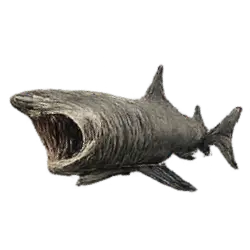
Basking SharkB
The Sea of the Hebrides between Coll, Tiree and Hyskeir is one of the world's basking shark hotspots, with dedicated boats from Oban and Tobermory.
Spotting note: Seasonal; July and August on calm days.
Read species guide
Grey SealB
Scotland holds around 40 percent of the world's grey seals, breeding on Orkney, the Monach Isles and the Isle of May each autumn.
Spotting note: Guaranteed on any island boat trip; pups ashore October to December.
Read species guide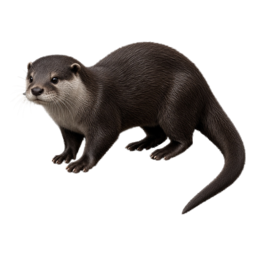
European OtterD
Shetland and Mull have Europe's most watchable otters, fishing the kelp in daylight; Shetland alone holds over 1,000.
Spotting note: Reliable on Shetland and Mull shores at low tide.
Read species guide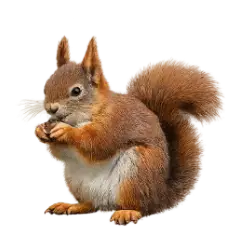
Red SquirrelD
The Cairngorms pinewoods around Aviemore and Boat of Garten hold the UK's stronghold, with squirrels on every feeder at the Loch Garten centre.
Spotting note: Guaranteed in Cairngorms pinewoods.
Read species guide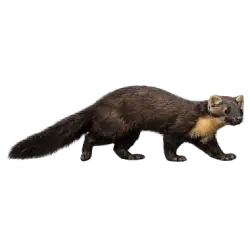
Pine MartenC
Recovering across the Highlands and visiting garden feeders in Speyside and Ardnamurchan after dark; hides at Rothiemurchus and on Mull run evening watches.
Spotting note: Reliable from paid hides; occasional on quiet forest roads at dusk.
Read species guide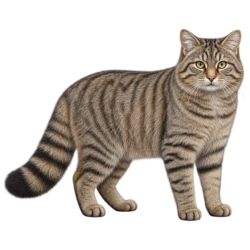
European WildcatC
The Scottish wildcat is Britain's last native cat; captive-bred animals were released in the Cairngorms from 2023 and the Highland Wildlife Park shows the breeding programme.
Spotting note: Extremely rare wild; guaranteed at the Highland Wildlife Park.
Read species guide
Mountain HareD
Turns white each winter on the Cairngorm and Monadhliath plateaux, Britain's only native hare, bolting from the heather at your feet.
Spotting note: Common on the Cairngorm plateau; white from December to March.
Read species guideBest for
Use this section to decide whether the location fits your travel style, skill level, and AnimalDex goals.
- Red deer, red squirrels, ospreys and wildcat conservation in the Cairngorms
- Golden and sea eagles, otters on Mull and Skye
- Dolphins at Chanonry Point and basking sharks off the Hebrides
- Seabird cities: Bass Rock gannets, Shetland puffins and bonxies
Spotting tips
These tips are meant to make the page useful in the field, not just readable on the page.
- 01Chanonry Point dolphins show on the rising tide; arrive an hour after low water and stand on the shingle point.
- 02The Cairngorm funicular top station is the easiest ptarmigan and snow bunting site; walk a little beyond the fence line.
- 03Mull's Loch na Keal shore road gives golden and white-tailed eagles and otters without leaving the car.
- 04Shetland's Hermaness bonxies defend nests aggressively in June; raise a walking pole above your head and keep moving.
Virtual Wildlife Guides
Wildlife guides to Scotland
AnimalDex builds virtual guides from explorers' own wild sightings: which animals they found, how rare they are, and when. A guide is advice from someone who has been there, not a tour. Buying one unlocks the author's notes for every animal, a chat with the author, and introductions to local people they met. Wildlife is never guaranteed.
Checking for virtual guides to Scotland...
How to choose a local wildlife guide in Scotland
- Ask what they usually find in the season you are visiting. A good guide gives an honest answer, not a promised sighting.
- Check how they treat animals: no baiting, calling in, handling, or close flash photography for a better shot.
- Confirm the meeting area, duration, group size, total price, and how you pay before the day, plus any permits or park fees the place requires.
Track the animals you find in Scotland
Build your collection while you travel through Scotland, from easy wins to the species worth planning around.
Related tier lists
These tier lists add broader context around the species that make this location interesting.
Animals with the Best Eyesight
A structured ranking of animals with the best eyesight, separating long-range daytime acuity, low-light vision, motion detection, and unusual visual systems.
Read tier listRelated locations
Keep exploring with nearby or similar destinations that support the same kind of AnimalDex discovery.
Animals in the UK: What You Can Spot, Learn, and Collect
A practical UK wildlife guide built around coasts, woodlands, wetlands, and the familiar-but-rewarding species that make local observation richer than many travelers expect.
Read location guideAnimals in England: What You Can Spot, Learn, and Collect
English wildlife: Richmond Park red deer, New Forest ponies, Norfolk Broads bitterns and water deer, Farne Islands puffins and seals, Thanet fulmars, robins and foxes.
Read location guideAnimals in Wales: What You Can Spot, Learn, and Collect
Welsh wildlife: Skomer puffins and Manx shearwaters, Grassholm gannets, Ramsey grey seals, Cardigan Bay dolphins, Gigrin Farm red kites, Snowdonia goats and ospreys.
Read location guideLocation FAQ
Short direct answers to the questions travelers usually ask before choosing a wildlife destination or zoo day.
What wildlife is there in Scotland?
Red and roe deer, red squirrels, pine martens, wildcats, mountain hares, otters and beavers on land; golden and white-tailed eagles, ospreys, capercaillie, ptarmigan and black grouse among the birds; and grey and harbour seals, bottlenose dolphins, minke whales, orcas and basking sharks at sea.
What animals can be found in the Scottish Highlands?
Red deer in huge numbers, golden eagles, ospreys, red squirrels, pine martens, wildcats, mountain hares, ptarmigan, snow buntings, crested tits, Scottish crossbills, otters and the Highland cattle that block every single-track road.
Where is the best place to see puffins in Scotland?
Sumburgh Head in Shetland puts puffins at arm's length from May to July. The Isle of May off Fife, Hermaness in Unst, Fowlsheugh near Stonehaven and St Kilda are the other big colonies.
Can you see whales and dolphins in Scotland?
Yes. Bottlenose dolphins are reliable at Chanonry Point on the Moray Firth, minke whales are regular off Mull and the Hebrides in summer, orcas patrol Shetland and Orkney, and humpbacks are increasingly seen off the east coast.
Have AnimalDex users found animals in Scotland?
Yes. AnimalDex users have publicly logged 2 captures of 2 different species in Scotland, including bengal tiger, humboldt penguin. Each one was photographed in the app at the moment of the sighting.
How do I find a wildlife guide to Scotland?
Check the Wildlife Guides section on this page or browse Wildlife Guides on AnimalDex. Each one is a virtual guide built from an explorer's own wild sightings around Scotland: the animals they found, how rare they are, and when. It is advice from someone who has been there, not a tour. If you want someone with you on the day, compare local guides on wildlife knowledge, how they treat animals, and clear pricing before you go.