

Animals in England: What You Can Spot, Learn, and Collect
English wildlife: Richmond Park red deer, New Forest ponies, Norfolk Broads bitterns and water deer, Farne Islands puffins and seals, Thanet fulmars, robins and foxes.
Quick answer
Start with the direct answer, then use the sections below to see why the location matters and which animals are actually realistic to spot there.
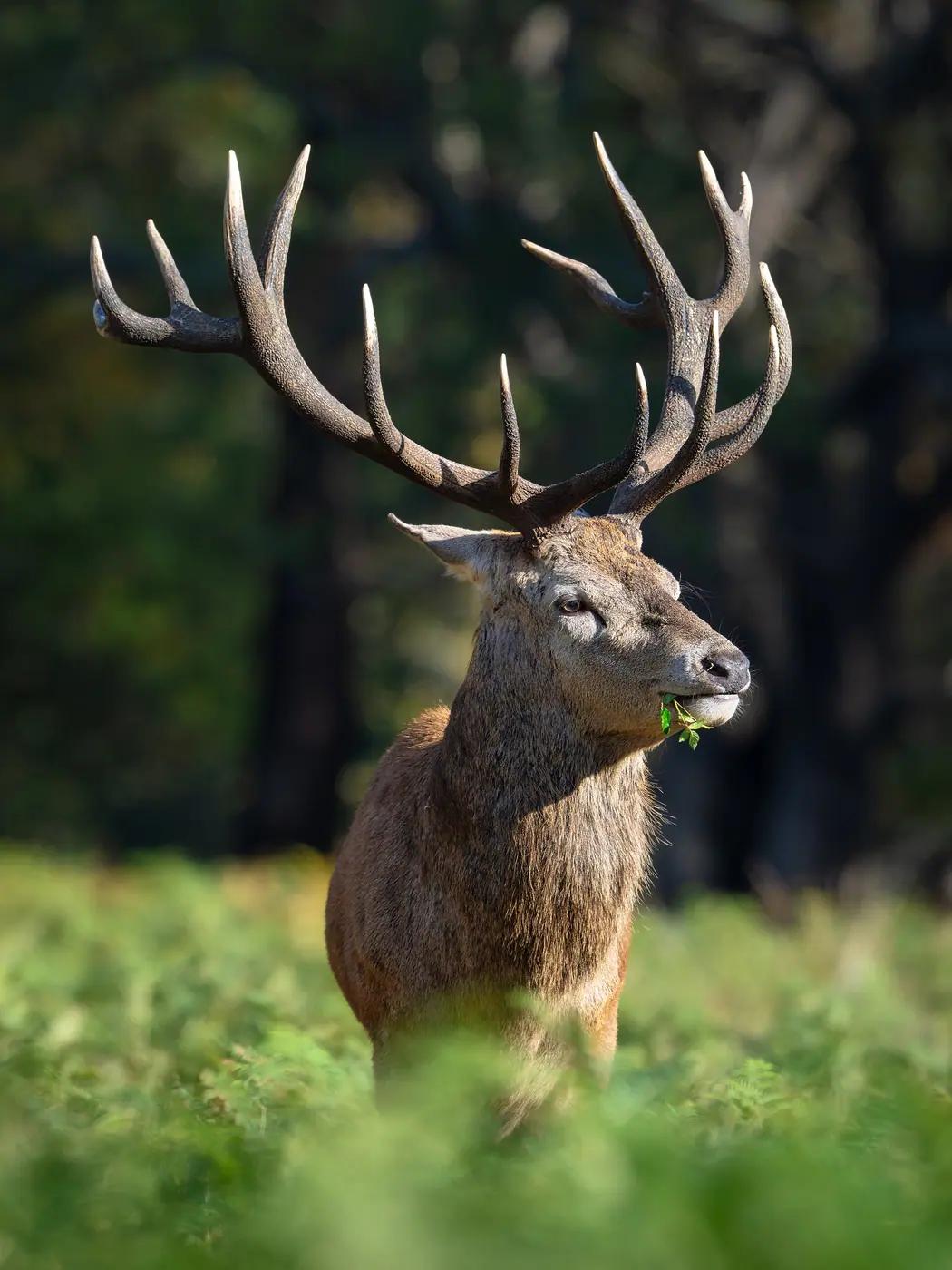
England's wildlife hides in plain sight. Red and fallow deer graze within sight of London skyscrapers in Richmond Park, New Forest ponies and donkeys walk through villages, the Norfolk Broads hold booming bitterns and most of the world's wild Chinese water deer, and the Farne Islands put puffins, arctic terns and grey seals at arm's length. Every garden has robins and blackbirds, every town has foxes, and the Kent coast around Thanet adds seals, fulmars and parakeets.
England supplies nearly all of the UK's AnimalDex captures, and they are honest: robins, blackbirds, carrion crows, red admirals, bumblebees, a dipper on a northern river, a scarlet tiger moth, a great green bush-cricket on the south coast and the usual spiders and woodlice. That is the texture of English wildlife, and the headline species sit on top of it.
London and the South East give Richmond's deer, the Thanet coast and the New Forest. East Anglia has the Broads and the north Norfolk seal beaches. The North East has the Farne Islands and the North West the Lakes, and Cornwall adds basking sharks, choughs and dolphins at the far end.
Why this location matters
Good location pages explain why the place is worth your time, not just which names belong on a destination checklist.
England is one of the most nature-depleted countries in the world, which makes its recoveries sharper: red kites back over the Chilterns from a Welsh handful, otters in every county again, beavers legally wild on the River Otter in Devon, white storks nesting at Knepp for the first time in 600 years.
It is also the best country on earth for easy, close urban wildlife. Richmond Park's 600 deer, London's foxes, Thanet's seals and parakeets and the hedgehogs and badgers of suburban gardens are all within an hour of ten million people.
Where to look
Wildlife map of England
This guide covers the region shown below. Zoom in to get your bearings before planning a trip.
Positions are geocoded from OpenStreetMap. Habitat access and opening times change — check locally before travelling. Smaller pins are public AnimalDex captures, placed to the nearest kilometre.
Field proof
Found in England by AnimalDex users
Real captures logged in the AnimalDex app inside this area and shared publicly by their collectors, with the animal confirmed by the app's identification. Places are shown to the nearest region, never the exact spot.
- 27
- public captures
- 25
- species recorded
- 8
- collectors
- 23
- wild sightings
Recent captures from the field
Species people have actually logged here
Every name links to its species guide. The count is how many public captures of that animal sit inside this area.
- Carrion Crow2 captures
- European Robin2 captures
- Black Ant1 capture
- Bumblebee1 capture
- Clothes & House Moth1 capture
- Common Blackbird1 capture
- Common Marble1 capture
- Crane Fly1 capture
- Daddy Long-Legs Spider1 capture
- Firebug1 capture
- Fox Moth1 capture
- Fruit Fly1 capture
- Giant Honey Bee1 capture
- Great Green Bush-cricket1 capture
- House Fly1 capture
- Orb-weaver Spider1 capture
- Pointed Snail1 capture
- Powder Blue Isopod1 capture
- Red Admiral1 capture
- Scarlet Tiger Moth1 capture
- Shield & Stink Bug1 capture
- Snail1 capture
- Sulcata Tortoise1 capture
- White-throated Dipper1 capture
- Woodlouse1 capture
Collectors choose to share these captures on Discover and can withdraw them at any time. Coordinates are rounded to about a kilometre and refreshed with each site build.
Animals to spot
These are intentionally practical species picks, balancing accessibility, excitement, and what travelers can realistically notice in the location.
Red DeerB
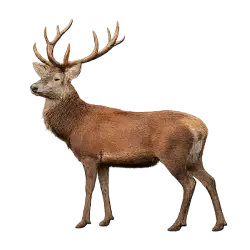
Richmond Park's 300 red deer rut within sight of the City skyline each October, and Exmoor holds England's largest wild herd.
Spotting note: Guaranteed in Richmond Park; keep 50 m back during the rut.
Read species guide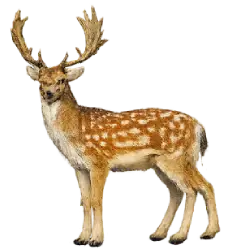
Fallow DeerC
The New Forest, Richmond Park, Knole and Petworth hold big herds; the New Forest's Bolderwood sanctuary has a viewing platform over the summer feeding.
Spotting note: Guaranteed at Bolderwood and in Richmond Park.
Read species guide
Domestic HorseC
Around 5,000 free-roaming New Forest ponies graze the heaths and walk through Brockenhurst and Lyndhurst; Dartmoor and Exmoor have their own breeds.
Spotting note: Guaranteed throughout the New Forest.
Read species guide
Water DeerC
Chinese water deer escaped from Woburn and Whipsnade a century ago; the Norfolk Broads at Hickling and Strumpshaw now hold a large share of the world's wild population.
Spotting note: Reliable at dawn on the Hickling Broad marshes.
Read species guide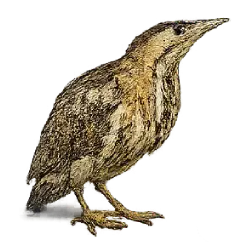
Eurasian BitternC
Booms from the reedbeds of the Norfolk Broads, Minsmere and the Avalon Marshes in Somerset, back from a low of 11 males in 1997 to over 200.
Spotting note: Uncommon; dawn in April and May at Hickling or Minsmere.
Read species guide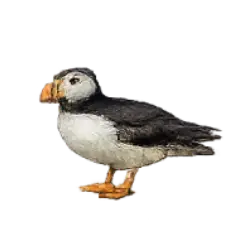
Atlantic PuffinC
The Farne Islands off Northumberland hold around 40,000 pairs, with boats from Seahouses landing on Inner Farne and Staple Island from April to July.
Spotting note: Guaranteed on Farne landings from May to mid-July.
Read species guide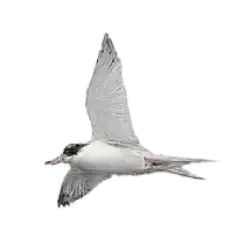
Arctic TernC
Inner Farne's terns nest beside the boardwalk and strike visitors' heads in defence; the island warden advises a hat.
Spotting note: Guaranteed on Inner Farne in June and July; wear a hat.
Read species guide
Grey SealB
The Farnes and Blakeney Point in Norfolk hold huge colonies, with over 4,000 pups born at Blakeney each winter; Pegwell Bay in Thanet has a Kent haul-out.
Spotting note: Guaranteed at Blakeney and the Farnes; pups ashore November to January.
Read species guide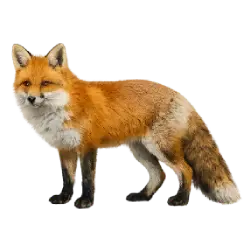
Red FoxC
London has around 10,000 urban foxes, and they walk through Cliftonville streets and Richmond gardens at dusk as if they owned them.
Spotting note: Near-guaranteed at night in any English suburb.
Read species guide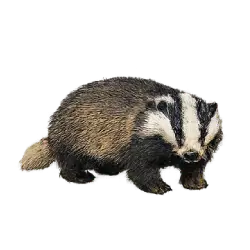
European BadgerC
England's largest land carnivore, with setts in most woods and even London parks; badger-watching hides run in Devon, Dorset and the Peak District.
Spotting note: Regular from paid hides at dusk; occasional on quiet lanes.
Read species guide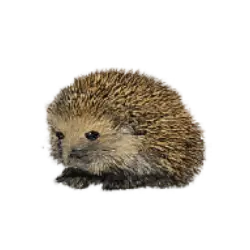
European HedgehogD
Still common in suburban gardens despite a steep decline, snuffling across lawns on summer nights and the nation's favourite animal.
Spotting note: Regular in gardens at night from April to October.
Read species guide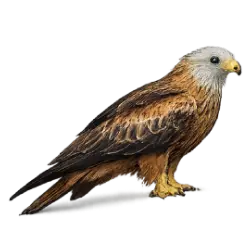
Red KiteC
Reintroduced to the Chilterns in 1989 and now circling over the M40, Reading and Oxford in hundreds; one of the fastest raptor recoveries anywhere.
Spotting note: Guaranteed over the Chilterns and Thames valley.
Read species guide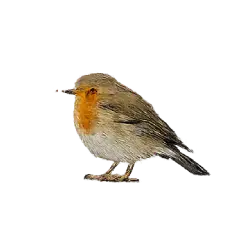
European RobinD
England's national bird and its most captured animal in AnimalDex, singing from every garden fence in every month of the year.
Spotting note: Guaranteed.
Read species guide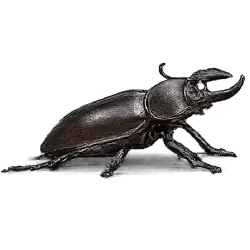
Stag BeetleD
Britain's largest beetle flies clumsily around south London, Essex and Hampshire gardens on warm June evenings; Richmond Park is a stronghold.
Spotting note: Seasonal; warm still evenings in June in the south-east.
Read species guideBest for
Use this section to decide whether the location fits your travel style, skill level, and AnimalDex goals.
- Deer at close range in Richmond Park and the New Forest
- Reedbed birds and water deer on the Norfolk Broads
- Puffins, terns and seals on the Farne Islands
- Garden and urban wildlife: robins, foxes, badgers, hedgehogs and stag beetles
Spotting tips
These tips are meant to make the page useful in the field, not just readable on the page.
- 01Richmond Park's rut peaks in October; arrive at the Pen Ponds at dawn and give the stags space.
- 02Farne boats from Seahouses land on Inner Farne from April to July; book the National Trust landing and bring a hat for the terns.
- 03Hickling Broad's Stubb Mill raptor roost at dusk in winter gives marsh harriers, cranes and water deer in one view.
- 04On the Thanet coast, Pegwell Bay's seals haul out at low tide and fulmars nest on the chalk at Botany Bay; parakeets roost in Margate's parks.
Virtual Wildlife Guides
Wildlife guides to England
AnimalDex builds virtual guides from explorers' own wild sightings: which animals they found, how rare they are, and when. A guide is advice from someone who has been there, not a tour. Buying one unlocks the author's notes for every animal, a chat with the author, and introductions to local people they met. Wildlife is never guaranteed.
Checking for virtual guides to England...
How to choose a local wildlife guide in England
- Ask what they usually find in the season you are visiting. A good guide gives an honest answer, not a promised sighting.
- Check how they treat animals: no baiting, calling in, handling, or close flash photography for a better shot.
- Confirm the meeting area, duration, group size, total price, and how you pay before the day, plus any permits or park fees the place requires.
Track the animals you find in England
Build your collection while you travel through England, from easy wins to the species worth planning around.
Related tier lists
These tier lists add broader context around the species that make this location interesting.
100 Most Adaptable Animals
Most adaptable animals ranked by habitat flexibility, behavioral range, and success in changing conditions — including the current AnimalDex number one.
Read tier listRelated locations
Keep exploring with nearby or similar destinations that support the same kind of AnimalDex discovery.
Animals in the UK: What You Can Spot, Learn, and Collect
A practical UK wildlife guide built around coasts, woodlands, wetlands, and the familiar-but-rewarding species that make local observation richer than many travelers expect.
Read location guideAnimals at London Zoo: Best Species to See and Scan
A structured London Zoo page for travelers and families who want a practical, species-rich day with strong learning value and clean links into AnimalDex guides.
Read location guideAnimals in Scotland: What You Can Spot, Learn, and Collect
Scottish wildlife: red deer stags, Mull golden eagles, Cairngorms squirrels and wildcats, Moray Firth dolphins, Shetland puffins and bonxies, Bass Rock gannets, seals.
Read location guideLocation FAQ
Short direct answers to the questions travelers usually ask before choosing a wildlife destination or zoo day.
What wildlife is there in England?
Red, fallow, roe and muntjac deer, foxes, badgers, hedgehogs, otters and grey squirrels on land; puffins, terns, gannets and grey seals on the coast; bitterns, marsh harriers and cranes in the wetlands; and red kites, buzzards and peregrines over the towns.
What animals can be found in England?
Around 60 land mammals including six deer species, 300 regularly recorded birds, three snakes (only the adder is venomous), the common frog, common toad and three newts, and insects from stag beetles to swallowtails in the Broads.
Are there dangerous animals in England?
Essentially none. The adder is the only venomous snake and bites are rare and almost never fatal. Red deer stags in the rut and cattle with calves are the real things to keep a distance from.
Where is the best place to see wildlife near London?
Richmond Park for red and fallow deer, Rainham Marshes for wetland birds, the WWT London Wetland Centre at Barnes, and any suburban garden at night for foxes, hedgehogs and badgers.
Have AnimalDex users found animals in England?
Yes. AnimalDex users have publicly logged 27 captures of 25 different species in England, including carrion crow, european robin, black ant, bumblebee. Each one was photographed in the app at the moment of the sighting.
How do I find a wildlife guide to England?
Check the Wildlife Guides section on this page or browse Wildlife Guides on AnimalDex. Each one is a virtual guide built from an explorer's own wild sightings around England: the animals they found, how rare they are, and when. It is advice from someone who has been there, not a tour. If you want someone with you on the day, compare local guides on wildlife knowledge, how they treat animals, and clear pricing before you go.