

Animals in Luzon: What You Can Spot, Learn, and Collect
Luzon wildlife: cloud rats and eagles in the Sierra Madre, Philippine crocodiles at San Mariano, Subic's flying foxes, Candaba's waterbirds and Makiling's forest.
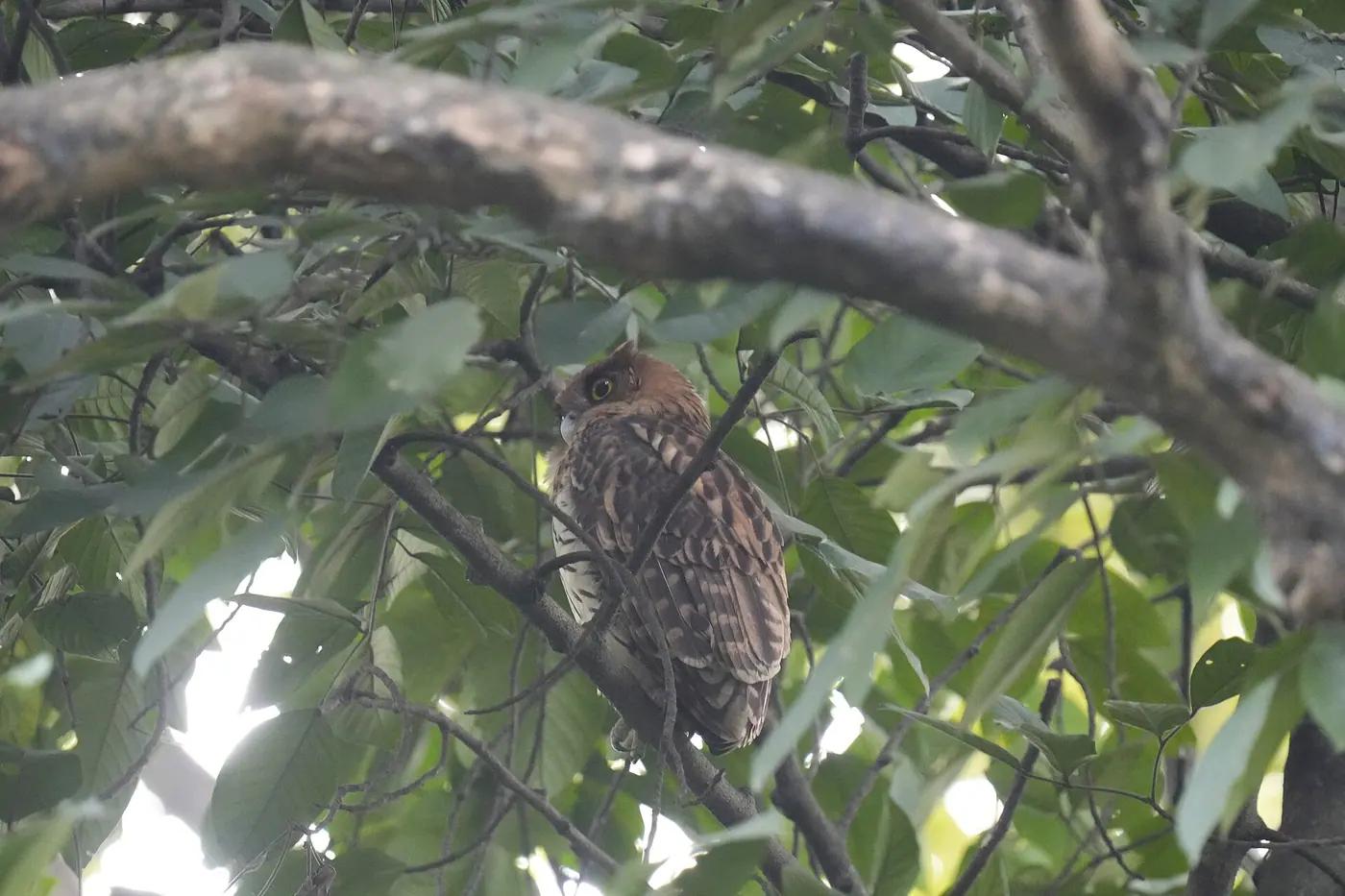
Jawaban cepat
Mulai dari jawaban langsung, lalu gunakan bagian di bawah untuk melihat kenapa lokasi ini penting dan hewan mana yang benar-benar realistis untuk di-spot di sana.
Luzon is the Philippines' biggest island and its most under-visited wild one. The Sierra Madre and Cordillera hold the giant cloud rat, Philippine eagles and the last wild Philippine crocodiles at San Mariano; Subic Bay has one of Asia's biggest flying fox roosts; the Candaba marsh fills with ducks, egrets and ibises each northern winter; and Mount Makiling above Los Baños is the easiest forest day trip from Manila. The paddies and gardens of Calabarzon are where users log most: apple snails, mantises, weevils, moths and jumping spiders.
Luzon's wildlife is split between the long mountain ranges that run its length and the flooded plains between them. The Sierra Madre is the country's largest remaining forest and the stronghold for most of the island's endemics; the Central Luzon plain and the Candaba marsh are where the waterbirds go.
Calabarzon, the ring of provinces south of Manila, is the single busiest capture region in the Philippines on AnimalDex. Mount Makiling, Laguna de Bay's shore, Tagaytay's ridge and thousands of hectares of paddy and coconut produce a steady stream of insects, snails, geckos and garden birds.
Mulai dari hewan ini
Kenapa lokasi ini penting
Halaman lokasi yang baik menjelaskan kenapa tempat ini layak dikunjungi, bukan hanya nama-nama yang cocok dimasukkan ke checklist destinasi.
Luzon's Sierra Madre is the last big forest within reach of 40 million people in the island's cities, and the San Mariano crocodile programme in Isabela shows that communities can bring a species back from a few dozen animals. Both need visitors who care.
The Candaba wetlands are a key stop on the East Asian flyway and have shrunk under rice and fishpond conversion. Counts and photographs from the dry-season months are the record that keeps the case for them alive.
Tempat mencari
Peta satwa liar Luzon
Panduan ini mencakup wilayah di bawah ini. Perbesar peta untuk mengenali areanya sebelum merencanakan perjalanan.
Posisi diambil dari OpenStreetMap. Akses habitat dan jam buka bisa berubah — periksa dulu sebelum berangkat. Pin yang lebih kecil adalah capture publik AnimalDex, ditempatkan sampai kilometer terdekat.
Bukti lapangan
Ditemukan di Luzon oleh pengguna AnimalDex
Capture nyata yang dicatat di aplikasi AnimalDex di dalam area ini dan dibagikan secara publik oleh kolektornya, dengan hewan yang dikonfirmasi oleh identifikasi aplikasi. Lokasi ditampilkan sampai tingkat wilayah, bukan titik persisnya.
- 47
- capture publik
- 35
- spesies tercatat
- 10
- kolektor
- 47
- penampakan liar
Capture terbaru dari lapangan
Spesies yang benar-benar dicatat orang di sini
Setiap nama menuju panduan spesiesnya. Angkanya adalah jumlah capture publik hewan itu di dalam area ini.
- Eurasian Tree Sparrow4 capture
- Black Ant3 capture
- Cockroach3 capture
- Common House Gecko2 capture
- House Fly2 capture
- Mealworm Beetle2 capture
- Weevil2 capture
- Winter White Dwarf Hamster2 capture
- Apple Snail1 capture
- Black Skirt Tetra1 capture
- Campbell's Dwarf Hamster1 capture
- Common Bluetail1 capture
- Common Earthworm1 capture
- Common Fruit-piercing Moth1 capture
- Darkling Beetle1 capture
- Earwig1 capture
- Eupterote Fabia Moth1 capture
- Fruit Fly1 capture
- Giant Gourami1 capture
- Gold Tail Moth1 capture
- Guinea Pig1 capture
- Jumping Spider1 capture
- Muscovy Duck1 capture
- Orb-weaver Spider1 capture
- Oriental Latrine Fly1 capture
- Pantropical Jumping Spider1 capture
- Plume Moth1 capture
- Praying Mantis1 capture
- Red-bellied Piranha1 capture
- Sac Spider1 capture
- Semi-slug1 capture
- Termite1 capture
- Tick1 capture
- Woodlouse1 capture
- Woodlouse Hunter Spider1 capture
Kolektor memilih membagikan capture ini di Discover dan bisa menariknya kapan saja. Koordinat dibulatkan sekitar satu kilometer dan diperbarui setiap build situs.
Hewan untuk di-spot
Pilihan spesies di sini sengaja dibuat praktis, menyeimbangkan aksesibilitas, excitement, dan apa yang realistis untuk diperhatikan traveler di lokasi tersebut.

Northern Luzon Giant Cloud RatD
A two-kilogram tree-dwelling rodent found only in northern Luzon's mossy forest, from the Cordillera to the Sierra Madre, feeding in the canopy at night.
Catatan spotting: Rare; night walks at Mount Pulag's forest edge or Sierra Madre lodges give a slim chance.
Baca panduan spesies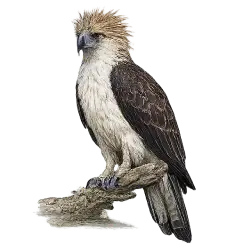
Philippine EagleA
A small Luzon population nests in the northern Sierra Madre around Isabela and Cagayan, rediscovered breeding in the 2010s.
Catatan spotting: Very rare on Luzon; Mindanao is the realistic island for a sighting.
Baca panduan spesies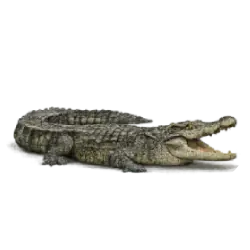
Philippine CrocodileA
The Mabuwaya Foundation's community sanctuaries in San Mariano, Isabela protect the largest wild population, in creeks and ponds between rice fields.
Catatan spotting: Rare but visitable with Mabuwaya guides; dry-season early mornings are best.
Baca panduan spesies
Large Flying FoxD
Subic Bay's forest held one of the largest flying fox roosts in Asia, and bats still stream out over the bay at dusk toward the fruit groves.
Catatan spotting: Spectacular at dusk from the Subic roost viewpoint.
Baca panduan spesies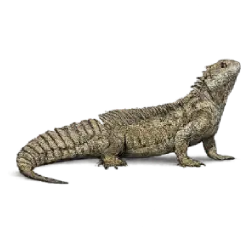
Philippine Sailfin LizardC
A metre-long crested lizard that basks on branches over Luzon's forest rivers and drops into the water when alarmed, found around Makiling and the Sierra Madre streams.
Catatan spotting: Uncommon; quiet river walks in forest are the way to see one.
Baca panduan spesies
Long-tailed MacaqueC
Macaque troops forage along Mount Makiling's forest trails and the Subic Bay roadside, where they have learned to beg from cars.
Catatan spotting: Regular at Subic and Makiling.
Baca panduan spesies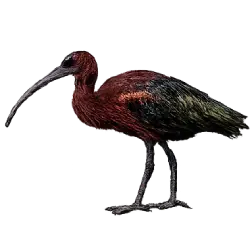
Glossy IbisC
Flocks probe the Candaba marsh each northern winter alongside egrets and ducks, one of the wetland's signature birds.
Catatan spotting: Regular at Candaba from November to March.
Baca panduan spesies
Black-winged StiltD
Wades the shallow fishponds and flooded paddies of Candaba and Pampanga on improbable pink legs through the winter.
Catatan spotting: Common at Candaba in the dry season.
Baca panduan spesies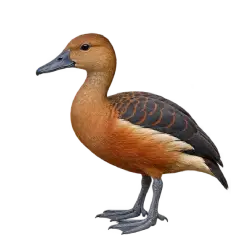
Lesser Whistling DuckD
Hundreds whistle over the Candaba ponds at dawn, the commonest resident duck of Luzon's wetlands.
Catatan spotting: Reliable at Candaba year-round.
Baca panduan spesies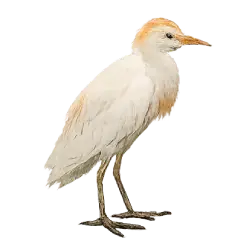
Cattle EgretD
Follows carabao and tractors across the Central Luzon rice bowl in flocks, logged by users across the plain.
Catatan spotting: Abundant in farmland.
Baca panduan spesies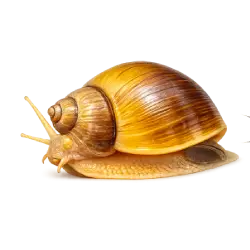
Apple SnailE
The golden apple snail is the paddy pest of Luzon, logged by users in Calabarzon fields with its pink egg clusters on rice stems.
Catatan spotting: Abundant in any flooded paddy.
Baca panduan spesies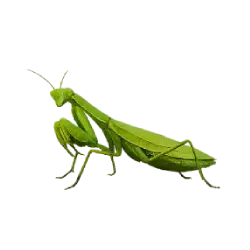
Praying MantisE
Mantises hunt on garden shrubs and paddy bunds across Calabarzon and were among the first insects users logged on the island.
Catatan spotting: Common in gardens, especially in the wet season.
Baca panduan spesies
Eurasian Tree SparrowE
The maya on every Luzon wire and roof, the most-logged bird across Calabarzon, Central Luzon and Metro Manila.
Catatan spotting: Guaranteed.
Baca panduan spesies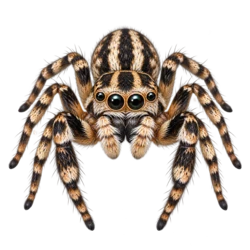
Pantropical Jumping SpiderE
Hunts on sunny walls and fences in Calabarzon towns, one of several jumping spiders users have photographed in the region.
Catatan spotting: Very common on warm walls by day.
Baca panduan spesiesPaling cocok untuk
Gunakan bagian ini untuk menilai apakah lokasi tersebut cocok dengan gaya perjalanan, level pengalaman, dan target AnimalDex kamu.
- Birders working Candaba in the dry season and the Sierra Madre for endemics
- Day-trippers from Manila doing Mount Makiling's forest trail
- Conservation travellers visiting the San Mariano crocodile sanctuaries
- Collectors building a paddy and garden insect list in Calabarzon
Tips spotting
Tips ini dibuat agar halaman ini benar-benar berguna di lapangan, bukan hanya enak dibaca di layar.
- 01Visit Candaba from December to February, arriving at the marsh before 6 am; by mid-morning the ducks and ibises sit far out and the heat shimmers.
- 02Walk Mount Makiling's trail from the UPLB side on a weekday morning for sailfin lizards on the stream, macaques and forest birds before the hikers arrive.
- 03At Subic, position yourself at the bat roost viewpoint 30 minutes before sunset; the flying foxes leave in waves.
- 04Paddy bunds in Laguna and Batangas after rain are the best place on the island for mantises, grasshoppers, apple snails and the spiders that hunt them.
Wildlife Guides virtual
Panduan satwa liar ke Luzon
AnimalDex membuat panduan virtual dari penampakan satwa liar milik para penjelajah sendiri: satwa apa yang mereka temukan, seberapa langka, dan kapan. Panduan adalah saran dari orang yang pernah ke sana, bukan tur. Membelinya membuka catatan penulis untuk setiap satwa, obrolan dengan penulis, dan perkenalan dengan warga lokal yang mereka temui. Penampakan satwa tidak pernah dijamin.
Memeriksa panduan virtual ke Luzon...
Cara memilih pemandu satwa liar lokal di Luzon
- Tanyakan apa yang biasanya mereka temukan pada musim kunjunganmu. Pemandu yang baik memberi jawaban jujur, bukan janji pasti melihat satwa tertentu.
- Perhatikan cara mereka memperlakukan satwa: tanpa umpan, tanpa memanggil satwa, tanpa memegang, dan tanpa flash dari jarak dekat demi foto.
- Pastikan titik temu, durasi, ukuran grup, total harga, dan cara pembayaran sebelum hari kegiatan, termasuk izin atau biaya taman yang diperlukan.
Lacak hewan yang kamu temukan di Luzon
Bangun koleksimu sambil menjelajahi Luzon, dari spesies yang mudah ditemukan sampai target yang layak direncanakan khusus.
Tier list terkait
Tier list ini memberi konteks yang lebih luas untuk spesies yang membuat lokasi ini menarik.
Rarest Animals in the World
A structured ranking of the rarest animals in the world, blending scarcity, vulnerability, and conservation pressure to answer the overlap between rarest and most endangered wildlife.
Baca tier listLokasi terkait
Lanjutkan eksplorasi dengan destinasi yang mirip atau berdekatan dan mendukung gaya discovery AnimalDex yang sama.
Animals in the Philippines: What You Can Spot, Learn, and Collect
Philippines wildlife guide: Philippine eagles in Mindanao, tarsiers on Bohol, whale sharks at Donsol, tamaraw on Mindoro, plus the geckos and sparrows users log daily.
Baca panduan lokasiAnimals in Metro Manila: What You Can Spot, Learn, and Collect
Wildlife in Metro Manila: stilts and herons at the Las Piñas-Parañaque wetland, monitors and macaques at La Mesa, fantails and geckos in the parks, rescued crocodiles.
Baca panduan lokasiAnimals in the Visayas: What You Can Spot, Learn, and Collect
Visayas wildlife: tarsiers and fireflies on Bohol, thresher sharks at Malapascua, whale sharks at Oslob, warty pigs on Negros, dolphins and turtles off Apo Island.
Baca panduan lokasiFAQ lokasi
Jawaban singkat dan langsung untuk pertanyaan yang biasanya ditanyakan traveler sebelum memilih destinasi satwa liar atau hari kebun binatang.
What wildlife is there in Luzon?
Northern Luzon giant cloud rats, Philippine eagles and crocodiles, sailfin lizards, flying foxes and macaques in the forests and rivers; whistling ducks, ibises, stilts and egrets at Candaba; and a dense everyday fauna of geckos, tree sparrows, apple snails, mantises and jumping spiders in the paddies and gardens of Calabarzon.
What animals can be found in Luzon?
Cloud rats, Philippine eagles, Philippine crocodiles, warty pigs, deer, civets, macaques, fruit bats, pythons, monitors, sailfin lizards, tokays and house geckos, plus wetland birds at Candaba and forest endemics in the Sierra Madre and Cordillera.
Where can I see wildlife near Manila?
Mount Makiling in Los Baños for forest animals an hour south, the Candaba marsh two hours north for waterbirds in winter, and Subic Bay for flying foxes and macaques. The Las Piñas-Parañaque wetland inside Metro Manila has shorebirds and egrets.
Can you see Philippine crocodiles in the wild on Luzon?
Yes, in the San Mariano sanctuaries in Isabela run with the Mabuwaya Foundation, which arranges guided visits. The population is small, so a sighting takes an early start and patience.
Apakah pengguna AnimalDex pernah menemukan hewan di Luzon?
Ya. Pengguna AnimalDex telah mencatat 47 capture publik dari 35 spesies berbeda di Luzon, termasuk eurasian tree sparrow, black ant, cockroach, common house gecko. Semuanya difoto di aplikasi pada saat penampakan.
Bagaimana cara menemukan panduan satwa liar ke Luzon?
Lihat bagian Wildlife Guides di halaman ini atau jelajahi Wildlife Guides di AnimalDex. Setiap panduan adalah panduan virtual yang dibuat dari penampakan satwa liar milik seorang penjelajah di sekitar Luzon: satwa yang mereka temukan, seberapa langka, dan kapan. Ini saran dari orang yang pernah ke sana, bukan tur. Jika kamu ingin ditemani seseorang di lokasi, bandingkan pemandu lokal dari pengetahuan satwanya, cara mereka memperlakukan satwa, dan kejelasan harganya sebelum berangkat.