

Animals in Alberta: What You Can Spot, Learn, and Collect
Alberta wildlife guide: Banff and Jasper elk, grizzlies and bighorn sheep, Elk Island bison, Icefields Parkway mountain goats, great gray owls and the deer and hawks of Wetaskiwin farmland.
Quick answer
Start with the direct answer, then use the sections below to see why the location matters and which animals are actually realistic to spot there.
Alberta's Rocky Mountain parks are the most reliable large-mammal viewing in Canada: elk in the Banff and Jasper townsites, bighorn sheep on the roadsides, mountain goats at the Icefields Parkway goat lick, grizzly and black bears on the Bow Valley Parkway in spring, and marmots and pikas above treeline. Elk Island National Park near Edmonton guarantees bison, and the farmland around Wetaskiwin gives deer, hawks and great gray owls.
Banff and Jasper together cover more than 17,000 square kilometres of protected mountains with a highway running through the middle, so the animals are used to cars. Elk calve in Jasper's townsite, bighorns lick salt off the Highway 1A asphalt, and bears graze the dandelions on the road verges in May.
The parkland and prairie to the east are quieter but just as alive. Elk Island National Park protects plains and wood bison 35 minutes from Edmonton, and the aspen farmland around Wetaskiwin and Camrose is where AnimalDex users have logged honey bees, horse flies and harvestmen alongside deer and hawks.
Start with these animals
Why this location matters
Good location pages explain why the place is worth your time, not just which names belong on a destination checklist.
Elk Island's plains bison, descended from the Pablo-Allard herd bought from Montana in 1907, have seeded conservation herds across Canada and beyond, so seeing its animals is seeing the species' recovery at its root.
Alberta also has the world's densest known concentration of migrating golden eagles. Several thousand pass the Mount Lorette count site in Kananaskis each March and October, a spectacle most visitors never hear about.
Where to look
Wildlife map of Alberta
This guide covers the region shown below. Zoom in to get your bearings before planning a trip.
Positions are geocoded from OpenStreetMap. Habitat access and opening times change — check locally before travelling. Smaller pins are public AnimalDex captures, placed to the nearest kilometre.
Field proof
Found in Alberta by AnimalDex users
Real captures logged in the AnimalDex app inside this area and shared publicly by their collectors, with the animal confirmed by the app's identification. Places are shown to the nearest region, never the exact spot.
- 4
- public captures
- 4
- species recorded
- 1
- collectors
- 4
- wild sightings
Recent captures from the field
Species people have actually logged here
Every name links to its species guide. The count is how many public captures of that animal sit inside this area.
Collectors choose to share these captures on Discover and can withdraw them at any time. Coordinates are rounded to about a kilometre and refreshed with each site build.
Animals to spot
These are intentionally practical species picks, balancing accessibility, excitement, and what travelers can realistically notice in the location.
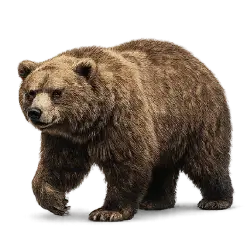
Brown BearA
Grazes dandelions and horsetail on the Bow Valley Parkway and the Icefields Parkway in May and June, and digs for roots on avalanche slopes in Kananaskis.
Spotting note: Realistic in Banff and Jasper from May to June and again in September; a telephoto and a closed car window are mandatory.
Read species guide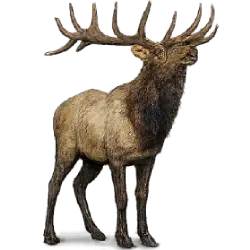
ElkB
Jasper's townsite herd calves on the school fields in June and bugles across the Athabasca flats in September; Banff's herd grazes the golf course.
Spotting note: Guaranteed in Jasper and Banff townsites; keep 30 metres away, cows with calves charge.
Read species guide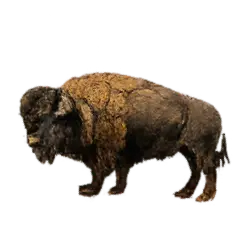
American BisonA
Elk Island National Park near Edmonton keeps plains bison north of Highway 16 and wood bison south of it, often on the Bison Loop Road.
Spotting note: Near-guaranteed on the Bison Loop at Elk Island, especially early morning.
Read species guide
Bighorn SheepC
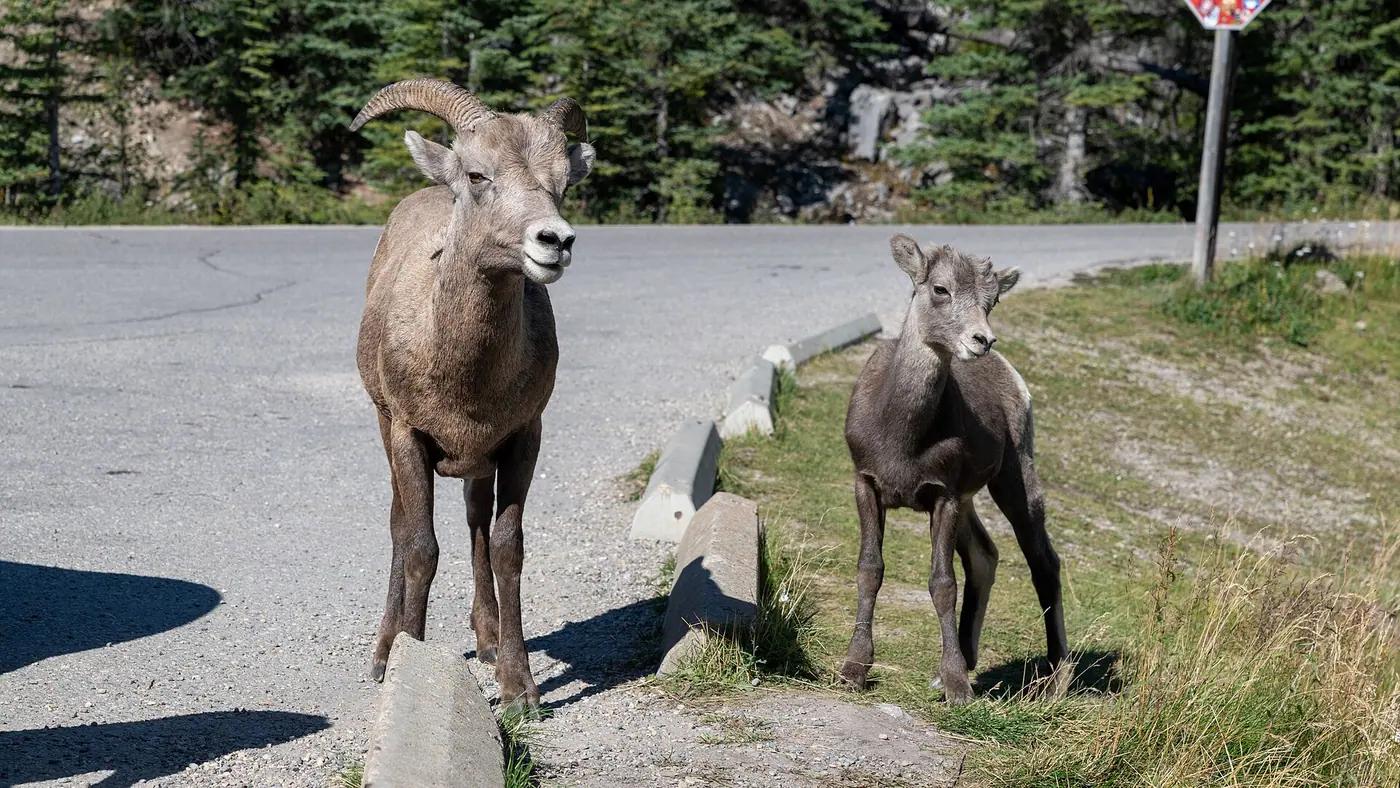
Licks road salt on Highway 1A near Lake Minnewanka, the Jasper east gate and the Highway 16 roadside at Disaster Point.
Spotting note: Near-guaranteed at Lake Minnewanka and Disaster Point year-round.
Read species guide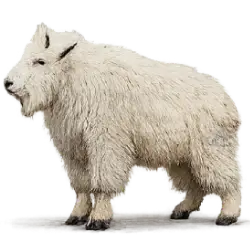
Mountain GoatC
Comes down to the mineral lick above the Athabasca River at the Goats and Glaciers viewpoint on the Icefields Parkway south of Jasper.
Spotting note: Likely at the goat lick in June and July; otherwise on cliffs above the parkway.
Read species guide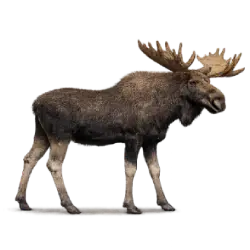
MooseA
Browses the willow flats around Maligne Lake, Moose Lake and the Vermilion Lakes at dawn, and wanders Elk Island's wetlands.
Spotting note: Uncommon; dawn at Maligne Lake road or Moose Lake gives the best odds.
Read species guide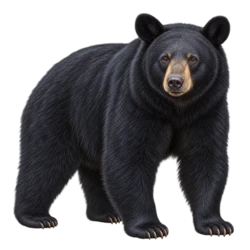
American Black BearB
More common than grizzlies and often cinnamon or blond in Alberta, feeding on roadside buffaloberry along the Icefields Parkway in August.
Spotting note: Likely in Jasper from May to September; the Maligne Lake road is reliable.
Read species guide
Hoary MarmotD
Whistles from boulders at Sunshine Meadows, the Whistlers summit above Jasper and the Parker Ridge trail, which is how the Whistlers got their name.
Spotting note: Common above treeline from June to September.
Read species guide American PikaD
Scurries through talus beside the Parker Ridge and Wilcox Pass trails with mouthfuls of wildflowers for its winter hay pile.
Spotting note: Common in alpine boulder fields; sit still and wait for the squeak.
Read species guide
Clark's NutcrackerC
Raids picnic tables at Lake Louise and Peyto Lake and caches whitebark pine seeds across the subalpine.
Spotting note: Common at every high-elevation viewpoint.
Read species guide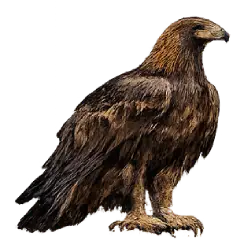
Golden EagleA
Thousands migrate along the Front Ranges each spring and autumn, counted from the Mount Lorette site in Kananaskis since 1992.
Spotting note: Reliable at Mount Lorette in late March and October; scan the ridgelines mid-morning.
Read species guide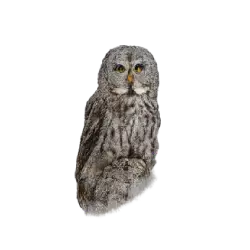
Great Gray OwlC
Alberta's provincial bird hunts the aspen parkland and farm edges around Wetaskiwin, Camrose and Edmonton, perching low on fence posts at dusk.
Spotting note: Uncommon; winter dusk drives on parkland back roads give the best chance.
Read species guide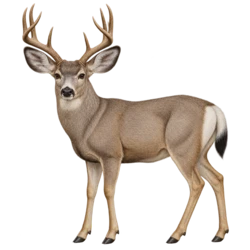
Mule DeerC
Stands in the Wetaskiwin stubble fields and Banff's residential streets with equal composure, and bounds away stiff-legged.
Spotting note: Common across the province.
Read species guide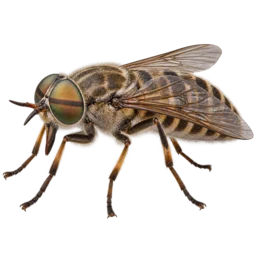
Horse FlyE
Big biting flies of Alberta's summer farmland and lakeshores, logged here by AnimalDex users around Wetaskiwin and impossible to ignore in July.
Spotting note: Common near livestock and lakes in July and August.
Read species guideBest for
Use this section to decide whether the location fits your travel style, skill level, and AnimalDex goals.
- Roadside bears, elk and bighorn sheep in Banff and Jasper
- Guaranteed bison at Elk Island near Edmonton
- Alpine marmots, pikas and mountain goats
- Golden eagle migration and parkland owls
Spotting tips
These tips are meant to make the page useful in the field, not just readable on the page.
- 01Drive the Bow Valley Parkway (Highway 1A) and the Icefields Parkway at dawn in late May or June for bears; stay in the vehicle, and never stop in a way that blocks traffic or crowds the animal.
- 02At Elk Island, take the Bison Loop Road off Highway 16 first thing in the morning, then walk the Living Waters boardwalk for beavers and waterfowl.
- 03For mountain goats, park at the Goats and Glaciers viewpoint on the Icefields Parkway in June or July and look down to the grey mineral lick on the riverbank.
- 04Carry bear spray on every trail in the mountain parks and know how to use it; it is sold in Banff and Jasper and can be rented.
Virtual Wildlife Guides
Wildlife guides to Alberta
AnimalDex builds virtual guides from explorers' own wild sightings: which animals they found, how rare they are, and when. A guide is advice from someone who has been there, not a tour. Buying one unlocks the author's notes for every animal, a chat with the author, and introductions to local people they met. Wildlife is never guaranteed.
Checking for virtual guides to Alberta...
How to choose a local wildlife guide in Alberta
- Ask what they usually find in the season you are visiting. A good guide gives an honest answer, not a promised sighting.
- Check how they treat animals: no baiting, calling in, handling, or close flash photography for a better shot.
- Confirm the meeting area, duration, group size, total price, and how you pay before the day, plus any permits or park fees the place requires.
Track the animals you find in Alberta
Build your collection while you travel through Alberta, from easy wins to the species worth planning around.
Related tier lists
These tier lists add broader context around the species that make this location interesting.
100 Strongest Animals in the World
Top 100 strongest animals in the world, ranked by biological power: body scale first, then how that force is used on land and in water.
Read tier listRelated locations
Keep exploring with nearby or similar destinations that support the same kind of AnimalDex discovery.
Animals in Canada: What You Can Spot, Learn, and Collect
A practical Canada wildlife guide built around coasts, forests, migration, and the cold-region species that make the country feel spacious and serious.
Read location guideAnimals in British Columbia: What You Can Spot, Learn, and Collect
British Columbia wildlife guide: orcas and humpbacks in the Salish Sea and Johnstone Strait, grizzlies and spirit bears of the Great Bear Rainforest, Brackendale eagles, Adams River salmon and Vancouver Aquarium otters.
Read location guideAnimals in North Dakota: What You Can Spot, Learn, and Collect
North Dakota wildlife guide: Theodore Roosevelt National Park bison, prairie dogs and wild horses, Chase Lake's pelican colony, sandhill cranes and snow geese on migration, and meadowlarks in Morton County.
Read location guideLocation FAQ
Short direct answers to the questions travelers usually ask before choosing a wildlife destination or zoo day.
What wildlife is there in Alberta?
Grizzly and black bears, elk, moose, bighorn sheep, mountain goats, wolves, cougars, marmots and pikas in the Rockies; plains and wood bison at Elk Island; mule and white-tailed deer, coyotes, great gray owls and hawks in the parkland and prairie; and pronghorn and rattlesnakes in the dry southeast.
What animals can be found in Alberta's Banff and Jasper national parks?
Elk and bighorn sheep are near-guaranteed, black and grizzly bears are realistic on the parkways in late spring, mountain goats come to the Icefields Parkway lick in summer, and marmots, pikas and nutcrackers are common above treeline. Wolves, cougars and wolverines are present but rarely seen.
Where can you see bison in Alberta?
Elk Island National Park, 35 minutes east of Edmonton, is the most reliable place, with plains bison on the Bison Loop Road and wood bison in the southern section. Banff's Panther Valley also has a reintroduced wild herd reachable only on foot.
Is it safe to see bears in Alberta?
Yes from a vehicle, which is how most sightings happen. On trails, hike in groups, make noise, carry bear spray and keep 100 metres from any bear. Bear jams on the parkways are policed and you should stay inside the car.
Have AnimalDex users found animals in Alberta?
Yes. AnimalDex users have publicly logged 4 captures of 4 different species in Alberta, including black horse fly, giant honey bee, harvestman, potato leafhopper. Each one was photographed in the app at the moment of the sighting.
How do I find a wildlife guide to Alberta?
Check the Wildlife Guides section on this page or browse Wildlife Guides on AnimalDex. Each one is a virtual guide built from an explorer's own wild sightings around Alberta: the animals they found, how rare they are, and when. It is advice from someone who has been there, not a tour. If you want someone with you on the day, compare local guides on wildlife knowledge, how they treat animals, and clear pricing before you go.