

Animals in British Columbia: What You Can Spot, Learn, and Collect
British Columbia wildlife guide: orcas and humpbacks in the Salish Sea and Johnstone Strait, grizzlies and spirit bears of the Great Bear Rainforest, Brackendale eagles, Adams River salmon and Vancouver Aquarium otters.
Quick answer
Start with the direct answer, then use the sections below to see why the location matters and which animals are actually realistic to spot there.
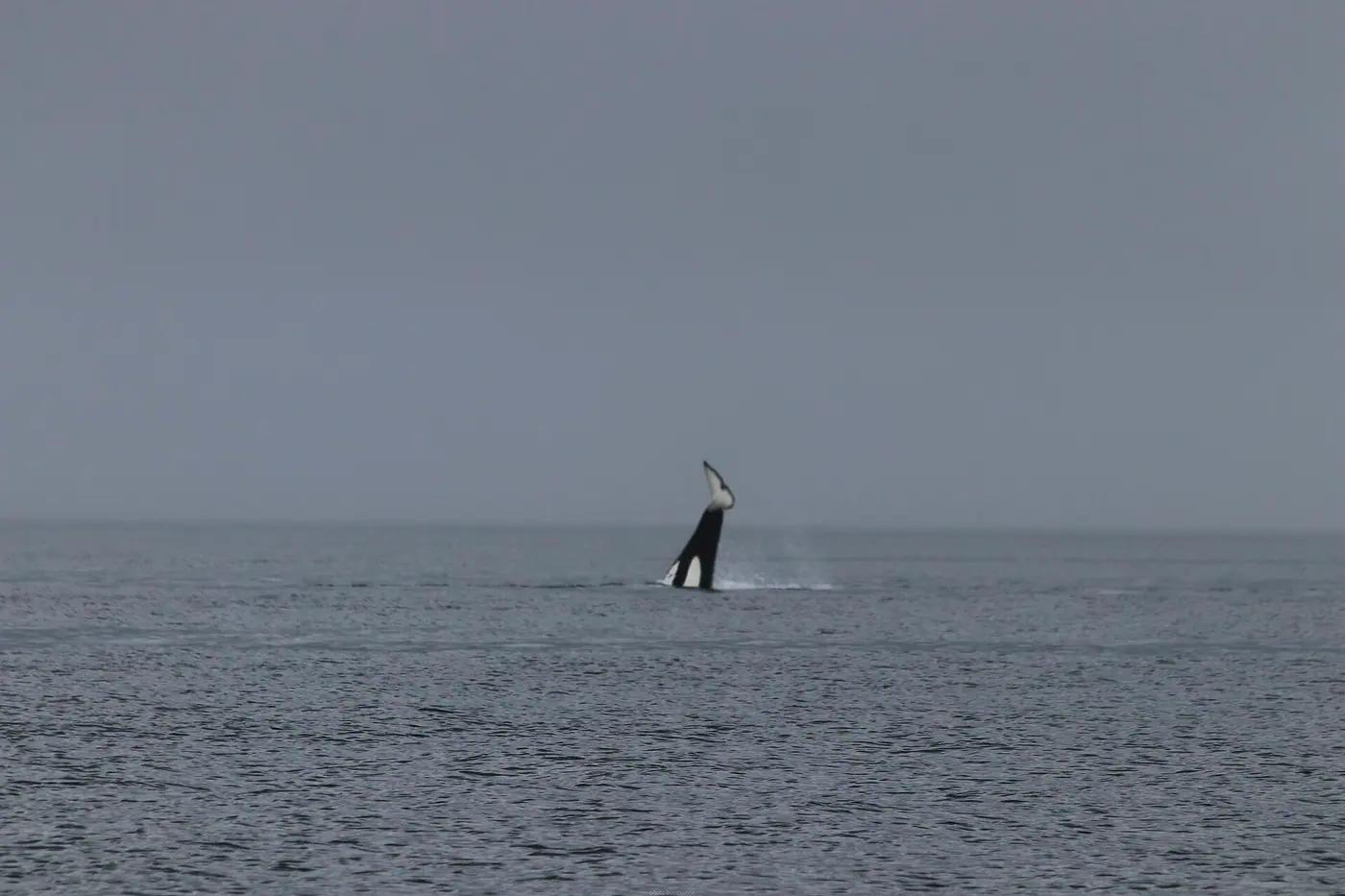
British Columbia is the best place in North America for orcas, with resident and Bigg's pods in the Salish Sea off Victoria and Johnstone Strait off Telegraph Cove, plus humpbacks, grey whales and sea otters along Vancouver Island's west coast. Inland, grizzlies fish the salmon rivers of the Great Bear Rainforest, where one in ten black bears is a white spirit bear, and the Adams River sockeye run and Brackendale's winter eagle count round out the calendar.
The province's coast is 25,000 kilometres of fjords and islands where the food chain is visible: herring and salmon draw humpbacks, orcas, sea lions and eagles into the same channels, and a single day out of Telegraph Cove in August can produce all of them.
The Great Bear Rainforest is the largest intact temperate rainforest on earth and the only home of the Kermode or spirit bear, a white-coated black bear. Guided trips from Klemtu and Bella Bella in September put you on salmon streams as the bears fish.
Why this location matters
Good location pages explain why the place is worth your time, not just which names belong on a destination checklist.
Johnstone Strait's Robson Bight is the only ecological reserve on earth created for orcas, where the northern residents rub on pebble beaches. Watching from a kayak or boat here is as close as the species gets to a sure thing anywhere.
Brackendale, near Squamish, set the world record for a single-day bald eagle count at 3,769 in 1994, and every winter thousands still gather on the Squamish River to feed on spawned-out salmon within an hour of Vancouver.
Where to look
Wildlife map of British Columbia
This guide covers the region shown below. Zoom in to get your bearings before planning a trip.
Positions are geocoded from OpenStreetMap. Habitat access and opening times change — check locally before travelling. Smaller pins are public AnimalDex captures, placed to the nearest kilometre.
Field proof
Found in British Columbia by AnimalDex users
Real captures logged in the AnimalDex app inside this area and shared publicly by their collectors, with the animal confirmed by the app's identification. Places are shown to the nearest region, never the exact spot.
- 2
- public captures
- 2
- species recorded
- 2
- collectors
- 1
- wild sightings
Recent captures from the field
Species people have actually logged here
Every name links to its species guide. The count is how many public captures of that animal sit inside this area.
Collectors choose to share these captures on Discover and can withdraw them at any time. Coordinates are rounded to about a kilometre and refreshed with each site build.
Animals to spot
These are intentionally practical species picks, balancing accessibility, excitement, and what travelers can realistically notice in the location.
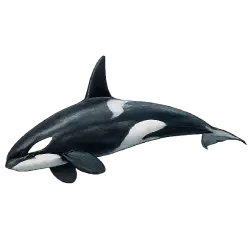
OrcaS
Northern resident pods hunt salmon in Johnstone Strait each summer, and Bigg's orcas take seals and porpoises in the Salish Sea off Victoria year-round.
Spotting note: Near-guaranteed on a Telegraph Cove trip from July to September; very likely from Victoria most of the year.
Read species guide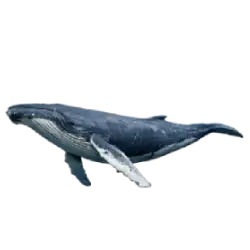
Humpback WhaleA
Returned in force since the 2000s and now feed throughout the Salish Sea and off Tofino, with bubble-net lunges seen off northern Vancouver Island.
Spotting note: Likely on any whale trip from May to October.
Read species guide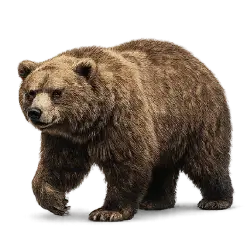
Brown BearA
Fishes the Atnarko River at Tweedsmuir, the Orford River near Campbell River and the Khutzeymateen inlet north of Prince Rupert, Canada's first grizzly sanctuary.
Spotting note: Reliable on guided September trips from Campbell River and Bella Coola.
Read species guide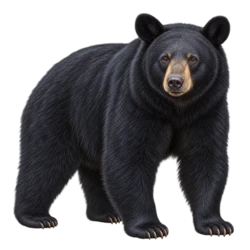
American Black BearB
The Great Bear Rainforest's spirit bears are white-coated black bears, and ordinary black bears flip rocks for crabs on the shores around Tofino at low tide.
Spotting note: Common on Vancouver Island; spirit bears need a guided September trip to Gribbell or Princess Royal island.
Read species guide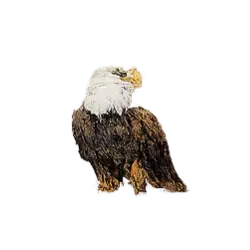
Bald EagleB
Brackendale on the Squamish River gathers thousands each winter, and eagles sit on every harbour piling from Vancouver to Prince Rupert.
Spotting note: Guaranteed year-round on the coast; December to January is peak at Brackendale.
Read species guide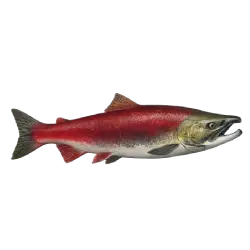
Sockeye SalmonD
The Adams River near Chase turns red with millions of spawning sockeye in dominant years, celebrated by the Salute to the Sockeye every fourth October.
Spotting note: Spectacular in dominant years (2026, 2030); smaller runs every October.
Read species guide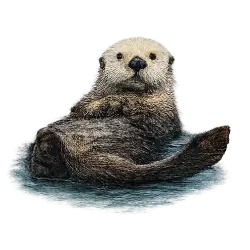
Sea OtterC
Reintroduced from Alaska in the 1970s and now rafting in the kelp off Kyuquot and Tofino's outer islands, with the Vancouver Aquarium's rescued otters for everyone else.
Spotting note: Likely on Kyuquot and Tofino boat trips; guaranteed at the Vancouver Aquarium.
Read species guide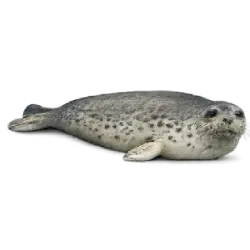
Harbor SealC
Hauls out on the log booms of False Creek, the rocks at Stanley Park and every marina float in the province.
Spotting note: Guaranteed along any stretch of coast.
Read species guide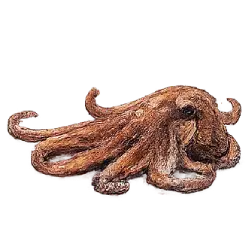
Giant Pacific OctopusC
The world's largest octopus dens in the rocky walls of Howe Sound and Saanich Inlet, a staple of Vancouver Island cold-water diving.
Spotting note: Regular on dives at Whytecliff Park and Ogden Point; aquarium displays in Vancouver and Sidney.
Read species guide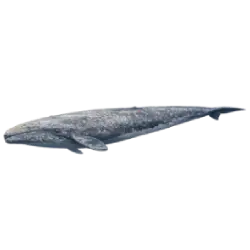
Gray WhaleA
Migrates past Tofino and Ucluelet in March, celebrated by the Pacific Rim Whale Festival, with a few dozen summering in Clayoquot Sound.
Spotting note: Reliable from Tofino in March and April; summer residents likely on half-day trips.
Read species guide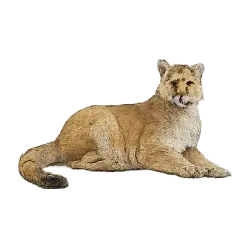
CougarA
Vancouver Island has the densest cougar population in North America, slipping through the rainforest around Port Alberni, Strathcona and even Victoria's suburbs.
Spotting note: Rare to see; tracks on logging roads are the realistic find.
Read species guide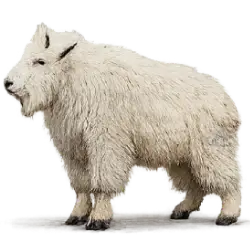
Mountain GoatC
Stands on the cliffs above the Sea to Sky Highway near Squamish and in the alpine of Mount Robson and the Kootenays.
Spotting note: Regular with a scope from the Sea to Sky viewpoints; common in Mount Robson's alpine.
Read species guide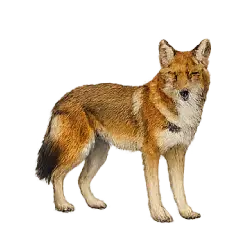
WolfC
Coastal wolves swim between islands and eat salmon and barnacles on the Great Bear coast and Vancouver Island's Pacific Rim beaches.
Spotting note: Rare; dawn on a remote west coast beach gives tracks and occasional sightings.
Read species guide
Banana SlugE
Grazes the trails of Stanley Park, Cathedral Grove and every coastal rainforest at a stately pace after rain.
Spotting note: Common on damp days in coastal forest; scarce in dry August weeks.
Read species guideBest for
Use this section to decide whether the location fits your travel style, skill level, and AnimalDex goals.
- Orcas and humpbacks from Victoria and Telegraph Cove
- Grizzly and spirit bear salmon-stream viewing
- Winter eagle gatherings at Brackendale
- Salmon runs and cold-water marine life
Spotting tips
These tips are meant to make the page useful in the field, not just readable on the page.
- 01For orcas, base at Telegraph Cove or Port McNeill in August and take a full-day boat or guided kayak trip toward Robson Bight; Victoria trips work from April to October for Bigg's orcas.
- 02Grizzly trips from Campbell River to the Orford River and Bute Inlet run in September and October when the salmon are in; book months ahead.
- 03At Brackendale, walk the dyke along Government Road in December or January and scan the cottonwoods across the Squamish River; the Eagle Run viewing shelter has volunteers with scopes.
- 04Check the Adams River run forecast before planning around it: the dominant-year runs in Roderick Haig-Brown Provincial Park are vastly larger than the off years.
Virtual Wildlife Guides
Wildlife guides to British Columbia
AnimalDex builds virtual guides from explorers' own wild sightings: which animals they found, how rare they are, and when. A guide is advice from someone who has been there, not a tour. Buying one unlocks the author's notes for every animal, a chat with the author, and introductions to local people they met. Wildlife is never guaranteed.
Checking for virtual guides to British Columbia...
How to choose a local wildlife guide in British Columbia
- Ask what they usually find in the season you are visiting. A good guide gives an honest answer, not a promised sighting.
- Check how they treat animals: no baiting, calling in, handling, or close flash photography for a better shot.
- Confirm the meeting area, duration, group size, total price, and how you pay before the day, plus any permits or park fees the place requires.
Track the animals you find in British Columbia
Build your collection while you travel through British Columbia, from easy wins to the species worth planning around.
Related tier lists
These tier lists add broader context around the species that make this location interesting.
100 Smartest Animals Ranked
Animal intelligence ranking of 100 smartest animals, using AnimalDex intelligence profiles and a clear note that social skill, tool use, and solitary problem solving are different jobs.
Read tier listBiggest Animals in the World
A structured ranking of the biggest animals in the world, using the AnimalDex size stat to compare body scale across sea, land, and air.
Read tier listRelated locations
Keep exploring with nearby or similar destinations that support the same kind of AnimalDex discovery.
Animals in Canada: What You Can Spot, Learn, and Collect
A practical Canada wildlife guide built around coasts, forests, migration, and the cold-region species that make the country feel spacious and serious.
Read location guideAnimals in Alberta: What You Can Spot, Learn, and Collect
Alberta wildlife guide: Banff and Jasper elk, grizzlies and bighorn sheep, Elk Island bison, Icefields Parkway mountain goats, great gray owls and the deer and hawks of Wetaskiwin farmland.
Read location guideAnimals in California: What You Can Spot, Learn, and Collect
California wildlife guide: sea otters in Monterey, elephant seals at Ano Nuevo, condors at Pinnacles, Yosemite black bears, grey whales offshore and the scrub-jays and quail of Riverside County.
Read location guideLocation FAQ
Short direct answers to the questions travelers usually ask before choosing a wildlife destination or zoo day.
What wildlife is there in British Columbia?
Orcas, humpback and grey whales, sea otters, sea lions and seals on the coast; grizzly, black and spirit bears, wolves, cougars, moose, elk and mountain goats inland; and vast runs of sockeye, chinook and coho salmon that draw thousands of bald eagles each winter.
What animals can be found in British Columbia around Vancouver?
Harbour seals in False Creek, bald eagles and great blue herons in Stanley Park, black bears and coyotes in the North Shore suburbs, humpbacks and orcas on half-day boat trips, and thousands of eagles at Brackendale near Squamish in winter.
Where can you see spirit bears in British Columbia?
Only in the Great Bear Rainforest, mainly on Gribbell and Princess Royal islands near Klemtu, on guided trips in September and early October run with the Kitasoo Xai'xais Nation. There are an estimated 100 to 400 spirit bears in total.
When is the best time for whale watching in British Columbia?
July to September for northern resident orcas in Johnstone Strait, May to October for humpbacks, March for the grey whale migration at Tofino, and most of the year for Bigg's orcas from Victoria.
Have AnimalDex users found animals in British Columbia?
Yes. AnimalDex users have publicly logged 2 captures of 2 different species in British Columbia, including crane fly, indian peafowl. Each one was photographed in the app at the moment of the sighting.
How do I find a wildlife guide to British Columbia?
Check the Wildlife Guides section on this page or browse Wildlife Guides on AnimalDex. Each one is a virtual guide built from an explorer's own wild sightings around British Columbia: the animals they found, how rare they are, and when. It is advice from someone who has been there, not a tour. If you want someone with you on the day, compare local guides on wildlife knowledge, how they treat animals, and clear pricing before you go.