

Animals in Algeria: What You Can Spot, Learn, and Collect
Algeria wildlife guide: Barbary macaques in the Chréa cedars, flamingos at El Kala, fennec foxes in the Sahara and the wall geckos AnimalDex users log around Blida.
Quick answer
Start with the direct answer, then use the sections below to see why the location matters and which animals are actually realistic to spot there.
Algeria splits into three wildlife zones: the Mediterranean Tell with Barbary macaques, white storks and wetland flamingos, the high plateaus with jackals and porcupines, and the Sahara with fennec foxes, Barbary sheep and horned vipers. Around Algiers the realistic daily sightings are wall geckos, two-tailed pasha butterflies and gulls, with Ben Aknoun zoo for a guaranteed close look at the bigger species.
Most of Algeria is desert, which makes people assume there is little to see. The opposite is true if you plan around the few places where water, cedar forest or rock meet: the cedar slopes of Chréa National Park above Blida, the lakes and cork-oak forest of El Kala in the far north-east, and the oases and sandstone massifs of the Sahara.
AnimalDex captures from Algeria cluster around Blida and Oran, and they are honest: wall geckos on warm walls, a two-tailed pasha on a fig, a woodlouse hunter spider under a flowerpot. That everyday layer is where most collections start, and the headline species sit a day trip away.
Why this location matters
Good location pages explain why the place is worth your time, not just which names belong on a destination checklist.
Algeria holds one of the last strongholds of the Barbary macaque, the only wild monkey north of the Sahara, and a large share of the remaining Barbary sheep in the Saharan Atlas and Hoggar. Few visitors realise either animal is on the doorstep of Algiers or Djanet.
The country is also under-recorded. A logged sighting of a flamingo at Lac Tonga or a horned viper track in Tassili n'Ajjer adds genuine information to a map that still has big gaps.
Where to look
Wildlife map of Algeria
This guide covers the region shown below. Zoom in to get your bearings before planning a trip.
Positions are geocoded from OpenStreetMap. Habitat access and opening times change — check locally before travelling. Smaller pins are public AnimalDex captures, placed to the nearest kilometre.
Field proof
Found in Algeria by AnimalDex users
Real captures logged in the AnimalDex app inside this area and shared publicly by their collectors, with the animal confirmed by the app's identification. Places are shown to the nearest region, never the exact spot.
- 10
- public captures
- 9
- species recorded
- 2
- collectors
- 10
- wild sightings
Recent captures from the field
Species people have actually logged here
Every name links to its species guide. The count is how many public captures of that animal sit inside this area.
Collectors choose to share these captures on Discover and can withdraw them at any time. Coordinates are rounded to about a kilometre and refreshed with each site build.
Animals to spot
These are intentionally practical species picks, balancing accessibility, excitement, and what travelers can realistically notice in the location.

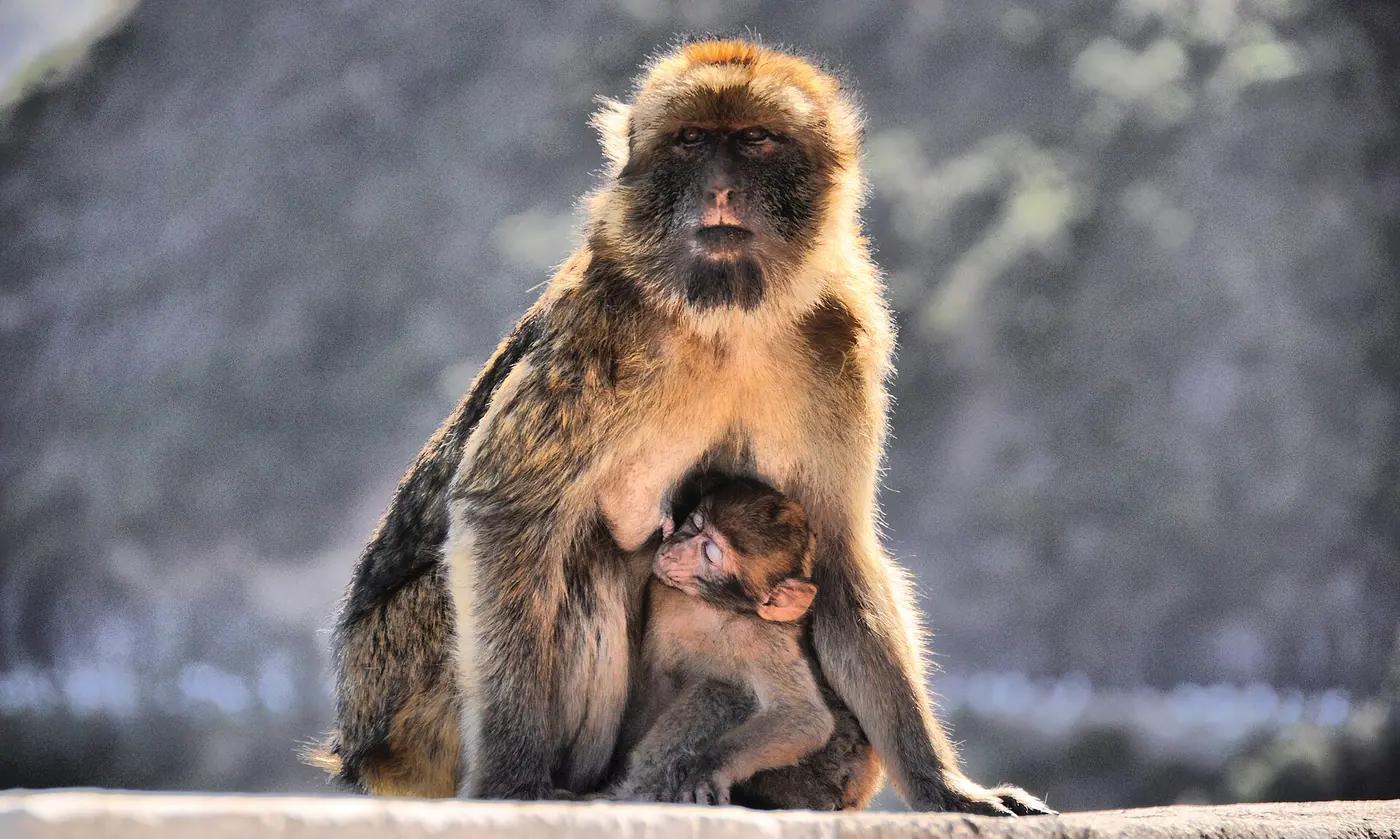
Barbary MacaqueC
Troops live in the Atlas cedar forest of Chréa National Park above Blida and in the Djurdjura range, and they come down to car parks and picnic spots looking for handouts.
Spotting note: Reliable at Chréa on weekends; keep food out of sight and do not feed them.
Read species guide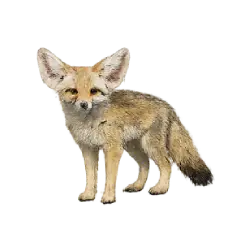
Fennec FoxC
Algeria's national animal and the mascot of its football team. Big-eared foxes hunt the dunes around Timimoun, Taghit and the Grand Erg Occidental after dark.
Spotting note: Nocturnal and shy; tracks at dawn around dune bases are the usual proof.
Read species guide
Barbary SheepC
The aoudad still clings to the cliffs of the Ahaggar and Tassili n'Ajjer, where guides find it on ledges above the wadis at first light.
Spotting note: Uncommon; a Saharan trek with a local guide gives the best odds.
Read species guide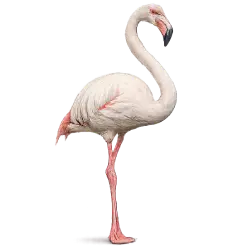
Greater FlamingoC
Flocks winter and increasingly breed on the sebkhas of the high plateaus and the lakes of El Kala, with Lac des Oiseaux and Lac Tonga the classic sites.
Spotting note: Common in winter at El Kala and on the salt lakes near Oran.
Read species guide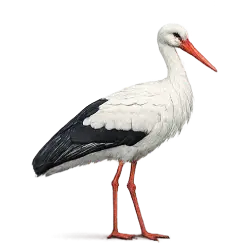
White StorkC
Nests on minarets, pylons and chimneys across the Tell from spring, and parades through ploughed fields in the Mitidja plain.
Spotting note: Common March to August in the north.
Read species guide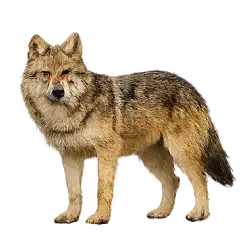
Golden JackalC
Algeria's jackals are now treated as African wolves by many researchers, but either way you will hear them yipping at dusk on the high plateaus and the edge of oasis towns.
Spotting note: Heard far more than seen; dusk on the steppe is the window.
Read species guide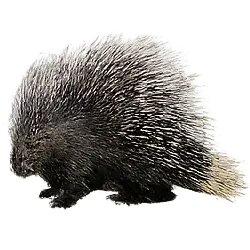
Crested PorcupineD
Leaves black-and-white quills on trails in the Tell forests and raids gardens on the edge of hill towns.
Spotting note: Nocturnal; quills and digging are the common evidence.
Read species guide
Greek TortoiseE
The spur-thighed tortoise grazes maquis and olive groves across northern Algeria and is most active after spring rain.
Spotting note: Fairly common in the north in spring; never take one home.
Read species guide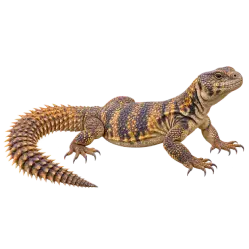
Sahara Spiny-tailed LizardD
The dob basks on the sandstone and boulder plains of the Tassili n'Ajjer and the Ahaggar around Djanet and Tamanrasset, retreating to a burrow when the shadow of a car falls on it.
Spotting note: Regular in the central Sahara on warm mornings.
Read species guide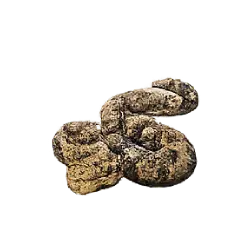
Desert Horned ViperC
Lies buried in sand with only its eyes and horns showing. Sidewinding tracks across a dune at dawn are the safe way to log it.
Spotting note: Rarely seen alive; watch where you put your hands and feet.
Read species guide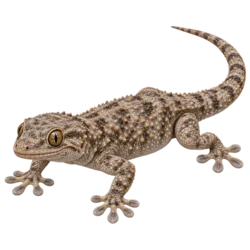
Common Wall GeckoE
The most-logged wild animal in AnimalDex's Algeria captures, hunting moths under lights on house walls in Blida and Oran every warm night.
Spotting note: Near-guaranteed on any lit wall from April to October.
Read species guide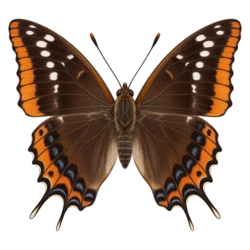
Two-tailed PashaE
A big, fast butterfly tied to the strawberry tree, logged by users around Blida. It patrols hilltops and comes down to rotting figs.
Spotting note: Seasonal in the Tell hills, late spring and again in late summer.
Read species guide
Yellow-legged GullD
The default large gull of Algiers harbour, Oran's corniche and every fishing port in between.
Spotting note: Abundant along the whole coast.
Read species guide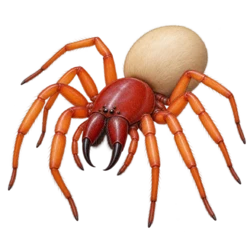
Woodlouse Hunter SpiderE
A red-and-cream spider with oversized fangs that users have turned up under stones and plant pots in Blida gardens.
Spotting note: Common but hidden; lift a damp stone at night.
Read species guideBest for
Use this section to decide whether the location fits your travel style, skill level, and AnimalDex goals.
- Travellers combining Algiers and the Kabylie hills with a day in the Chréa cedars.
- Saharan trekkers heading to Tassili n'Ajjer or the Hoggar with a local guide.
- Birders chasing winter wetlands at El Kala and the Oran salt lakes.
- Collectors who want a genuinely under-recorded country on their map.
Spotting tips
These tips are meant to make the page useful in the field, not just readable on the page.
- 01Chréa's macaques are easiest on a weekday morning before the picnic crowds arrive, and they stay calmer if nobody is feeding them.
- 02In the Sahara, walk dune edges at dawn for tracks: fennec, jerboa, horned viper and beetle trails are all readable in cold sand.
- 03El Kala's lakes are best in winter for flamingos, ducks and herons; bring a scope because the birds sit far out.
- 04Ben Aknoun zoo in Algiers is fine for a close look at lions and Barbary sheep, but log them as zoo sightings, not wild ones.
Virtual Wildlife Guides
Wildlife guides to Algeria
AnimalDex builds virtual guides from explorers' own wild sightings: which animals they found, how rare they are, and when. A guide is advice from someone who has been there, not a tour. Buying one unlocks the author's notes for every animal, a chat with the author, and introductions to local people they met. Wildlife is never guaranteed.
Checking for virtual guides to Algeria...
How to choose a local wildlife guide in Algeria
- Ask what they usually find in the season you are visiting. A good guide gives an honest answer, not a promised sighting.
- Check how they treat animals: no baiting, calling in, handling, or close flash photography for a better shot.
- Confirm the meeting area, duration, group size, total price, and how you pay before the day, plus any permits or park fees the place requires.
Track the animals you find in Algeria
Build your collection while you travel through Algeria, from easy wins to the species worth planning around.
Related tier lists
These tier lists add broader context around the species that make this location interesting.
100 Most Adaptable Animals
Most adaptable animals ranked by habitat flexibility, behavioral range, and success in changing conditions — including the current AnimalDex number one.
Read tier listRelated locations
Keep exploring with nearby or similar destinations that support the same kind of AnimalDex discovery.
Animals in Morocco: What You Can Spot, Learn, and Collect
Morocco wildlife guide: Barbary macaques in the Ifrane cedars, northern bald ibis at Souss-Massa, storks on every minaret, fennec foxes and camels at Merzouga.
Read location guideAnimals in Egypt: What You Can Spot, Learn, and Collect
Egypt wildlife guide: dugongs and Napoleon wrasse on the Red Sea reefs, Sataya's spinner dolphins, Nubian ibex in Sinai, Fayoum flamingos and Nile kingfishers.
Read location guideAnimals in Spain: What You Can Spot, Learn, and Collect
A practical Spain wildlife guide built around Mediterranean coasts, dry-country birds, wetlands, and the broad habitat mix that makes the country stronger than beach-only travel suggests.
Read location guideLocation FAQ
Short direct answers to the questions travelers usually ask before choosing a wildlife destination or zoo day.
What wildlife is there in Algeria?
Barbary macaques and white storks in the north, flamingos on the wetlands and salt lakes, jackals and porcupines on the high plateaus, and fennec foxes, Barbary sheep and horned vipers in the Sahara.
What animals can be found in Algeria?
Around 100 mammal species including the Barbary macaque, fennec fox, Barbary sheep, striped hyena and dorcas gazelle, plus about 400 bird species and a rich desert reptile fauna. In towns the everyday wildlife is wall geckos, gulls, storks and butterflies.
Where can you see monkeys in Algeria?
Chréa National Park above Blida, about an hour from Algiers, has habituated Barbary macaque troops along the road and picnic areas. The Djurdjura range in Kabylie and Gouraya near Béjaïa also hold wild troops.
Is the Algerian Sahara good for wildlife?
Yes, if you go with a guide and accept that most animals are nocturnal. Tassili n'Ajjer and the Hoggar hold Barbary sheep, fennec, sand cat and dorcas gazelle, and dawn tracking in the dunes is very productive.
Have AnimalDex users found animals in Algeria?
Yes. AnimalDex users have publicly logged 10 captures of 9 different species in Algeria, including common wall gecko, budgerigar, cockroach, giant honey bee. Each one was photographed in the app at the moment of the sighting.
How do I find a wildlife guide to Algeria?
Check the Wildlife Guides section on this page or browse Wildlife Guides on AnimalDex. Each one is a virtual guide built from an explorer's own wild sightings around Algeria: the animals they found, how rare they are, and when. It is advice from someone who has been there, not a tour. If you want someone with you on the day, compare local guides on wildlife knowledge, how they treat animals, and clear pricing before you go.