

Animals in Argentina: What You Can Spot, Learn, and Collect
Wildlife in Argentina: right whales and elephant seals at Península Valdés, capybaras and caimans in Iberá, coatis at Iguazú, condors and reintroduced jaguars.
Quick answer
Start with the direct answer, then use the sections below to see why the location matters and which animals are actually realistic to spot there.
Argentina packs subtropical wetlands, Pampas, Andes and a cold Atlantic coast into one country. Península Valdés has southern right whales, elephant seals, sea lions and hunting orcas; the Iberá marshes hold capybaras, caimans, marsh deer, howler monkeys and reintroduced jaguars and anteaters; Iguazú's forest is full of coatis and toucans; and the Andes deliver condors, guanacos and vicuñas.
The classic Argentine wildlife trip has three stops. Península Valdés in Chubut for whales and seals, the Esteros del Iberá in Corrientes for wetland mammals and birds, and the Iguazú falls for Atlantic Forest species. Each is a different biome and each is reachable by a domestic flight from Buenos Aires.
Beyond those, the Pampas themselves are worth watching from the bus window: rheas, horneros, lapwings, caracaras and burrowing owls on every fence line, plus vizcachas and armadillos at dusk. Patagonia and the northwest Andes add guanacos, maras, condors and the strange steppe fauna of the south.
Why this location matters
Good location pages explain why the place is worth your time, not just which names belong on a destination checklist.
Iberá is the most ambitious rewilding project in the Americas. Jaguars, giant anteaters, giant otters, pampas deer and macaws have all been returned to the marshes in the last fifteen years, and visitors can watch the results from a boat or a horse.
Valdés, meanwhile, offers marine mammals at a density few places match, and the famous beach-hunting orcas of Punta Norte are a behaviour seen almost nowhere else on earth.
Where to look
Wildlife map of Argentina
This guide covers the region shown below. Zoom in to get your bearings before planning a trip.
Positions are geocoded from OpenStreetMap. Habitat access and opening times change — check locally before travelling.
Animals to spot
These are intentionally practical species picks, balancing accessibility, excitement, and what travelers can realistically notice in the location.

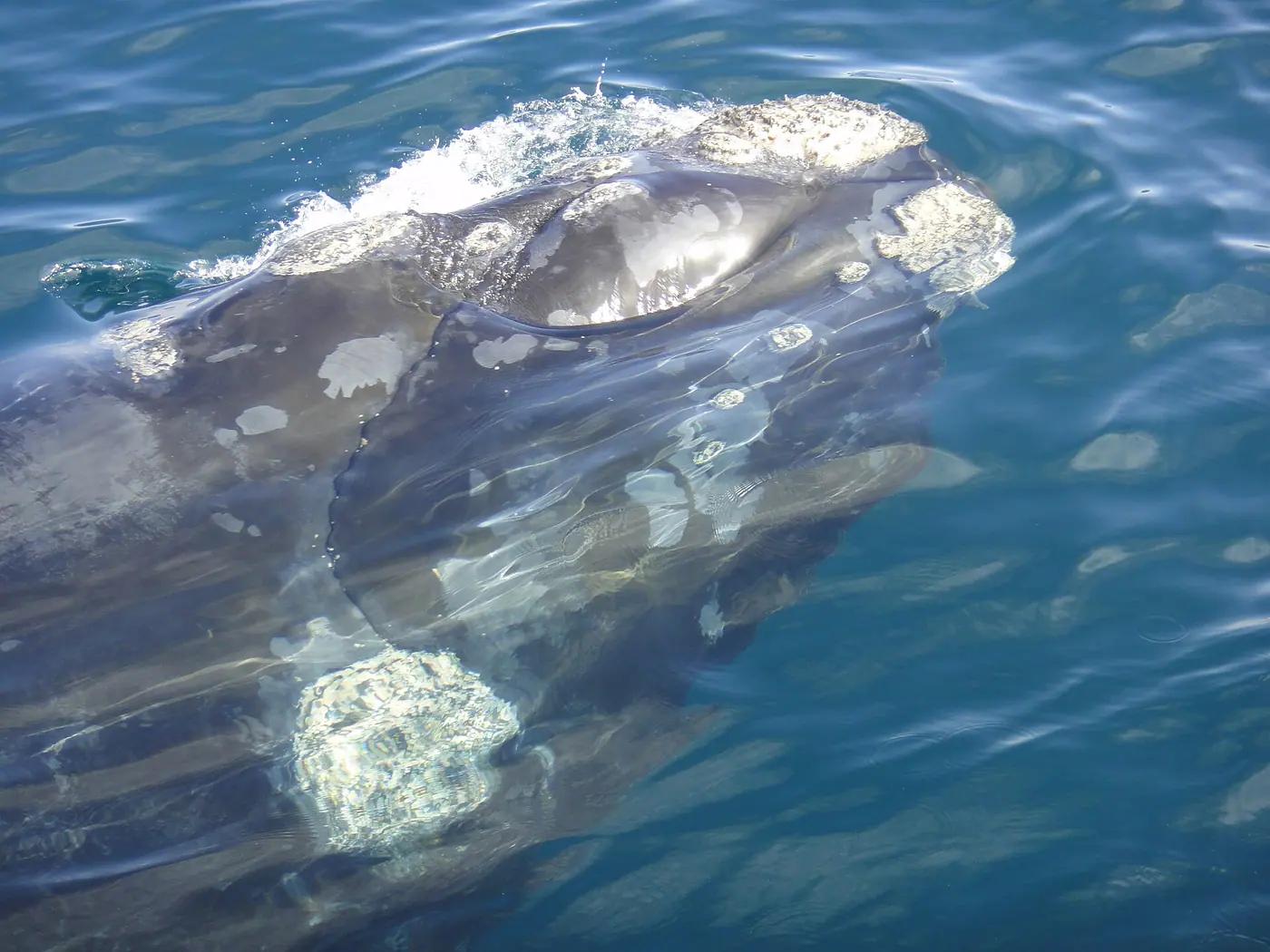
Southern Right WhaleA
Right whales calve in the Golfo Nuevo off Puerto Pirámides and are watched from boats and even from the beach at El Doradillo.
Spotting note: Guaranteed June to December at Península Valdés.
Read species guide
Southern Elephant SealA
The only continental elephant seal colony in the world lines the beaches of Valdés at Punta Delgada and Caleta Valdés.
Spotting note: Reliable; bulls fight on the beaches in September and October.
Read species guide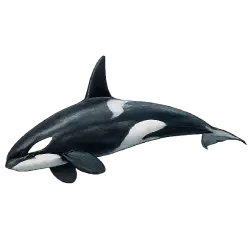
OrcaS
Punta Norte's orcas strand themselves intentionally to grab sea lion pups off the beach, a hunting technique unique to Valdés.
Spotting note: Seasonal and tide-dependent, mainly March and April; sightings never guaranteed.
Read species guide
Magellanic PenguinC
Punta Tombo south of Trelew is the largest Magellanic colony on the continent, with hundreds of thousands of birds in season.
Spotting note: Guaranteed September to March at Punta Tombo and Estancia San Lorenzo.
Read species guide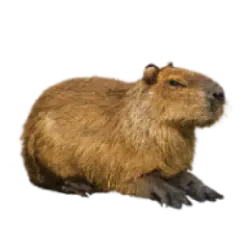
CapybaraD
Capybaras graze the lawns of Colonia Carlos Pellegrini and line every channel of the Iberá marshes.
Spotting note: Guaranteed at Iberá.
Read species guide
Yacare CaimanC
Caimans float among the water hyacinth of Iberá by the hundred and bask on the causeway edges.
Spotting note: Guaranteed on any Iberá boat trip.
Read species guide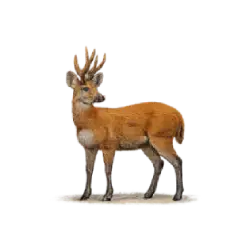
Marsh DeerB
Iberá holds the largest marsh deer population in Argentina, visible wading the floating meadows from the boat.
Spotting note: Likely at Iberá.
Read species guide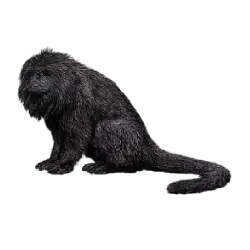
Black Howler MonkeyC
Howlers roar from the forest islands of Iberá at dawn and sit in the trees above the Carlos Pellegrini guesthouses.
Spotting note: Common at Iberá.
Read species guide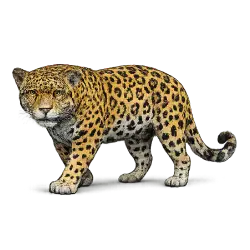
JaguarA
Jaguars were returned to Iberá's San Alonso island in 2021 after seventy years' absence and the population is growing; Iguazú holds the other wild population.
Spotting note: Rare; camera traps and tracks at Iberá, very occasional on the Iguazú roads at night.
Read species guide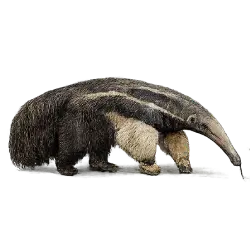
Giant AnteaterC
Reintroduced anteaters now forage the Iberá grasslands in daylight around the Rincón del Socorro and San Nicolás portals.
Spotting note: Likely at Iberá with a guide.
Read species guide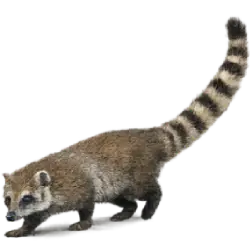
South American CoatiC
Coatis mob the walkways at Iguazú falls and raid any unattended snack on the Circuito Superior.
Spotting note: Guaranteed at Iguazú; keep food sealed.
Read species guide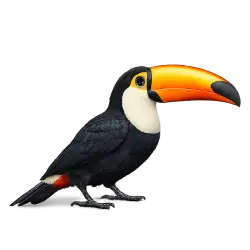
Toco ToucanC
Toucans fly over the Iguazú gorge and feed in the forest along the Macuco trail.
Spotting note: Regular at Iguazú, especially early.
Read species guide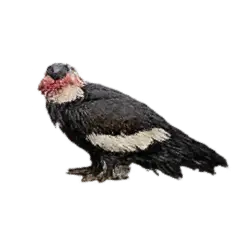
Andean CondorB
Condors nest in the Quebrada del Condorito near Córdoba and soar over the Calchaquí valleys and the Patagonian Andes.
Spotting note: Reliable at Quebrada del Condorito National Park.
Read species guide Burrowing ParrotC
The world's largest parrot colony cuts into the sea cliffs at El Cóndor near Viedma, tens of thousands of nests.
Spotting note: Guaranteed at El Cóndor from September to January.
Read species guideBest for
Use this section to decide whether the location fits your travel style, skill level, and AnimalDex goals.
- Whale watching and elephant seals at Península Valdés
- Wetland safaris and rewilded mammals in Iberá
- Atlantic Forest wildlife at Iguazú falls
- Pampas and Patagonian steppe wildlife from the road
Spotting tips
These tips are meant to make the page useful in the field, not just readable on the page.
- 01At Valdés, base in Puerto Pirámides for whale boats and drive the gravel loop to Punta Norte and Caleta Valdés for seals, maras and armadillos.
- 02Stay inside Iberá at Colonia Carlos Pellegrini or one of the Rewilding Argentina portals; capybaras, caimans and howlers are on the doorstep, and anteaters need an early guided drive.
- 03Walk the Iguazú upper circuit at opening before the coatis and crowds arrive; the Macuco trail gives the best forest birds.
- 04For the Punta Norte orcas check the tide tables and plan to wait several days; attacks happen at high tide in March and April.
Virtual Wildlife Guides
Wildlife guides to Argentina
AnimalDex builds virtual guides from explorers' own wild sightings: which animals they found, how rare they are, and when. A guide is advice from someone who has been there, not a tour. Buying one unlocks the author's notes for every animal, a chat with the author, and introductions to local people they met. Wildlife is never guaranteed.
Checking for virtual guides to Argentina...
How to choose a local wildlife guide in Argentina
- Ask what they usually find in the season you are visiting. A good guide gives an honest answer, not a promised sighting.
- Check how they treat animals: no baiting, calling in, handling, or close flash photography for a better shot.
- Confirm the meeting area, duration, group size, total price, and how you pay before the day, plus any permits or park fees the place requires.
Track the animals you find in Argentina
Build your collection while you travel through Argentina, from easy wins to the species worth planning around.
Related tier lists
These tier lists add broader context around the species that make this location interesting.
Biggest Animals in the World
A structured ranking of the biggest animals in the world, using the AnimalDex size stat to compare body scale across sea, land, and air.
Read tier list100 Smartest Animals Ranked
Animal intelligence ranking of 100 smartest animals, using AnimalDex intelligence profiles and a clear note that social skill, tool use, and solitary problem solving are different jobs.
Read tier listRelated locations
Keep exploring with nearby or similar destinations that support the same kind of AnimalDex discovery.
Animals in Patagonia: What You Can Spot, Learn, and Collect
Patagonia wildlife on both sides of the Andes: pumas and guanacos in Torres del Paine, Magellanic and king penguins, condors, whales, elephant seals and maras.
Read location guideAnimals in Chile: What You Can Spot, Learn, and Collect
Wildlife in Chile: pumas and guanacos in Torres del Paine, Andean condors, Humboldt penguins at Punta de Choros, Darwin's foxes on Chiloé and blue whales offshore.
Read location guideAnimals in Uruguay: What You Can Spot, Learn, and Collect
Wildlife in Uruguay: sea lions at Cabo Polonio, capybaras and rheas on the Pampas, black-necked swans on the Rocha lagoons, right whales offshore in spring.
Read location guideLocation FAQ
Short direct answers to the questions travelers usually ask before choosing a wildlife destination or zoo day.
What wildlife is there in Argentina?
Southern right whales, elephant seals, sea lions, orcas and Magellanic penguins on the Patagonian coast; capybaras, caimans, marsh deer, howler monkeys, anteaters and reintroduced jaguars in the Iberá wetlands; coatis and toucans at Iguazú; condors, guanacos and vicuñas in the Andes; and rheas, armadillos and vizcachas on the Pampas.
What animals can be found in Argentina?
Easily: capybaras and caimans at Iberá, whales and elephant seals at Valdés, penguins at Punta Tombo, coatis at Iguazú, and rheas, lapwings and horneros on any farmland. With more effort: jaguars, anteaters, orcas and condors.
When is the best time to see whales in Argentina?
Southern right whales are in the Valdés gulfs from June to December, with August to October the peak for mothers and calves. Penguins are present September to March, and the beach-hunting orcas are most active in March and April.
Is Iberá worth visiting compared to the Pantanal?
Yes. Iberá is smaller and quieter, with capybaras, caimans, marsh deer and howlers at similar density, plus a rewilding story unmatched anywhere. Jaguars are far harder to see than in the Pantanal, but anteaters are easier.
How do I find a wildlife guide to Argentina?
Check the Wildlife Guides section on this page or browse Wildlife Guides on AnimalDex. Each one is a virtual guide built from an explorer's own wild sightings around Argentina: the animals they found, how rare they are, and when. It is advice from someone who has been there, not a tour. If you want someone with you on the day, compare local guides on wildlife knowledge, how they treat animals, and clear pricing before you go.