

Animals in Patagonia: What You Can Spot, Learn, and Collect
Patagonia wildlife on both sides of the Andes: pumas and guanacos in Torres del Paine, Magellanic and king penguins, condors, whales, elephant seals and maras.
Quick answer
Start with the direct answer, then use the sections below to see why the location matters and which animals are actually realistic to spot there.
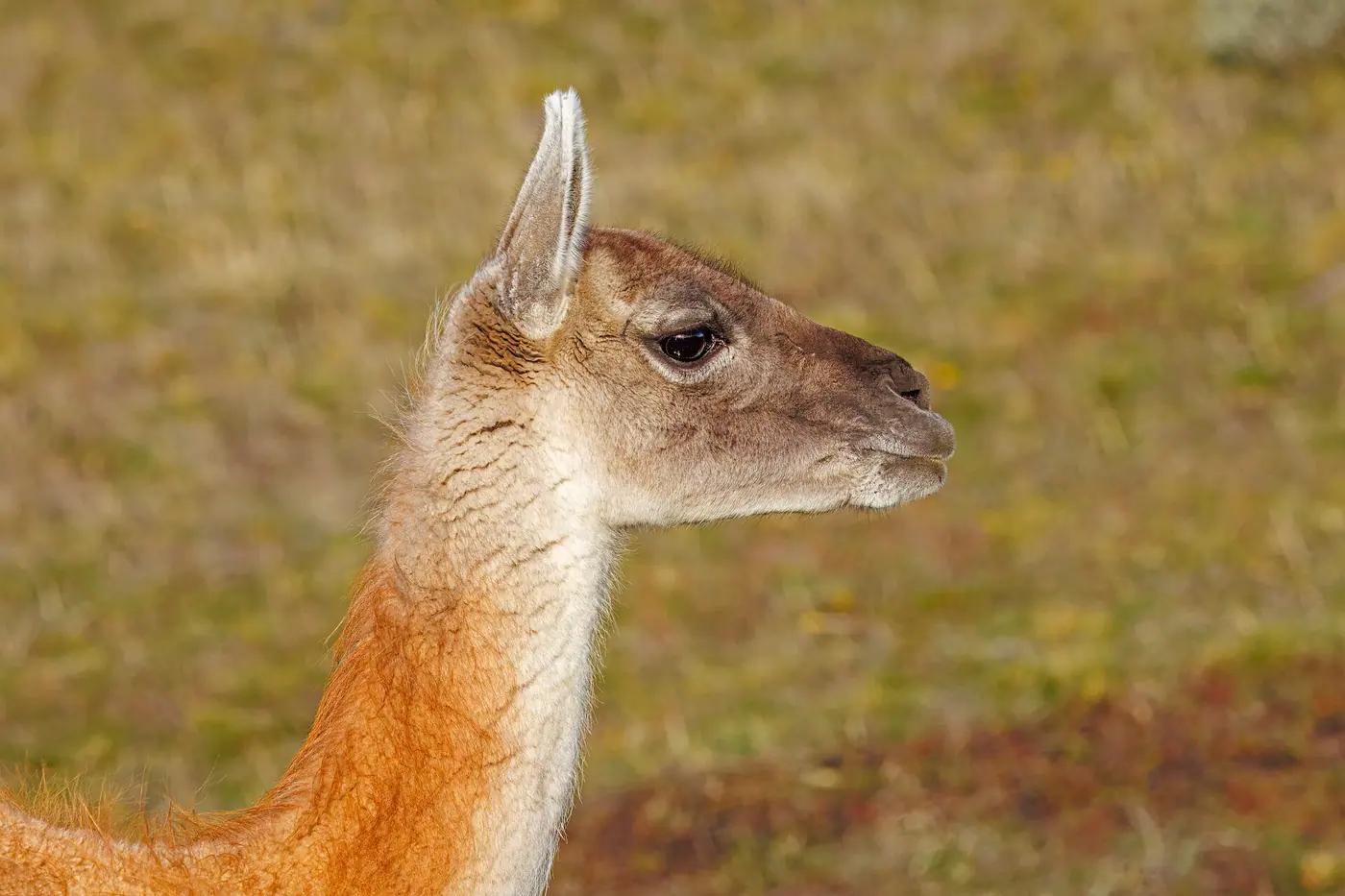
Patagonia is steppe, mountain and cold coast, and its animals are big and visible. Guanacos graze every hillside with pumas hunting them in Torres del Paine, Andean condors ride the ridgelines, Magellanic penguins breed in colonies of hundreds of thousands, king penguins nest on Tierra del Fuego, and the Atlantic shore has right whales, elephant seals, orcas and Commerson's dolphins. The steppe adds maras, armadillos, rheas and foxes.
Patagonia straddles Argentina and Chile south of the Río Colorado, and the wildlife ignores the border. Torres del Paine and Los Glaciares share condors, guanacos and pumas; the Atlantic coast from Valdés to Tierra del Fuego has the marine mammals and penguins; and the dry steppe between holds the odd rodents and armadillos that evolved on this windswept plateau.
The open country makes spotting easy. Guanacos stand on the skyline, maras bound across the road, rheas keep pace with the car, and in the right season the whales and seals are visible from the beach without a boat.
Why this location matters
Good location pages explain why the place is worth your time, not just which names belong on a destination checklist.
The puma recovery in Torres del Paine and the growing penguin and whale populations on the coast are real conservation wins in a region that was heavily hunted a century ago. Visitors who log sightings, especially of pumas and huemul deer, help the parks track them.
Patagonia is also where the Southern Ocean fauna reaches the mainland: king penguins, rockhoppers, albatrosses and elephant seals that most people associate with Antarctica are reachable here by car and ferry.
Where to look
Wildlife map of Patagonia
This guide covers the region shown below. Zoom in to get your bearings before planning a trip.
Positions are geocoded from OpenStreetMap. Habitat access and opening times change — check locally before travelling.
Animals to spot
These are intentionally practical species picks, balancing accessibility, excitement, and what travelers can realistically notice in the location.
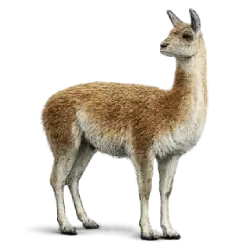
GuanacoB
Guanacos are everywhere on the Patagonian steppe and crowd the Torres del Paine grasslands in herds of hundreds.
Spotting note: Guaranteed.
Read species guide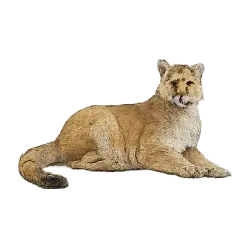
CougarA
Torres del Paine's pumas are the most watchable big cats in the Americas, hunting guanacos in daylight on the eastern steppe.
Spotting note: Likely on dedicated tracking trips around Laguna Amarga; occasional on the park roads.
Read species guide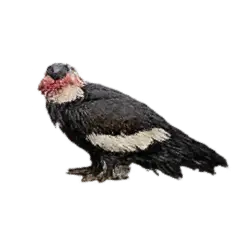
Andean CondorB
Condors nest on the cliffs of Paine and El Chaltén and soar over every Patagonian pass on windy days.
Spotting note: Regular in the mountain parks.
Read species guide
Magellanic PenguinC
Penguins breed at Punta Tombo, Isla Magdalena, Cabo Vírgenes and Martillo island, in colonies of tens to hundreds of thousands of birds.
Spotting note: Guaranteed September to March at any colony.
Read species guide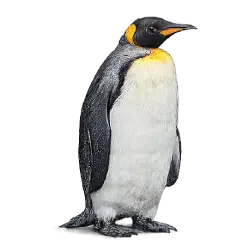
King PenguinC
The Bahía Inútil colony on Chilean Tierra del Fuego is the only place on the mainland Americas to see king penguins.
Spotting note: Guaranteed with a reservation at Parque Pingüino Rey.
Read species guide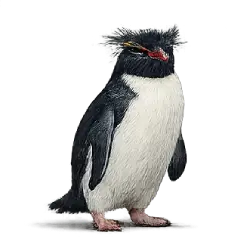
Southern Rockhopper PenguinC
Rockhoppers nest on Isla Pingüino off Puerto Deseado, the only mainland-accessible colony in Argentina.
Spotting note: Reliable October to March on boat trips from Puerto Deseado.
Read species guide
Southern Right WhaleA
Right whales fill the gulfs of Península Valdés in winter and spring and are watched from the El Doradillo beach.
Spotting note: Guaranteed June to December at Valdés.
Read species guide
Southern Elephant SealA
The Valdés beaches hold the only continental elephant seal breeding colony, with bulls fighting on the shingle each spring.
Spotting note: Reliable at Punta Delgada and Caleta Valdés.
Read species guide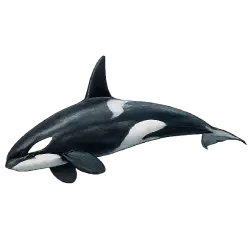
OrcaS
Valdés orcas beach themselves to seize sea lion pups at Punta Norte, and pods also patrol the Strait of Magellan.
Spotting note: Seasonal and unpredictable; March and April high tides at Punta Norte.
Read species guide
Commerson's DolphinB
Black-and-white Commerson's dolphins ride the bow of boats in the Ría Deseado and the Strait of Magellan.
Spotting note: Likely on Puerto Deseado and Punta Arenas boat trips.
Read species guide
Patagonian MaraD
Maras graze in pairs on the steppe around Valdés and Puerto Madryn and bound away on long legs when disturbed.
Spotting note: Common on the Chubut steppe.
Read species guide
Pichi ArmadilloD
The small Patagonian armadillo trundles across the steppe and begs at Valdés picnic sites.
Spotting note: Common in the warm months on the Valdés peninsula.
Read species guide
CulpeoC
Culpeo foxes patrol the Torres del Paine campsites and the Los Glaciares trails hoping for scraps.
Spotting note: Common in both mountain parks.
Read species guide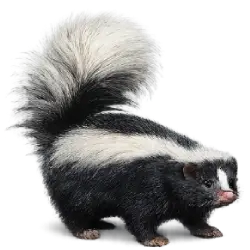
Patagonian Hog-nosed SkunkC
The Patagonian skunk forages the steppe at dusk around Valdés and the Santa Cruz estancias.
Spotting note: Occasional at dusk on steppe roads.
Read species guideBest for
Use this section to decide whether the location fits your travel style, skill level, and AnimalDex goals.
- Puma tracking and guanaco herds in Torres del Paine
- Penguin colonies including king penguins on Tierra del Fuego
- Whales, elephant seals and orcas on the Valdés coast
- Steppe road trips with maras, armadillos and rheas
Spotting tips
These tips are meant to make the page useful in the field, not just readable on the page.
- 01Travel in the austral spring or summer (October to March) for penguins and seals, or May to November for whales and the best puma visibility.
- 02Drive the gravel roads of Valdés and Ruta 40 slowly at dawn and dusk; maras, armadillos, skunks and foxes cross then.
- 03Take the Beagle Channel boat from Ushuaia for sea lions, cormorants, albatrosses and the Martillo island penguins in one trip.
- 04Carry a windproof layer and binoculars at all times; the wind is constant and most mammals are first seen at distance on open ground.
Virtual Wildlife Guides
Wildlife guides to Patagonia
AnimalDex builds virtual guides from explorers' own wild sightings: which animals they found, how rare they are, and when. A guide is advice from someone who has been there, not a tour. Buying one unlocks the author's notes for every animal, a chat with the author, and introductions to local people they met. Wildlife is never guaranteed.
Checking for virtual guides to Patagonia...
How to choose a local wildlife guide in Patagonia
- Ask what they usually find in the season you are visiting. A good guide gives an honest answer, not a promised sighting.
- Check how they treat animals: no baiting, calling in, handling, or close flash photography for a better shot.
- Confirm the meeting area, duration, group size, total price, and how you pay before the day, plus any permits or park fees the place requires.
Track the animals you find in Patagonia
Build your collection while you travel through Patagonia, from easy wins to the species worth planning around.
Related tier lists
These tier lists add broader context around the species that make this location interesting.
100 Most Resilient Animals
Most resilient animals ranked by recovery, climate toughness, and staying functional under stress — not a copy of the strongest or most dangerous lists.
Read tier list100 Fastest Animals in the World
Ranked list of the fastest animals in the world, with land, flying, and marine speed kept separate so a diving falcon is not treated as the same kind of fast as a cheetah.
Read tier listRelated locations
Keep exploring with nearby or similar destinations that support the same kind of AnimalDex discovery.
Animals in Argentina: What You Can Spot, Learn, and Collect
Wildlife in Argentina: right whales and elephant seals at Península Valdés, capybaras and caimans in Iberá, coatis at Iguazú, condors and reintroduced jaguars.
Read location guideAnimals in Chile: What You Can Spot, Learn, and Collect
Wildlife in Chile: pumas and guanacos in Torres del Paine, Andean condors, Humboldt penguins at Punta de Choros, Darwin's foxes on Chiloé and blue whales offshore.
Read location guideAnimals in British Columbia: What You Can Spot, Learn, and Collect
British Columbia wildlife guide: orcas and humpbacks in the Salish Sea and Johnstone Strait, grizzlies and spirit bears of the Great Bear Rainforest, Brackendale eagles, Adams River salmon and Vancouver Aquarium otters.
Read location guideLocation FAQ
Short direct answers to the questions travelers usually ask before choosing a wildlife destination or zoo day.
What wildlife is there in Patagonia?
Guanacos, pumas, condors, culpeo and grey foxes, huemul deer, maras, armadillos and rheas on land; Magellanic, king and rockhopper penguins, southern right whales, elephant seals, sea lions, orcas, Commerson's dolphins and albatrosses on the coast.
What animals can be found in Patagonia?
Guanacos, upland geese and foxes are guaranteed almost anywhere. Penguin colonies are guaranteed in season at Punta Tombo, Isla Magdalena and Martillo island, whales and elephant seals at Península Valdés. Pumas are likely in Torres del Paine with a tracker, and condors are regular in the mountain parks.
Can you see penguins in Patagonia year round?
No. Magellanic penguins arrive at their colonies in September and leave by April. King penguins at Bahía Inútil are present all year, which makes Tierra del Fuego the one place for a winter penguin visit.
Are pumas dangerous to hikers in Patagonia?
Attacks are almost unknown. Pumas in Torres del Paine are habituated to people at a distance and prey on guanacos. Hike in groups, keep children close, do not run if you see one, and never approach a cat on a kill.
How do I find a wildlife guide to Patagonia?
Check the Wildlife Guides section on this page or browse Wildlife Guides on AnimalDex. Each one is a virtual guide built from an explorer's own wild sightings around Patagonia: the animals they found, how rare they are, and when. It is advice from someone who has been there, not a tour. If you want someone with you on the day, compare local guides on wildlife knowledge, how they treat animals, and clear pricing before you go.