

Animals in Bangkok: What You Can Spot, Learn, and Collect
Bangkok wildlife: giant water monitors in Lumphini Park, Bang Krachao's kingfishers and otters, mudskippers at Bang Khun Thian, Samut Prakan's crocodile farm.
Quick answer
Start with the direct answer, then use the sections below to see why the location matters and which animals are actually realistic to spot there.
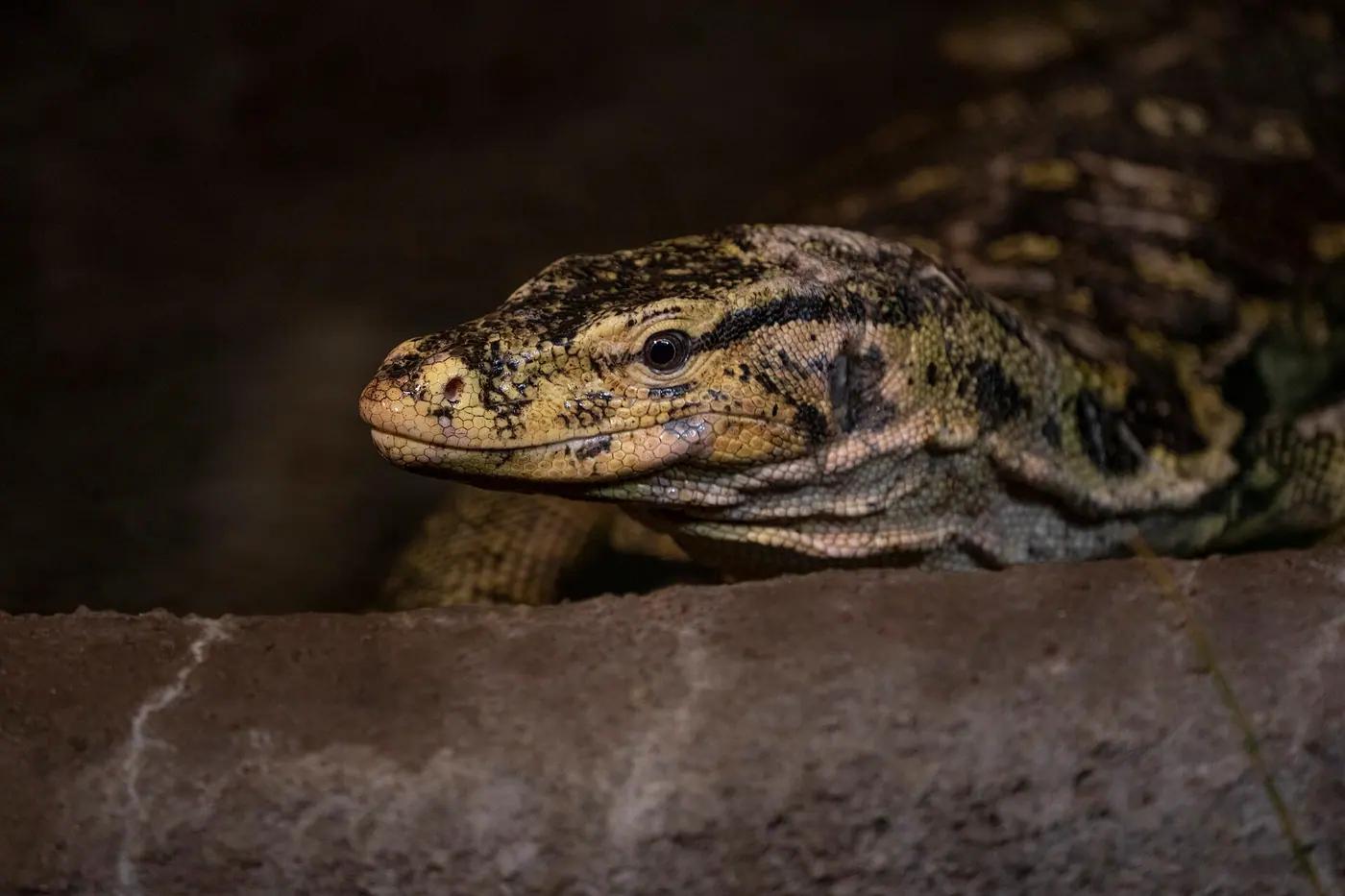
Bangkok's most famous wild animals are the two-metre water monitors that cruise the lakes of Lumphini Park in the business district. Beyond them, Bang Krachao, the forested river bend across from the city, has kingfishers, orioles and fruit bats; the Bang Khun Thian mangroves on the Gulf have mudskippers, crabs and otters; Samut Prakan has the world's largest crocodile farm; and Safari World covers the zoo list. Mynas, tree sparrows, pied fantails, house geckos and tokays live in every soi.
Bangkok was built on a river delta and never entirely stopped being one. Canals, temple ponds and the big parks hold monitors, softshell turtles and herons, and the undeveloped river bend of Bang Krachao, a 20-minute ferry from the city, still feels like the orchard country the whole city once was.
The city's southern edge meets the Gulf of Thailand at Bang Khun Thian, where a mangrove fringe and boardwalk hold mudskippers, fiddler crabs and the occasional otter. The AnimalDex capture record from Bangkok and Samut Prakan is urban: geckos, doves, termites after rain and the pet birds of the Chatuchak market.
Why this location matters
Good location pages explain why the place is worth your time, not just which names belong on a destination checklist.
Lumphini's monitors are a global example of a big predator thriving in a city centre, and a 2016 plan to clear them out ended with a few dozen relocated and the rest left alone after public affection won out. They are the easiest big reptile encounter in Asia.
Bang Krachao is under constant development pressure, and the mangroves at Bang Khun Thian are retreating with coastal erosion. Logging what lives there is part of the argument for keeping both.
Where to look
Wildlife map of Bangkok
This guide covers the region shown below. Zoom in to get your bearings before planning a trip.
Positions are geocoded from OpenStreetMap. Habitat access and opening times change — check locally before travelling. Smaller pins are public AnimalDex captures, placed to the nearest kilometre.
Field proof
Found in Bangkok by AnimalDex users
Real captures logged in the AnimalDex app inside this area and shared publicly by their collectors, with the animal confirmed by the app's identification. Places are shown to the nearest region, never the exact spot.
- 8
- public captures
- 8
- species recorded
- 3
- collectors
- 8
- wild sightings
Recent captures from the field
Species people have actually logged here
Every name links to its species guide. The count is how many public captures of that animal sit inside this area.
Collectors choose to share these captures on Discover and can withdraw them at any time. Coordinates are rounded to about a kilometre and refreshed with each site build.
Animals to spot
These are intentionally practical species picks, balancing accessibility, excitement, and what travelers can realistically notice in the location.
Water MonitorC
Lumphini Park's lakes hold hundreds of monitors up to two metres long, swimming past joggers and basking on the lawns; Benjakitti Park next door has them too.
Spotting note: Guaranteed at Lumphini on any sunny day.
Read species guide
Smooth-coated OtterC
Otters fish the canals of Bang Krachao and the mangrove creeks at Bang Khun Thian, surfacing at dawn before the boat traffic.
Spotting note: Uncommon; early mornings at Bang Krachao's Sri Nakhon Khuean Khan park give a chance.
Read species guide
MudskipperE
Thousands skip across the mud below the Bang Khun Thian mangrove boardwalk at low tide, flagging fins at each other.
Spotting note: Abundant at low tide.
Read species guide
Fiddler CrabE
Male fiddlers wave oversized claws on the Bang Khun Thian and Bang Pu mudflats as the tide drops.
Spotting note: Abundant on exposed mud.
Read species guide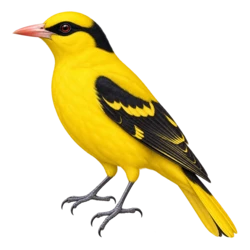
Black-naped OrioleD
Fluting yellow orioles move through the fruit trees of Bang Krachao and the big trees of Lumphini and Rot Fai parks.
Spotting note: Common in the leafier parks.
Read species guide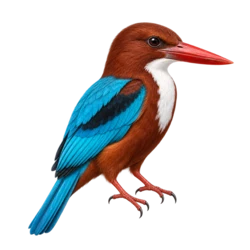
White-throated KingfisherD
Perches on wires over Bang Krachao's canals and the Bang Khun Thian shrimp ponds, laughing loudly.
Spotting note: Common near water across the city's edges.
Read species guide
Pied FantailD
The fantail scolds and dances in every Bangkok garden hedge and temple compound, one of the city's most visible birds.
Spotting note: Very common.
Read species guide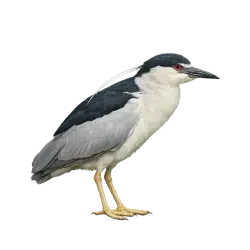
Black-crowned Night HeronD
Roosts in the trees around the Dusit Zoo site and Lumphini and flies out at dusk over the canals.
Spotting note: Regular at dusk near park lakes.
Read species guide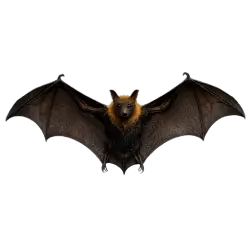
Fruit BatB
Thousands of Lyle's flying foxes roost in the temple trees at Wat Pho Bang Khla in Chachoengsao, an hour east, and fruit bats forage over Bang Krachao's orchards at night.
Spotting note: Guaranteed at the Bang Khla temple roost by day.
Read species guide
Javan MynaD
The white-vented, dark myna that shares Bangkok's pavements with the common myna, logged by users across the city.
Spotting note: Very common.
Read species guide
Spotted DoveD
Coos from wires and temple roofs across Bangkok and Samut Prakan, logged by users in the southern suburbs.
Spotting note: Guaranteed.
Read species guide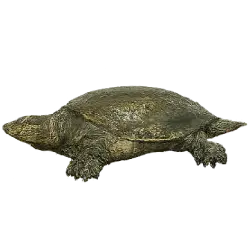
Chinese Softshell TurtleD
Softshells released as merit live in temple ponds and Lumphini's lakes, surfacing beside the monitors.
Spotting note: Regular in temple ponds and park lakes.
Read species guide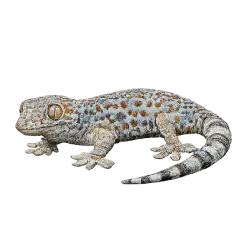
Tokay GeckoD
The tokay's bark carries from old shophouses and temple eaves across the city after dark.
Spotting note: Heard nightly in older neighbourhoods.
Read species guide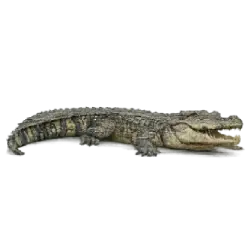
Siamese CrocodileA
The Samut Prakan Crocodile Farm south of the city holds tens of thousands of crocodiles, mostly Siamese and saltwater hybrids, and is where the species was first farmed; a commercial farm, not a wild site.
Spotting note: Guaranteed at the farm; wild Siamese crocodiles are confined to a few remote parks.
Read species guideBest for
Use this section to decide whether the location fits your travel style, skill level, and AnimalDex goals.
- Travelers who want a wild big reptile in the middle of a megacity
- Cyclists exploring Bang Krachao's orchards and canals for birds and otters
- Families: Safari World, the crocodile farm and Lumphini's monitors
- Mangrove and mudflat collectors at Bang Khun Thian and Bang Pu
Spotting tips
These tips are meant to make the page useful in the field, not just readable on the page.
- 01Walk Lumphini's lake loop between 9 and 11 am when the monitors haul out to bask on the grass; they are shy of direct approach but tolerate a few metres.
- 02Take the ferry from Khlong Toei to Bang Krachao early on a weekday and cycle to Sri Nakhon Khuean Khan park; orioles, kingfishers and the chance of otters before the weekend crowds.
- 03Check tide tables for Bang Khun Thian and arrive two hours before low water for mudskippers, fiddler crabs and shorebirds.
- 04Bang Pu recreation area in Samut Prakan is Bangkok's best winter birding, with gulls, terns and waders from November to March.
Virtual Wildlife Guides
Wildlife guides to Bangkok
AnimalDex builds virtual guides from explorers' own wild sightings: which animals they found, how rare they are, and when. A guide is advice from someone who has been there, not a tour. Buying one unlocks the author's notes for every animal, a chat with the author, and introductions to local people they met. Wildlife is never guaranteed.
Checking for virtual guides to Bangkok...
How to choose a local wildlife guide in Bangkok
- Ask what they usually find in the season you are visiting. A good guide gives an honest answer, not a promised sighting.
- Check how they treat animals: no baiting, calling in, handling, or close flash photography for a better shot.
- Confirm the meeting area, duration, group size, total price, and how you pay before the day, plus any permits or park fees the place requires.
Track the animals you find in Bangkok
Build your collection while you travel through Bangkok, from easy wins to the species worth planning around.
Related tier lists
These tier lists add broader context around the species that make this location interesting.
100 Most Adaptable Animals
Most adaptable animals ranked by habitat flexibility, behavioral range, and success in changing conditions — including the current AnimalDex number one.
Read tier listBiggest Animals in the World
A structured ranking of the biggest animals in the world, using the AnimalDex size stat to compare body scale across sea, land, and air.
Read tier listRelated locations
Keep exploring with nearby or similar destinations that support the same kind of AnimalDex discovery.
Animals in Thailand: What You Can Spot, Learn, and Collect
A practical Thailand wildlife guide built around forests, coasts, reptiles, and the travel-friendly species that make the country feel biologically rewarding without extreme logistics.
Read location guideAnimals in Chiang Mai: What You Can Spot, Learn, and Collect
Chiang Mai wildlife: Doi Inthanon's pheasants and montane birds, ethical elephant sanctuaries in Mae Taeng, Doi Suthep's forest, the Night Safari and city geckos.
Read location guideAnimals in Cambodia: What You Can Spot, Learn, and Collect
Cambodia wildlife guide: giant ibis in the northern plains, Tonle Sap's stork colonies at Prek Toal, Irrawaddy dolphins at Kratie, Angkor macaques, Mondulkiri elephants.
Read location guideLocation FAQ
Short direct answers to the questions travelers usually ask before choosing a wildlife destination or zoo day.
What wildlife is there in Bangkok?
Giant water monitors in Lumphini and Benjakitti parks, softshell turtles in temple ponds, otters and orioles at Bang Krachao, mudskippers, crabs and shorebirds in the Bang Khun Thian and Bang Pu mangroves, flying foxes at Bang Khla, and mynas, fantails, doves, geckos and tokays throughout the city.
What animals can be found in Bangkok?
Water monitors, softshell turtles, smooth-coated otters, flying foxes, kingfishers, orioles, herons, fantails, mynas, doves, house and tokay geckos, mudskippers and fiddler crabs in the wild; Safari World and the Samut Prakan crocodile farm add tigers, giraffes and thousands of crocodiles.
Are the monitor lizards in Lumphini Park dangerous?
No. They are shy scavengers that eat fish, turtles, birds and carrion and move away from people. Give them space, keep dogs leashed and never feed them; bites are almost unheard of.
Is Bang Krachao worth visiting for wildlife?
Yes. The 'green lung' across the river has orchards, canals and a public park with a bird hide, and a morning cycle produces kingfishers, orioles, herons, monitors and sometimes otters. It is a 20-minute trip from the Khlong Toei pier.
Have AnimalDex users found animals in Bangkok?
Yes. AnimalDex users have publicly logged 8 captures of 8 different species in Bangkok, including budgerigar, common house gecko, green-cheeked conure, leopard tortoise. Each one was photographed in the app at the moment of the sighting.
How do I find a wildlife guide to Bangkok?
Check the Wildlife Guides section on this page or browse Wildlife Guides on AnimalDex. Each one is a virtual guide built from an explorer's own wild sightings around Bangkok: the animals they found, how rare they are, and when. It is advice from someone who has been there, not a tour. If you want someone with you on the day, compare local guides on wildlife knowledge, how they treat animals, and clear pricing before you go.