

Animals in Chiang Mai: What You Can Spot, Learn, and Collect
Chiang Mai wildlife: Doi Inthanon's pheasants and montane birds, ethical elephant sanctuaries in Mae Taeng, Doi Suthep's forest, the Night Safari and city geckos.
Quick answer
Start with the direct answer, then use the sections below to see why the location matters and which animals are actually realistic to spot there.
Chiang Mai is northern Thailand's wildlife base. Doi Inthanon, Thailand's highest mountain, has montane birds found nowhere else in the country, silver pheasants and serpent eagles on its slopes; the Mae Taeng and Mae Wang valleys hold the ethical elephant sanctuaries; Doi Suthep's forest rises straight from the city with squirrels, macaques and barbets; and the Night Safari and Chiang Mai Zoo cover the big cats. In town, users log house geckos, mynas, sun skinks, snails and the Finlayson's squirrels in the temple trees.
Chiang Mai sits in a valley ringed by forested mountains, and the wildlife starts at the city's edge. Doi Suthep-Pui National Park begins behind the university, Doi Inthanon is a 90-minute drive, and the Mae Taeng valley north of town has become the centre of Thailand's shift from elephant riding to elephant watching.
The city itself is leafy and the AnimalDex capture record shows it: house geckos on guesthouse walls, mynas and tree sparrows in the old-city squares, sun skinks on temple steps and Finlayson's squirrels, pale and bold, in the trees along the moat.
Why this location matters
Good location pages explain why the place is worth your time, not just which names belong on a destination checklist.
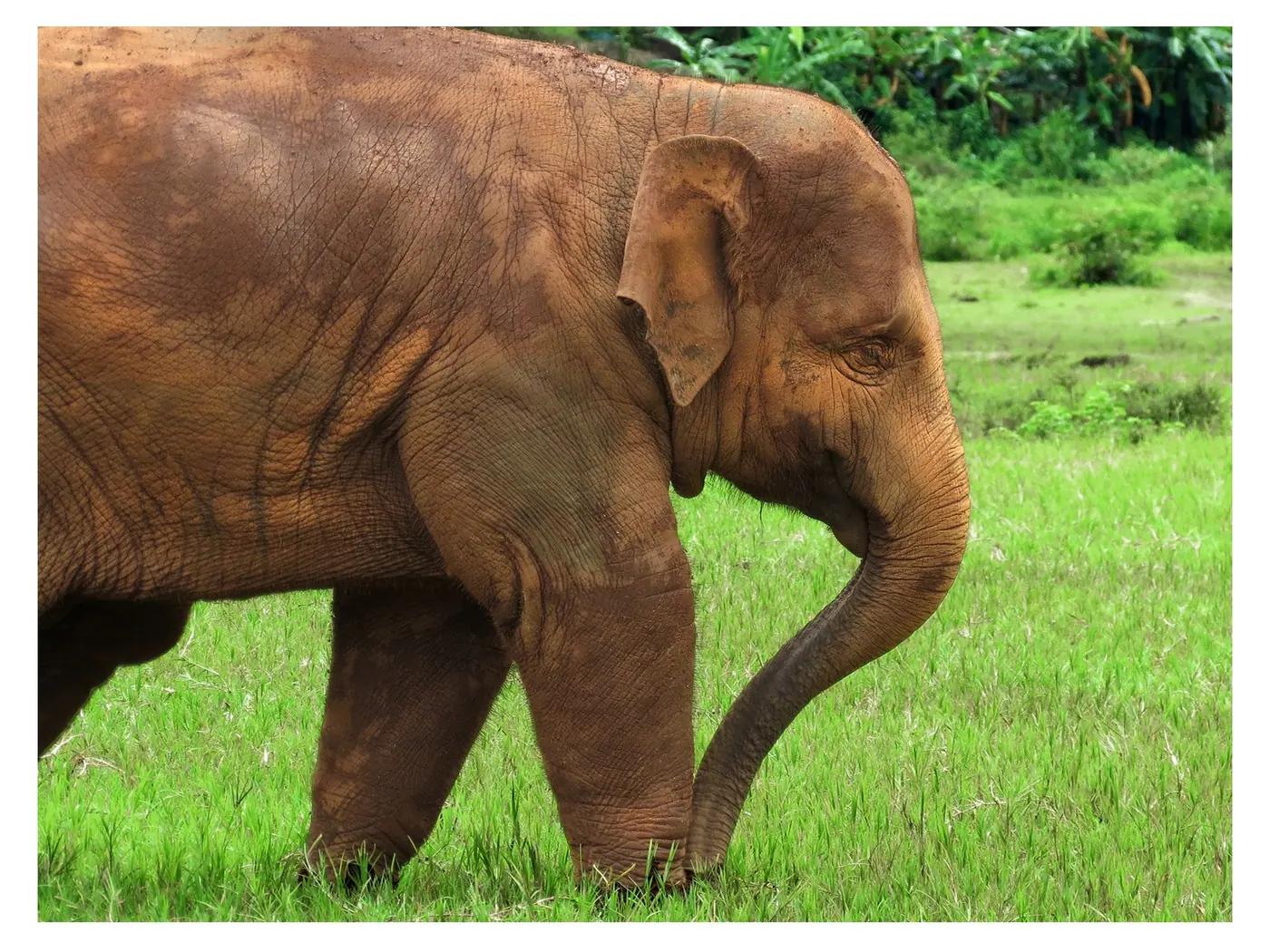
Chiang Mai is where Thailand's elephant tourism changed. Elephant Nature Park and the sanctuaries that followed it proved that observation pays as well as riding, and the choices visitors make here still shape the industry.
Doi Inthanon's summit bog and cloud forest are a Himalayan outpost at the edge of the tropics, and climate change is pushing its birds uphill with nowhere left to go. The mountain is one of Thailand's most-watched birding sites for that reason.
Where to look
Wildlife map of Chiang Mai
This guide covers the region shown below. Zoom in to get your bearings before planning a trip.
Positions are geocoded from OpenStreetMap. Habitat access and opening times change — check locally before travelling. Smaller pins are public AnimalDex captures, placed to the nearest kilometre.
Field proof
Found in Chiang Mai by AnimalDex users
Real captures logged in the AnimalDex app inside this area and shared publicly by their collectors, with the animal confirmed by the app's identification. Places are shown to the nearest region, never the exact spot.
- 21
- public captures
- 19
- species recorded
- 1
- collectors
- 14
- wild sightings
Recent captures from the field
Species people have actually logged here
Every name links to its species guide. The count is how many public captures of that animal sit inside this area.
- Common House Gecko2 captures
- Snail2 captures
- Asian Elephant1 capture
- Black Ant1 capture
- Cockatiel1 capture
- Common Earthworm1 capture
- Common Myna1 capture
- Common Sun Skink1 capture
- Drain Fly1 capture
- Eurasian Tree Sparrow1 capture
- European Rabbit1 capture
- Fischer's Lovebird1 capture
- Green-cheeked Conure1 capture
- Guppy1 capture
- House Fly1 capture
- Jumping Spider1 capture
- Mosquito1 capture
- Sulcata Tortoise1 capture
- Umbrella Cockatoo1 capture
Collectors choose to share these captures on Discover and can withdraw them at any time. Coordinates are rounded to about a kilometre and refreshed with each site build.
Animals to spot
These are intentionally practical species picks, balancing accessibility, excitement, and what travelers can realistically notice in the location.
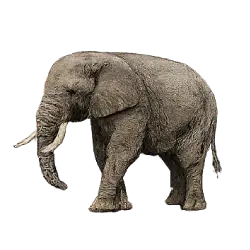
Asian ElephantA
Elephant Nature Park and a cluster of observation-only sanctuaries in the Mae Taeng and Mae Wang valleys care for rescued logging and trekking elephants; a user logged one here.
Spotting note: Guaranteed at the sanctuaries; wild elephants live in Doi Inthanon's far forests but are rarely seen.
Read species guide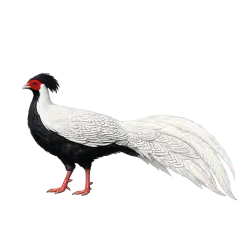
Silver PheasantD
Silver pheasants cross the roadside and the summit trails on Doi Inthanon, especially at the Kew Mae Pan trailhead at dawn.
Spotting note: Regular at dawn on Inthanon's upper roads.
Read species guide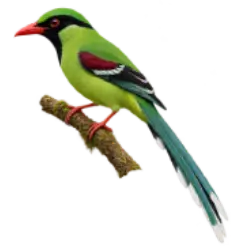
Common Green MagpieC
A brilliant green, red-billed magpie of Doi Inthanon's evergreen forest and Doi Suthep's upper slopes, loud and skulking.
Spotting note: Uncommon; the Inthanon campsite area and Doi Pui are the spots.
Read species guide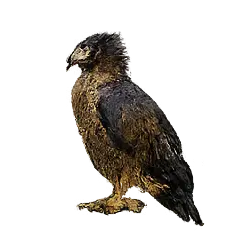
Crested Serpent EagleC
Soars over Doi Suthep and the Mae Sa valley calling a loud whistle, the commonest big raptor around the city.
Spotting note: Regular overhead on clear mornings.
Read species guide
Finlayson's SquirrelD
The pale, variable squirrel of Chiang Mai's temple groves and parks, logged by a user in the city, often almost white in the north.
Spotting note: Common in the old city's trees and at Doi Suthep temple.
Read species guide
Red JunglefowlD
Wild chickens crow from the forest edge on Doi Suthep and Doi Inthanon's lower slopes and cross the park roads at dawn.
Spotting note: Regular on quiet park roads early.
Read species guide
Chinese Pond HeronD
Stands in the paddies of the Chiang Mai valley and along the Ping River through the northern winter, turning maroon by spring.
Spotting note: Common October to April near water.
Read species guide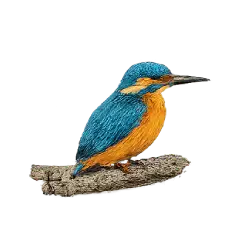
Common KingfisherD
Hunts the streams at Huay Tung Tao lake and the Mae Sa and Mae Klang waterfalls.
Spotting note: Regular along clear water.
Read species guide
Common MynaD
Among the most-logged birds by Chiang Mai users, strutting across the old city's squares and night-market tables.
Spotting note: Guaranteed.
Read species guide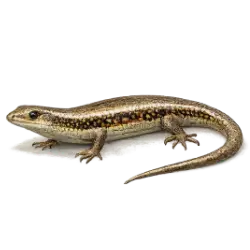
Common Sun SkinkD
Basks on temple steps and garden walls across the city and was logged by a user in the centre.
Spotting note: Very common by day.
Read species guide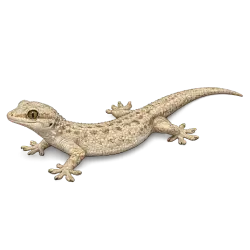
Common House GeckoE
The most-logged animal in Chiang Mai's captures, on every guesthouse wall and lamp after dark.
Spotting note: Guaranteed.
Read species guide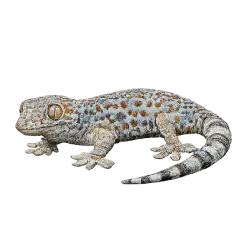
Tokay GeckoD
The big spotted tokay calls from old wooden houses and temple eaves across Chiang Mai through the night.
Spotting note: Heard nightly; seen with a torch.
Read species guide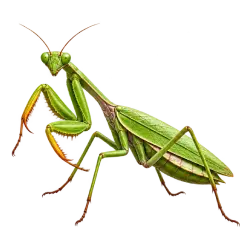
Giant Asian MantisE
Big green mantises hunt on garden shrubs in the city's suburbs and around the lights at Huay Tung Tao.
Spotting note: Common in the wet season.
Read species guide
TigerA
Chiang Mai Night Safari and Chiang Mai Zoo keep tigers among their big cats, viewed from trams after dark at the Night Safari; captive animals, not wild.
Spotting note: Guaranteed at the Night Safari; skip the roadside 'tiger kingdom' photo operations.
Read species guideBest for
Use this section to decide whether the location fits your travel style, skill level, and AnimalDex goals.
- Travelers who want an ethical elephant day in the Mae Taeng valley
- Birders doing Doi Inthanon and Doi Suthep for Thailand's montane specialities
- Families: Chiang Mai Zoo, Night Safari and Huay Tung Tao lake
- Collectors logging geckos, skinks, squirrels and mantises in the old city
Spotting tips
These tips are meant to make the page useful in the field, not just readable on the page.
- 01Choose an elephant sanctuary that forbids riding and bathing with elephants; Elephant Nature Park and the observation-only projects around Mae Taeng are the benchmark.
- 02Drive to the Kew Mae Pan trailhead on Doi Inthanon before sunrise; pheasants on the road, laughingthrushes on the boardwalk and the summit bog's birds all in the first two hours.
- 03Walk the forest road above Wat Phra That Doi Suthep at 7 am for green magpies, barbets, squirrels and serpent eagles.
- 04The old city's temple trees hold Finlayson's squirrels and sunbirds in the early morning before the tuk-tuk traffic builds.
Virtual Wildlife Guides
Wildlife guides to Chiang Mai
AnimalDex builds virtual guides from explorers' own wild sightings: which animals they found, how rare they are, and when. A guide is advice from someone who has been there, not a tour. Buying one unlocks the author's notes for every animal, a chat with the author, and introductions to local people they met. Wildlife is never guaranteed.
Checking for virtual guides to Chiang Mai...
How to choose a local wildlife guide in Chiang Mai
- Ask what they usually find in the season you are visiting. A good guide gives an honest answer, not a promised sighting.
- Check how they treat animals: no baiting, calling in, handling, or close flash photography for a better shot.
- Confirm the meeting area, duration, group size, total price, and how you pay before the day, plus any permits or park fees the place requires.
Track the animals you find in Chiang Mai
Build your collection while you travel through Chiang Mai, from easy wins to the species worth planning around.
Related tier lists
These tier lists add broader context around the species that make this location interesting.
100 Smartest Animals Ranked
Animal intelligence ranking of 100 smartest animals, using AnimalDex intelligence profiles and a clear note that social skill, tool use, and solitary problem solving are different jobs.
Read tier listRelated locations
Keep exploring with nearby or similar destinations that support the same kind of AnimalDex discovery.
Animals in Thailand: What You Can Spot, Learn, and Collect
A practical Thailand wildlife guide built around forests, coasts, reptiles, and the travel-friendly species that make the country feel biologically rewarding without extreme logistics.
Read location guideAnimals in Bangkok: What You Can Spot, Learn, and Collect
Bangkok wildlife: giant water monitors in Lumphini Park, Bang Krachao's kingfishers and otters, mudskippers at Bang Khun Thian, Samut Prakan's crocodile farm.
Read location guideAnimals in Laos: What You Can Spot, Learn, and Collect
Laos wildlife guide: elephants at Sayaboury, Irrawaddy dolphins at Si Phan Don, rescued bears at Kuang Si, gibbons in Bokeo, doucs in the Annamites, Mekong giant fish.
Read location guideLocation FAQ
Short direct answers to the questions travelers usually ask before choosing a wildlife destination or zoo day.
What wildlife is there in Chiang Mai?
Rescued elephants at the Mae Taeng and Mae Wang sanctuaries; montane birds including silver pheasants, green magpies and laughingthrushes on Doi Inthanon and Doi Suthep; squirrels, macaques, junglefowl and serpent eagles in the park forests; and geckos, skinks, mynas and mantises across the city.
What animals can be found in Chiang Mai?
Elephants (in sanctuaries), gibbons and macaques, Finlayson's squirrels, barking deer, civets, over 380 bird species on Doi Inthanon alone, tokay and house geckos, sun skinks and a large insect fauna. Tigers and other big cats are at the Night Safari and Chiang Mai Zoo.
Which elephant sanctuary in Chiang Mai is ethical?
Look for no riding, no bathing and no shows. Elephant Nature Park in Mae Taeng set the standard, and several observation-only projects in Mae Wang and Mae Taeng follow it. Avoid any camp that offers rides or painting.
Is Doi Inthanon good for wildlife?
Yes, mainly for birds. Thailand's highest mountain has species found nowhere else in the country, from pheasants to summit-bog laughingthrushes, plus waterfalls with kingfishers and forktails. Arrive at dawn and hire a local bird guide for the best results.
Have AnimalDex users found animals in Chiang Mai?
Yes. AnimalDex users have publicly logged 21 captures of 19 different species in Chiang Mai, including common house gecko, snail, asian elephant, black ant. Each one was photographed in the app at the moment of the sighting.
How do I find a wildlife guide to Chiang Mai?
Check the Wildlife Guides section on this page or browse Wildlife Guides on AnimalDex. Each one is a virtual guide built from an explorer's own wild sightings around Chiang Mai: the animals they found, how rare they are, and when. It is advice from someone who has been there, not a tour. If you want someone with you on the day, compare local guides on wildlife knowledge, how they treat animals, and clear pricing before you go.