

Animals in France: What You Can Spot, Learn, and Collect
What wildlife lives in France, from Alpine ibex and Mercantour wolves to Camargue flamingos, Alsace storks, Breton puffins and the garden birds people log most.
Quick answer
Start with the direct answer, then use the sections below to see why the location matters and which animals are actually realistic to spot there.
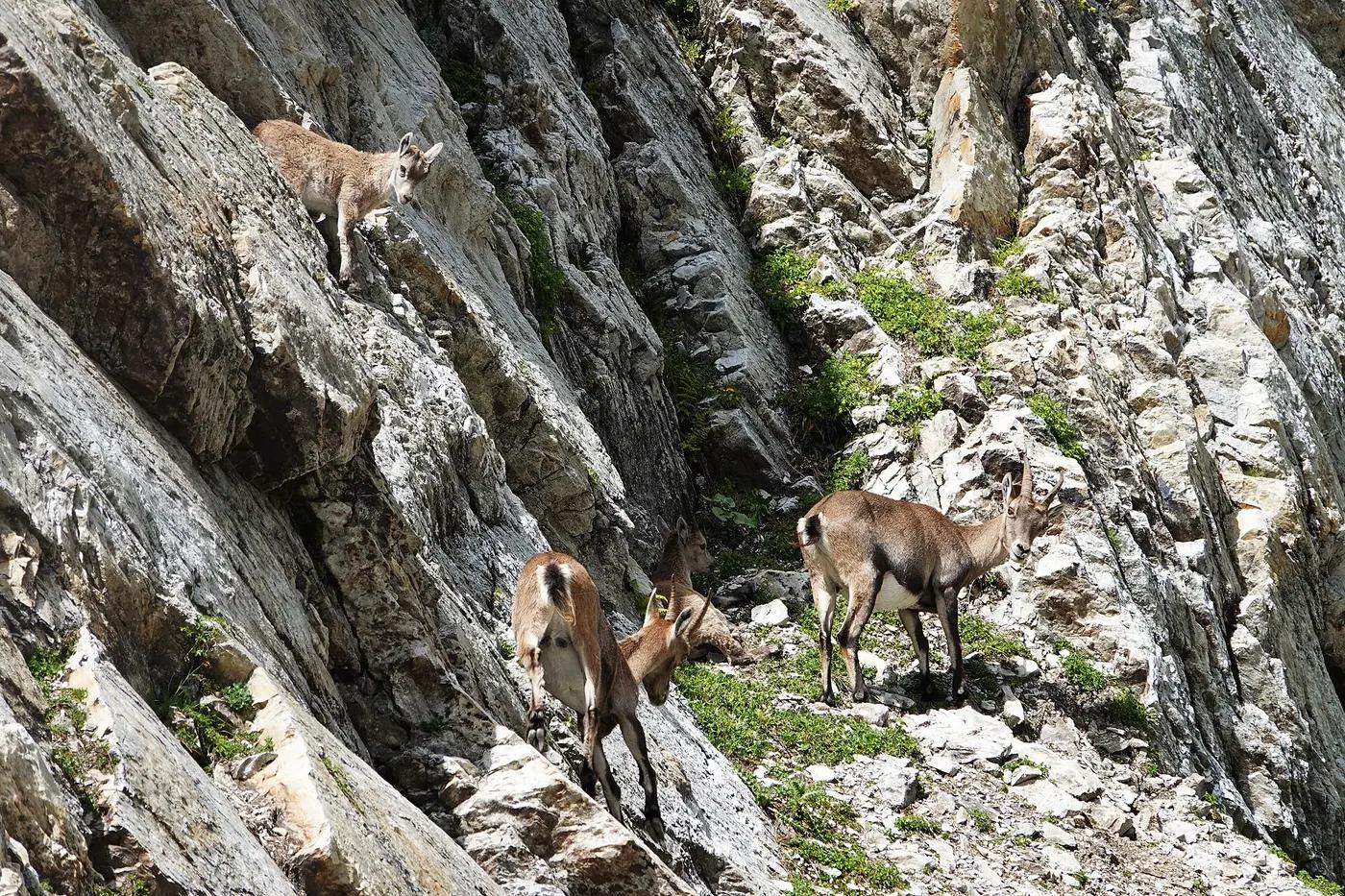
France holds more large wild mammals than most visitors expect: Alpine ibex, chamois and marmots in the Alps and Pyrenees, wolves back in the Mercantour and Vercors, and a small brown bear population in the central Pyrenees. Add greater flamingos in the Camargue, white storks in Alsace, puffins and grey seals off Brittany, and a dense everyday cast of magpies, blackbirds, wall lizards and rhinoceros beetles.
France is the most-logged European country in AnimalDex, and the captures split neatly between two kinds of trip. Mountain and coast trips produce the headline mammals and seabirds. Everything else, which is most of the data, comes from gardens, villages, campsites and city parks: Eurasian magpies, blackbirds, collared doves, honey bees, stick insects and the big European rhinoceros beetle people find on summer evenings.
This page covers the whole country. Each of the six French regions below has its own page with the specific parks, reserves and coasts worth planning around.
Why this location matters
Good location pages explain why the place is worth your time, not just which names belong on a destination checklist.
France rewired its wildlife story in a single generation. Wolves crossed back from Italy in 1992 and now number over a thousand. Bearded vultures were reintroduced to the Alps and the Cevennes. Ibex were reseeded from the Gran Paradiso herd. Knowing that history changes how you read a mountain skyline.
It is also an easy country to collect in. Campsites, village squares and roadside picnic stops are full of animals that are new to visitors from other continents: hoopoes, wall lizards, cicadas, Hermann's tortoises in the Var, and the European pond terrapin basking on a log.
Where to look
Wildlife map of France
This guide covers the region shown below. Zoom in to get your bearings before planning a trip.
Positions are geocoded from OpenStreetMap. Habitat access and opening times change — check locally before travelling. Smaller pins are public AnimalDex captures, placed to the nearest kilometre.
Field proof
Found in France by AnimalDex users
Real captures logged in the AnimalDex app inside this area and shared publicly by their collectors, with the animal confirmed by the app's identification. Places are shown to the nearest region, never the exact spot.
- 121
- public captures
- 87
- species recorded
- 28
- collectors
- 108
- wild sightings
Recent captures from the field
Species people have actually logged here
Every name links to its species guide. The count is how many public captures of that animal sit inside this area.
- Daddy Long-Legs Spider6 captures
- Black Ant4 captures
- Giant Honey Bee3 captures
- House Fly3 captures
- Snail3 captures
- African Grey Parrot2 captures
- Bar-headed Goose2 captures
- Barn Funnel Weaver2 captures
- Common Blackbird2 captures
- Eurasian Collared Dove2 captures
- Eurasian Magpie2 captures
- European Crane Fly2 captures
- European Rabbit2 captures
- European Rhinoceros Beetle2 captures
- European Stick Insect2 captures
- Firebug2 captures
- Guppy2 captures
- Hermann's Tortoise2 captures
- Indian Peafowl2 captures
- Koi2 captures
- Mealworm Beetle2 captures
- Plume Moth2 captures
- Red Ant2 captures
- Red Deer2 captures
- Small Cabbage White2 captures
- Ball Python1 capture
- Black-and-white Ruffed Lemur1 capture
- Black-headed Gull1 capture
- Blue-fronted Amazon1 capture
- Brimstone Butterfly1 capture
- Brown Rat1 capture
- Carolina Wolf Spider1 capture
- Carrion Crow1 capture
- Central Bearded Dragon1 capture
- Clothes & House Moth1 capture
- Cockatiel1 capture
- Cockroach1 capture
- Common Darter1 capture
- Common Flesh Fly1 capture
- Common House Spider1 capture
Collectors choose to share these captures on Discover and can withdraw them at any time. Coordinates are rounded to about a kilometre and refreshed with each site build.
Animals to spot
These are intentionally practical species picks, balancing accessibility, excitement, and what travelers can realistically notice in the location.
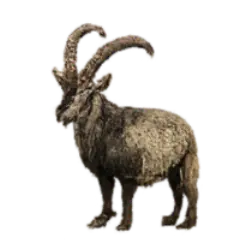
Alpine IbexC
Reintroduced across the French Alps from Italy's Gran Paradiso herd; the Vanoise, Ecrins and Mercantour all hold big, approachable groups on high rock.
Spotting note: Reliable above 2,000 m in summer; males sit in the open and let you get close.
Read species guide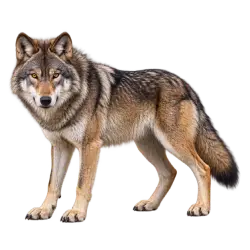
Eurasian WolfA
Wolves returned naturally through the Mercantour in 1992 and have spread to the Vercors, Jura and even the Massif Central. France now has well over a thousand.
Spotting note: Tracks and howls are realistic in the southern Alps; a sighting is luck.
Read species guide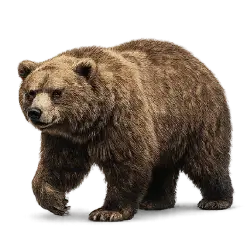
Brown BearA
Around 80 to 90 bears roam the central Pyrenees, mostly in Ariege and the Haute-Garonne, descended from Slovenian animals released in the 1990s and 2000s.
Spotting note: Very rare to see; scat and claw-marked trees are the realistic find.
Read species guide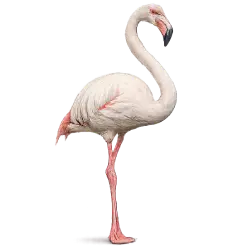
Greater FlamingoC
The Camargue is the only regular flamingo breeding site in France and one of the biggest in the Mediterranean, with over 10,000 pairs in the salt lagoons between the Etang du Fangassier and Aigues-Mortes.
Spotting note: Guaranteed year-round in the Camargue lagoons.
Read species guide
Bearded VultureB
Back in the Alps through a long reintroduction and still wild in the Pyrenees, where the Ossau valley and Gavarnie are classic places to see the orange-stained adults.
Spotting note: Scarce; scan ridgelines from Gavarnie or the Bargy in the Haute-Savoie.
Read species guide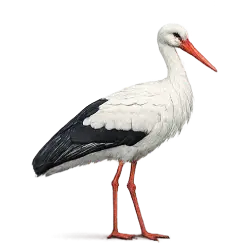
White StorkC
The emblem of Alsace, nesting on church roofs and chimneys in villages like Hunawihr and Munster after near-extinction in the 1970s.
Spotting note: Guaranteed in Alsace from March to August.
Read species guide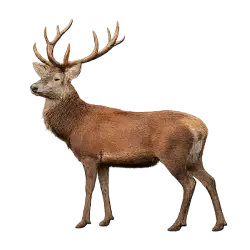
Red DeerB
The autumn rut in the Chambord, Rambouillet and Tronçais forests draws crowds; it is France's second most captured large mammal in AnimalDex.
Spotting note: Easy in late September and October at dawn and dusk.
Read species guide
Wild BoarB
France has more than a million wild boar and they turn up on vineyard edges, in the Fontainebleau forest and even in Riviera suburbs.
Spotting note: Common but mostly nocturnal; rooted-up ground is the usual sign.
Read species guide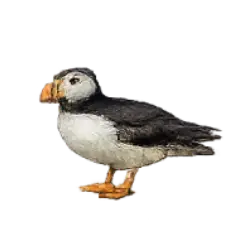
Atlantic PuffinC
France's only real puffin colony sits on the Sept-Iles off Perros-Guirec in Brittany, a few hundred pairs beside the country's single gannet colony.
Spotting note: April to July only, by boat from Perros-Guirec.
Read species guide
Grey SealB
The Molene archipelago and the Sept-Iles hold France's grey seals, and the Baie de Somme has a fast-growing colony on the Channel coast.
Spotting note: Reliable on the Baie de Somme sandbanks at low tide.
Read species guide
Hermann's TortoiseE
Wild only in the Massif des Maures in the Var and on Corsica; the Village des Tortues at Carnoules shows the species and releases rehabilitated animals.
Spotting note: Rare and protected in the wild; guaranteed at the Village des Tortues.
Read species guide
Common Wall LizardE
Basks on every stone wall, railway bank and churchyard south of the Loire and well into Paris; the lizard people actually photograph in France.
Spotting note: Very common in sun from March to October.
Read species guide
Eurasian MagpieD
The most logged wild bird in French captures, loud and unmissable in parks, farmland hedges and suburban gardens in every region.
Spotting note: Guaranteed anywhere with trees and open ground.
Read species guide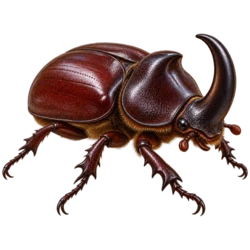
European Rhinoceros BeetleE
A thumb-sized beetle that comes to lights and compost heaps on warm June evenings, and a regular surprise in French campsite captures.
Spotting note: Seasonal; look at outdoor lights from late May to July.
Read species guideBest for
Use this section to decide whether the location fits your travel style, skill level, and AnimalDex goals.
- Alpine mammals you can approach on foot: ibex, chamois and marmots in the Vanoise and Mercantour
- Wetland birds in the Camargue, from flamingos to bee-eaters and rollers
- Seabirds and seals on the Breton and Normandy coasts
- Garden and village wildlife that fills a beginner's collection fast
Spotting tips
These tips are meant to make the page useful in the field, not just readable on the page.
- 01Mountain ibex and marmots are easiest from mid-June to September; snow closes most high trails before then.
- 02Visit the Camargue outside July and August: mosquitoes are brutal in high summer and the birds are better in spring and autumn.
- 03The red deer rut peaks in the last week of September; Chambord and the Foret de Tronçais run guided dusk listening walks.
- 04Log the small stuff. Wall lizards, hoopoes, cicadas and rhinoceros beetles are exotic to most visitors and count just as much as a wolf.
Virtual Wildlife Guides
Wildlife guides to France
AnimalDex builds virtual guides from explorers' own wild sightings: which animals they found, how rare they are, and when. A guide is advice from someone who has been there, not a tour. Buying one unlocks the author's notes for every animal, a chat with the author, and introductions to local people they met. Wildlife is never guaranteed.
Checking for virtual guides to France...
How to choose a local wildlife guide in France
- Ask what they usually find in the season you are visiting. A good guide gives an honest answer, not a promised sighting.
- Check how they treat animals: no baiting, calling in, handling, or close flash photography for a better shot.
- Confirm the meeting area, duration, group size, total price, and how you pay before the day, plus any permits or park fees the place requires.
Track the animals you find in France
Build your collection while you travel through France, from easy wins to the species worth planning around.
Related tier lists
These tier lists add broader context around the species that make this location interesting.
100 Most Dangerous Animals in the World
Dangerous animals list ranking 100 species by lethal capability, aggression, and encounter risk — not a jump-scare trivia page and not a disease-vector list.
Read tier listRelated locations
Keep exploring with nearby or similar destinations that support the same kind of AnimalDex discovery.
Animals on the French Riviera and in Provence: What You Can Spot, Learn, and Collect
Wildlife of Provence-Alpes-Côte d'Azur: Camargue flamingos and pond terrapins, Mercantour wolves and ibex, Hermann's tortoises in the Maures, and summer cicadas.
Read location guideAnimals in Occitanie: What You Can Spot, Learn, and Collect
Wildlife of the French Pyrenees, Cévennes and Languedoc: bearded vultures, brown bears, marmots and isard, Jonte gorge vultures, Thau flamingos and garrigue lizards.
Read location guideAnimals in Brittany: What You Can Spot, Learn, and Collect
Brittany wildlife: Sept-Îles puffins and gannets, grey seals and dolphins in the Iroise sea off Crozon, basking sharks, Gulf of Morbihan spoonbills and harbour crabs.
Read location guideLocation FAQ
Short direct answers to the questions travelers usually ask before choosing a wildlife destination or zoo day.
What wildlife is there in France?
Alpine ibex, chamois, marmots, wolves and a small Pyrenean bear population in the mountains; flamingos, bee-eaters and pond terrapins in the Camargue; puffins, gannets and grey seals off Brittany; and a dense everyday cast of magpies, blackbirds, wall lizards, hoopoes and big beetles.
What animals can be found in France?
Around 120 wild mammal species, including red deer, wild boar, roe deer, red fox, badger, beaver, lynx and wolf, plus Hermann's tortoise in the Var, ocellated lizards in the south, fire salamanders in the eastern forests and about 570 recorded bird species.
Are there dangerous animals in France?
Very few. The asp viper and adder bite a handful of people a year and deaths are almost unheard of. Wild boar can charge if cornered, and tick-borne disease is the real risk in forests. Wolves and bears avoid people.
Where is the best place in France to see wild animals?
The Vanoise and Mercantour national parks for ibex, chamois and marmots, the Camargue for flamingos and wetland birds, the Pyrenees for vultures and bears, and the Sept-Iles off Brittany for puffins and gannets.
Have AnimalDex users found animals in France?
Yes. AnimalDex users have publicly logged 121 captures of 87 different species in France, including daddy long-legs spider, black ant, giant honey bee, house fly. Each one was photographed in the app at the moment of the sighting.
How do I find a wildlife guide to France?
Check the Wildlife Guides section on this page or browse Wildlife Guides on AnimalDex. Each one is a virtual guide built from an explorer's own wild sightings around France: the animals they found, how rare they are, and when. It is advice from someone who has been there, not a tour. If you want someone with you on the day, compare local guides on wildlife knowledge, how they treat animals, and clear pricing before you go.