

Animals in Brittany: What You Can Spot, Learn, and Collect
Brittany wildlife: Sept-Îles puffins and gannets, grey seals and dolphins in the Iroise sea off Crozon, basking sharks, Gulf of Morbihan spoonbills and harbour crabs.
Quick answer
Start with the direct answer, then use the sections below to see why the location matters and which animals are actually realistic to spot there.
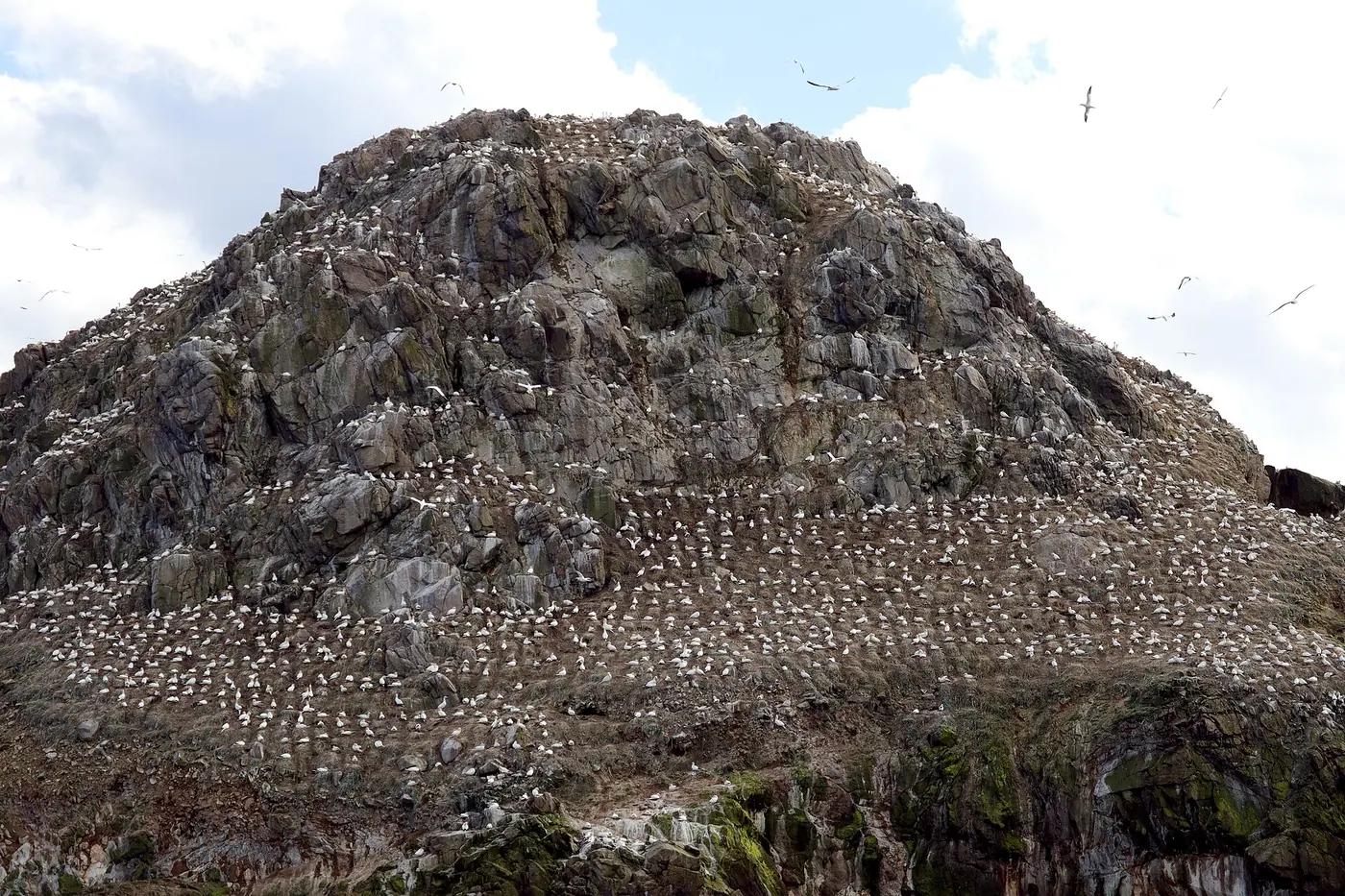
Brittany is France's seabird and marine mammal coast. The Sept-Îles off Perros-Guirec hold the country's only puffin and gannet colonies, the Molène archipelago off Crozon has its biggest grey seal colony and a resident pod of bottlenose dolphins, and basking sharks and sunfish cruise the Iroise in summer. The Gulf of Morbihan adds spoonbills, egrets and huge winter wader flocks.
The few Brittany captures so far are beach-holiday finds: black-headed gulls, cabbage whites, a tortoise in someone's garden. The real list is offshore and along the rocky shore, where any low tide gives shore crabs, periwinkles, hermit crabs and the chance of a spider crab or small lobster under the weed.
Base yourself on the north coast around Perros-Guirec for seabirds, the Crozon peninsula or Brest for seals, dolphins and the Océanopolis aquarium, and the Gulf of Morbihan in the south for waders.
Why this location matters
Good location pages explain why the place is worth your time, not just which names belong on a destination checklist.
The Sept-Îles reserve is France's oldest bird reserve, created in 1912 after hunters nearly wiped out the puffins. It now holds around 20,000 pairs of gannets on Île Rouzic, the only gannet colony in France.
The Iroise marine park protects a grey seal colony, a resident group of around 40 bottlenose dolphins off Molène and Sein, and one of Europe's richest kelp forests. Otters are also back along most Breton rivers after near-extinction.
Where to look
Wildlife map of Brittany
This guide covers the region shown below. Zoom in to get your bearings before planning a trip.
Positions are geocoded from OpenStreetMap. Habitat access and opening times change — check locally before travelling. Smaller pins are public AnimalDex captures, placed to the nearest kilometre.
Field proof
Found in Brittany by AnimalDex users
Real captures logged in the AnimalDex app inside this area and shared publicly by their collectors, with the animal confirmed by the app's identification. Places are shown to the nearest region, never the exact spot.
- 5
- public captures
- 5
- species recorded
- 3
- collectors
- 5
- wild sightings
Recent captures from the field
Species people have actually logged here
Every name links to its species guide. The count is how many public captures of that animal sit inside this area.
Collectors choose to share these captures on Discover and can withdraw them at any time. Coordinates are rounded to about a kilometre and refreshed with each site build.
Animals to spot
These are intentionally practical species picks, balancing accessibility, excitement, and what travelers can realistically notice in the location.
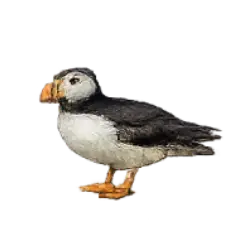
Atlantic PuffinC
A few hundred pairs nest on the Sept-Îles, the only puffin colony in France; boats from Perros-Guirec circle the islands without landing.
Spotting note: April to mid-July only; numbers are small so look hard.
Read species guide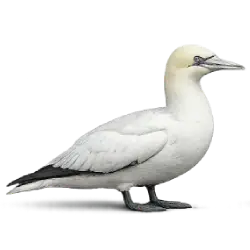
Northern GannetC
Île Rouzic in the Sept-Îles is white with around 20,000 pairs, France's single gannet colony, plunge-diving all around the tour boats.
Spotting note: Guaranteed on the Sept-Îles boats from March to September.
Read species guide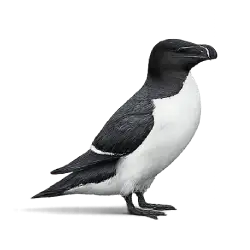
RazorbillC
Nests in crevices on the Sept-Îles and Cap Frehel cliffs alongside guillemots; easy to pick out by the blunt white-lined bill.
Spotting note: Reliable April to July at Cap Frehel and the Sept-Îles.
Read species guide
Grey SealB
The Molène archipelago holds France's largest grey seal colony, and the Sept-Îles another; seals bob beside the boats and haul out on the skerries.
Spotting note: Reliable on boats from Le Conquet and Perros-Guirec year-round.
Read species guide
DolphinB
Bottlenose dolphins live year-round around Molène and the Île de Sein, and the Normand-Breton gulf pod ranges along the north coast.
Spotting note: Frequent on Iroise sea crossings in summer.
Read species guide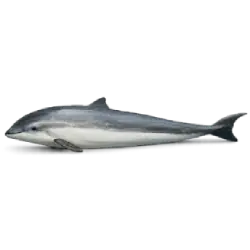
Harbor PorpoiseB
Small groups surface briefly off the Raz de Sein and the Crozon headlands, the most common cetacean inshore.
Spotting note: Regular but brief; scan calm water from Pointe du Raz.
Read species guide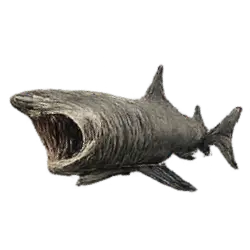
Basking SharkB
Brittany is France's main basking shark coast; Europe's biggest fish is seen off Ouessant, the Glenan islands and in the Iroise from May to August.
Spotting note: Occasional; calm, plankton-rich days in June and July.
Read species guide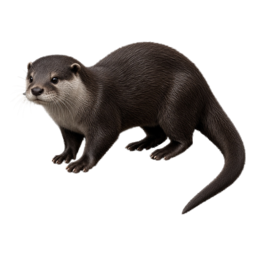
European OtterD
Brittany is one of France's otter strongholds, with animals on the Monts d'Arrée rivers, the Aulne and even the Rance estuary.
Spotting note: Rare to see; spraints on riverside rocks are the realistic find.
Read species guide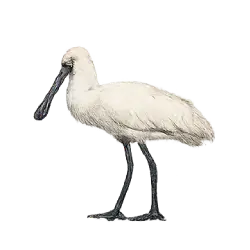
Eurasian SpoonbillC
Feeds in the Gulf of Morbihan and the Baie de Quiberon marshes, with a breeding colony on the Lac de Grand-Lieu just over the border.
Spotting note: Regular in the Gulf of Morbihan from spring to autumn.
Read species guide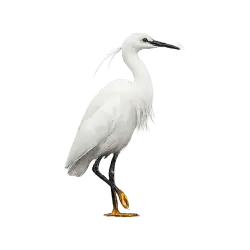
Little EgretD
The white heron of every Breton estuary, oyster bed and harbour at low tide, from Morlaix to the Gulf of Morbihan.
Spotting note: Very common year-round on the coast.
Read species guide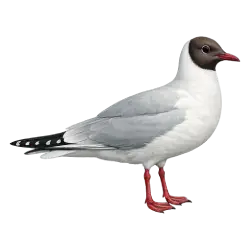
Black-headed GullD
The small gull of Breton beaches and harbours, already logged by local users; brown-hooded in summer and white-headed in winter.
Spotting note: Guaranteed on any beach.
Read species guide
European Spider CrabE
The araignée de mer of Breton fish markets, which moves inshore in spring and can be found under weed on big low tides.
Spotting note: Seasonal; spring low tides on rocky shores, guaranteed at the market.
Read species guide
European LobsterE
Lives in crevices along the rocky Breton coast and is the pride of the Roscoff and Camaret fisheries.
Spotting note: Occasional under rocks at very low tide; guaranteed at Océanopolis.
Read species guide
Shore CrabE
The green crab of every Breton rock pool, the first animal most children find on a Brittany beach.
Spotting note: Guaranteed at low tide.
Read species guideBest for
Use this section to decide whether the location fits your travel style, skill level, and AnimalDex goals.
- Puffins, gannets and razorbills on the Sept-Îles boat trip
- Grey seals, dolphins and the chance of a basking shark in the Iroise sea
- Rock-pooling for crabs, lobsters and shore life on big low tides
- Waders, spoonbills and egrets in the Gulf of Morbihan
Spotting tips
These tips are meant to make the page useful in the field, not just readable on the page.
- 01Book the Sept-Îles boat from Perros-Guirec for a calm morning in May or June, when puffins are ashore and gannets are feeding chicks.
- 02Check the tide coefficient: anything over 90 exposes rock pools you never normally see, with spider crabs and small lobsters under the weed.
- 03For seals and dolphins take the Le Conquet to Ouessant ferry via Molène and stand at the bow.
- 04Basking sharks show on flat-calm days after a week of sun; scan from Pointe du Raz or Pointe de Pen-Hir for a tall fin moving slowly.
Virtual Wildlife Guides
Wildlife guides to Brittany
AnimalDex builds virtual guides from explorers' own wild sightings: which animals they found, how rare they are, and when. A guide is advice from someone who has been there, not a tour. Buying one unlocks the author's notes for every animal, a chat with the author, and introductions to local people they met. Wildlife is never guaranteed.
Checking for virtual guides to Brittany...
How to choose a local wildlife guide in Brittany
- Ask what they usually find in the season you are visiting. A good guide gives an honest answer, not a promised sighting.
- Check how they treat animals: no baiting, calling in, handling, or close flash photography for a better shot.
- Confirm the meeting area, duration, group size, total price, and how you pay before the day, plus any permits or park fees the place requires.
Track the animals you find in Brittany
Build your collection while you travel through Brittany, from easy wins to the species worth planning around.
Related tier lists
These tier lists add broader context around the species that make this location interesting.
Biggest Animals in the World
A structured ranking of the biggest animals in the world, using the AnimalDex size stat to compare body scale across sea, land, and air.
Read tier listRelated locations
Keep exploring with nearby or similar destinations that support the same kind of AnimalDex discovery.
Animals in France: What You Can Spot, Learn, and Collect
What wildlife lives in France, from Alpine ibex and Mercantour wolves to Camargue flamingos, Alsace storks, Breton puffins and the garden birds people log most.
Read location guideAnimals in Normandy: What You Can Spot, Learn, and Collect
Normandy wildlife: harbour seals in the Bay of Mont-Saint-Michel, Cotentin storks, Seine estuary spoonbills, fulmars at Étretat, Sélune salmon and Cerza zoo's rhinos.
Read location guideAnimals in Wales: What You Can Spot, Learn, and Collect
Welsh wildlife: Skomer puffins and Manx shearwaters, Grassholm gannets, Ramsey grey seals, Cardigan Bay dolphins, Gigrin Farm red kites, Snowdonia goats and ospreys.
Read location guideLocation FAQ
Short direct answers to the questions travelers usually ask before choosing a wildlife destination or zoo day.
What wildlife is there in Brittany?
Puffins, gannets, razorbills and guillemots on the Sept-Îles and Cap Frehel; grey seals, bottlenose dolphins, harbour porpoises and summer basking sharks in the Iroise sea; otters on the rivers; spoonbills, egrets and waders in the Gulf of Morbihan; and crabs, lobsters and shore life on every rocky beach.
What animals can be found in Brittany?
Marine mammals and seabirds dominate, but inland Brittany also has roe deer, wild boar, red squirrels, Eurasian otters, beavers reintroduced on the Monts d'Arrée, and a strong hen harrier and nightjar population on the heaths.
Where can you see puffins in France?
Only on the Sept-Îles off Perros-Guirec in northern Brittany, from April to mid-July. Boats circle the islands but landing is banned; the colony is a few hundred pairs, so bring binoculars.
Are there sharks in Brittany?
Yes, basking sharks visit in summer. They are filter feeders and harmless; small catsharks and smooth-hounds are also common. There has never been a dangerous shark incident on the Breton coast.
Have AnimalDex users found animals in Brittany?
Yes. AnimalDex users have publicly logged 5 captures of 5 different species in Brittany, including black ant, black-headed gull, giant african land snail, hermann's tortoise. Each one was photographed in the app at the moment of the sighting.
How do I find a wildlife guide to Brittany?
Check the Wildlife Guides section on this page or browse Wildlife Guides on AnimalDex. Each one is a virtual guide built from an explorer's own wild sightings around Brittany: the animals they found, how rare they are, and when. It is advice from someone who has been there, not a tour. If you want someone with you on the day, compare local guides on wildlife knowledge, how they treat animals, and clear pricing before you go.