

Animals in Normandy: What You Can Spot, Learn, and Collect
Normandy wildlife: harbour seals in the Bay of Mont-Saint-Michel, Cotentin storks, Seine estuary spoonbills, fulmars at Étretat, Sélune salmon and Cerza zoo's rhinos.
Quick answer
Start with the direct answer, then use the sections below to see why the location matters and which animals are actually realistic to spot there.
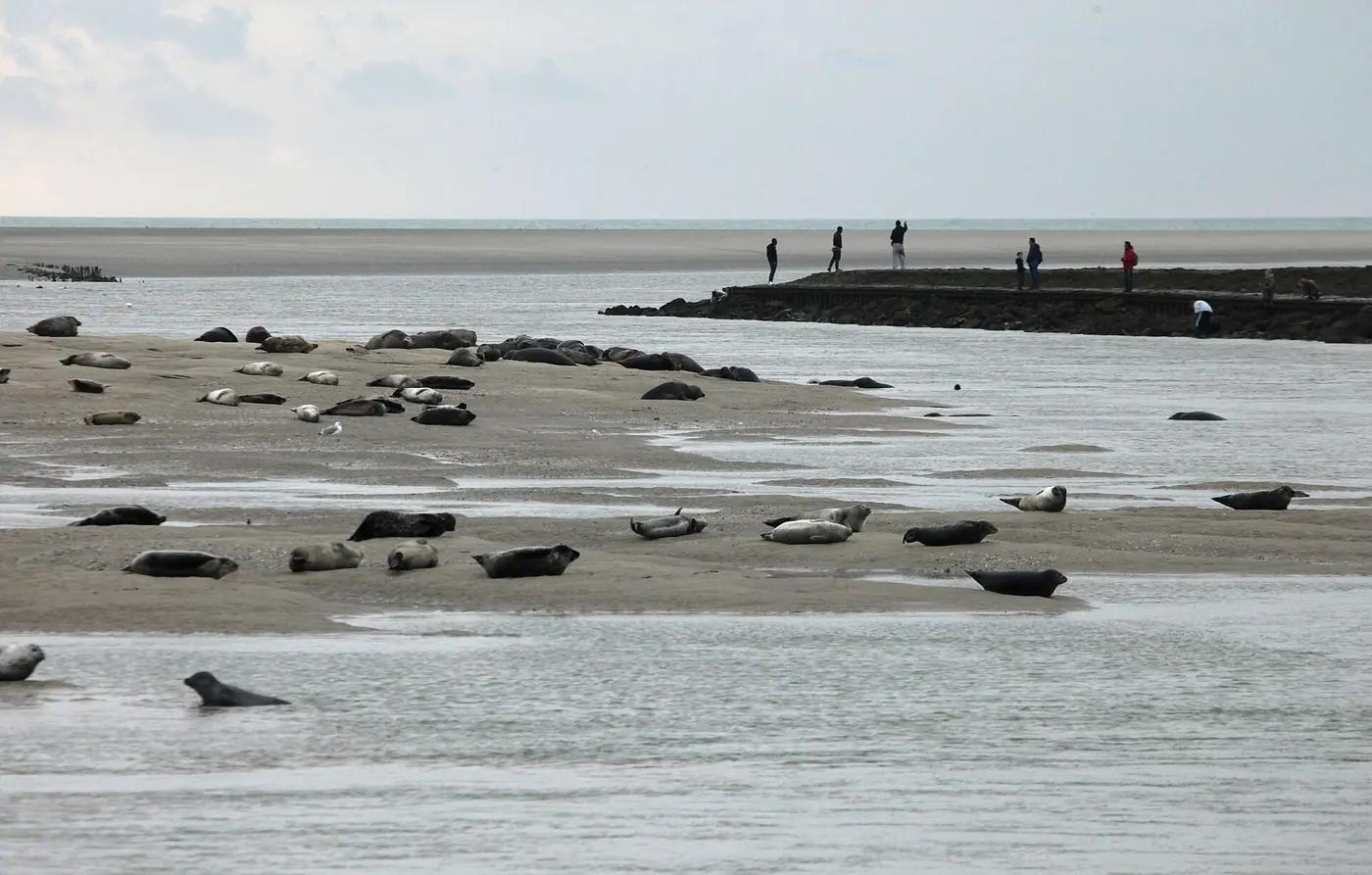
Normandy's wildlife is coastal first: harbour seals haul out on the sandbanks of the Bay of Mont-Saint-Michel, grey seals breed on the Chausey islands, bottlenose dolphins work the Normand-Breton gulf, and fulmars, kittiwakes and peregrines nest on the chalk at Étretat. Inland, the Cotentin marshes have white storks and the Seine estuary spoonbills and avocets, and the Cerza zoo near Lisieux adds rhinos and big cats.
The handful of Normandy captures so far are all small: crane flies, common darters, wasps and hornets from garden and campsite trips. That undersells a region whose coast holds some of the best marine mammal watching in France.
The geography helps. The Bay of Mont-Saint-Michel and the Cotentin are in the west, the Seine estuary and the Alabaster Coast cliffs in the east, and the Normandy forests and the Cerza zoo in between. Two or three bases cover everything.
Why this location matters
Good location pages explain why the place is worth your time, not just which names belong on a destination checklist.
The Normand-Breton gulf between the Cotentin and Brittany holds Europe's largest coastal population of bottlenose dolphins, over 400 animals, and the Bay of Mont-Saint-Michel has a growing harbour seal colony on sandbanks visible from the abbey causeway at low tide.
Normandy also led Europe's biggest dam removal. The Vezins and La Roche-qui-Boit dams on the Sélune came down in 2019 and 2022, reopening 90 km of river to Atlantic salmon and sea trout for the first time in a century.
Where to look
Wildlife map of Normandy
This guide covers the region shown below. Zoom in to get your bearings before planning a trip.
Positions are geocoded from OpenStreetMap. Habitat access and opening times change — check locally before travelling. Smaller pins are public AnimalDex captures, placed to the nearest kilometre.
Field proof
Found in Normandy by AnimalDex users
Real captures logged in the AnimalDex app inside this area and shared publicly by their collectors, with the animal confirmed by the app's identification. Places are shown to the nearest region, never the exact spot.
- 6
- public captures
- 6
- species recorded
- 3
- collectors
- 6
- wild sightings
Recent captures from the field
Species people have actually logged here
Every name links to its species guide. The count is how many public captures of that animal sit inside this area.
Collectors choose to share these captures on Discover and can withdraw them at any time. Coordinates are rounded to about a kilometre and refreshed with each site build.
Animals to spot
These are intentionally practical species picks, balancing accessibility, excitement, and what travelers can realistically notice in the location.
Harbor SealC
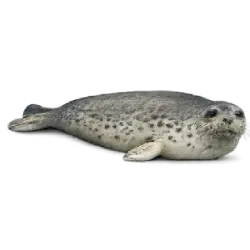
The Bay of Mont-Saint-Michel holds around 60 harbour seals that haul out on sandbanks near the Sée and Sélune mouths at low tide.
Spotting note: Reliable at low tide from the bay's guided walks; bring binoculars.
Read species guide
Grey SealB
The Chausey archipelago off Granville has a small breeding colony, and grey seals mix with the harbour seals hauled out in the Baie des Veys and the Bay of Mont-Saint-Michel.
Spotting note: Regular on the Chausey boat trips year-round.
Read species guide
DolphinB
Bottlenose dolphins live year-round in the Normand-Breton gulf, often close inshore off the Cotentin's west coast and around the Chausey islands.
Spotting note: Frequent from boats out of Granville and Carteret in summer.
Read species guide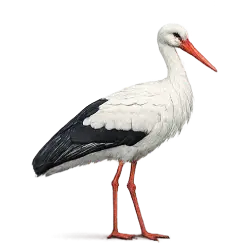
White StorkC
The Marais du Cotentin et du Bessin holds one of northern France's few stork populations, with nests on poles around Carentan.
Spotting note: Reliable in the Cotentin marshes from March to August.
Read species guide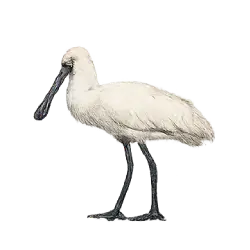
Eurasian SpoonbillC
Breeds in the Seine estuary reserve near Le Havre and feeds in the Cotentin marshes; one of the region's most elegant waterbirds.
Spotting note: Regular in spring and summer in the Seine estuary.
Read species guide
Pied AvocetC
Nests on the Seine estuary lagoons and sweeps its upturned bill through the Baie des Veys mud.
Spotting note: Common on the estuaries from April to September.
Read species guide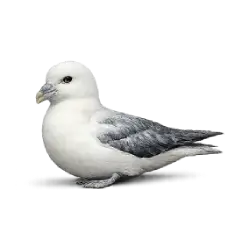
Northern FulmarC
Glides stiff-winged along the chalk cliffs of Étretat and Cap Fagnet, one of the species' southern breeding limits.
Spotting note: Reliable at Étretat from February to August.
Read species guide
Black-legged KittiwakeD
A noisy colony packs the chalk ledges at Cap Fagnet near Fecamp, screaming its name all spring.
Spotting note: Guaranteed at Cap Fagnet from April to July.
Read species guide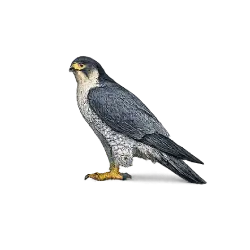
Peregrine FalconB
Nests on the Alabaster Coast cliffs and the Suisse Normande crags, hunting pigeons and waders over the estuaries.
Spotting note: Uncommon; scan cliff tops at Étretat and the Roche d'Oetre.
Read species guide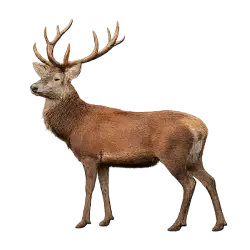
Red DeerB
The Écouves, Lyons and Andaines forests hold strong herds; the Écouves rut is one of the best in western France.
Spotting note: Easy at dusk in late September and early October.
Read species guide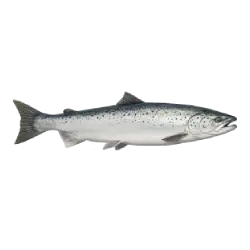
Atlantic SalmonC
Running again through the Sélune since the dams came down, and still fished on the Orne, Sée and Sienne; the Normandy rivers are one of the species' last French strongholds.
Spotting note: Seasonal; watch fish passes in autumn and early winter.
Read species guide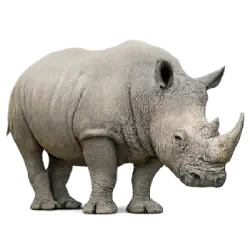
White RhinocerosA
The Cerza zoo at Hermival-les-Vaux near Lisieux keeps white rhinos on a big open plain alongside giraffes, lions and tigers.
Spotting note: Guaranteed at Cerza.
Read species guide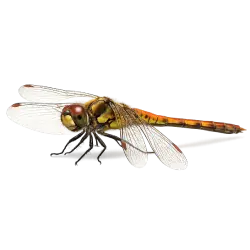
Common DarterE
The late-summer dragonfly of Normandy's ponds, canals and marsh ditches, already logged by regional users.
Spotting note: Common July to October around still water.
Read species guide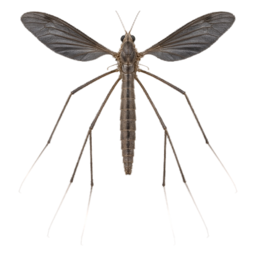
European Crane FlyE
Emerges in clouds from damp meadows in late summer and drifts into every gîte, which is how it ends up in Normandy captures.
Spotting note: Very common in August and September.
Read species guideBest for
Use this section to decide whether the location fits your travel style, skill level, and AnimalDex goals.
- Harbour seals and dolphins around the Bay of Mont-Saint-Michel and the Chausey islands
- Cliff seabirds at Étretat and Cap Fagnet
- Estuary birds on the Seine and in the Cotentin marshes
- A family zoo day at Cerza near Lisieux
Spotting tips
These tips are meant to make the page useful in the field, not just readable on the page.
- 01Seal watching in the Bay of Mont-Saint-Michel needs a licensed guide; the tide comes in fast and the sandbanks are dangerous alone.
- 02Cap Fagnet above Fecamp is a better kittiwake and fulmar viewpoint than the crowded Étretat arches.
- 03The Cotentin storks are easiest from the Maison du Parc at Saint-Come-du-Mont, which also has hides over the marsh.
- 04Chausey boats from Granville run year-round and give grey seals, dolphins and big wader flocks at low water.
Virtual Wildlife Guides
Wildlife guides to Normandy
AnimalDex builds virtual guides from explorers' own wild sightings: which animals they found, how rare they are, and when. A guide is advice from someone who has been there, not a tour. Buying one unlocks the author's notes for every animal, a chat with the author, and introductions to local people they met. Wildlife is never guaranteed.
Checking for virtual guides to Normandy...
How to choose a local wildlife guide in Normandy
- Ask what they usually find in the season you are visiting. A good guide gives an honest answer, not a promised sighting.
- Check how they treat animals: no baiting, calling in, handling, or close flash photography for a better shot.
- Confirm the meeting area, duration, group size, total price, and how you pay before the day, plus any permits or park fees the place requires.
Track the animals you find in Normandy
Build your collection while you travel through Normandy, from easy wins to the species worth planning around.
Related locations
Keep exploring with nearby or similar destinations that support the same kind of AnimalDex discovery.
Animals in France: What You Can Spot, Learn, and Collect
What wildlife lives in France, from Alpine ibex and Mercantour wolves to Camargue flamingos, Alsace storks, Breton puffins and the garden birds people log most.
Read location guideAnimals in Brittany: What You Can Spot, Learn, and Collect
Brittany wildlife: Sept-Îles puffins and gannets, grey seals and dolphins in the Iroise sea off Crozon, basking sharks, Gulf of Morbihan spoonbills and harbour crabs.
Read location guideAnimals in the UK: What You Can Spot, Learn, and Collect
A practical UK wildlife guide built around coasts, woodlands, wetlands, and the familiar-but-rewarding species that make local observation richer than many travelers expect.
Read location guideLocation FAQ
Short direct answers to the questions travelers usually ask before choosing a wildlife destination or zoo day.
What wildlife is there in Normandy?
Harbour and grey seals, bottlenose dolphins, fulmars, kittiwakes and peregrines along the coast; white storks, spoonbills and avocets in the marshes and estuaries; red deer, roe deer and wild boar in the forests; and salmon running the western rivers.
What animals can be found in Normandy?
Beyond the seals and seabirds, Normandy has otters, roe deer in every forest, hares in the Pays de Caux, kingfishers, barn owls on the farms and a well-known white rhino and big cat collection at the Cerza zoo near Lisieux.
Can you see seals at Mont-Saint-Michel?
Yes. Around 60 harbour seals live in the bay and rest on sandbanks near the river mouths at low tide. Guided bay walks from Genets or the abbey causeway are the safe way to see them.
When is the best time for wildlife in Normandy?
May and June for cliff seabirds and storks, late September for the red deer rut, and winter for the biggest wader and duck flocks on the estuaries. Seals and dolphins are present all year.
Have AnimalDex users found animals in Normandy?
Yes. AnimalDex users have publicly logged 6 captures of 6 different species in Normandy, including black ant, common darter, european crane fly, german yellowjacket. Each one was photographed in the app at the moment of the sighting.
How do I find a wildlife guide to Normandy?
Check the Wildlife Guides section on this page or browse Wildlife Guides on AnimalDex. Each one is a virtual guide built from an explorer's own wild sightings around Normandy: the animals they found, how rare they are, and when. It is advice from someone who has been there, not a tour. If you want someone with you on the day, compare local guides on wildlife knowledge, how they treat animals, and clear pricing before you go.