

Animals in Cape Town: What You Can Spot, Learn, and Collect
Cape Town wildlife guide: Boulders Beach penguins, Hout Bay fur seals, Table Mountain dassies, southern right whales in False Bay and the kelp-forest octopus.
Quick answer
Start with the direct answer, then use the sections below to see why the location matters and which animals are actually realistic to spot there.
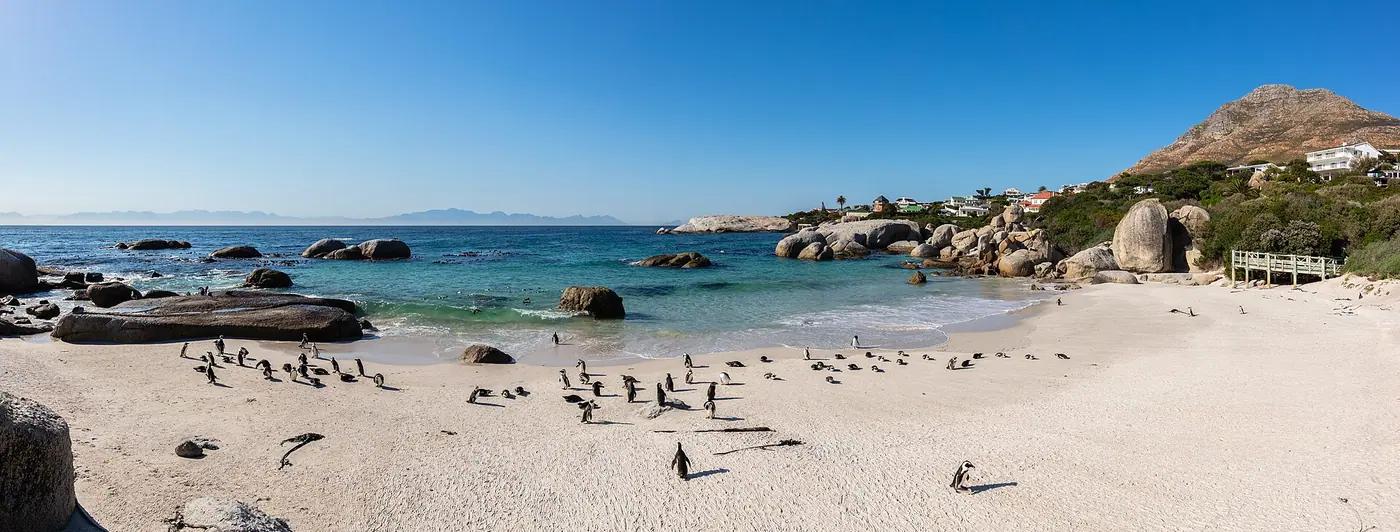
Cape Town is the only big city with a penguin colony on a swimming beach. Boulders Beach near Simon's Town has around 2,000 African penguins; Cape fur seals crowd Duiker Island off Hout Bay and the V&A Waterfront jetties; rock hyraxes (dassies) sun themselves on Table Mountain; southern right whales calve in False Bay from June to November; and great white sharks, bronze whalers, dolphins and the kelp-forest octopus live in the cold water around the peninsula. Cape Point has bontebok, eland, ostrich and baboons.
The Cape Peninsula is a national park with a city attached. Table Mountain National Park runs from the cableway down to Cape Point, and fynbos, cliffs and two oceans meet within a half-hour drive of the centre. That gives Cape Town a wildlife list no other city can match: a penguin colony, a whale nursery, a seal island, a mountain full of dassies and sunbirds, and the kelp forests that made My Octopus Teacher.
In the suburbs, helmeted guineafowl march across lawns, Egyptian geese nest on office roofs, sacred ibis stalk the sports fields and hadedas scream at dawn. Kirstenbosch Botanical Garden on the mountain's eastern slope is the best place in the city for sugarbirds, sunbirds and spotted eagle-owls.
Why this location matters
Good location pages explain why the place is worth your time, not just which names belong on a destination checklist.
The African penguin has crashed by more than 90 percent in a century and Boulders is one of its few growing colonies, right next to a town. Visiting on the boardwalk, and not on the beach where the birds nest, is how the public helps keep it that way.
False Bay is also where shark science and whale recovery meet: southern right whales have come back from near-extinction to calve in sight of the shore, while the great whites that made Seal Island famous have largely moved on since 2017, a change visitors can watch being studied.
Where to look
Wildlife map of Cape Town
This guide covers the region shown below. Zoom in to get your bearings before planning a trip.
Positions are geocoded from OpenStreetMap. Habitat access and opening times change — check locally before travelling.
Animals to spot
These are intentionally practical species picks, balancing accessibility, excitement, and what travelers can realistically notice in the location.

African PenguinD
The Boulders Beach colony at Simon's Town nests in the granite boulders and swims with bathers at Foxy Beach, viewed from the SANParks boardwalk; a second colony is at Stony Point in Betty's Bay.
Spotting note: Guaranteed at Boulders year-round.
Read species guide
SealB
Cape fur seals pack Duiker Island off Hout Bay, reached by a short boat trip, and loaf on the V&A Waterfront jetties; snorkelling with them is offered from Hout Bay.
Spotting note: Guaranteed at Hout Bay and the Waterfront.
Read species guide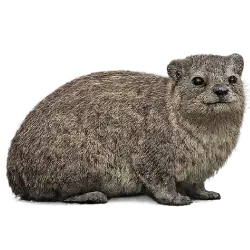
Rock HyraxD
Dassies sun themselves on the rocks at the top of the Table Mountain cableway and around the Cape Point lighthouse, used to people but quick to vanish.
Spotting note: Near-certain at the upper cable station on a sunny day.
Read species guide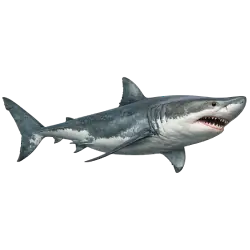
Great White SharkA
False Bay's Seal Island was the world's great white hotspot until 2017; the sharks are now scarce there, and cage-diving operators out of Gansbaai and Simon's Town mostly see bronze whalers with occasional whites.
Spotting note: Rare in False Bay now; Gansbaai, two hours east, has better odds.
Read species guide
Southern Right WhaleA
Mothers and calves rest in False Bay and off the Atlantic seaboard from June to November, visible from Boyes Drive, Clarence Drive and the Cape Point road.
Spotting note: Common from land in winter and spring; September is peak.
Read species guide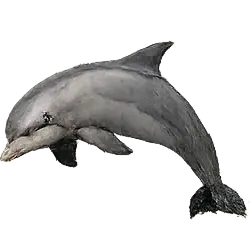
Dusky DolphinA
Pods ride the cold Atlantic water off Hout Bay and Cape Point and are seen from the Duiker Island boats and the Cape Point cliffs.
Spotting note: Regular offshore; more often from boats than from shore.
Read species guide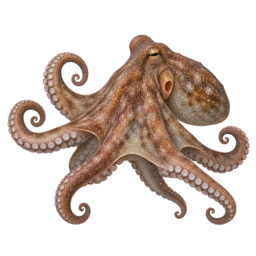
Common OctopusD
The kelp forests of False Bay, where My Octopus Teacher was filmed, hide octopus in dens among the boulders at Windmill Beach and Miller's Point for snorkellers in 12-degree water.
Spotting note: Regular for patient snorkellers and divers in the kelp.
Read species guide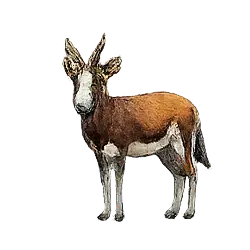
BontebokB
The Cape Point section of the park holds a herd of this once nearly extinct antelope, grazing the fynbos near the Olifantsbos and Buffels Bay roads.
Spotting note: Regular at Cape Point.
Read species guide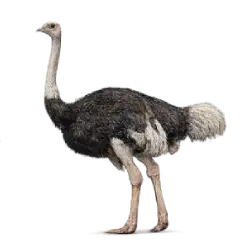
OstrichB
Wild ostriches walk the beaches and fynbos of Cape Point and are often photographed against the Atlantic surf at Olifantsbos.
Spotting note: Common at Cape Point.
Read species guide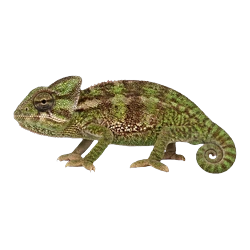
Cape Dwarf ChameleonE
A small chameleon of Cape Town gardens and fynbos, found on garden shrubs in the southern suburbs and at Kirstenbosch at night by torchlight.
Spotting note: Common but very hard to see; a torch at night helps.
Read species guide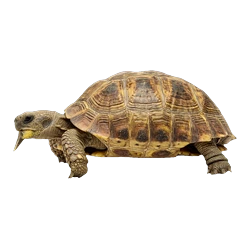
Angulate TortoiseE
Grazes the fynbos of Cape Point and the West Coast and crosses the roads on warm mornings; the most common tortoise on the peninsula.
Spotting note: Regular at Cape Point in spring and summer.
Read species guide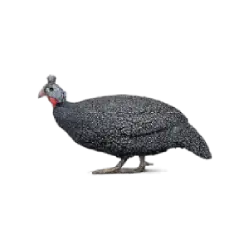
Helmeted GuineafowlD
Flocks patrol the southern suburbs, Kirstenbosch lawns and golf courses, calling loudly at dusk.
Spotting note: Abundant in the suburbs.
Read species guide
Egyptian GooseD
Nests on rooftops, roundabouts and the Company's Garden ponds, and honks over the city at dawn.
Spotting note: Abundant everywhere there is grass and water.
Read species guide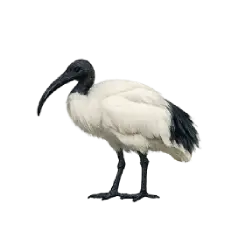
Sacred IbisD
Stalks sports fields, Rondebosch Common and the Rietvlei wetland, and roosts in the Zandvlei reedbeds.
Spotting note: Common on open grass across the city.
Read species guideBest for
Use this section to decide whether the location fits your travel style, skill level, and AnimalDex goals.
- City-break travellers who want wildlife without a safari: penguins, seals and whales in a weekend.
- Snorkellers and cold-water divers exploring the False Bay kelp forests.
- Hikers on Table Mountain and the Cape Point trails with birds and dassies along the way.
- Families; Boulders, the Two Oceans Aquarium and Hout Bay seals are all easy with children.
Spotting tips
These tips are meant to make the page useful in the field, not just readable on the page.
- 01Arrive at Boulders before 9am or after 4pm; the penguins are most active, the light is better and the boardwalk is quieter.
- 02In whale season, drive Boyes Drive above Muizenberg or Clarence Drive past Gordon's Bay and stop at the lay-bys with binoculars.
- 03Snorkel the kelp at Windmill Beach at high tide on a calm day with a thick wetsuit; octopus, pyjama sharks and cuttlefish live in the boulders.
- 04Do not feed the Cape Point baboons and keep car windows up; they have learned to open doors.
Virtual Wildlife Guides
Wildlife guides to Cape Town
AnimalDex builds virtual guides from explorers' own wild sightings: which animals they found, how rare they are, and when. A guide is advice from someone who has been there, not a tour. Buying one unlocks the author's notes for every animal, a chat with the author, and introductions to local people they met. Wildlife is never guaranteed.
Checking for virtual guides to Cape Town...
How to choose a local wildlife guide in Cape Town
- Ask what they usually find in the season you are visiting. A good guide gives an honest answer, not a promised sighting.
- Check how they treat animals: no baiting, calling in, handling, or close flash photography for a better shot.
- Confirm the meeting area, duration, group size, total price, and how you pay before the day, plus any permits or park fees the place requires.
Track the animals you find in Cape Town
Build your collection while you travel through Cape Town, from easy wins to the species worth planning around.
Related tier lists
These tier lists add broader context around the species that make this location interesting.
100 Most Dangerous Animals in the World
Dangerous animals list ranking 100 species by lethal capability, aggression, and encounter risk — not a jump-scare trivia page and not a disease-vector list.
Read tier list100 Smartest Animals Ranked
Animal intelligence ranking of 100 smartest animals, using AnimalDex intelligence profiles and a clear note that social skill, tool use, and solitary problem solving are different jobs.
Read tier listRelated locations
Keep exploring with nearby or similar destinations that support the same kind of AnimalDex discovery.
Animals in South Africa: What You Can Spot, Learn, and Collect
A practical South Africa wildlife guide built around safari-scale visibility, strong mammal encounters, and the supporting species that keep trips rich even between predator moments.
Read location guideAnimals in Kruger National Park: What You Can Spot, Learn, and Collect
Kruger National Park wildlife guide: Big Five self-drives, wild dogs and leopards in Sabi Sands, Sabie river hippos, ground hornbills, honey badgers and 500 bird species.
Read location guideAnimals in Namibia: What You Can Spot, Learn, and Collect
Namibia wildlife guide: Etosha's waterhole lions and black rhinos, Damaraland desert elephants, Cape Cross fur seals, Sossusvlei oryx and wild cheetahs.
Read location guideLocation FAQ
Short direct answers to the questions travelers usually ask before choosing a wildlife destination or zoo day.
What wildlife is there in Cape Town?
African penguins at Boulders Beach, Cape fur seals at Hout Bay and the Waterfront, rock hyraxes on Table Mountain, southern right whales and dolphins in False Bay, great white and bronze whaler sharks offshore, octopus and reef life in the kelp forests, and bontebok, eland, ostrich and chacma baboons at Cape Point.
What animals can be found in Cape Town?
No big game inside the city, but a long list of coastal and mountain species: penguins, seals, whales, dolphins, sharks, several antelope at Cape Point, baboons, porcupines, caracals (occasionally in the suburbs), tortoises, chameleons and over 300 bird species including sugarbirds, sunbirds and spotted eagle-owls.
When can you see whales in Cape Town?
Southern right whales are in False Bay and along the Atlantic coast from June to November, with August to October the peak; humpbacks pass in spring and summer. Hermanus, 90 minutes east, is the best land-based whale watching in the country.
Are there still great white sharks in False Bay?
Far fewer than before. Great whites largely disappeared from Seal Island after 2017, probably because of orca predation on sharks, and cage-diving trips now mostly see bronze whaler sharks. Gansbaai, two hours away, still has occasional great whites.
How do I find a wildlife guide to Cape Town?
Check the Wildlife Guides section on this page or browse Wildlife Guides on AnimalDex. Each one is a virtual guide built from an explorer's own wild sightings around Cape Town: the animals they found, how rare they are, and when. It is advice from someone who has been there, not a tour. If you want someone with you on the day, compare local guides on wildlife knowledge, how they treat animals, and clear pricing before you go.