

Animals in Kruger National Park: What You Can Spot, Learn, and Collect
Kruger National Park wildlife guide: Big Five self-drives, wild dogs and leopards in Sabi Sands, Sabie river hippos, ground hornbills, honey badgers and 500 bird species.
Quick answer
Start with the direct answer, then use the sections below to see why the location matters and which animals are actually realistic to spot there.
Kruger is the easiest place in Africa to see the Big Five on your own: lions, leopards, elephants, white rhinos and buffalo all live along the tarred roads of the southern park between Skukuza, Lower Sabie and Satara. The park and the private Sabi Sands and Timbavati reserves on its western edge also hold African wild dogs, spotted hyenas, hippos and crocodiles in the Sabie and Olifants rivers, big antelope such as kudu and nyala, and a bird list of over 500 species including the southern ground hornbill.
Kruger is almost 20,000 square kilometres, the size of a small country, with 2,000 kilometres of road and a dozen rest camps where you can self-drive, braai and walk to the fence at night. The southern third between the Crocodile and Sabie rivers has the densest game and the best chance of the Big Five in a weekend; the north around Punda Maria and Pafuri is wilder, hotter and the best birding in South Africa.
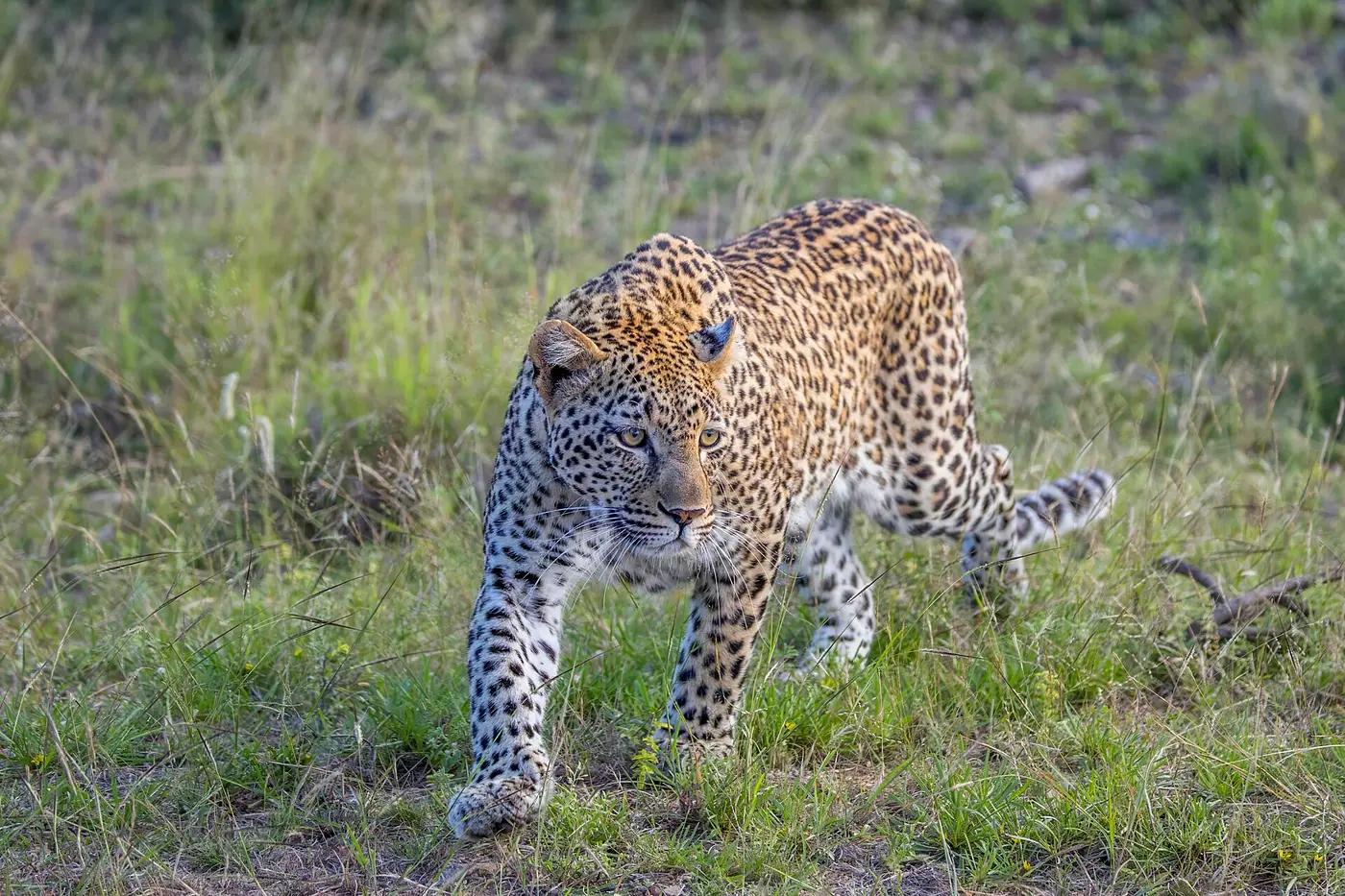
The unfenced private reserves on the western boundary, Sabi Sands above all, are where Kruger's leopards became famous. Off-road driving and tracking there mean leopard sightings on most drives and regular encounters with wild dog packs and hyena dens that the public roads only hint at.
Why this location matters
Good location pages explain why the place is worth your time, not just which names belong on a destination checklist.
Kruger holds one of the largest white rhino populations on earth and has been the front line of the poaching crisis for over a decade. Every tourist vehicle on the southern roads is part of the deterrent, and every logged rhino sighting matters.
It is also a park built for ordinary people: affordable rest camps, self-drive roads and a century of records mean a family in a hatchback can collect the same species as a luxury safari, and that accessibility is rare in Africa.
Where to look
Wildlife map of Kruger National Park
This guide covers the region shown below. Zoom in to get your bearings before planning a trip.
Positions are geocoded from OpenStreetMap. Habitat access and opening times change — check locally before travelling.
Animals to spot
These are intentionally practical species picks, balancing accessibility, excitement, and what travelers can realistically notice in the location.
LionB
About 1,600 lions live in the park; the roads around Satara, Lower Sabie and the S100 are classic lion country, and Sabi Sands prides are watched daily.
Spotting note: Likely over a few days of self-driving; near-certain in Sabi Sands.
Read species guide
LeopardB
The Sabie river drive between Skukuza and Lower Sabie is the best public road for leopards, and Sabi Sands has the most habituated leopards in the world.
Spotting note: Regular in Sabi Sands; luck on the public roads, best at dawn and dusk.
Read species guide
African Bush ElephantS
Over 30,000 elephants fill the park, with big herds at the Letaba and Olifants rivers and bulls wandering through the rest camps' fence lines.
Spotting note: Guaranteed anywhere in the park.
Read species guide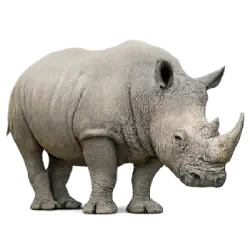
White RhinocerosA
The southern park between Pretoriuskop, Skukuza and Lower Sabie holds one of the largest rhino populations in Africa, grazing the open grass in small groups.
Spotting note: Regular in the south; do not post sightings with locations.
Read species guide
Cape BuffaloB
Herds of hundreds cross the roads around Satara and drink at the Sabie and Olifants rivers in the dry season.
Spotting note: Common throughout.
Read species guide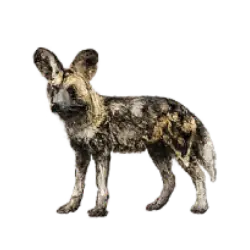
African Wild DogA
Kruger has one of the few viable wild dog populations left, with packs denning in the southern and central park in winter and regularly seen in Sabi Sands and Timbavati.
Spotting note: Uncommon but realistic over a week; June to August denning season is best.
Read species guide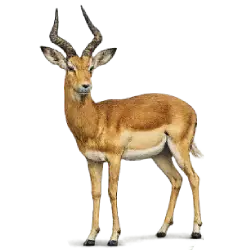
ImpalaC
The most numerous antelope in the park, in herds along every road, and the main prey of leopards, wild dogs and cheetahs.
Spotting note: Abundant; the rutting roar of males fills the autumn evenings.
Read species guide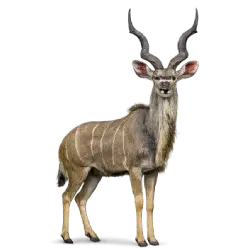
Greater KuduB
Spiral-horned bulls stand in the mopane and riverine thicket along the Letaba and Shingwedzi rivers, melting into the bush when disturbed.
Spotting note: Common across the park.
Read species guide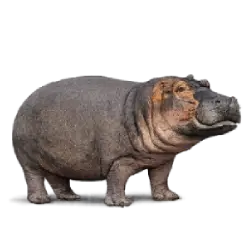
HippopotamusB
The Sabie river pools at Lower Sabie and the Sunset Dam, the Olifants river and Lake Panic hide hundreds of hippos within view of the picnic sites.
Spotting note: Guaranteed at Sunset Dam and the river viewpoints.
Read species guide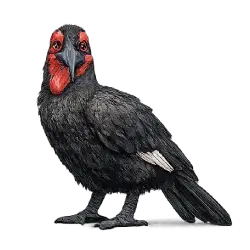
Southern Ground HornbillC
Turkey-sized black birds with red faces walk the woodland in family groups, and Kruger is their most important stronghold in South Africa.
Spotting note: Regular in the central and northern park.
Read species guide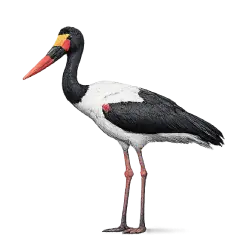
Saddle-billed StorkC
Stalks the shallows of the Sabie, Letaba and Luvuvhu rivers, the tallest and most colourful of the park's storks.
Spotting note: Regular on the rivers; scarce elsewhere in South Africa.
Read species guide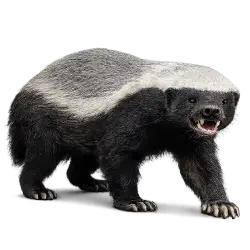
Honey BadgerC
Raids rest camp bins at night and trots across the roads at dawn, and the park's camps have had to badger-proof their dustbins.
Spotting note: Uncommon; night drives from the camps give the best odds.
Read species guide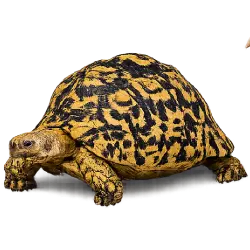
Leopard TortoiseD
Crosses the tar roads after rain across the whole park, the biggest of the 'Little Five' and worth slowing down for.
Spotting note: Common in the wet season, November to March.
Read species guide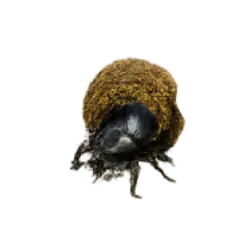
Dung BeetleE
Rolls balls of elephant and rhino dung across the roads after summer rain, one of the Little Five and protected by a park rule against driving over them.
Spotting note: Abundant after rain in summer.
Read species guideBest for
Use this section to decide whether the location fits your travel style, skill level, and AnimalDex goals.
- Self-drive safaris on a budget using the SANParks rest camps.
- Big Five first-timers who want them in a long weekend from Johannesburg.
- Leopard and wild dog fans staying in Sabi Sands or Timbavati.
- Birders heading to Pafuri and the Luvuvhu river in the far north.
Spotting tips
These tips are meant to make the page useful in the field, not just readable on the page.
- 01Be at the camp gate when it opens and drive the river roads first; the H4-1 along the Sabie and the S100 near Satara are the most productive tarred and gravel roads in the park.
- 02Drive slowly, 20 to 30 km/h, and stop at every waterhole and dam; most sightings come from scanning, not covering distance.
- 03Book a sunset or night drive from your rest camp; honey badgers, civets, genets and owls only show after dark.
- 04Winter (May to September) is the best game viewing: thin bush, dry waterholes and no malaria mosquitoes to speak of.
Virtual Wildlife Guides
Wildlife guides to Kruger National Park
AnimalDex builds virtual guides from explorers' own wild sightings: which animals they found, how rare they are, and when. A guide is advice from someone who has been there, not a tour. Buying one unlocks the author's notes for every animal, a chat with the author, and introductions to local people they met. Wildlife is never guaranteed.
Checking for virtual guides to Kruger National Park...
How to choose a local wildlife guide in Kruger National Park
- Ask what they usually find in the season you are visiting. A good guide gives an honest answer, not a promised sighting.
- Check how they treat animals: no baiting, calling in, handling, or close flash photography for a better shot.
- Confirm the meeting area, duration, group size, total price, and how you pay before the day, plus any permits or park fees the place requires.
Track the animals you find in Kruger National Park
Build your collection while you travel through Kruger National Park, from easy wins to the species worth planning around.
Related tier lists
These tier lists add broader context around the species that make this location interesting.
100 Most Dangerous Animals in the World
Dangerous animals list ranking 100 species by lethal capability, aggression, and encounter risk — not a jump-scare trivia page and not a disease-vector list.
Read tier listBest Hunters in the Animal World
A structured ranking of the best hunters in the animal world, balancing success rate, kill efficiency, tracking ability, coordination, and finishing power.
Read tier listAnimals with the Best Camouflage
A structured ranking of animals with the best camouflage, focusing on concealment quality, background matching, adaptive color change, and how often camouflage changes outcomes.
Read tier listRelated locations
Keep exploring with nearby or similar destinations that support the same kind of AnimalDex discovery.
Animals in South Africa: What You Can Spot, Learn, and Collect
A practical South Africa wildlife guide built around safari-scale visibility, strong mammal encounters, and the supporting species that keep trips rich even between predator moments.
Read location guideAnimals in Cape Town: What You Can Spot, Learn, and Collect
Cape Town wildlife guide: Boulders Beach penguins, Hout Bay fur seals, Table Mountain dassies, southern right whales in False Bay and the kelp-forest octopus.
Read location guideAnimals in Botswana: What You Can Spot, Learn, and Collect
Botswana wildlife guide: Okavango Delta mokoro trips with hippos and lechwe, Chobe's river elephants, wild dogs in Moremi, Makgadikgadi meerkats and the zebra migration.
Read location guideLocation FAQ
Short direct answers to the questions travelers usually ask before choosing a wildlife destination or zoo day.
What wildlife is there in Kruger National Park?
All of the Big Five, with the largest white rhino and one of the largest elephant populations in Africa, plus African wild dogs, cheetahs, spotted hyenas, hippos, crocodiles, giraffes, zebra, kudu, nyala, impala and over 500 bird species.
What animals can be found in Kruger National Park?
About 147 mammal species, 507 birds, 114 reptiles and 49 fish. Visitors talk about the Big Five, the Little Five (elephant shrew, buffalo weaver, leopard tortoise, ant lion and rhino beetle) and the Big Six birds, led by the southern ground hornbill and saddle-billed stork.
Can you self-drive in Kruger National Park?
Yes, Kruger is designed for it. Tarred and gravel roads link a dozen rest camps, the gates open at dawn and close at dusk, and a normal car is fine. Guided drives and walks can be booked at every camp.
Which part of Kruger is best for the Big Five?
The south, between the Crocodile and Sabie rivers. Base yourself at Skukuza, Lower Sabie or Berg-en-Dal and drive the river roads; the Sabi Sands private reserve next door is the surest place for leopard.
How do I find a wildlife guide to Kruger National Park?
Check the Wildlife Guides section on this page or browse Wildlife Guides on AnimalDex. Each one is a virtual guide built from an explorer's own wild sightings around Kruger National Park: the animals they found, how rare they are, and when. It is advice from someone who has been there, not a tour. If you want someone with you on the day, compare local guides on wildlife knowledge, how they treat animals, and clear pricing before you go.