

Animals in Da Lat: What You Can Spot, Learn, and Collect
Da Lat wildlife: silver pheasants and montane birds at Bidoup Nui Ba, lorises, muntjac and sambar in the highland forest, and the moths and dragonflies of the plateau.
Quick answer
Start with the direct answer, then use the sections below to see why the location matters and which animals are actually realistic to spot there.
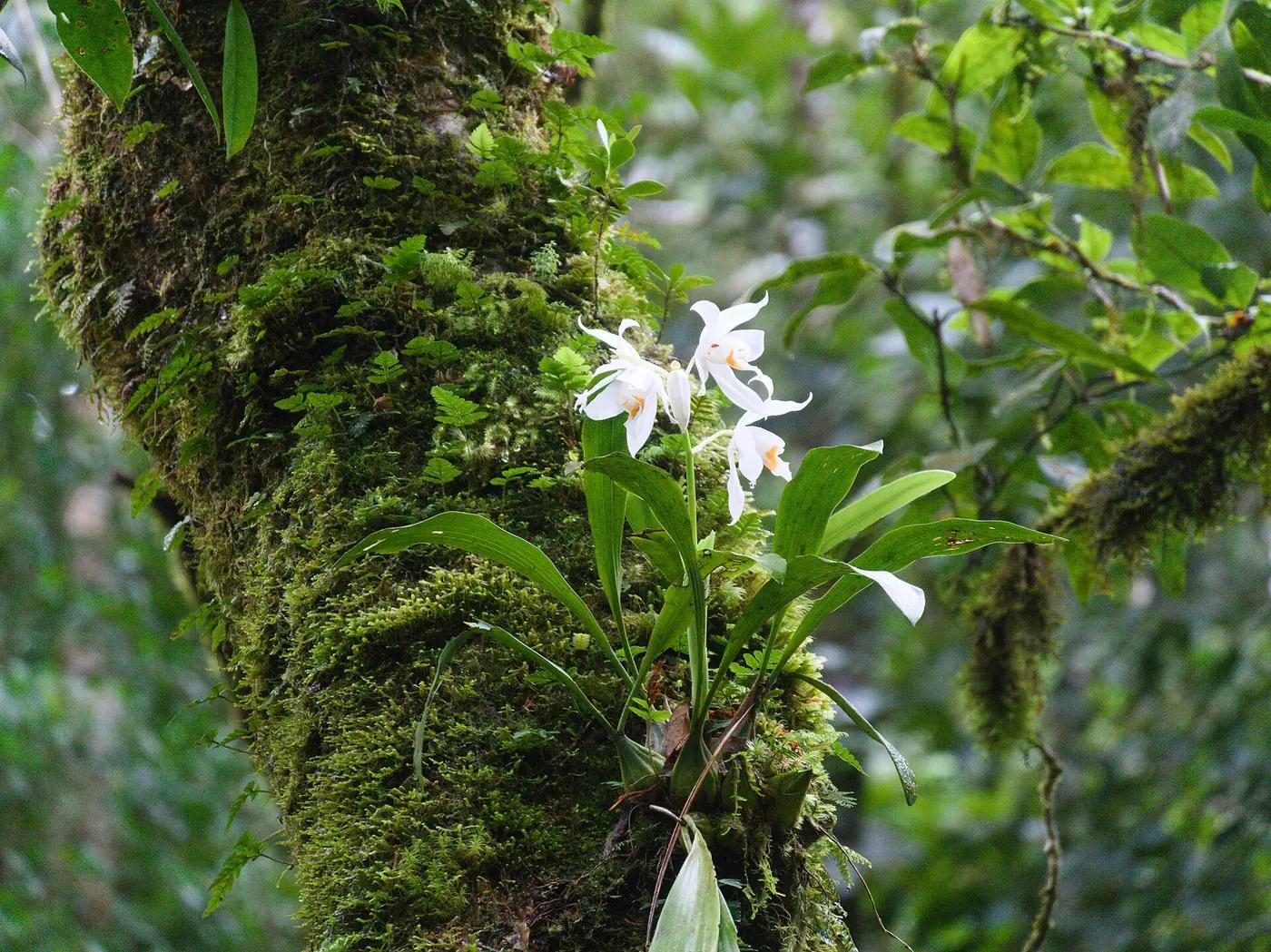
Da Lat sits at 1,500 metres on the Lam Dong plateau, and its wildlife is montane: silver pheasants, laughingthrushes and sunbirds in the Bidoup Nui Ba forest, sambar and muntjac on the park's trails, pygmy slow lorises and yellow-throated martens in the evergreen patches, with pine forest full of dragonflies, hawkmoths, chafers and freshwater crabs in the streams. AnimalDex users on the plateau log mostly insects: grass moths, wandering gliders, honey bees and skipper butterflies.
Da Lat is Vietnam's cool-climate hill station, built by the French among pine forest and lakes, and its surroundings are the country's best montane birding. Bidoup Nui Ba National Park, 50 kilometres northeast, protects about 65,000 hectares of evergreen and pine forest on the plateau's highest ground.
The city itself is gardens, greenhouses and lakes, and that is what the local capture record shows: moths at night lights, wandering glider dragonflies over Xuan Huong Lake, honey bees in the flower farms and freshwater crabs in the streams that run off the plateau.
Why this location matters
Good location pages explain why the place is worth your time, not just which names belong on a destination checklist.
The Da Lat plateau is an endemic bird area with species found nowhere else, including the collared laughingthrush and Vietnamese greenfinch, and Bidoup Nui Ba is the park that holds them. It also holds one of the largest known populations of the yellow-cheeked gibbon.
Flower and vegetable farming is eating the plateau's forest edge fast. Birders and hikers who log what still lives in the pine belt around the city keep a record that the greenhouses are erasing.
Where to look
Wildlife map of Da Lat
This guide covers the region shown below. Zoom in to get your bearings before planning a trip.
Positions are geocoded from OpenStreetMap. Habitat access and opening times change — check locally before travelling. Smaller pins are public AnimalDex captures, placed to the nearest kilometre.
Field proof
Found in Da Lat by AnimalDex users
Real captures logged in the AnimalDex app inside this area and shared publicly by their collectors, with the animal confirmed by the app's identification. Places are shown to the nearest region, never the exact spot.
- 1
- public captures
- 1
- species recorded
- 1
- collectors
- 1
- wild sightings
Recent captures from the field
Species people have actually logged here
Every name links to its species guide. The count is how many public captures of that animal sit inside this area.
Collectors choose to share these captures on Discover and can withdraw them at any time. Coordinates are rounded to about a kilometre and refreshed with each site build.
Animals to spot
These are intentionally practical species picks, balancing accessibility, excitement, and what travelers can realistically notice in the location.
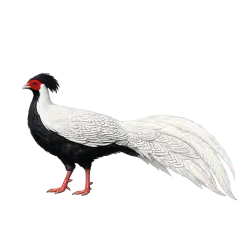
Silver PheasantD
Males with long white tails cross the forest trails of Bidoup Nui Ba and Ta Nung valley at dawn, the plateau's most striking ground bird.
Spotting note: Uncommon; early mornings on quiet trails in Bidoup.
Read species guide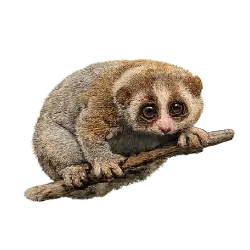
Pygmy Slow LorisD
Lives in the evergreen forest of Bidoup Nui Ba and Chu Yang Sin, found on night walks by its orange eyeshine in the mid-storey.
Spotting note: Rare; a park ranger night walk gives a fair chance.
Read species guide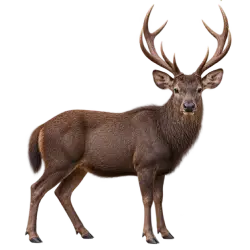
Sambar DeerB
Sambar browse Bidoup's forest edges and clearings and leave tracks on the muddy trails around the park headquarters.
Spotting note: Occasional at dawn and dusk; tracks are common.
Read species guide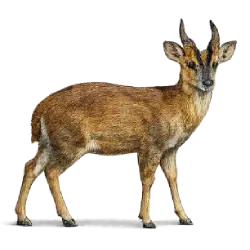
Indian MuntjacC
The barking deer's hoarse alarm call echoes through Bidoup's evergreen forest, and animals cross the trails in the first hour of light.
Spotting note: Heard regularly; seen with patience.
Read species guide
Yellow-throated MartenC
A big, bold marten that hunts in pairs through Bidoup's canopy and along the park roads in daylight.
Spotting note: Uncommon but conspicuous when present; watch the road edges.
Read species guide
Wild BoarB
Rootles through Bidoup's forest floor and the pine-forest edges around Tuyen Lam Lake, leaving churned ground along the trails.
Spotting note: Common but shy; signs everywhere, animals at dusk.
Read species guide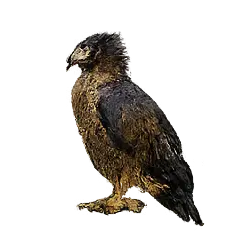
Crested Serpent EagleC
Circles over the pine and evergreen forest around Da Lat with a piercing whistle, the plateau's commonest large raptor.
Spotting note: Regular overhead on sunny mornings.
Read species guide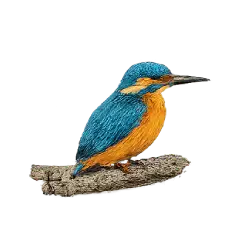
Common KingfisherD
Hunts the streams below Datanla and Prenn waterfalls and the edges of Tuyen Lam Lake.
Spotting note: Regular along clear streams.
Read species guide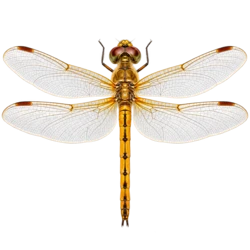
Wandering GliderE
The world's most widespread dragonfly swarms over Xuan Huong Lake and the flower farms, and was logged by a user on the plateau.
Spotting note: Abundant in the wet season.
Read species guide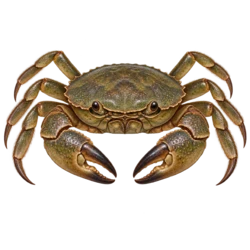
Freshwater CrabE
Highland stream crabs live under stones in the brooks running off the plateau and were logged by a user near Da Lat.
Spotting note: Common under rocks in clear, cool streams.
Read species guide
Asian Honey BeeE
Works the plateau's flower farms, coffee blossom and wild rhododendrons; bees are among the insects users log most around Da Lat.
Spotting note: Very common wherever flowers are open.
Read species guide
Common MynaD
Patrols Da Lat's market square and lakeside lawns, logged by users in the city centre.
Spotting note: Common in town.
Read species guide
Great MormonE
A big black swallowtail that drifts through Da Lat's gardens and the citrus and flower farms on the plateau.
Spotting note: Common in gardens on warm days.
Read species guide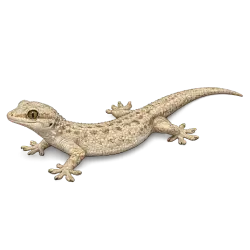
Common House GeckoE
Hunts around the lights of Da Lat's guesthouses even at this altitude, logged by users in the city.
Spotting note: Common on warm nights; slower in the cool season.
Read species guideBest for
Use this section to decide whether the location fits your travel style, skill level, and AnimalDex goals.
- Birders chasing the Da Lat plateau's endemics in Bidoup Nui Ba and Ta Nung
- Hikers combining Lang Biang or Bidoup treks with dawn wildlife
- Cool-climate insect collectors: moths at night lights, dragonflies over the lakes
- Travelers who want a quieter, cooler counterpoint to coastal Vietnam
Spotting tips
These tips are meant to make the page useful in the field, not just readable on the page.
- 01Hire a birding guide for Bidoup Nui Ba and Ta Nung valley; the endemics are skulking laughingthrushes and the guides know the fruiting trees and song posts.
- 02Walk the forest road from Bidoup's headquarters at first light for silver pheasants, muntjac and martens before the motorbikes start.
- 03Leave a porch light on at any guesthouse on the plateau edge; the moth and beetle variety at 1,500 metres is a different list from the lowlands.
- 04Turn over stones in the clear streams below the waterfalls for freshwater crabs, and check the lake edges at midday for wandering gliders.
Virtual Wildlife Guides
Wildlife guides to Da Lat
AnimalDex builds virtual guides from explorers' own wild sightings: which animals they found, how rare they are, and when. A guide is advice from someone who has been there, not a tour. Buying one unlocks the author's notes for every animal, a chat with the author, and introductions to local people they met. Wildlife is never guaranteed.
Checking for virtual guides to Da Lat...
How to choose a local wildlife guide in Da Lat
- Ask what they usually find in the season you are visiting. A good guide gives an honest answer, not a promised sighting.
- Check how they treat animals: no baiting, calling in, handling, or close flash photography for a better shot.
- Confirm the meeting area, duration, group size, total price, and how you pay before the day, plus any permits or park fees the place requires.
Track the animals you find in Da Lat
Build your collection while you travel through Da Lat, from easy wins to the species worth planning around.
Related tier lists
These tier lists add broader context around the species that make this location interesting.
Animals with the Best Camouflage
A structured ranking of animals with the best camouflage, focusing on concealment quality, background matching, adaptive color change, and how often camouflage changes outcomes.
Read tier listRelated locations
Keep exploring with nearby or similar destinations that support the same kind of AnimalDex discovery.
Animals in Vietnam: What You Can Spot, Learn, and Collect
Vietnam wildlife guide: red-shanked doucs at Son Tra, langurs and lorises at Cuc Phuong, gaur and crocodiles in Cat Tien, sarus cranes at Tram Chim, geckos everywhere.
Read location guideAnimals in Hanoi: What You Can Spot, Learn, and Collect
Hanoi wildlife: softshell turtles and sliders in Hoan Kiem Lake, herons on the Red River, Ba Vi's water dragons, Cuc Phuong's primate centre and Hanoi Zoo's elephants.
Read location guideAnimals in Cambodia: What You Can Spot, Learn, and Collect
Cambodia wildlife guide: giant ibis in the northern plains, Tonle Sap's stork colonies at Prek Toal, Irrawaddy dolphins at Kratie, Angkor macaques, Mondulkiri elephants.
Read location guideLocation FAQ
Short direct answers to the questions travelers usually ask before choosing a wildlife destination or zoo day.
What wildlife is there in Da Lat?
Montane birds including silver pheasants, laughingthrushes, sunbirds and the plateau's endemic greenfinch and laughingthrush; sambar, muntjac, wild boar, martens and pygmy slow lorises in the Bidoup Nui Ba forest; and a rich insect fauna of dragonflies, moths, bees and butterflies around the city's lakes and gardens.
What animals can be found in Da Lat?
Yellow-cheeked gibbons, black-shanked doucs, lorises, sambar, muntjac, boar, martens, civets, serpent eagles, pheasants and over 200 bird species in Bidoup Nui Ba, plus geckos, skinks, freshwater crabs and insects in and around the city. Users on the plateau log mostly insects.
Is Bidoup Nui Ba worth visiting from Da Lat?
Yes, especially for birders. It is 50 kilometres from the city, has marked trails from the headquarters and holds most of the plateau's endemic birds plus gibbons and deer. Hire a guide and start at dawn.
What is the best season for wildlife in Da Lat?
The dry season from December to April has clear mornings and the best birding; it is cool at dawn, often under 12 degrees. Insects peak in the wet months from May to October.
Have AnimalDex users found animals in Da Lat?
Yes. AnimalDex users have publicly logged 1 captures of 1 different species in Da Lat, including cyclodes moth. Each one was photographed in the app at the moment of the sighting.
How do I find a wildlife guide to Da Lat?
Check the Wildlife Guides section on this page or browse Wildlife Guides on AnimalDex. Each one is a virtual guide built from an explorer's own wild sightings around Da Lat: the animals they found, how rare they are, and when. It is advice from someone who has been there, not a tour. If you want someone with you on the day, compare local guides on wildlife knowledge, how they treat animals, and clear pricing before you go.