

Animals in Ethiopia: What You Can Spot, Learn, and Collect
Ethiopia wildlife guide: gelada troops and walia ibex in the Simien Mountains, Ethiopian wolves on the Bale plateau, Harar's hyenas and Lake Tana pelicans.
Quick answer
Start with the direct answer, then use the sections below to see why the location matters and which animals are actually realistic to spot there.
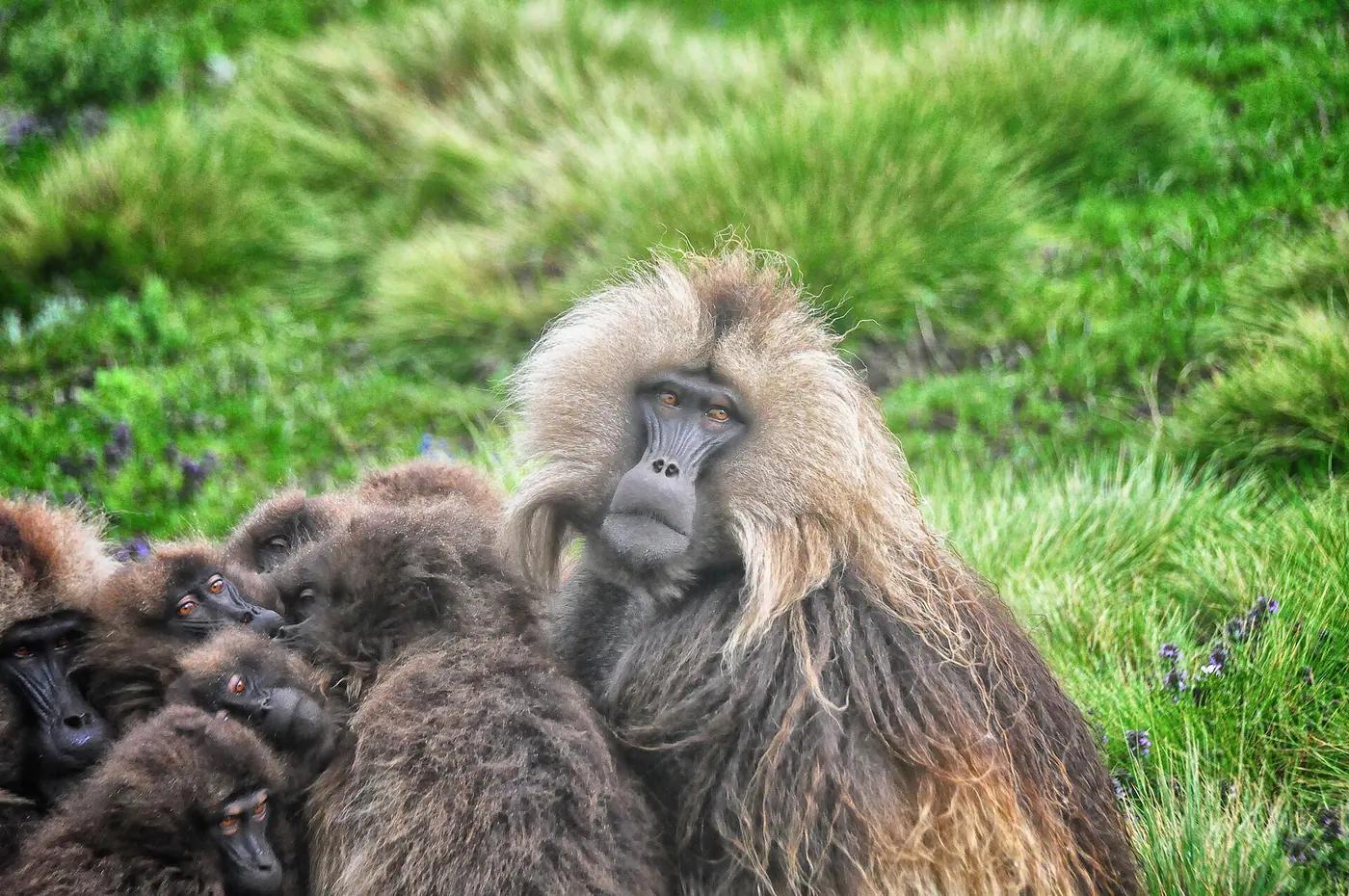
Ethiopia's wildlife is mostly its own. Geladas, the grass-eating 'bleeding heart' monkeys, live in troops of hundreds on the Simien escarpment alongside walia ibex and lammergeiers; the Bale Mountains' Sanetti plateau is the best place in the world to see the Ethiopian wolf, the rarest canid on earth, and mountain nyala live on its slopes. Add Harar's hand-fed hyenas, Grevy's zebra and wild ass in the Afar lowlands, pelicans and hippos on Lake Tana, crocodiles at Lake Chamo and more than 30 endemic bird species.
Ethiopia's highlands rise above 4,000 metres, cut off from the rest of Africa for long enough to produce animals found nowhere else. In the Simien Mountains, geladas graze the cliff-top meadows and climb down the escarpment to sleep on ledges, and the walia ibex stands on crags above a kilometre of air. The Bale Mountains in the south hold the Afroalpine Sanetti plateau, where Ethiopian wolves hunt giant mole-rats in full view of the road.
The lowlands are a different country: the Danakil and Afar deserts with camels, wild ass and Grevy's zebra at Alledeghi, the Rift Valley lakes with pelicans, flamingos and the 'crocodile market' at Lake Chamo, and the walled city of Harar, where hyena men feed spotted hyenas by hand every night.
Why this location matters
Good location pages explain why the place is worth your time, not just which names belong on a destination checklist.
With fewer than 500 Ethiopian wolves left, all in these highlands, and the gelada and walia ibex restricted to the same mountains, Ethiopia is the one place to see this set of animals. Tourism in the Simien and Bale parks is a direct income for the communities that share the land with them.
Ethiopia also holds one of Africa's great endemic bird lists, from the wattled ibis and blue-winged goose to the thick-billed raven, which makes a highland trip rewarding even when the mammals stay hidden.
Where to look
Wildlife map of Ethiopia
This guide covers the region shown below. Zoom in to get your bearings before planning a trip.
Positions are geocoded from OpenStreetMap. Habitat access and opening times change — check locally before travelling.
Animals to spot
These are intentionally practical species picks, balancing accessibility, excitement, and what travelers can realistically notice in the location.
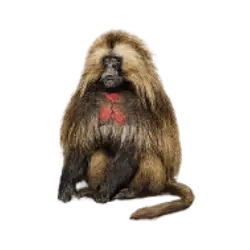
GeladaB
Troops of several hundred graze the meadows along the Simien escarpment between Sankaber and Chenek and let walkers sit within metres as they feed and squabble.
Spotting note: Guaranteed in the Simien Mountains; also at Guassa and Debre Libanos near Addis.
Read species guide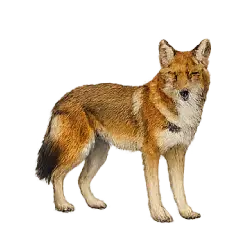
Ethiopian WolfB
The Sanetti plateau in Bale Mountains National Park holds the largest population, hunting giant mole-rats beside the highest all-weather road in Africa; a smaller group lives in the Simien.
Spotting note: Likely on a day on the Sanetti plateau; the Simien wolves are harder.
Read species guide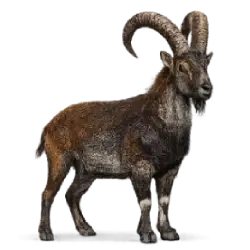
Walia IbexB
Found only in the Simien Mountains, where the Chenek camp area and the cliffs below Bwahit are the usual places to find them on the ledges at dawn.
Spotting note: Regular around Chenek with a scout; the population is under 1,000.
Read species guide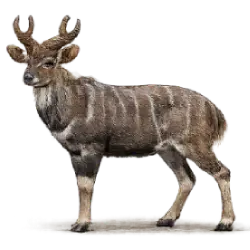
Mountain NyalaA
Lives only in the Bale highlands and Arsi mountains; the Gaysay grassland and Dinsho headquarters area of Bale park have habituated herds.
Spotting note: Near-certain at Dinsho and Gaysay.
Read species guide
Hamadryas BaboonB
The sacred baboon of ancient Egypt lives in big troops in the Awash and Afar lowlands and around the Rift Valley lakes, sleeping on cliffs in groups of hundreds.
Spotting note: Common in Awash National Park and the eastern lowlands.
Read species guide
LammergeierA
Bearded vultures patrol the Simien escarpment at eye level from the Chenek viewpoints, dropping bones onto rocks to break them.
Spotting note: Regular in the Simien and Bale highlands.
Read species guide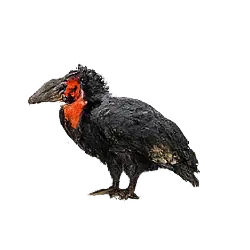
Abyssinian Ground HornbillC
Walks the savanna and farmland of the western and southern lowlands in pairs, a huge black bird with a blue and red throat.
Spotting note: Regular in Awash, Gambella and the south.
Read species guide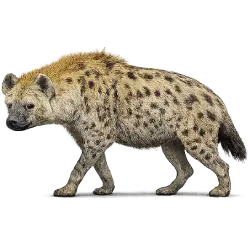
Spotted HyenaA
In Harar, hyena men feed wild hyenas by hand at the city walls every night, a tradition centuries old; wild clans also roam Awash and the Bale lowlands.
Spotting note: Guaranteed at Harar after dark; common in the lowland parks.
Read species guide
Grevy's ZebraA
The Alledeghi plains north of Awash hold Ethiopia's remaining Grevy's zebra, alongside Soemmerring's gazelle and ostrich.
Spotting note: Uncommon; a day trip from Awash with a guide.
Read species guide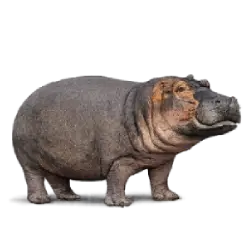
HippopotamusB
Pods live in Lake Tana near the Blue Nile outlet at Bahir Dar and in Lake Chamo at Arba Minch.
Spotting note: Regular on the Lake Tana and Lake Chamo boat trips.
Read species guide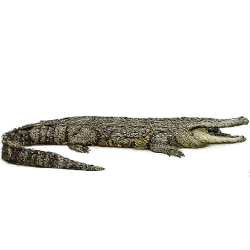
CrocodileC
Lake Chamo's 'crocodile market' is a shore where dozens of huge Nile crocodiles bask together, reached by boat from Arba Minch.
Spotting note: Guaranteed at Lake Chamo.
Read species guide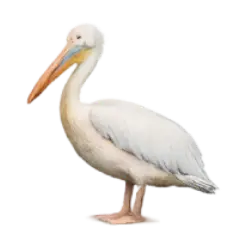
Great White PelicanC
Flocks fish the Rift Valley lakes, with Lake Ziway's harbour and Lake Tana's Bahir Dar shore giving close views.
Spotting note: Common on the Rift Valley lakes.
Read species guide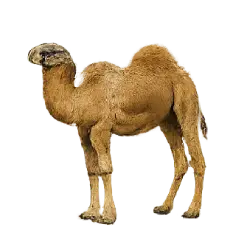
Dromedary CamelB
Afar caravans carry salt from the Danakil depression and camels graze the acacia scrub around Awash and Harar.
Spotting note: Guaranteed in the eastern lowlands; log as domestic.
Read species guide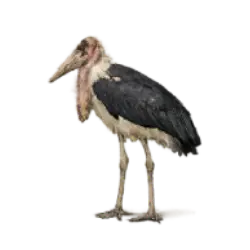
Marabou StorkC
Stands in flocks on the Lake Ziway and Hawassa fish-market shores and scavenges on the edge of every Rift Valley town.
Spotting note: Common around the lakes and towns.
Read species guideBest for
Use this section to decide whether the location fits your travel style, skill level, and AnimalDex goals.
- Trekkers who want geladas, ibex and vultures at 4,000 metres in the Simien Mountains.
- Wildlife travellers chasing the Ethiopian wolf and mountain nyala in Bale.
- Birders; over 860 species with 30-plus endemics.
- Culture-and-nature trips combining Lalibela, Harar's hyenas and the Rift Valley lakes.
Spotting tips
These tips are meant to make the page useful in the field, not just readable on the page.
- 01In the Simien, walk the escarpment between Sankaber and Chenek slowly; geladas are everywhere, and the scouts know where the ibex rest.
- 02Drive the Sanetti plateau road in Bale in the early morning and late afternoon when the wolves are hunting; stop and scan every few hundred metres.
- 03Hawassa's lakeside fish market at dawn has marabous, pelicans and hamerkops at arm's length.
- 04Altitude is real above 3,500 metres; give yourself a day to acclimatise in Debark or Dinsho before long walks.
Virtual Wildlife Guides
Wildlife guides to Ethiopia
AnimalDex builds virtual guides from explorers' own wild sightings: which animals they found, how rare they are, and when. A guide is advice from someone who has been there, not a tour. Buying one unlocks the author's notes for every animal, a chat with the author, and introductions to local people they met. Wildlife is never guaranteed.
Checking for virtual guides to Ethiopia...
How to choose a local wildlife guide in Ethiopia
- Ask what they usually find in the season you are visiting. A good guide gives an honest answer, not a promised sighting.
- Check how they treat animals: no baiting, calling in, handling, or close flash photography for a better shot.
- Confirm the meeting area, duration, group size, total price, and how you pay before the day, plus any permits or park fees the place requires.
Track the animals you find in Ethiopia
Build your collection while you travel through Ethiopia, from easy wins to the species worth planning around.
Related tier lists
These tier lists add broader context around the species that make this location interesting.
Rarest Animals in the World
A structured ranking of the rarest animals in the world, blending scarcity, vulnerability, and conservation pressure to answer the overlap between rarest and most endangered wildlife.
Read tier list100 Most Resilient Animals
Most resilient animals ranked by recovery, climate toughness, and staying functional under stress — not a copy of the strongest or most dangerous lists.
Read tier listRelated locations
Keep exploring with nearby or similar destinations that support the same kind of AnimalDex discovery.
Animals in Kenya: What You Can Spot, Learn, and Collect
A practical Kenya wildlife guide built around open-country species, clean visibility, and the animals that make East African travel feel immediately iconic.
Read location guideAnimals in Uganda: What You Can Spot, Learn, and Collect
Uganda wildlife guide: mountain gorillas in Bwindi, Kibale chimpanzees, shoebills at Mabamba swamp, Murchison Falls hippos and elephants, tree-climbing lions in Ishasha.
Read location guideAnimals in Egypt: What You Can Spot, Learn, and Collect
Egypt wildlife guide: dugongs and Napoleon wrasse on the Red Sea reefs, Sataya's spinner dolphins, Nubian ibex in Sinai, Fayoum flamingos and Nile kingfishers.
Read location guideLocation FAQ
Short direct answers to the questions travelers usually ask before choosing a wildlife destination or zoo day.
What wildlife is there in Ethiopia?
Endemic highland mammals including the gelada, Ethiopian wolf, walia ibex and mountain nyala; hamadryas baboons, Grevy's zebra and wild ass in the lowlands; hippos, crocodiles and pelicans on the Rift Valley lakes; and more than 860 bird species with over 30 endemics.
What animals can be found in Ethiopia?
About 280 mammal species including 31 found nowhere else, lions in the Bale and Gambella lowlands, elephants in Babile and Omo, spotted hyenas almost everywhere, and a bird list that includes lammergeiers, wattled ibis, blue-winged geese, Abyssinian ground hornbills and thick-billed ravens.
Where can you see the Ethiopian wolf?
The Sanetti plateau in Bale Mountains National Park, about 400 kilometres south-east of Addis Ababa, holds more than half the world's population and the wolves hunt in daylight beside the road. The Simien Mountains and Guassa plateau have smaller numbers.
Is Ethiopia a safari destination?
Not in the classic sense. Big game is limited to a few lowland parks such as Awash, Omo and Gambella, and infrastructure is basic. Ethiopia is instead the place for endemic highland animals and birds, trekking with geladas and the unique Harar hyena feeding.
How do I find a wildlife guide to Ethiopia?
Check the Wildlife Guides section on this page or browse Wildlife Guides on AnimalDex. Each one is a virtual guide built from an explorer's own wild sightings around Ethiopia: the animals they found, how rare they are, and when. It is advice from someone who has been there, not a tour. If you want someone with you on the day, compare local guides on wildlife knowledge, how they treat animals, and clear pricing before you go.