

Animals in Uganda: What You Can Spot, Learn, and Collect
Uganda wildlife guide: mountain gorillas in Bwindi, Kibale chimpanzees, shoebills at Mabamba swamp, Murchison Falls hippos and elephants, tree-climbing lions in Ishasha.
Quick answer
Start with the direct answer, then use the sections below to see why the location matters and which animals are actually realistic to spot there.
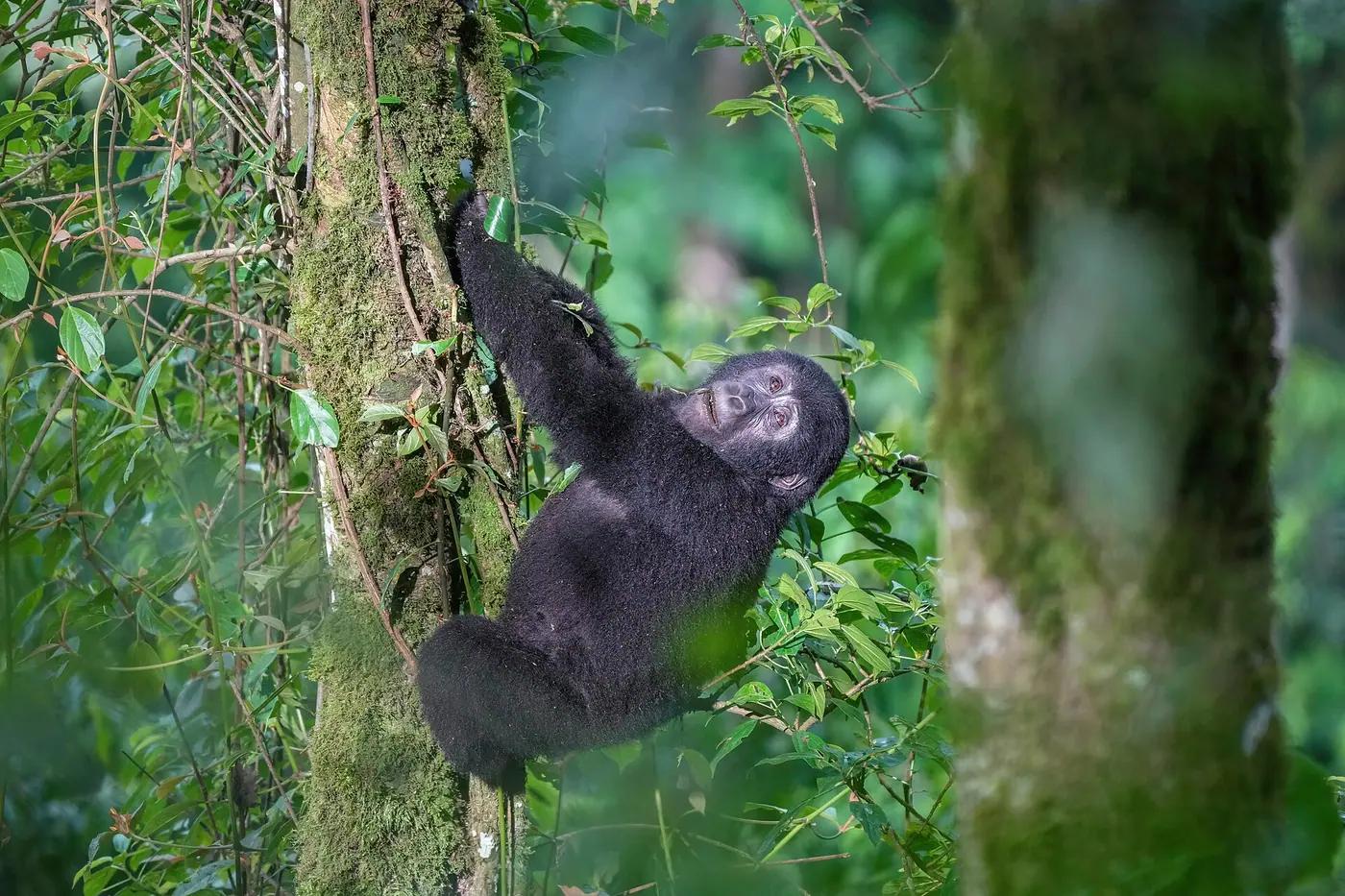
Uganda is the primate capital of Africa: about half the world's mountain gorillas live in Bwindi Impenetrable Forest, Kibale has the easiest chimpanzee tracking anywhere, and Queen Elizabeth and Murchison Falls add classic savanna game with hippos, elephants, Uganda kob and tree-climbing lions. Mabamba swamp on Lake Victoria is the most reliable place on earth to see a shoebill.
Uganda sits where the East African savanna meets the Congo rainforest, which is why its species list is so long for a small country. In one trip you can track gorillas in misty bamboo at 2,500 metres, watch chimpanzees drum on tree buttresses in Kibale, boat under Murchison Falls past hundreds of hippos, and paddle a canoe into a papyrus swamp an hour from Kampala to find a shoebill.
The capital itself has wildlife: marabou storks nest on Kampala's office blocks, grey crowned cranes feed on the wetlands at the city edge, and Entebbe Botanical Gardens has black-and-white colobus and vervets in the trees above the lake.
Why this location matters
Good location pages explain why the place is worth your time, not just which names belong on a destination checklist.
Mountain gorillas are the great conservation success of the region, up from about 250 to over 1,000, and gorilla permits fund the parks and the communities around Bwindi. Spending an hour with a family is the best way a visitor can support that.
Uganda also protects the shoebill, Africa's strangest bird, in the wetlands of Lake Victoria and the Nile, where a single prehistoric-looking bird standing in the papyrus is the reason many birders fly in.
Where to look
Wildlife map of Uganda
This guide covers the region shown below. Zoom in to get your bearings before planning a trip.
Positions are geocoded from OpenStreetMap. Habitat access and opening times change — check locally before travelling.
Animals to spot
These are intentionally practical species picks, balancing accessibility, excitement, and what travelers can realistically notice in the location.
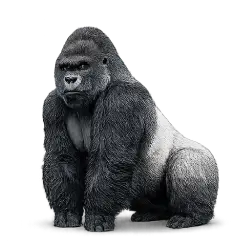
Mountain GorillaA
Bwindi Impenetrable National Park has over 20 habituated families across the Buhoma, Ruhija, Rushaga and Nkuringo sectors, and Mgahinga adds one more on the Virunga slopes.
Spotting note: Guaranteed with a permit; the hike can take one to six hours.
Read species guide
ChimpanzeeA
Kibale National Park has about 1,500 chimps and the most reliable tracking in Africa; Kyambura gorge in Queen Elizabeth and Budongo forest near Murchison are the alternatives.
Spotting note: Over 90 percent success at Kibale; Ngamba Island sanctuary on Lake Victoria guarantees a look at rescued chimps.
Read species guide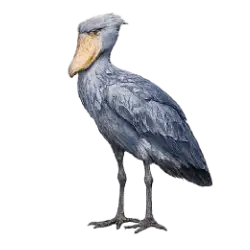
ShoebillB
Mabamba swamp near Entebbe is the easiest shoebill site in the world, reached by motorised canoe through the papyrus channels; the Nile delta in Murchison Falls is the second.
Spotting note: High odds at Mabamba with a local guide in the morning.
Read species guide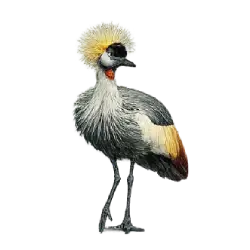
Grey Crowned CraneC
Uganda's national bird dances in pairs on wetland edges across the country, including the marshes along the Kampala to Entebbe road.
Spotting note: Common in wetlands; declining, so every sighting counts.
Read species guide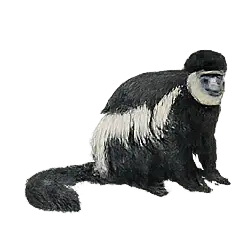
Black-and-white ColobusC
Leaps through the canopy of Kibale, Bwindi and Entebbe Botanical Gardens with its white cape streaming behind it.
Spotting note: Common in forest parks and at Entebbe Botanical Gardens.
Read species guide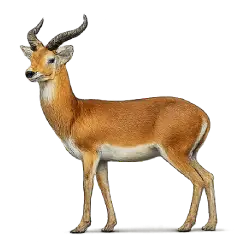
Ugandan KobB
The antelope on the national coat of arms crowds the Kasenyi plains of Queen Elizabeth and the Buligi grasslands of Murchison, with males holding breeding leks.
Spotting note: Abundant in both savanna parks.
Read species guide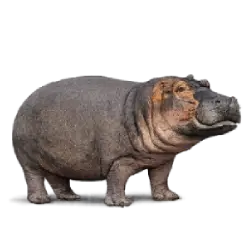
HippopotamusB
The Kazinga Channel in Queen Elizabeth and the Nile below Murchison Falls hold some of the densest hippo populations in Africa, viewed from launch cruises.
Spotting note: Guaranteed on the Kazinga and Murchison boat trips.
Read species guide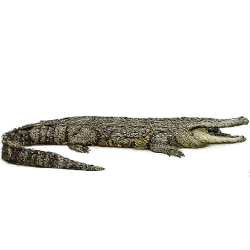
CrocodileC
Huge Nile crocodiles line the banks of the Victoria Nile below Murchison Falls, mouths open in the sun.
Spotting note: Common on the Murchison launch trip.
Read species guide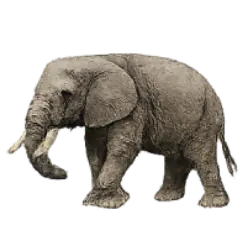
African Bush ElephantS
Murchison and Queen Elizabeth herds are recovering strongly, and Kidepo in the far north-east has big-tusked bulls on the Narus valley.
Spotting note: Common in all three savanna parks.
Read species guide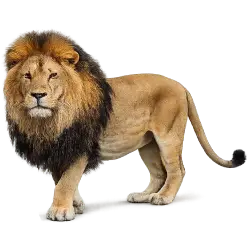
LionB
The Ishasha sector of Queen Elizabeth is famous for lions that rest in fig trees through the heat of the day; Murchison and Kidepo have conventional prides.
Spotting note: Regular in Ishasha, Murchison and Kidepo; the tree-climbers need patience.
Read species guide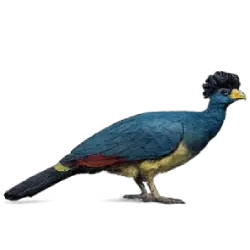
Great Blue TuracoC
A turkey-sized blue bird with a black crest that glides between fruiting trees in Kibale, Bwindi, Mabira and even Entebbe gardens.
Spotting note: Common in forest; loud and conspicuous.
Read species guide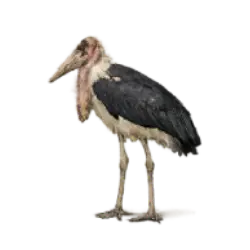
Marabou StorkC
Kampala's unofficial city bird, nesting on trees along the main roads and office blocks and scavenging at the markets.
Spotting note: Abundant in Kampala; impossible to miss.
Read species guide
Olive BaboonC
Troops sit on the road verges at the Murchison and Queen Elizabeth gates and work the forest edge in Kibale, bold and best not fed.
Spotting note: Common in all the parks; keep car windows up.
Read species guide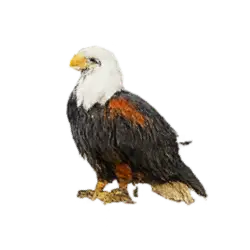
African Fish EagleB
Pairs call from dead trees along the Kazinga Channel, the Nile and Lake Mburo, and dive for tilapia beside the boats.
Spotting note: Common on all the big lakes and rivers.
Read species guideBest for
Use this section to decide whether the location fits your travel style, skill level, and AnimalDex goals.
- Primate trips: gorillas, chimpanzees, golden monkeys and colobus in one itinerary.
- Birders chasing the shoebill, green-breasted pitta and 1,000-plus species.
- Travellers who want savanna game and rainforest without flying between countries.
- Families using Entebbe as a base for Mabamba, Ngamba Island and the botanical gardens.
Spotting tips
These tips are meant to make the page useful in the field, not just readable on the page.
- 01Book gorilla permits months ahead and choose the Bwindi sector by fitness level: Buhoma and Ruhija are usually shorter hikes than Rushaga and Nkuringo.
- 02At Mabamba, go early with a community guide; shoebills stand still in the papyrus and the boat has to approach slowly and quietly.
- 03In Queen Elizabeth, take the afternoon Kazinga Channel cruise for hippos, buffalo, elephants and dozens of waterbirds at close range.
- 04Wear long trousers and gaiters in Kibale and Bwindi; the trails are steep and the ants and nettles are real.
Virtual Wildlife Guides
Wildlife guides to Uganda
AnimalDex builds virtual guides from explorers' own wild sightings: which animals they found, how rare they are, and when. A guide is advice from someone who has been there, not a tour. Buying one unlocks the author's notes for every animal, a chat with the author, and introductions to local people they met. Wildlife is never guaranteed.
Checking for virtual guides to Uganda...
How to choose a local wildlife guide in Uganda
- Ask what they usually find in the season you are visiting. A good guide gives an honest answer, not a promised sighting.
- Check how they treat animals: no baiting, calling in, handling, or close flash photography for a better shot.
- Confirm the meeting area, duration, group size, total price, and how you pay before the day, plus any permits or park fees the place requires.
Track the animals you find in Uganda
Build your collection while you travel through Uganda, from easy wins to the species worth planning around.
Related tier lists
These tier lists add broader context around the species that make this location interesting.
100 Smartest Animals Ranked
Animal intelligence ranking of 100 smartest animals, using AnimalDex intelligence profiles and a clear note that social skill, tool use, and solitary problem solving are different jobs.
Read tier listRarest Animals in the World
A structured ranking of the rarest animals in the world, blending scarcity, vulnerability, and conservation pressure to answer the overlap between rarest and most endangered wildlife.
Read tier listRelated locations
Keep exploring with nearby or similar destinations that support the same kind of AnimalDex discovery.
Animals in Rwanda: What You Can Spot, Learn, and Collect
Rwanda wildlife guide: mountain gorillas and golden monkeys in Volcanoes NP, Nyungwe chimpanzees and colobus, Akagera's reintroduced lions and rhinos.
Read location guideAnimals in Kenya: What You Can Spot, Learn, and Collect
A practical Kenya wildlife guide built around open-country species, clean visibility, and the animals that make East African travel feel immediately iconic.
Read location guideAnimals in Tanzania: What You Can Spot, Learn, and Collect
A practical Tanzania wildlife guide built around open-country density, famous safari mammals, and the supporting species that make the trip feel biologically complete.
Read location guideLocation FAQ
Short direct answers to the questions travelers usually ask before choosing a wildlife destination or zoo day.
What wildlife is there in Uganda?
Mountain gorillas in Bwindi and Mgahinga, chimpanzees in Kibale and Budongo, 13 primate species in all, savanna game including elephants, hippos, lions, buffalo and Uganda kob in Murchison Falls and Queen Elizabeth, and over 1,000 bird species headlined by the shoebill.
What animals can be found in Uganda?
About 340 mammal species and more than 1,000 birds. The signature animals are the mountain gorilla, chimpanzee, shoebill, grey crowned crane, Uganda kob, Rothschild's giraffe (in Murchison) and the tree-climbing lions of Ishasha.
Is Uganda or Rwanda better for gorilla trekking?
Uganda has far more habituated families and cheaper permits, and Bwindi's forest is wilder; Rwanda's Volcanoes park is closer to the airport and the treks are often shorter. Many people do Bwindi from Kigali, which is only four or five hours away.
Where can you see a shoebill in Uganda?
Mabamba swamp on the Lake Victoria shore near Entebbe is the most reliable site, by canoe with a local guide in the morning. The Nile delta in Murchison Falls National Park and Lake Mburo's Rubanga swamp are the other options.
How do I find a wildlife guide to Uganda?
Check the Wildlife Guides section on this page or browse Wildlife Guides on AnimalDex. Each one is a virtual guide built from an explorer's own wild sightings around Uganda: the animals they found, how rare they are, and when. It is advice from someone who has been there, not a tour. If you want someone with you on the day, compare local guides on wildlife knowledge, how they treat animals, and clear pricing before you go.