

Animals in French Guiana: What You Can Spot, Learn, and Collect
Wildlife in French Guiana: leatherback turtles at Awala-Yalimapo, black caimans and hoatzins at Kaw, cock-of-the-rock, sloths, jaguars and the Cayenne zoo.
Quick answer
Start with the direct answer, then use the sections below to see why the location matters and which animals are actually realistic to spot there.
French Guiana is 95 percent intact rainforest on the Guiana Shield. Leatherback, green and olive ridley turtles nest on the Awala-Yalimapo beaches, the Kaw marsh has black caimans, hoatzins and scarlet ibis from a boat, the forest around the Nouragues and Trésor reserves holds Guianan cock-of-the-rock, capuchinbirds, sloths, sakis and jaguars, and the Zoo de Guyane outside Cayenne shows the species you will not find on your own.
This is France's Amazon: a European overseas department with euro prices, good roads along the coast and an interior of unbroken forest reachable only by river. The combination makes it one of the easiest places to see Guiana Shield wildlife, from the turtle beaches in the west to the Kaw wetlands east of Cayenne.
The coast is the gateway. Cayenne has the zoo and the Montagne des Singes trails, Kaw is a two-hour drive and a boat, and Awala-Yalimapo on the Surinamese border is the turtle capital. For the deep forest, carbets (hammock camps) on the Approuague and Maroni rivers put you among monkeys, macaws and jaguars.
Why this location matters
Good location pages explain why the place is worth your time, not just which names belong on a destination checklist.
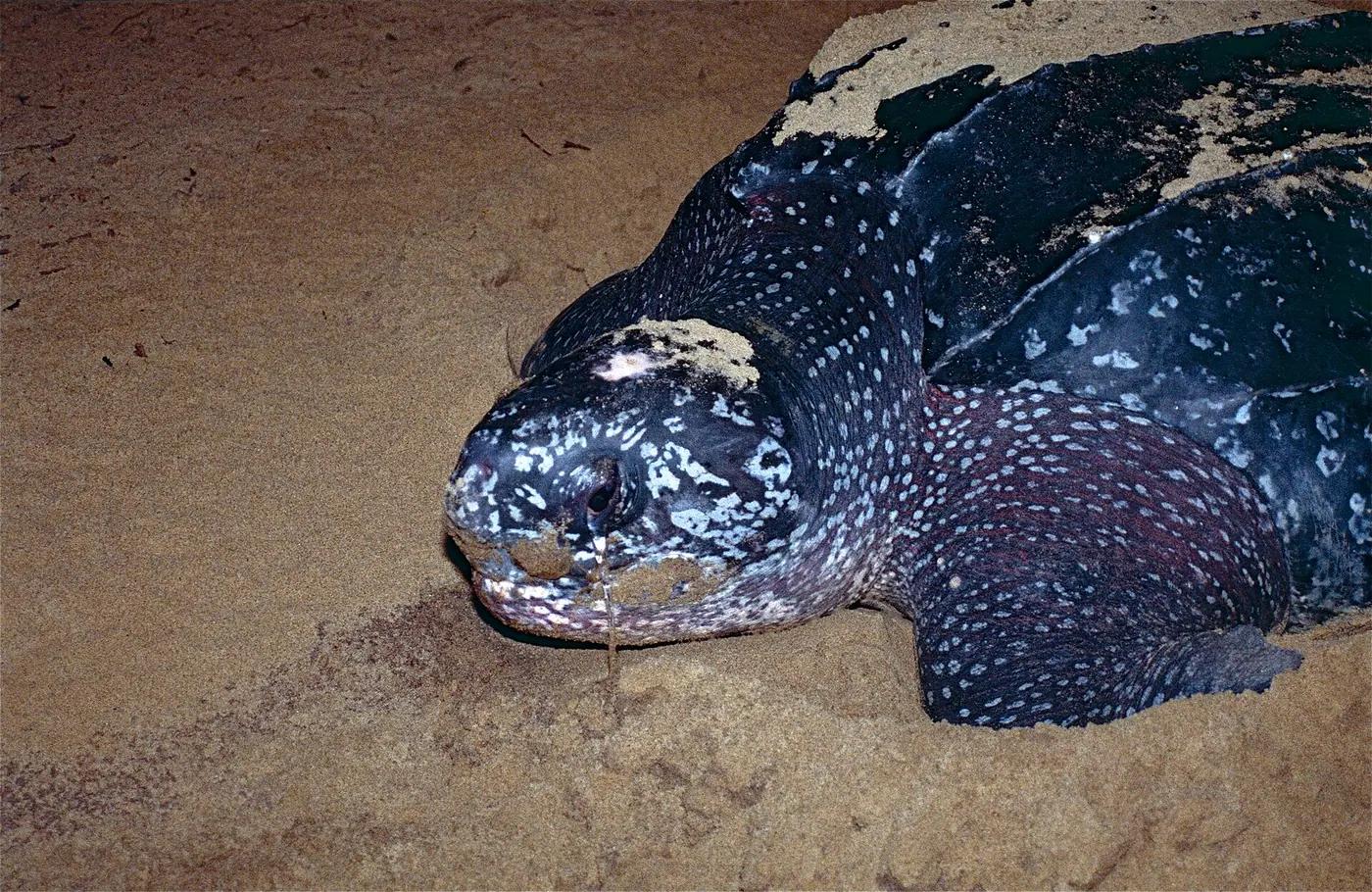
Awala-Yalimapo was once the largest leatherback nesting beach in the world and still hosts thousands of nests a season, alongside greens and olive ridleys. It is one of very few places to see three sea turtle species nesting on one beach.
The Guiana Shield fauna, from the cock-of-the-rock to the goliath birdeater, is unlike the western Amazon, and French Guiana is its most accessible, safest corner. Collectors who log it fill a gap most South American trips leave empty.
Where to look
Wildlife map of French Guiana
This guide covers the region shown below. Zoom in to get your bearings before planning a trip.
Positions are geocoded from OpenStreetMap. Habitat access and opening times change — check locally before travelling.
Animals to spot
These are intentionally practical species picks, balancing accessibility, excitement, and what travelers can realistically notice in the location.
Leatherback Sea TurtleB
Leatherbacks nest in their thousands on the Awala-Yalimapo and Rémire-Montjoly beaches from April to July.
Spotting note: Near-certain on a night beach walk in May and June.
Read species guide
Green Sea TurtleC
Green turtles share the Awala-Yalimapo nesting beach and come ashore later in the season than the leatherbacks.
Spotting note: Likely from June to August at Awala-Yalimapo.
Read species guide
Olive Ridley Sea TurtleC
Olive ridleys nest on the Cayenne peninsula beaches at Rémire-Montjoly, within sight of the city.
Spotting note: Regular June to August on the Montjoly beaches.
Read species guide
Black CaimanA
The Kaw marsh is one of the last strongholds of the black caiman, with big adults floating in the channels on night boat trips.
Spotting note: Likely on a Kaw night excursion.
Read species guide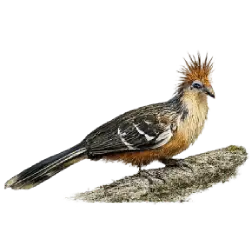
HoatzinD
Hoatzins clamber through the Kaw marsh vegetation in noisy groups, grunting from the floating meadows.
Spotting note: Guaranteed at Kaw.
Read species guide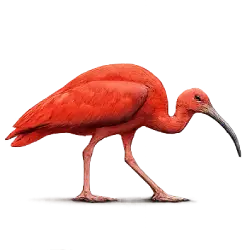
Scarlet IbisC
Scarlet ibis roost in the mangroves of the Kaw and Mahury estuaries and feed on the mudflats at low tide.
Spotting note: Regular on the Kaw and Cayenne estuaries.
Read species guide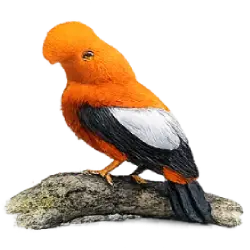
Guianan Cock-of-the-rockC
Orange males display at leks on the forested inselbergs of the Nouragues reserve and along the Kaw mountain road.
Spotting note: Likely with a guide to a known lek; occasional on the Kaw road at dawn.
Read species guide
CapuchinbirdC
The bizarre bald-headed cotinga moos from leks in the tall forest of the Guiana Shield interior.
Spotting note: Uncommon; forest carbets on the Approuague give the best chance.
Read species guide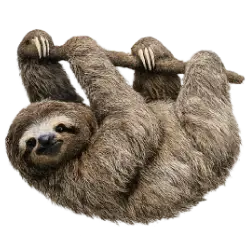
Three-toed SlothD
Sloths hang in the roadside trees around Cayenne and Kourou and are regularly rescued from the city's power lines.
Spotting note: Common on the coast; scan cecropia trees.
Read species guide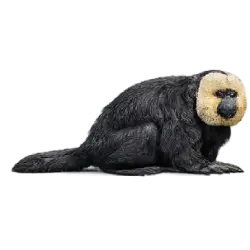
White-faced SakiC
Pale-faced male sakis leap through the mid-canopy of the forest around Saül and the Trésor reserve.
Spotting note: Uncommon; forest treks in the interior.
Read species guide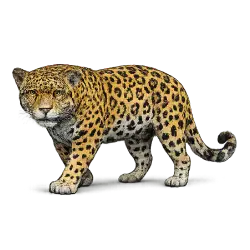
JaguarA
Jaguars are still widespread in the interior forest and are seen occasionally on river beaches of the Approuague and Maroni.
Spotting note: Rare; tracks on river sandbanks are the realistic sighting.
Read species guide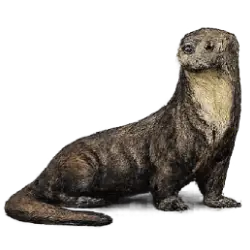
Giant OtterB
Giant otters fish the upper Approuague and Maroni rivers in family groups.
Spotting note: Uncommon; multi-day river trips to the interior.
Read species guide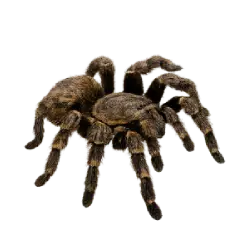
Goliath BirdeaterD
The world's heaviest spider lives in burrows on the forest floor across French Guiana and emerges at night.
Spotting note: Likely on a guided night walk; your guide will know a burrow.
Read species guide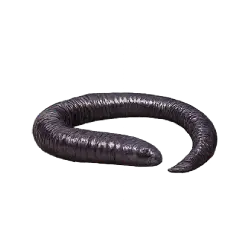
Cayenne CaecilianD
The legless amphibian named after the capital lives in the mud of streams and swamps along the coast.
Spotting note: Rare; turned up by digging in wet soil or after heavy rain.
Read species guideBest for
Use this section to decide whether the location fits your travel style, skill level, and AnimalDex goals.
- Three sea turtle species nesting on one beach
- Night boat trips for black caimans at Kaw
- Guiana Shield specialities like cock-of-the-rock and capuchinbird
- Hammock camps on the forest rivers
Spotting tips
These tips are meant to make the page useful in the field, not just readable on the page.
- 01Visit Awala-Yalimapo in May or June and walk the beach after 21:00 with the Kulalasi association guides; red torches only.
- 02Book a Kaw marsh tour that includes the night return; caimans, potoos and fishing bats appear only after dark.
- 03Drive the Route de Kaw at dawn and stop at the viewpoints; cock-of-the-rock, toucans and macaws cross the road.
- 04The Zoo de Guyane at Macouria is the realistic place for jaguars, tapirs, harpy eagles and sakis before you head into the forest.
Virtual Wildlife Guides
Wildlife guides to French Guiana
AnimalDex builds virtual guides from explorers' own wild sightings: which animals they found, how rare they are, and when. A guide is advice from someone who has been there, not a tour. Buying one unlocks the author's notes for every animal, a chat with the author, and introductions to local people they met. Wildlife is never guaranteed.
Checking for virtual guides to French Guiana...
How to choose a local wildlife guide in French Guiana
- Ask what they usually find in the season you are visiting. A good guide gives an honest answer, not a promised sighting.
- Check how they treat animals: no baiting, calling in, handling, or close flash photography for a better shot.
- Confirm the meeting area, duration, group size, total price, and how you pay before the day, plus any permits or park fees the place requires.
Track the animals you find in French Guiana
Build your collection while you travel through French Guiana, from easy wins to the species worth planning around.
Related tier lists
These tier lists add broader context around the species that make this location interesting.
Biggest Animals in the World
A structured ranking of the biggest animals in the world, using the AnimalDex size stat to compare body scale across sea, land, and air.
Read tier listRelated locations
Keep exploring with nearby or similar destinations that support the same kind of AnimalDex discovery.
Animals in Guyana: What You Can Spot, Learn, and Collect
Wildlife in Guyana: harpy eagles and giant otters in the Rupununi, giant anteaters, arapaima, black caimans, cock-of-the-rock at Kaieteur and the hoatzin.
Read location guideAnimals in the Amazon Rainforest: What You Can Spot, Learn, and Collect
What animals live in the Amazon rainforest: pink river dolphins, sloths, macaws, hoatzins, caimans and giant otters, and how realistic a jaguar sighting is.
Read location guideAnimals in Trinidad and Tobago: What You Can Spot, Learn, and Collect
Wildlife in Trinidad and Tobago: scarlet ibis at Caroni swamp, leatherback turtles at Grande Riviere, oilbirds and hummingbirds at Asa Wright, Tobago's reefs.
Read location guideLocation FAQ
Short direct answers to the questions travelers usually ask before choosing a wildlife destination or zoo day.
What wildlife is there in French Guiana?
Leatherback, green and olive ridley turtles on the beaches; black caimans, hoatzins, scarlet ibis and giant otters in the wetlands and rivers; sloths, sakis, howlers, tapirs and jaguars in the forest; Guianan cock-of-the-rock and capuchinbirds at forest leks; and goliath birdeaters, giant centipedes and poison frogs on the forest floor.
What animals can be found in French Guiana?
Easily: sloths and hoatzins, caimans at Kaw, turtles in nesting season and the Cayenne zoo's collection. With a guide: cock-of-the-rock leks and goliath birdeaters at night. With a river expedition: giant otters, sakis and the chance of a jaguar.
When is turtle nesting season in French Guiana?
Leatherbacks nest from roughly March to July with a peak in May and June; green turtles from May to August; olive ridleys in June and July. Awala-Yalimapo in the west and the Rémire-Montjoly beaches near Cayenne are the main sites.
Is French Guiana safe for wildlife travel?
Yes. It is a French department with EU standards, good coastal roads and organised tourism at Kaw and Awala-Yalimapo. The interior needs a guide and a boat, and yellow fever vaccination is compulsory for entry.
How do I find a wildlife guide to French Guiana?
Check the Wildlife Guides section on this page or browse Wildlife Guides on AnimalDex. Each one is a virtual guide built from an explorer's own wild sightings around French Guiana: the animals they found, how rare they are, and when. It is advice from someone who has been there, not a tour. If you want someone with you on the day, compare local guides on wildlife knowledge, how they treat animals, and clear pricing before you go.