

Animals in Georgia (USA): What You Can Spot, Learn, and Collect
Georgia wildlife guide: Okefenokee alligators and sandhill cranes, Cumberland Island's loggerhead turtles and wild horses, gopher tortoises, Atlanta's backyard birds and the Georgia Aquarium's whale sharks.
Quick answer
Start with the direct answer, then use the sections below to see why the location matters and which animals are actually realistic to spot there.
Georgia's wildlife peaks in the south: the Okefenokee Swamp has thousands of alligators, resident sandhill cranes and wood storks, and Cumberland Island's beaches host nesting loggerhead turtles beside feral horses and armadillos. Statewide, white-tailed deer, cardinals, anoles and tiger swallowtails fill Atlanta's suburbs, and the Georgia Aquarium is the only place outside Asia to see whale sharks.
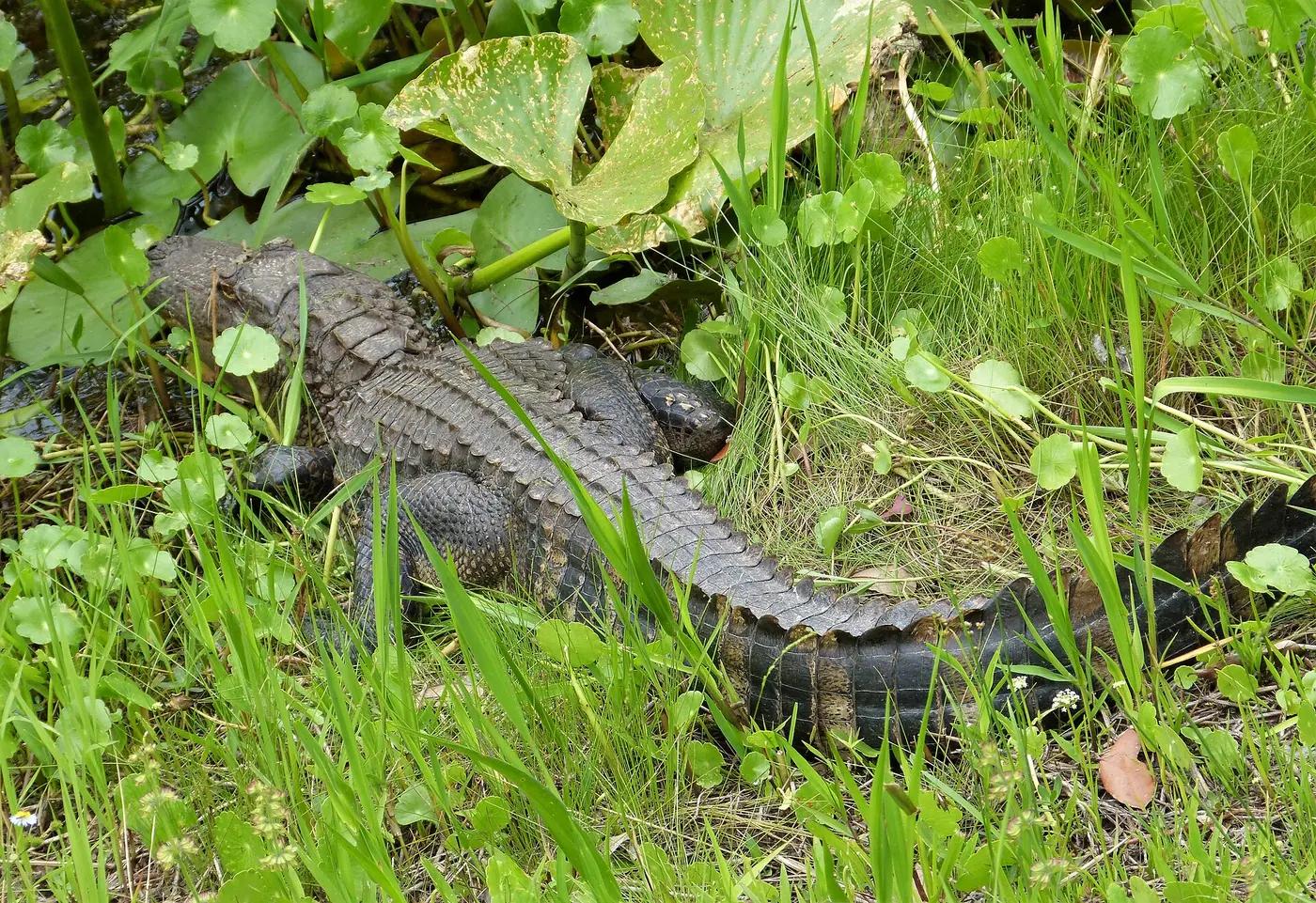
The Okefenokee is the largest blackwater swamp in North America, 400,000 acres of cypress, prairie and peat where the water is the colour of tea and alligators float in it like logs. The Suwannee Canal, Stephen C. Foster State Park and the Okefenokee Swamp Park at Waycross all put you on the water.
On the coast, the barrier islands do the rest: Cumberland Island's 18 miles of empty beach, Jekyll Island's sea turtle centre and the Altamaha delta's wood stork colonies make Georgia's hundred miles of shoreline punch far above its length.
Why this location matters
Good location pages explain why the place is worth your time, not just which names belong on a destination checklist.
Georgia's loggerhead nesting has climbed from a few hundred nests a year in the early 2000s to records above 4,000, thanks to decades of nest protection on Cumberland, Jekyll, Sapelo and Blackbeard islands.
The Georgia Aquarium in Atlanta is the largest in the Western Hemisphere and the only aquarium in the Americas with whale sharks and manta rays, which makes an Atlanta stopover a genuine marine-life day.
Where to look
Wildlife map of Georgia
This guide covers the region shown below. Zoom in to get your bearings before planning a trip.
Positions are geocoded from OpenStreetMap. Habitat access and opening times change — check locally before travelling. Smaller pins are public AnimalDex captures, placed to the nearest kilometre.
Field proof
Found in Georgia by AnimalDex users
Real captures logged in the AnimalDex app inside this area and shared publicly by their collectors, with the animal confirmed by the app's identification. Places are shown to the nearest region, never the exact spot.
- 1
- public captures
- 1
- species recorded
- 1
- collectors
- 1
- wild sightings
Recent captures from the field
Species people have actually logged here
Every name links to its species guide. The count is how many public captures of that animal sit inside this area.
Collectors choose to share these captures on Discover and can withdraw them at any time. Coordinates are rounded to about a kilometre and refreshed with each site build.
Animals to spot
These are intentionally practical species picks, balancing accessibility, excitement, and what travelers can realistically notice in the location.
American AlligatorB
The Okefenokee holds an estimated 12,000 alligators, and the Suwannee Canal boat tours and the Chesser Island boardwalk put them beside the trail.
Spotting note: Guaranteed in the Okefenokee from March to October.
Read species guide
Gopher TortoiseD
Georgia's state reptile digs its burrows in the sandhills of the Okefenokee rim, Fort Stewart and the Fall Line sandhills near Augusta.
Spotting note: Common in longleaf pine sandhills on warm mornings.
Read species guide
Eastern Indigo SnakeC
Southern Georgia's sandhills are the species' last natural stronghold outside Florida, where it winters in gopher tortoise burrows.
Spotting note: Rare; the Orianne Society's Alapaha River preserve and Fort Stewart are the best known sites.
Read species guide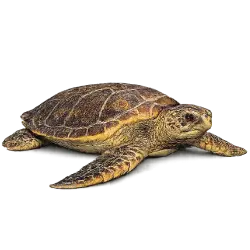
Loggerhead Sea TurtleC
Nests on Cumberland, Jekyll, Sapelo and the other barrier islands from May to August, and the Georgia Sea Turtle Center on Jekyll rehabilitates injured adults.
Spotting note: Nesting May to August; guided night walks on Jekyll in June and July.
Read species guide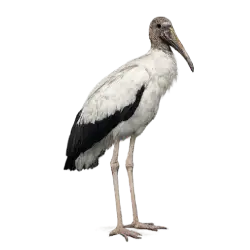
Wood StorkC
Nests in colonies at Harris Neck National Wildlife Refuge and feeds in the Okefenokee prairies, bald head and all.
Spotting note: Reliable at Harris Neck from March to July.
Read species guide
Sandhill CraneC
A non-migratory Florida sandhill population breeds in the Okefenokee's open prairies, and northern migrants join them in winter.
Spotting note: Common on Chesser Prairie from the boardwalk tower, year-round.
Read species guide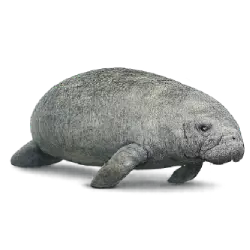
ManateeC
Summers in Cumberland Sound, the Brunswick River and the Savannah River, and the Kings Bay submarine base has a resident group.
Spotting note: Uncommon; check marinas around St. Marys and Brunswick from May to September.
Read species guide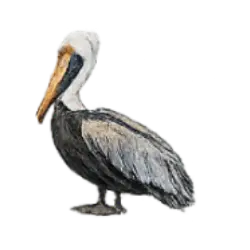
Brown PelicanC
Lines the Tybee Island pier and the Jekyll fishing pier, and nests on the sandbars of the Altamaha delta.
Spotting note: Guaranteed along the coast.
Read species guide
White-tailed DeerC
Cumberland Island's deer graze among the wild horses on the dune meadows, and the state's million-plus herd browses every Atlanta suburb at dusk.
Spotting note: Guaranteed at dawn and dusk statewide.
Read species guide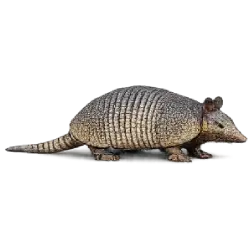
Nine-banded ArmadilloD
Roots along Cumberland Island's live-oak trails in broad daylight and has spread north to the Atlanta suburbs.
Spotting note: Common on Cumberland and across south Georgia; often seen by day on the island.
Read species guide
Green AnoleE
Flashes a pink dewlap from Atlanta porch rails and Savannah garden walls, and is one of the most-logged southeastern reptiles in AnimalDex.
Spotting note: Common from April to October anywhere with shrubs.
Read species guide
Northern CardinalD
The red bird of every Georgia feeder and hedgerow, singing from Piedmont Park to the Okefenokee visitor centre.
Spotting note: Guaranteed year-round.
Read species guide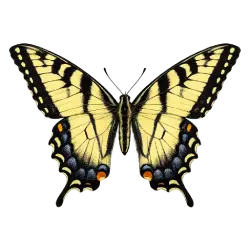
Eastern Tiger SwallowtailE
The state butterfly, drifting over Atlanta gardens and swamp edges from March to October and puddling on wet sand along the Okefenokee canals.
Spotting note: Common in warm months.
Read species guide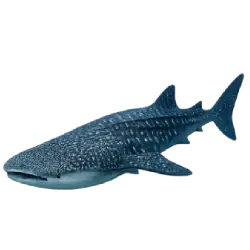
Whale SharkA
The Georgia Aquarium in Atlanta keeps whale sharks in its 6.3-million-gallon Ocean Voyager tank, the only place in the Americas to see one.
Spotting note: Guaranteed at the Georgia Aquarium on any open day.
Read species guideBest for
Use this section to decide whether the location fits your travel style, skill level, and AnimalDex goals.
- Okefenokee alligators, cranes and storks by boat
- Cumberland Island's turtles, horses and armadillos
- Backyard wildlife and spring migration around Atlanta
- Whale sharks and mantas at the Georgia Aquarium
Spotting tips
These tips are meant to make the page useful in the field, not just readable on the page.
- 01Enter the Okefenokee at the east entrance near Folkston for the Chesser Island boardwalk and canal boat tours, or at Stephen C. Foster State Park on the west side for the darkest sky and the most alligators.
- 02Cumberland Island needs a ferry reservation from St. Marys weeks ahead; walk the Dungeness trail at dawn for horses, deer, armadillos and turkeys together.
- 03Join a permitted turtle walk through the Georgia Sea Turtle Center on Jekyll Island in June or July; red lights only on the beach.
- 04In Atlanta, the Chattahoochee River National Recreation Area trails give deer, herons, anoles and swallowtails within the city, and Piedmont Park's spring migration is underrated.
Virtual Wildlife Guides
Wildlife guides to Georgia
AnimalDex builds virtual guides from explorers' own wild sightings: which animals they found, how rare they are, and when. A guide is advice from someone who has been there, not a tour. Buying one unlocks the author's notes for every animal, a chat with the author, and introductions to local people they met. Wildlife is never guaranteed.
Checking for virtual guides to Georgia...
How to choose a local wildlife guide in Georgia
- Ask what they usually find in the season you are visiting. A good guide gives an honest answer, not a promised sighting.
- Check how they treat animals: no baiting, calling in, handling, or close flash photography for a better shot.
- Confirm the meeting area, duration, group size, total price, and how you pay before the day, plus any permits or park fees the place requires.
Track the animals you find in Georgia
Build your collection while you travel through Georgia, from easy wins to the species worth planning around.
Related tier lists
These tier lists add broader context around the species that make this location interesting.
Biggest Animals in the World
A structured ranking of the biggest animals in the world, using the AnimalDex size stat to compare body scale across sea, land, and air.
Read tier listRelated locations
Keep exploring with nearby or similar destinations that support the same kind of AnimalDex discovery.
Animals in the United States: What You Can Spot, Learn, and Collect
A practical United States wildlife guide built around habitat variety, from wetlands and coastlines to migration corridors and iconic American species.
Read location guideAnimals in Florida: What You Can Spot, Learn, and Collect
Florida wildlife guide: Everglades alligators and crocodiles, manatees at Crystal River and Blue Spring, roseate spoonbills, Kissimmee eagles, nesting sea turtles and the anoles on every fence.
Read location guideAnimals in Alabama: What You Can Spot, Learn, and Collect
Alabama wildlife guide: alligators and gar in the Mobile-Tensaw Delta, Dauphin Island spring migration, gopher tortoises and indigo snakes in the pine woods, and the squirrels and hornets of Prattville backyards.
Read location guideLocation FAQ
Short direct answers to the questions travelers usually ask before choosing a wildlife destination or zoo day.
What wildlife is there in Georgia (USA)?
Alligators, sandhill cranes, wood storks and black bears in the Okefenokee; loggerhead turtles, manatees, dolphins and feral horses on the barrier islands; gopher tortoises and indigo snakes in the sandhills; and deer, cardinals, anoles and swallowtails in every suburb.
What animals can be found in Georgia's Okefenokee Swamp?
Around 12,000 alligators, resident sandhill cranes, wood storks, herons, egrets, barred owls, black bears, river otters and a long list of turtles, snakes and frogs. The boardwalks and canal boat tours give the easiest views.
Are there wild horses on Cumberland Island?
Yes, a feral herd of roughly 150 horses roams freely on Cumberland Island National Seashore. They are unmanaged and should be given at least 50 feet of space.
Is the Georgia Aquarium worth it for wildlife?
Yes. It is the only aquarium in the Western Hemisphere with whale sharks and holds manta rays, beluga whales and sea lions, so it fills an Atlanta day with species no wild Georgia site can.
Have AnimalDex users found animals in Georgia?
Yes. AnimalDex users have publicly logged 1 captures of 1 different species in Georgia, including northern mockingbird. Each one was photographed in the app at the moment of the sighting.
How do I find a wildlife guide to Georgia?
Check the Wildlife Guides section on this page or browse Wildlife Guides on AnimalDex. Each one is a virtual guide built from an explorer's own wild sightings around Georgia: the animals they found, how rare they are, and when. It is advice from someone who has been there, not a tour. If you want someone with you on the day, compare local guides on wildlife knowledge, how they treat animals, and clear pricing before you go.