Animals in the United States: What You Can Spot, Learn, and Collect
A practical United States wildlife guide built around habitat variety, from wetlands and coastlines to migration corridors and iconic American species.
Quick answer
Start with the direct answer, then use the sections below to see why the location matters and which animals are actually realistic to spot there.
The United States is strong because it works almost everywhere. Eagles, alligators, butterflies, owls, and dolphins show how a trip can stay biologically interesting across wetlands, roads, coasts, and everyday travel infrastructure.
The United States is too broad for one wildlife stereotype.
Wetlands, national parks, suburbs, coasts, and migration routes all produce different results.
Why this location matters
Good location pages explain why the place is worth your time, not just which names belong on a destination checklist.
The country makes accessible wildlife feel valuable rather than second-tier.
It rewards mixed travel styles because animal discovery can happen alongside many other trips.
Where to find each animal in United States
The lower 48 divide cleanly for wildlife: eastern hardwood forest, the Great Plains through the middle, the Rockies down the west, Gulf and Everglades wetlands in the south-east, cold Pacific water offshore, and the metro corridors where raccoons and hawks have adapted.
Habitat zone
Eastern woodlands
Oak, hickory and second-growth forest from the Appalachians to the coastal plain.
10 animals mapped here
Habitat zone
Great Plains
Short and tall-grass prairie, wheat country and the remnant bison range in it.
5 animals mapped here
Habitat zone
Rocky Mountains & the interior west
Alpine ridges, sage basins and canyon country through the western states.
1 animals mapped here
Habitat zone
Gulf coast & Everglades wetlands
Cypress swamp, sawgrass and bayou across the warm south-east.
8 animals mapped here
Habitat zone
Pacific coast water
Cold upwelling, kelp forest and the migration lane running along the west coast.
1 animals mapped here
Habitat zone
Cities, suburbs & parks
The north-east corridor and every green strip in it — the country's most-watched wildlife.
5 animals mapped here
Zones are habitat guidance, not guarantees. Pin positions mark the part of the region each animal is realistically worked for; the coastline is simplified for legibility.
Where to look
Wildlife map of United States
This guide covers the region shown below. Zoom in to get your bearings before planning a trip.
Positions are geocoded from OpenStreetMap. Habitat access and opening times change — check locally before travelling. Smaller pins are public AnimalDex captures, placed to the nearest kilometre.
Field proof
Found in United States by AnimalDex users
Real captures logged in the AnimalDex app inside this area and shared publicly by their collectors, with the animal confirmed by the app's identification. Places are shown to the nearest region, never the exact spot.
- 332
- public captures
- 213
- species recorded
- 51
- collectors
- 238
- wild sightings
Recent captures from the field
Species people have actually logged here
Every name links to its species guide. The count is how many public captures of that animal sit inside this area.
- Red Ant9 captures
- Black Ant8 captures
- Eastern Gray Squirrel7 captures
- American Robin6 captures
- American Toad6 captures
- Grasshopper & Locust6 captures
- House Fly6 captures
- Carolina Wolf Spider5 captures
- Daddy Long-Legs Spider5 captures
- Eastern Cottontail5 captures
- Two-spotted Cricket5 captures
- Green Anole4 captures
- Harvestman4 captures
- Western Honey Bee4 captures
- Bumblebee3 captures
- Cockroach3 captures
- Common House Spider3 captures
- Crane Fly3 captures
- Jumping Spider3 captures
- Mosquito3 captures
- Muscovy Duck3 captures
- Northern Mockingbird3 captures
- Orb-weaver Spider3 captures
- White-tailed Deer3 captures
- American Bullfrog2 captures
- Bald-faced Hornet2 captures
- Black and Yellow Mud Dauber2 captures
- Black Ground Beetle2 captures
- Black-bellied Whistling Duck2 captures
- Brown Anole2 captures
- Canada Goose2 captures
- Chickweed Geometer Moth2 captures
- Click Beetle2 captures
- Cobweb Spider2 captures
- Common Eastern Firefly2 captures
- Domestic Goose2 captures
- Dragonfly2 captures
- Eastern Boxelder Bug2 captures
- European Starling2 captures
- Fox Squirrel2 captures
Collectors choose to share these captures on Discover and can withdraw them at any time. Coordinates are rounded to about a kilometre and refreshed with each site build.
Animals to spot
These are intentionally practical species picks, balancing accessibility, excitement, and what travelers can realistically notice in the location.
Bald EagleB
A signature American species that gives water and coast travel immediate identity.
Spotting note: High-confidence visual highlight.
Read species guide
American AlligatorB
A major wetland anchor that adds prehistoric atmosphere and strong habitat context.
Spotting note: Excellent regional specialist.
Read species guide
Monarch ButterflyE
A migration-linked species that makes ordinary landscapes feel more meaningful.
Spotting note: Seasonal but rewarding.
Read species guide
DolphinB
A strong coastal species that helps mixed trips produce memorable wildlife moments.
Spotting note: Reliable marine excitement in the right setting.
Read species guide
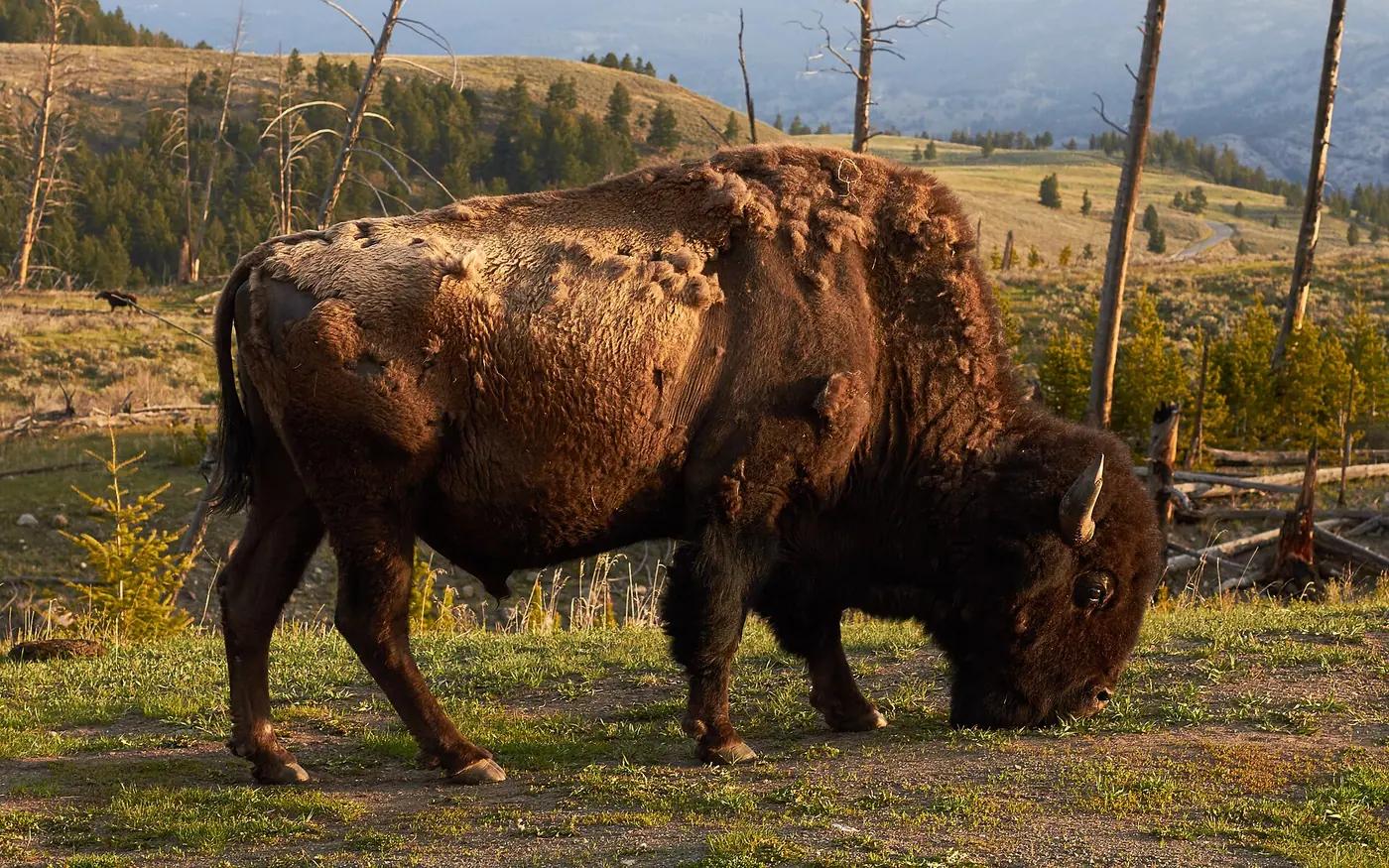
American BisonA
American Bison adds realistic depth to the United States animal list without forcing the page around one headline encounter.
Spotting note: Useful supporting species with the right habitat and timing.
Read species guide
North American RaccoonC
North American Raccoon broadens the United States page beyond the obvious targets and makes habitat-led spotting feel more complete.
Spotting note: Better treated as a realistic secondary target than a guaranteed sighting.
Read species guide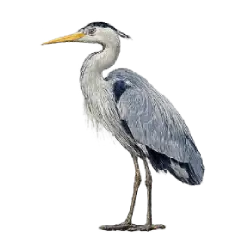
Great Blue HeronC
Great Blue Heron is a strong supporting species that helps United States feel richer than a one-animal destination.
Spotting note: Strong add when you pay attention to habitat instead of chasing one flagship animal.
Read species guide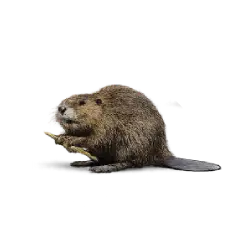
North American BeaverC
North American Beaver gives the United States page more ecological range, not just more raw checklist count.
Spotting note: Meaningful supporting sighting rather than the only reason to choose the location.
Read species guide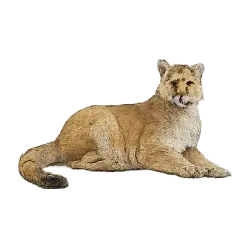
CougarA
Cougar adds realistic depth to the United States animal list without forcing the page around one headline encounter.
Spotting note: Useful supporting species with the right habitat and timing.
Read species guide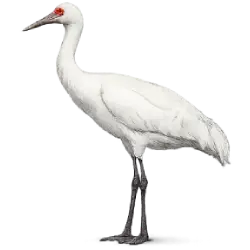
Whooping CraneB
Whooping Crane broadens the United States page beyond the obvious targets and makes habitat-led spotting feel more complete.
Spotting note: Better treated as a realistic secondary target than a guaranteed sighting.
Read species guide
Northern CardinalD
Northern Cardinal is a strong supporting species that helps United States feel richer than a one-animal destination.
Spotting note: Strong add when you pay attention to habitat instead of chasing one flagship animal.
Read species guide
American RobinD
American Robin gives the United States page more ecological range, not just more raw checklist count.
Spotting note: Meaningful supporting sighting rather than the only reason to choose the location.
Read species guide
Northern FlickerD
Northern Flicker adds realistic depth to the United States animal list without forcing the page around one headline encounter.
Spotting note: Useful supporting species with the right habitat and timing.
Read species guide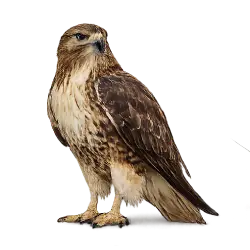
Red-tailed HawkC
Red Tailed Hawk broadens the United States page beyond the obvious targets and makes habitat-led spotting feel more complete.
Spotting note: Better treated as a realistic secondary target than a guaranteed sighting.
Read species guide
Eastern PhoebeD
Eastern Phoebe is a strong supporting species that helps United States feel richer than a one-animal destination.
Spotting note: Strong add when you pay attention to habitat instead of chasing one flagship animal.
Read species guide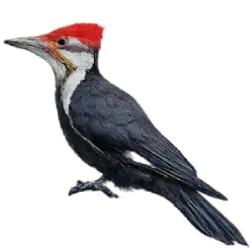
Pileated WoodpeckerD
Pileated Woodpecker gives the United States page more ecological range, not just more raw checklist count.
Spotting note: Meaningful supporting sighting rather than the only reason to choose the location.
Read species guide
MosquitoE
Mosquito adds realistic depth to the United States animal list without forcing the page around one headline encounter.
Spotting note: Useful supporting species with the right habitat and timing.
Read species guide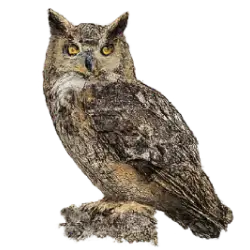
Great Horned OwlC
Great Horned Owl broadens the United States page beyond the obvious targets and makes habitat-led spotting feel more complete.
Spotting note: Better treated as a realistic secondary target than a guaranteed sighting.
Read species guide
Eastern Screech OwlD
Eastern Screech Owl is a strong supporting species that helps United States feel richer than a one-animal destination.
Spotting note: Strong add when you pay attention to habitat instead of chasing one flagship animal.
Read species guide
Jumping SpiderE
Jumping Spider gives the United States page more ecological range, not just more raw checklist count.
Spotting note: Meaningful supporting sighting rather than the only reason to choose the location.
Read species guide
White-tailed DeerC
White Tailed Deer adds realistic depth to the United States animal list without forcing the page around one headline encounter.
Spotting note: Useful supporting species with the right habitat and timing.
Read species guide Eastern Gray SquirrelD
Eastern Gray Squirrel broadens the United States page beyond the obvious targets and makes habitat-led spotting feel more complete.
Spotting note: Better treated as a realistic secondary target than a guaranteed sighting.
Read species guide
American ToadE
American Toad is a strong supporting species that helps United States feel richer than a one-animal destination.
Spotting note: Strong add when you pay attention to habitat instead of chasing one flagship animal.
Read species guide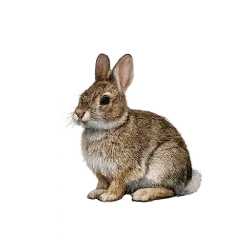
Eastern CottontailE
Eastern Cottontail gives the United States page more ecological range, not just more raw checklist count.
Spotting note: Meaningful supporting sighting rather than the only reason to choose the location.
Read species guide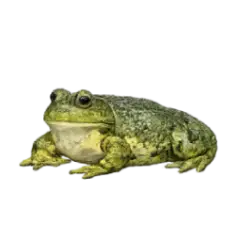
American BullfrogE
American Bullfrog adds realistic depth to the United States animal list without forcing the page around one headline encounter.
Spotting note: Useful supporting species with the right habitat and timing.
Read species guide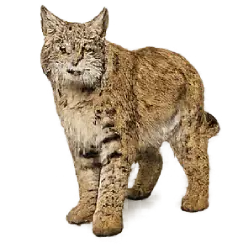
BobcatC
Bobcat broadens the United States page beyond the obvious targets and makes habitat-led spotting feel more complete.
Spotting note: Better treated as a realistic secondary target than a guaranteed sighting.
Read species guide
Brown RecluseE
Brown Recluse is a strong supporting species that helps United States feel richer than a one-animal destination.
Spotting note: Strong add when you pay attention to habitat instead of chasing one flagship animal.
Read species guide
Common House SpiderE
Common House Spider gives the United States page more ecological range, not just more raw checklist count.
Spotting note: Meaningful supporting sighting rather than the only reason to choose the location.
Read species guide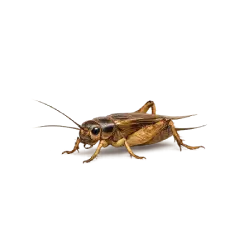
Two-spotted CricketE
Field Cricket adds realistic depth to the United States animal list without forcing the page around one headline encounter.
Spotting note: Useful supporting species with the right habitat and timing.
Read species guide
DamselflyE
Damselfly broadens the United States page beyond the obvious targets and makes habitat-led spotting feel more complete.
Spotting note: Better treated as a realistic secondary target than a guaranteed sighting.
Read species guideBest for
Use this section to decide whether the location fits your travel style, skill level, and AnimalDex goals.
- Travelers who want flexible wildlife options.
- Families mixing roads, parks, and coasts.
- Collectors who like easy supporting species plus a few anchors.
- Photographers working across many habitats.
Spotting tips
These tips are meant to make the page useful in the field, not just readable on the page.
- 01Think in state, coast, wetland, or migration corridor, not just country name.
- 02Easy-access species often make the trip stronger overall.
- 03Use seasonal movement to your advantage.
- 04Wetland and coastal time usually pay off quickly.
Virtual Wildlife Guides
Wildlife guides to United States
AnimalDex builds virtual guides from explorers' own wild sightings: which animals they found, how rare they are, and when. A guide is advice from someone who has been there, not a tour. Buying one unlocks the author's notes for every animal, a chat with the author, and introductions to local people they met. Wildlife is never guaranteed.
Checking for virtual guides to United States...
How to choose a local wildlife guide in United States
- Ask what they usually find in the season you are visiting. A good guide gives an honest answer, not a promised sighting.
- Check how they treat animals: no baiting, calling in, handling, or close flash photography for a better shot.
- Confirm the meeting area, duration, group size, total price, and how you pay before the day, plus any permits or park fees the place requires.
Track the animals you find in United States
Build your collection while you travel through United States, from easy wins to the species worth planning around.
Related locations
Keep exploring with nearby or similar destinations that support the same kind of AnimalDex discovery.
Animals in Canada: What You Can Spot, Learn, and Collect
A practical Canada wildlife guide built around coasts, forests, migration, and the cold-region species that make the country feel spacious and serious.
Read location guideAnimals in Illinois: What You Can Spot, Learn, and Collect
Illinois wildlife guide: Chicago lakefront migration at Montrose Point, urban coyotes and peregrines, Mississippi River eagles and pelicans, Shawnee's snake migration, and Brookfield Zoo.
Read location guideAnimals in Mexico: What You Can Spot, Learn, and Collect
A practical Mexico wildlife guide built around wetlands, coasts, colorful birds, and the species that make the country strong for flexible animal discovery.
Read location guideLocation FAQ
Short direct answers to the questions travelers usually ask before choosing a wildlife destination or zoo day.
What animals are easiest to notice in the United States?
Birds, wetland species, coastal animals, and migration-linked sightings are strong practical answers for many travelers.
Is the United States good for AnimalDex collecting?
Yes. It is especially useful because wildlife can fit naturally into many kinds of trips.
Have AnimalDex users found animals in United States?
Yes. AnimalDex users have publicly logged 332 captures of 213 different species in United States, including red ant, black ant, eastern gray squirrel, american robin. Each one was photographed in the app at the moment of the sighting.
How do I find a wildlife guide to United States?
Check the Wildlife Guides section on this page or browse Wildlife Guides on AnimalDex. Each one is a virtual guide built from an explorer's own wild sightings around United States: the animals they found, how rare they are, and when. It is advice from someone who has been there, not a tour. If you want someone with you on the day, compare local guides on wildlife knowledge, how they treat animals, and clear pricing before you go.