

Animals in Florida: What You Can Spot, Learn, and Collect
Florida wildlife guide: Everglades alligators and crocodiles, manatees at Crystal River and Blue Spring, roseate spoonbills, Kissimmee eagles, nesting sea turtles and the anoles on every fence.
Quick answer
Start with the direct answer, then use the sections below to see why the location matters and which animals are actually realistic to spot there.
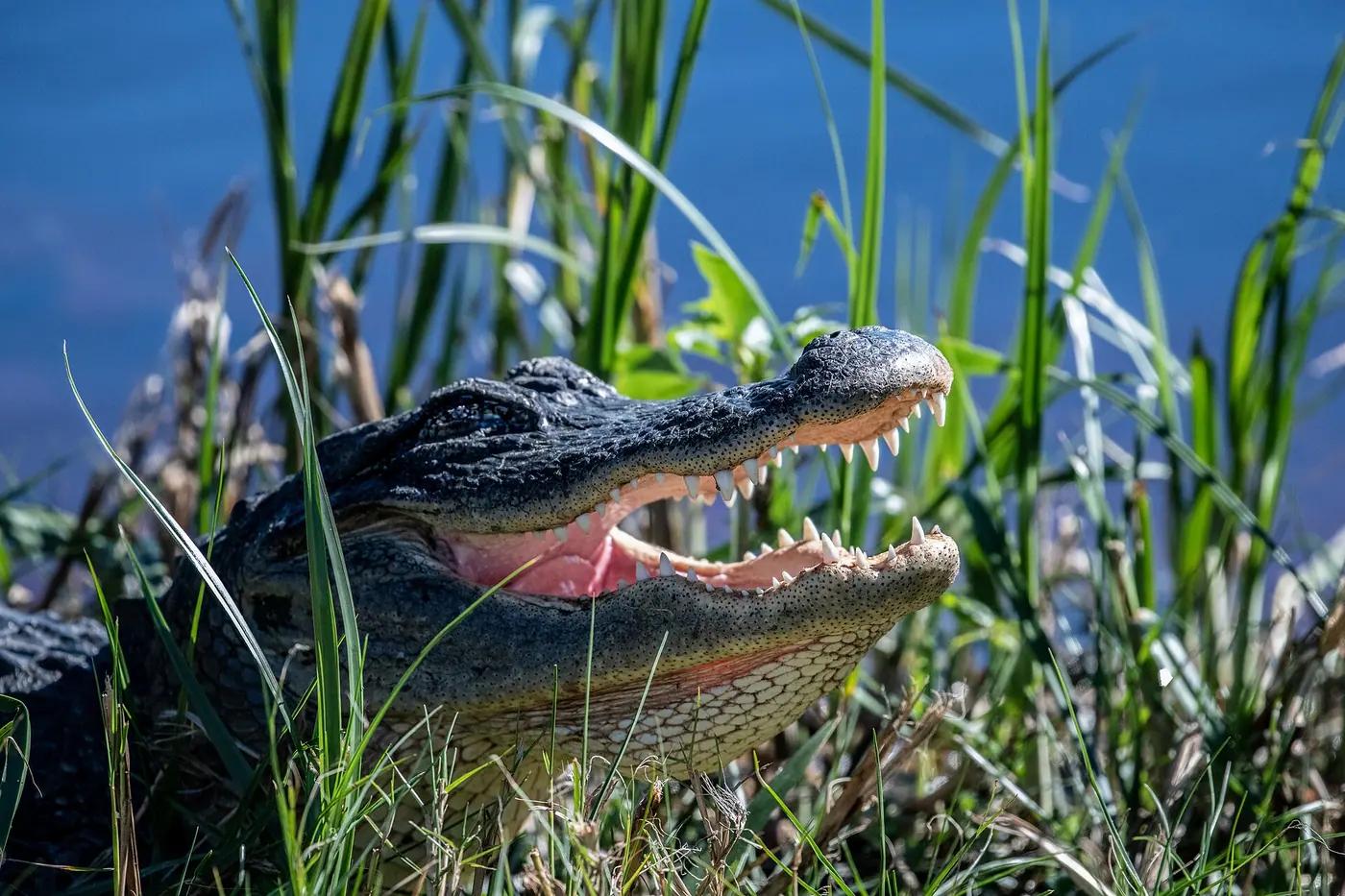
Florida is the easiest place in the United States to see big reptiles and big wading birds: alligators line the Anhinga Trail and Shark Valley in the Everglades, American crocodiles haul out at Flamingo, and roseate spoonbills, wood storks and anhingas feed in the same ditches. Add manatees in the winter springs, loggerhead turtles nesting on the Atlantic beaches, and anoles and lubber grasshoppers in every garden.
Everglades National Park is the only place on earth where alligators and crocodiles live side by side, and its boardwalks put both within a few metres of the camera. Shark Valley's 15-mile loop and the Anhinga Trail at Royal Palm are the two classic starting points.
Beyond the Everglades, the state's springs, barrier islands and suburban retention ponds all hold wildlife. The Kissimmee chain of lakes south of Orlando has one of the densest bald eagle populations in the lower 48, and theme-park visitors can see them from the hotel car park.
Start with these animals
Why this location matters
Good location pages explain why the place is worth your time, not just which names belong on a destination checklist.
Florida's manatees were down to an estimated 1,000 animals in the 1990s and now number over 7,000. Winter congregations at Crystal River, Blue Spring and Manatee Lagoon in West Palm Beach are the best manatee viewing in the world.
The state is also the frontline of invasive species in North America. Burmese pythons, Argentine tegus, iguanas and brown anoles are reshaping the ecosystem, and logging them is part of understanding the place.
Where to look
Wildlife map of Florida
This guide covers the region shown below. Zoom in to get your bearings before planning a trip.
Positions are geocoded from OpenStreetMap. Habitat access and opening times change — check locally before travelling. Smaller pins are public AnimalDex captures, placed to the nearest kilometre.
Field proof
Found in Florida by AnimalDex users
Real captures logged in the AnimalDex app inside this area and shared publicly by their collectors, with the animal confirmed by the app's identification. Places are shown to the nearest region, never the exact spot.
- 11
- public captures
- 10
- species recorded
- 3
- collectors
- 10
- wild sightings
Recent captures from the field
Species people have actually logged here
Every name links to its species guide. The count is how many public captures of that animal sit inside this area.
Collectors choose to share these captures on Discover and can withdraw them at any time. Coordinates are rounded to about a kilometre and refreshed with each site build.
Animals to spot
These are intentionally practical species picks, balancing accessibility, excitement, and what travelers can realistically notice in the location.
American AlligatorB
Hundreds bask along the Shark Valley tram road and the Anhinga Trail in Everglades National Park, and nearly every golf course water hazard in the state has one.
Spotting note: Guaranteed in the Everglades from December to April, when low water concentrates them.
Read species guide
ManateeC
Hundreds crowd the warm springs at Crystal River's Three Sisters Springs and Blue Spring State Park near Orange City on cold winter mornings.
Spotting note: Near-guaranteed on cold days from November to March at Blue Spring and Crystal River.
Read species guide
American CrocodileA
The marina basin at Flamingo in Everglades National Park and the cooling canals of Turkey Point are the best places in the US to see this shy, pale crocodile.
Spotting note: Likely at Flamingo marina in winter; check the boat ramp and canal banks.
Read species guide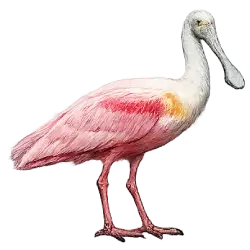
Roseate SpoonbillC
Sweeps its flat bill through the shallows at Ding Darling refuge on Sanibel, Merritt Island and the Everglades' Eco Pond, pink against grey mud.
Spotting note: Common on the Gulf coast refuges and in the Everglades in winter and spring.
Read species guide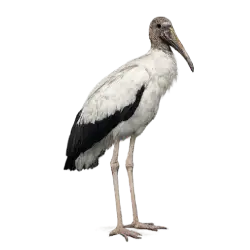
Wood StorkC
Big bald-headed storks feed in roadside ditches along the Tamiami Trail and nest at Corkscrew Swamp Sanctuary near Naples.
Spotting note: Common in south and central Florida wetlands, especially late winter.
Read species guide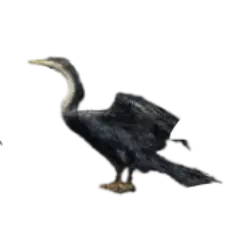
AnhingaC
The namesake of the Everglades' most famous trail, spearing fish underwater and then drying its wings on the boardwalk rail.
Spotting note: Guaranteed on the Anhinga Trail and common at any freshwater pond statewide.
Read species guide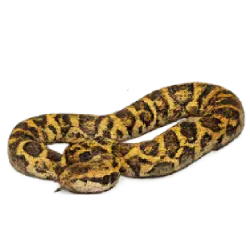
Burmese PythonB
An invasive giant now breeding across the Everglades; the state runs an annual removal challenge and rangers display captured snakes at Shark Valley.
Spotting note: Rarely seen in the wild despite tens of thousands present; most likely crossing roads at night in summer.
Read species guide
Florida Scrub-JayC
The only bird species found exclusively in Florida, living in family groups in the oak scrub of Merritt Island, Oscar Scherer State Park and the Lake Wales Ridge.
Spotting note: Reliable at Oscar Scherer and the Merritt Island scrub trail; fearless and often lands on hats.
Read species guide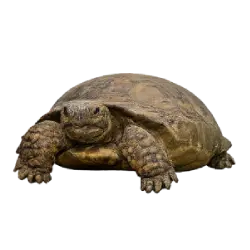
Gopher TortoiseD
Digs long burrows in sandy pine flatwoods that shelter 350 other species, and crosses trails at Jonathan Dickinson, Archbold and Kissimmee Prairie Preserve.
Spotting note: Common in scrub and sandhill habitats on warm mornings.
Read species guide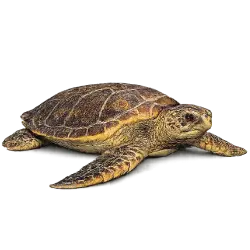
Loggerhead Sea TurtleC
Florida's Atlantic beaches from Melbourne to Juno host the largest loggerhead nesting population in the Western Hemisphere, with guided night walks at Archie Carr refuge and Juno Beach.
Spotting note: Nesting May to August; join a permitted turtle walk in June or July.
Read species guide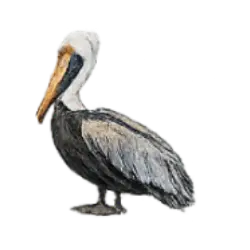
Brown PelicanC
Loafs on every fishing pier from Jacksonville to Key West and plunge-dives beside snorkellers in the Keys.
Spotting note: Guaranteed on any coast.
Read species guide
Brown AnoleE
The Cuban invader now outnumbers the native green anole on every Florida wall, path and fence, and shows up constantly in AnimalDex Florida captures.
Spotting note: Guaranteed anywhere there is a sunny wall.
Read species guide
Green AnoleE
The native anole has retreated into the shrubs and tree canopy to avoid the brown anole, so look higher than eye level in gardens and hammocks.
Spotting note: Common but easier to miss than the brown anole; check palm fronds and tall shrubs.
Read species guide
Eastern Lubber GrasshopperE
A huge, slow, yellow and black grasshopper that marches across Everglades trails and Kissimmee lawns in summer, too toxic for most birds to eat.
Spotting note: Common from April to September; nymphs swarm in black clusters in spring.
Read species guideBest for
Use this section to decide whether the location fits your travel style, skill level, and AnimalDex goals.
- Alligators and crocodiles together in Everglades National Park
- Winter manatee gatherings at the springs
- Wading birds at close range from boardwalks
- Sea turtle nesting walks on the Atlantic coast
Spotting tips
These tips are meant to make the page useful in the field, not just readable on the page.
- 01Visit the Everglades in the dry season (December to April); low water packs alligators, wading birds and fish into the remaining pools along the Anhinga Trail and Shark Valley.
- 02For manatees, pick the coldest morning you can and be at Blue Spring State Park when the gate opens; the boardwalk gives views the boats cannot.
- 03Along the Kissimmee lakes, scan cypress snags and tall pines near Lake Tohopekaliga and Lake Kissimmee State Park for bald eagle nests from October to May.
- 04Turtle walks are permit-only. Book with Archie Carr refuge, Loggerhead Marinelife Center at Juno Beach or Sebastian Inlet State Park, and never use white lights on a nesting beach.
Virtual Wildlife Guides
Wildlife guides to Florida
AnimalDex builds virtual guides from explorers' own wild sightings: which animals they found, how rare they are, and when. A guide is advice from someone who has been there, not a tour. Buying one unlocks the author's notes for every animal, a chat with the author, and introductions to local people they met. Wildlife is never guaranteed.
Checking for virtual guides to Florida...
How to choose a local wildlife guide in Florida
- Ask what they usually find in the season you are visiting. A good guide gives an honest answer, not a promised sighting.
- Check how they treat animals: no baiting, calling in, handling, or close flash photography for a better shot.
- Confirm the meeting area, duration, group size, total price, and how you pay before the day, plus any permits or park fees the place requires.
Track the animals you find in Florida
Build your collection while you travel through Florida, from easy wins to the species worth planning around.
Related tier lists
These tier lists add broader context around the species that make this location interesting.
Largest Introduced and Invasive Animals in the World
A structured ranking of the largest introduced and invasive animals, prioritizing body size first while still accounting for how disruptive those animals can become outside their native range.
Read tier listMost Invasive Species in the World
A structured ranking of the most invasive species in the world, balancing establishment success, ecological disruption, spread potential, and how difficult the species is to remove once it takes hold.
Read tier listRelated locations
Keep exploring with nearby or similar destinations that support the same kind of AnimalDex discovery.
Animals in the United States: What You Can Spot, Learn, and Collect
A practical United States wildlife guide built around habitat variety, from wetlands and coastlines to migration corridors and iconic American species.
Read location guideAnimals in Georgia (USA): What You Can Spot, Learn, and Collect
Georgia wildlife guide: Okefenokee alligators and sandhill cranes, Cumberland Island's loggerhead turtles and wild horses, gopher tortoises, Atlanta's backyard birds and the Georgia Aquarium's whale sharks.
Read location guideAnimals in Alabama: What You Can Spot, Learn, and Collect
Alabama wildlife guide: alligators and gar in the Mobile-Tensaw Delta, Dauphin Island spring migration, gopher tortoises and indigo snakes in the pine woods, and the squirrels and hornets of Prattville backyards.
Read location guideLocation FAQ
Short direct answers to the questions travelers usually ask before choosing a wildlife destination or zoo day.
What wildlife is there in Florida?
Alligators, American crocodiles, manatees, dolphins, sea turtles, Florida panthers, black bears, bobcats, armadillos, and a spectacular list of wading birds including roseate spoonbills, wood storks and anhingas, alongside invasive Burmese pythons, iguanas and brown anoles.
What animals can be found in Florida's Everglades?
Alligators by the hundred, American crocodiles at Flamingo, manatees in the marina basins, anhingas, herons, egrets, spoonbills and wood storks on the trails, plus gar and turtles in the sloughs. Pythons and panthers are present but seldom seen.
Where can you see manatees in Florida?
Blue Spring State Park near Orange City, Three Sisters Springs at Crystal River, Manatee Lagoon in West Palm Beach and the TECO power plant viewing centre in Apollo Beach, all on cold winter days from November to March.
Is Florida wildlife safe with kids?
Yes with ordinary care. Keep children and dogs well back from any water edge in alligator country, never feed wildlife, and use boardwalks like the Anhinga Trail, Shark Valley tram and Blue Spring where the animals come to you.
Have AnimalDex users found animals in Florida?
Yes. AnimalDex users have publicly logged 11 captures of 10 different species in Florida, including brown anole, agrarian sac spider, asian tramp snail, cockroach. Each one was photographed in the app at the moment of the sighting.
How do I find a wildlife guide to Florida?
Check the Wildlife Guides section on this page or browse Wildlife Guides on AnimalDex. Each one is a virtual guide built from an explorer's own wild sightings around Florida: the animals they found, how rare they are, and when. It is advice from someone who has been there, not a tour. If you want someone with you on the day, compare local guides on wildlife knowledge, how they treat animals, and clear pricing before you go.