

Animals in Ireland: What You Can Spot, Learn, and Collect
Irish wildlife: Skellig puffins and gannets, Killarney's native red deer, basking sharks and humpbacks off Kerry and Cork, Shannon dolphins, otters and pine martens.
Quick answer
Start with the direct answer, then use the sections below to see why the location matters and which animals are actually realistic to spot there.
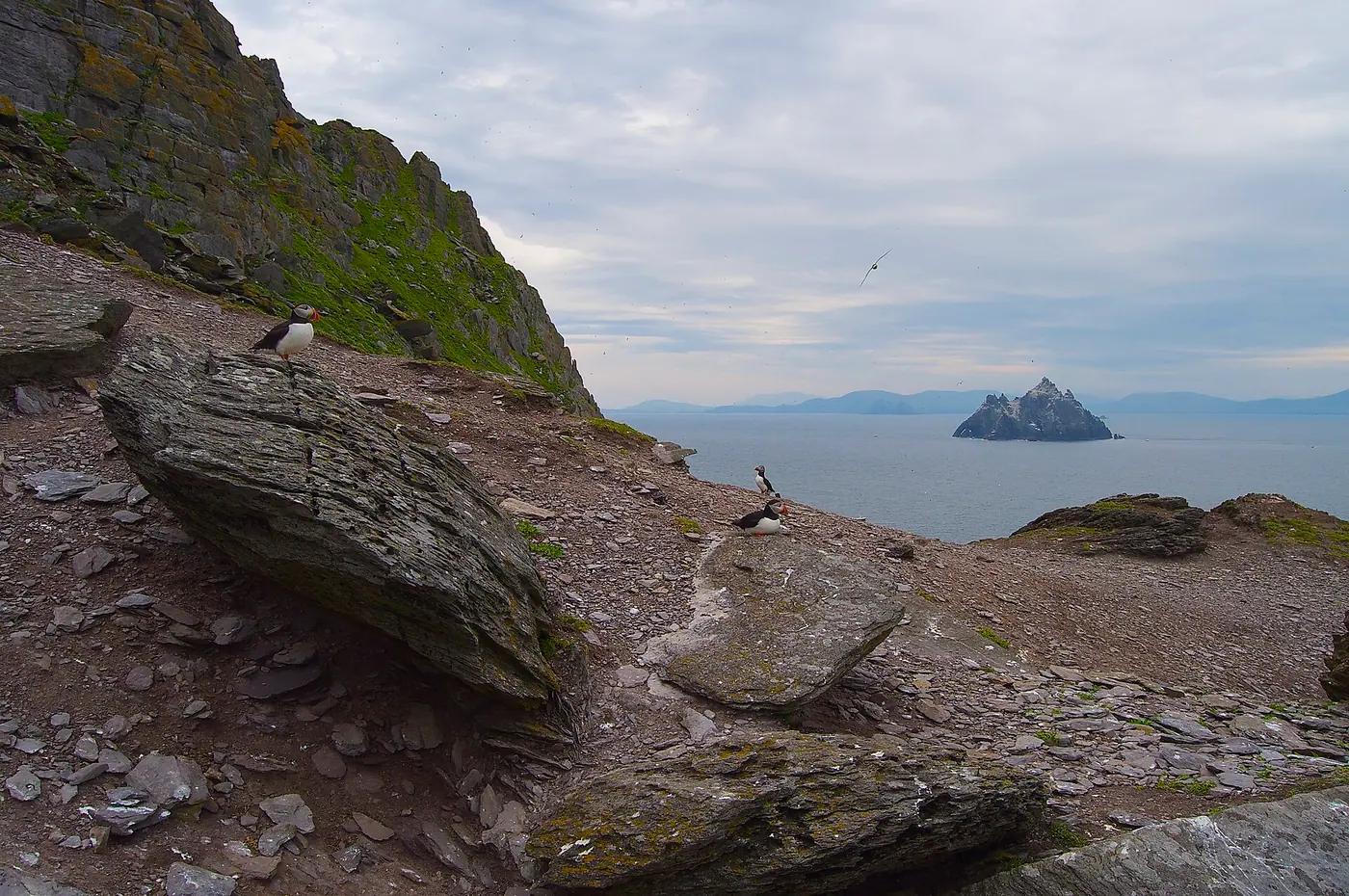
Ireland has no snakes, no moles and only one newt, but it has some of the best marine wildlife in Europe: basking sharks off Achill and Kerry, humpback and fin whales off West Cork, a resident bottlenose pod in the Shannon estuary, and puffins and 35,000 pairs of gannets on the Skelligs. On land Killarney holds the last native red deer, otters and Irish hares are everywhere, and pine martens are recovering fast.
Ireland is thin in AnimalDex so far, which is a gap worth filling. The country's wild list is short on species but long on quality, and most of it is coastal and accessible from the Wild Atlantic Way.
Kerry and West Cork give the seabirds and whales, the Shannon estuary the dolphins, Killarney the red deer, Donegal and Mayo the basking sharks and eagles, and Dublin a zoo with elephants, gorillas and orangutans in Phoenix Park.
Why this location matters
Good location pages explain why the place is worth your time, not just which names belong on a destination checklist.
Ireland's island isolation gave it a strange fauna: no snakes, only one newt, an endemic hare subspecies and a stoat subspecies, and red deer that have been in Killarney since the last ice age. Everything here is a slightly different version of Britain's.
The waters off Ireland's south-west have become one of Europe's best whale coasts in the last 20 years, with humpbacks now seen every year off West Cork and Kerry alongside fin and minke whales.
Where to look
Wildlife map of Ireland
This guide covers the region shown below. Zoom in to get your bearings before planning a trip.
Positions are geocoded from OpenStreetMap. Habitat access and opening times change — check locally before travelling. Smaller pins are public AnimalDex captures, placed to the nearest kilometre.
Field proof
Found in Ireland by AnimalDex users
Real captures logged in the AnimalDex app inside this area and shared publicly by their collectors, with the animal confirmed by the app's identification. Places are shown to the nearest region, never the exact spot.
- 1
- public captures
- 1
- species recorded
- 1
- collectors
- 1
- wild sightings
Recent captures from the field
Species people have actually logged here
Every name links to its species guide. The count is how many public captures of that animal sit inside this area.
Collectors choose to share these captures on Discover and can withdraw them at any time. Coordinates are rounded to about a kilometre and refreshed with each site build.
Animals to spot
These are intentionally practical species picks, balancing accessibility, excitement, and what travelers can realistically notice in the location.
Atlantic PuffinC
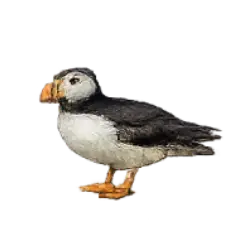
Around 8,000 puffins nest on Skellig Michael beside the monastic steps, with more on the Saltees and Great Blasket, and on Rathlin across the border in Northern Ireland.
Spotting note: Guaranteed on Skellig Michael landings from May to early August.
Read species guide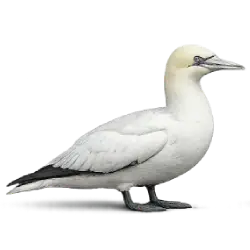
Northern GannetC
Little Skellig is white with around 35,000 pairs, one of the world's largest gannet colonies; the boats circle beneath the cliffs.
Spotting note: Guaranteed on Skellig boat trips from Portmagee.
Read species guide
Manx ShearwaterC
Thousands breed in burrows on the Skelligs, the Blaskets and Puffin Island, streaming past the boats in rafts at dusk.
Spotting note: Common at sea off Kerry from April to September.
Read species guide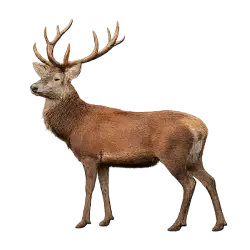
Red DeerB
Killarney National Park holds Ireland's only native red deer, around 1,000 animals that have been there since the ice retreated; the rut echoes across Torc and Mangerton in October.
Spotting note: Reliable at dawn on the Knockreer and Muckross meadows.
Read species guide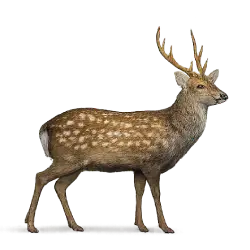
Sika DeerC
Introduced to Killarney in 1865 and now common in the park's oak woods and across Wicklow, where they hybridise with red deer.
Spotting note: Common in Killarney and the Wicklow Mountains.
Read species guide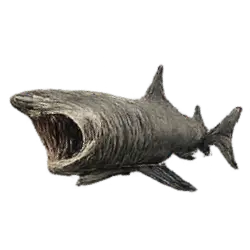
Basking SharkB
Ireland is a global hotspot; sharks gather off Achill, Malin Head and the Blaskets from April to July, sometimes dozens at once.
Spotting note: Seasonal; calm sunny days in May and June off Achill and Kerry.
Read species guide
DolphinB
The Shannon estuary holds Ireland's resident bottlenose pod of over 100, seen on boats from Carrigaholt and Kilrush, and common dolphins work the whole west coast.
Spotting note: Near-guaranteed on Shannon trips from May to September.
Read species guide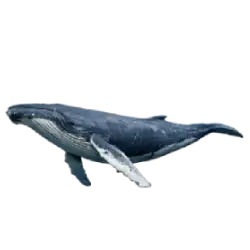
Humpback WhaleA
Humpbacks now return to West Cork and Kerry every year, feeding on sprat off Baltimore, Union Hall and the Blaskets.
Spotting note: Regular on West Cork whale trips from late summer to winter.
Read species guide
Grey SealB
Breeds on the Blaskets, the Inishkeas and the Saltees, with Ireland's biggest colony on Great Blasket's white strand.
Spotting note: Reliable from Blasket and Saltee boats.
Read species guide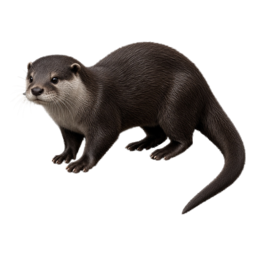
European OtterD
Ireland has one of Europe's densest otter populations, fishing rivers, lakes and sea coasts from Connemara to Dublin's Grand Canal.
Spotting note: Uncommon to see; dawn on quiet Connemara shores.
Read species guide
Mountain HareD
The Irish hare is an endemic subspecies that stays brown all year and grazes lowland fields and airport grass, not just mountains.
Spotting note: Common at dawn on open farmland.
Read species guide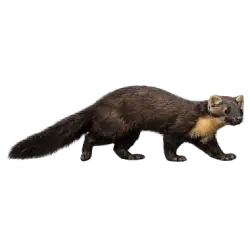
Pine MartenC
Recovering across the midlands and west and credited with pushing back grey squirrels; Clare, Galway and Wicklow are strongholds.
Spotting note: Rare to see; dusk on quiet woodland roads in the west.
Read species guide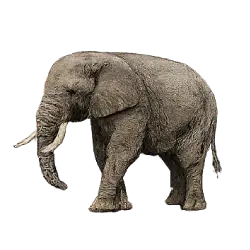
Asian ElephantA
Dublin Zoo in Phoenix Park has one of Europe's most successful elephant breeding herds in its Kaziranga Forest Trail.
Spotting note: Guaranteed at Dublin Zoo.
Read species guide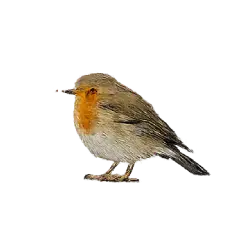
European RobinD
Ireland's garden robins are famously confiding and follow walkers along every hedge and woodland path, singing through the winter.
Spotting note: Guaranteed.
Read species guideBest for
Use this section to decide whether the location fits your travel style, skill level, and AnimalDex goals.
- Skellig boat trips for puffins, gannets and shearwaters
- Whales, dolphins and basking sharks along the Wild Atlantic Way
- Native red deer and the autumn rut in Killarney
- Dublin Zoo and the deer herd in Phoenix Park
Spotting tips
These tips are meant to make the page useful in the field, not just readable on the page.
- 01Skellig Michael landing boats sell out months ahead and depend on sea state; eco-tour boats that circle without landing are easier to book.
- 02Basking sharks show on flat-calm days after sunshine; scan from Keem Bay on Achill or Slea Head in Kerry in May and June.
- 03The Killarney rut peaks in the first two weeks of October; the Knockreer meadows at dawn are the easiest viewing.
- 04West Cork whale trips from Baltimore and Union Hall are best from August to November, when humpbacks follow the sprat inshore.
Virtual Wildlife Guides
Wildlife guides to Ireland
AnimalDex builds virtual guides from explorers' own wild sightings: which animals they found, how rare they are, and when. A guide is advice from someone who has been there, not a tour. Buying one unlocks the author's notes for every animal, a chat with the author, and introductions to local people they met. Wildlife is never guaranteed.
Checking for virtual guides to Ireland...
How to choose a local wildlife guide in Ireland
- Ask what they usually find in the season you are visiting. A good guide gives an honest answer, not a promised sighting.
- Check how they treat animals: no baiting, calling in, handling, or close flash photography for a better shot.
- Confirm the meeting area, duration, group size, total price, and how you pay before the day, plus any permits or park fees the place requires.
Track the animals you find in Ireland
Build your collection while you travel through Ireland, from easy wins to the species worth planning around.
Related tier lists
These tier lists add broader context around the species that make this location interesting.
Biggest Animals in the World
A structured ranking of the biggest animals in the world, using the AnimalDex size stat to compare body scale across sea, land, and air.
Read tier listRelated locations
Keep exploring with nearby or similar destinations that support the same kind of AnimalDex discovery.
Animals in the UK: What You Can Spot, Learn, and Collect
A practical UK wildlife guide built around coasts, woodlands, wetlands, and the familiar-but-rewarding species that make local observation richer than many travelers expect.
Read location guideAnimals in Scotland: What You Can Spot, Learn, and Collect
Scottish wildlife: red deer stags, Mull golden eagles, Cairngorms squirrels and wildcats, Moray Firth dolphins, Shetland puffins and bonxies, Bass Rock gannets, seals.
Read location guideAnimals in Wales: What You Can Spot, Learn, and Collect
Welsh wildlife: Skomer puffins and Manx shearwaters, Grassholm gannets, Ramsey grey seals, Cardigan Bay dolphins, Gigrin Farm red kites, Snowdonia goats and ospreys.
Read location guideLocation FAQ
Short direct answers to the questions travelers usually ask before choosing a wildlife destination or zoo day.
What wildlife is there in Ireland?
Red and sika deer, otters, badgers, foxes, Irish hares, pine martens and red squirrels on land; grey and harbour seals, bottlenose dolphins, humpback, fin and minke whales and basking sharks at sea; and puffins, gannets, shearwaters and storm petrels on the Atlantic islands.
What animals can be found in Ireland?
Only 26 land mammals, including the endemic Irish hare and Irish stoat, around 450 recorded birds, and a very short herp list: the common frog, smooth newt, natterjack toad and viviparous lizard. There are no snakes, moles or weasels.
Why are there no snakes in Ireland?
Ireland was cut off from Britain by rising seas around 8,500 years ago, before snakes could recolonise northward after the ice age. Saint Patrick had nothing to do with it.
Where can you see puffins in Ireland?
Skellig Michael off Kerry is the classic site from May to early August, with the Saltee Islands off Wexford and Great Blasket also holding colonies, and Rathlin Island just across the border in Northern Ireland.
Have AnimalDex users found animals in Ireland?
Yes. AnimalDex users have publicly logged 1 captures of 1 different species in Ireland, including common wood pigeon. Each one was photographed in the app at the moment of the sighting.
How do I find a wildlife guide to Ireland?
Check the Wildlife Guides section on this page or browse Wildlife Guides on AnimalDex. Each one is a virtual guide built from an explorer's own wild sightings around Ireland: the animals they found, how rare they are, and when. It is advice from someone who has been there, not a tour. If you want someone with you on the day, compare local guides on wildlife knowledge, how they treat animals, and clear pricing before you go.