

Animals in Labuan Bajo: What You Can Spot, Learn, and Collect
Labuan Bajo wildlife guide: Komodo dragons on Rinca, mantas at Manta Point, flying foxes at Kalong island, Padar deer, and the kites and monitors of the harbour.
Quick answer
Start with the direct answer, then use the sections below to see why the location matters and which animals are actually realistic to spot there.
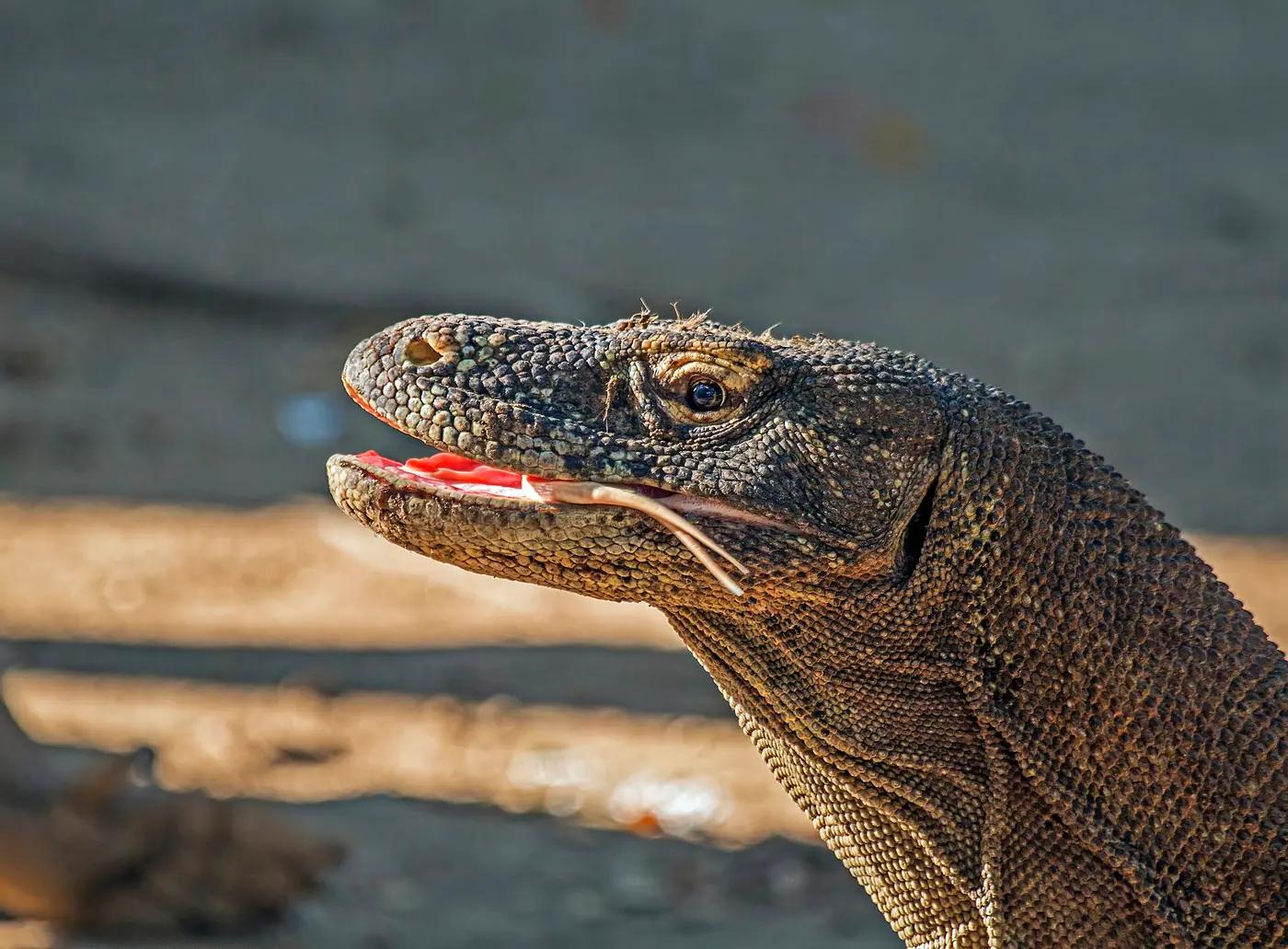
Labuan Bajo is the harbour town where every Komodo trip starts. A standard day or overnight boat gives you Komodo dragons at Loh Buaya on Rinca, reef mantas at Manta Point off Makassar reef, thousands of flying foxes leaving Kalong island at dusk, and rusa deer and sea eagles at Padar. In town itself expect brahminy kites, water monitors, geckos and macaques in the hills behind the harbour.
The town has grown from a fishing village into Flores's main airport and marina, and the harbour fleet runs everything from six-hour speedboat tours to three-day liveaboards. Rinca is 90 minutes away, Komodo island about three hours.
The land around Labuan Bajo is dry monsoon forest and grassland. The Wae Wuul reserve to the south has wild dragons, the Mbeliling hills to the east have Flores's endemic birds, and the Batu Cermin cave on the edge of town has bats and swiftlets.
Why this location matters
Good location pages explain why the place is worth your time, not just which names belong on a destination checklist.
Komodo National Park charges a conservation fee and limits dragon encounters to ranger-led walks; the money and rules are what keep roughly 3,000 dragons and the reef mantas protected.
The town is a good place to see how tourism pressure plays out: boat traffic at Manta Point and anchoring damage are live issues, and well-behaved visitors matter.
Where to look
Wildlife map of Labuan Bajo
This guide covers the region shown below. Zoom in to get your bearings before planning a trip.
Positions are geocoded from OpenStreetMap. Habitat access and opening times change — check locally before travelling. Smaller pins are public AnimalDex captures, placed to the nearest kilometre.
Field proof
Found in Labuan Bajo by AnimalDex users
Real captures logged in the AnimalDex app inside this area and shared publicly by their collectors, with the animal confirmed by the app's identification. Places are shown to the nearest region, never the exact spot.
- 3
- public captures
- 3
- species recorded
- 1
- collectors
- 3
- wild sightings
Recent captures from the field
Species people have actually logged here
Every name links to its species guide. The count is how many public captures of that animal sit inside this area.
Collectors choose to share these captures on Discover and can withdraw them at any time. Coordinates are rounded to about a kilometre and refreshed with each site build.
Animals to spot
These are intentionally practical species picks, balancing accessibility, excitement, and what travelers can realistically notice in the location.
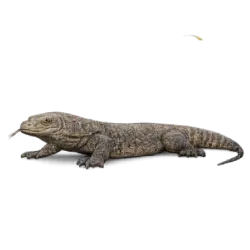
Komodo DragonA
Rangers at Loh Buaya on Rinca walk you past dragons basking by the kitchen and nesting in the hillside mounds; Komodo island's Loh Liang is the longer walk.
Spotting note: Near-guaranteed on Rinca; dry season (April to November) is best.
Read species guide
Reef Manta RayB
Manta Point on Makassar reef is a shallow drift over rubble where reef mantas feed and clean, often a dozen at once.
Spotting note: Reliable December to March; regular all year.
Read species guide
Large Flying FoxD
Kalong island's mangroves hold thousands of flying foxes that stream over the boats towards Flores at sunset.
Spotting note: Guaranteed on any overnight boat anchored off Kalong at dusk.
Read species guide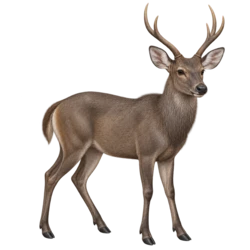
Javan Rusa DeerC
Rusa deer walk the beach at Padar and Loh Liang in the open, unbothered by boats.
Spotting note: Common on Komodo, Rinca and Padar.
Read species guide
Wild BoarB
Pigs trot along the Rinca mangrove edge and the Loh Liang trails, the dragons' second favourite meal.
Spotting note: Regular on Rinca walks.
Read species guide
Long-tailed MacaqueC
Macaques work the Rinca mangroves at low tide and sit on the roadside above Labuan Bajo's harbour at dusk.
Spotting note: Guaranteed.
Read species guide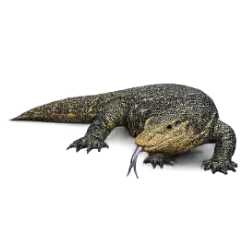
Water MonitorC
Small monitors mop up around the Labuan Bajo fish market and the river mouth south of the marina.
Spotting note: Common in town; often mistaken for baby dragons.
Read species guide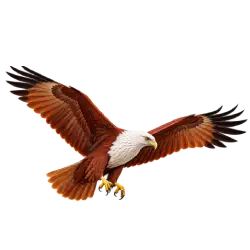
Brahminy KiteD
Kites hang over the harbour waiting for fish scraps and perch on the masts of the phinisi fleet.
Spotting note: Guaranteed over the harbour.
Read species guide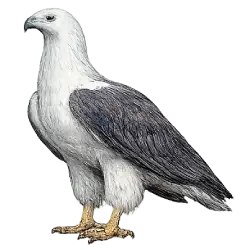
White-bellied Sea EagleB
A pair nests on the Padar cliffs and others fish the Komodo channels; the big raptor of every boat trip.
Spotting note: Regular around Padar and Komodo.
Read species guide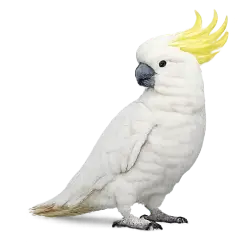
Sulphur-crested CockatooC
The yellow-crested cockatoos of Komodo and Rinca, logged under this entry, screech from the tamarind trees above Loh Liang beach.
Spotting note: Regular on Komodo island; one of the species' last strongholds.
Read species guide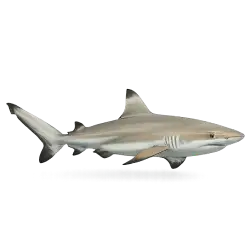
Blacktip Reef SharkC
Small sharks hunt the shallows at Pink Beach and Kanawa island, visible from the sand.
Spotting note: Common at Pink Beach and Kanawa.
Read species guide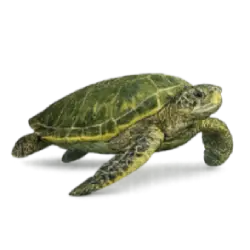
Green Sea TurtleC
Turtles graze the seagrass and reef at Siaba Besar, nicknamed Turtle City, and around Kanawa.
Spotting note: Near-guaranteed at Siaba Besar.
Read species guide
Spinner DolphinA
Pods surf the wake of boats in the channel between Flores and Rinca most mornings.
Spotting note: Regular on morning crossings.
Read species guide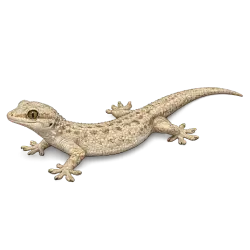
Common House GeckoE
Every guesthouse wall and harbour cafe light in Labuan Bajo has geckos working the insects after dark.
Spotting note: Guaranteed.
Read species guideBest for
Use this section to decide whether the location fits your travel style, skill level, and AnimalDex goals.
- Day and overnight Komodo dragon boat trips
- Manta snorkelling at Manta Point
- Flying-fox sunsets at Kalong island
- Padar viewpoint with deer and sea eagles
Spotting tips
These tips are meant to make the page useful in the field, not just readable on the page.
- 01Take the overnight boat rather than the day trip if you want the Kalong flying foxes; the day boats are back in port before dusk.
- 02At Loh Buaya stay behind the ranger and never crouch near a dragon for a photo; they move faster than they look.
- 03Manta Point works best on a falling tide; ask the captain to check conditions and drift rather than anchor.
- 04Wae Wuul reserve, 20 km south of town, has wild dragons outside the park with no boat needed; book a ranger at the BBKSDA office.
Virtual Wildlife Guides
Wildlife guides to Labuan Bajo
AnimalDex builds virtual guides from explorers' own wild sightings: which animals they found, how rare they are, and when. A guide is advice from someone who has been there, not a tour. Buying one unlocks the author's notes for every animal, a chat with the author, and introductions to local people they met. Wildlife is never guaranteed.
Checking for virtual guides to Labuan Bajo...
How to choose a local wildlife guide in Labuan Bajo
- Ask what they usually find in the season you are visiting. A good guide gives an honest answer, not a promised sighting.
- Check how they treat animals: no baiting, calling in, handling, or close flash photography for a better shot.
- Confirm the meeting area, duration, group size, total price, and how you pay before the day, plus any permits or park fees the place requires.
Track the animals you find in Labuan Bajo
Build your collection while you travel through Labuan Bajo, from easy wins to the species worth planning around.
Related locations
Keep exploring with nearby or similar destinations that support the same kind of AnimalDex discovery.
Animals in Komodo National Park: What You Can Realistically Spot
A structured guide to Komodo National Park focused on what visitors can realistically spot, from Komodo dragons and marine life to smaller species that reward patient observation.
Read location guideAnimals in Flores: What You Can Spot, Learn, and Collect
Flores wildlife guide: wild Komodo dragons at Wae Wuul, Riung flying foxes, Flores hawk-eagles over Kelimutu, rusa deer, macaques and pit vipers along the road.
Read location guideAnimals in East Nusa Tenggara: What You Can Spot, Learn, and Collect
East Nusa Tenggara wildlife guide: Komodo dragons, Timor deer, Kupang Bay crocodiles, Savu Sea sperm and blue whales, Alor dugongs, lorikeets and swiftlets.
Read location guideLocation FAQ
Short direct answers to the questions travelers usually ask before choosing a wildlife destination or zoo day.
What wildlife is there in Labuan Bajo?
Labuan Bajo is the base for Komodo dragons on Rinca and Komodo, reef mantas at Manta Point, flying foxes at Kalong island and rusa deer, wild boar and sea eagles on Padar. The town has brahminy kites, water monitors, macaques and geckos.
What animals can be found in Labuan Bajo?
On the boats you will see dragons, deer, boar, macaques, cockatoos, mantas, turtles, reef sharks and dolphins. In town the common animals are kites over the harbour, monitors at the fish market and geckos on every wall.
Can you see Komodo dragons in one day from Labuan Bajo?
Yes. Day trips by speedboat visit Rinca or Komodo plus Padar, Pink Beach and Manta Point in eight to ten hours. Rinca is closer and dragon sightings there are almost certain.
Is Labuan Bajo good for families?
Yes, with limits. Children can do the Rinca walk with a ranger, snorkel Pink Beach and watch the flying foxes, but the dragon trails need close supervision and the long day boats are tiring in the heat.
Have AnimalDex users found animals in Labuan Bajo?
Yes. AnimalDex users have publicly logged 3 captures of 3 different species in Labuan Bajo, including long-spined sea urchin, long-tailed macaque, pagoda cup coral. Each one was photographed in the app at the moment of the sighting.
How do I find a wildlife guide to Labuan Bajo?
Check the Wildlife Guides section on this page or browse Wildlife Guides on AnimalDex. Each one is a virtual guide built from an explorer's own wild sightings around Labuan Bajo: the animals they found, how rare they are, and when. It is advice from someone who has been there, not a tour. If you want someone with you on the day, compare local guides on wildlife knowledge, how they treat animals, and clear pricing before you go.