

Animals in East Nusa Tenggara: What You Can Spot, Learn, and Collect
East Nusa Tenggara wildlife guide: Komodo dragons, Timor deer, Kupang Bay crocodiles, Savu Sea sperm and blue whales, Alor dugongs, lorikeets and swiftlets.
Quick answer
Start with the direct answer, then use the sections below to see why the location matters and which animals are actually realistic to spot there.
East Nusa Tenggara (NTT) covers Flores, Sumba, Timor, Alor, Lembata and the Komodo islands, the driest province in Indonesia. Komodo dragons are the headline, but the province also has sperm and blue whales in the Savu Sea, dugongs at Alor, saltwater crocodiles in Kupang Bay, Timor rusa deer on the savannas, and a long list of Lesser Sundas birds from iris lorikeets to zebra finches. Around Kupang AnimalDex users mostly log swiftlets, mynas, kites, ants and the insects of the dry season.
NTT is Indonesia's far south-east, closer to Darwin than to Jakarta. Kupang on Timor is the capital, with flights to Labuan Bajo, Maumere, Ende, Waingapu, Alor and Rote. The landscape is savanna, eucalyptus and dry monsoon forest with a short wet season from December to March.
Wildlife is spread across the islands: dragons in the west, whales and dugongs in the Alor and Solor straits, endemic birds on Sumba and Timor, and a Kupang Bay crocodile population that makes the news every year. The sea between the islands is the richest part, with reef walls at Alor to rival anywhere in Indonesia.
Why this location matters
Good location pages explain why the place is worth your time, not just which names belong on a destination checklist.
The Savu Sea Marine National Park is the largest in Indonesia and a migration corridor for sperm, blue and pilot whales; the Lamalera subsistence whale hunt on Lembata is one of the last of its kind.
Timor's Mutis-Timau forest and the Bipolo lowland remnant hold birds found only on Timor, and almost all of it is unprotected community land.
Where to look
Wildlife map of East Nusa Tenggara
This guide covers the region shown below. Zoom in to get your bearings before planning a trip.
Positions are geocoded from OpenStreetMap. Habitat access and opening times change — check locally before travelling. Smaller pins are public AnimalDex captures, placed to the nearest kilometre.
Field proof
Found in East Nusa Tenggara by AnimalDex users
Real captures logged in the AnimalDex app inside this area and shared publicly by their collectors, with the animal confirmed by the app's identification. Places are shown to the nearest region, never the exact spot.
- 25
- public captures
- 17
- species recorded
- 3
- collectors
- 25
- wild sightings
Recent captures from the field
Species people have actually logged here
Every name links to its species guide. The count is how many public captures of that animal sit inside this area.
- Black Ant4 captures
- Drain Fly3 captures
- Cockroach2 captures
- House Fly2 captures
- Red Ant2 captures
- Asian Weaver Ant1 capture
- Black and Yellow Mud Dauber1 capture
- Brahminy Kite1 capture
- Cotton Bud Moth1 capture
- Daddy Long-Legs Spider1 capture
- Edible-nest Swiftlet1 capture
- Giant Honey Bee1 capture
- Javan Myna1 capture
- Long-spined Sea Urchin1 capture
- Long-tailed Macaque1 capture
- Mosquito1 capture
- Pagoda Cup Coral1 capture
Collectors choose to share these captures on Discover and can withdraw them at any time. Coordinates are rounded to about a kilometre and refreshed with each site build.
Animals to spot
These are intentionally practical species picks, balancing accessibility, excitement, and what travelers can realistically notice in the location.
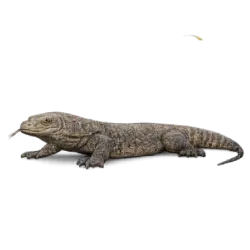
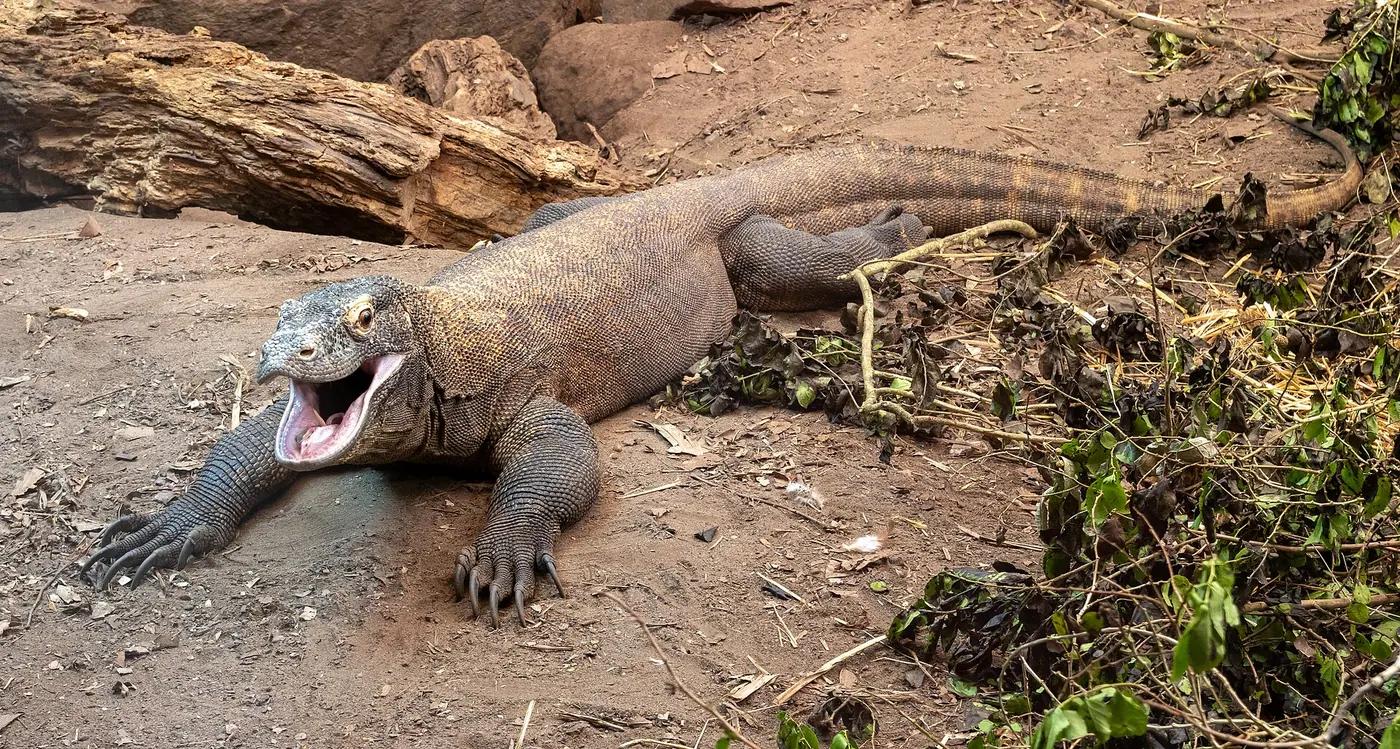
Komodo DragonA
The province's emblem lives on Komodo, Rinca, Gili Motang, Nusa Kode and western Flores, all inside NTT.
Spotting note: Near-guaranteed on Rinca; nowhere else in the world.
Read species guide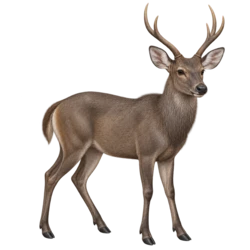
Javan Rusa DeerC
Timor deer are native to Timor and the Lesser Sundas and graze the savannas of Sumba, Timor, Flores and the Komodo islands.
Spotting note: Common on Komodo and Rinca, fairly common elsewhere.
Read species guide Saltwater CrocodileA
Kupang Bay and the Timor river mouths have a growing crocodile population, with animals regularly seen near Oesapa and Lasiana beaches.
Spotting note: Regular around Kupang Bay; follow local warnings about swimming.
Read species guide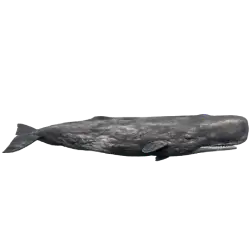
Sperm WhaleS
Sperm whales pass through the Savu Sea and the Lamalera waters of Lembata between May and October, where the village still hunts them by hand.
Spotting note: Seasonal; boat trips from Lamalera or Lewoleba.
Read species guide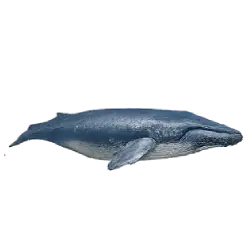
Blue WhaleA
Pygmy blue whales migrate through the Ombai and Solor straits between Alor, Lembata and Timor in the second half of the year.
Spotting note: Rare but regular from Alor and Lembata boats, August to November.
Read species guide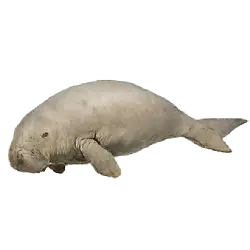
DugongC
Alor's Mali beach near the airport has a famous resident dugong that local boatmen take visitors to see.
Spotting note: Reliable at Mali, Alor, with a local boatman; rare elsewhere.
Read species guide
Spinner DolphinA
Pods of hundreds surf alongside the Kupang to Rote ferry and the Alor dive boats most mornings.
Spotting note: Regular on any sea crossing.
Read species guide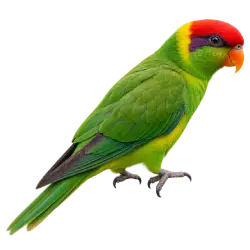
Iris LorikeetC
A small lorikeet native to Timor and Wetar, feeding in flowering eucalyptus and casuarina around Camplong and Bipolo near Kupang.
Spotting note: Uncommon; Camplong forest and Bipolo at dawn.
Read species guide
Edible-nest SwiftletD
The most distinctive user capture from Nusa Tenggara Timur; swiftlets stream from limestone caves and nest-houses around Kupang and Soe at dusk.
Spotting note: Common at dusk across Timor.
Read species guide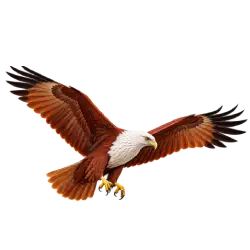
Brahminy KiteD
Logged by users in East Nusa Tenggara, the kite hangs over Kupang's Tenau harbour, Oeba fish market and every coastal village.
Spotting note: Guaranteed on the coast.
Read species guide
Javan MynaD
Logged in NTT by AnimalDex users, the myna struts on Kupang's lawns and traffic islands and roosts in the market trees.
Spotting note: Common in Kupang and the bigger towns.
Read species guide
Long-tailed MacaqueC
Macaques live on Flores, Sumba and Timor, where they were probably introduced long ago, and have been logged by users in the province.
Spotting note: Common in gallery forest and near waterfalls.
Read species guide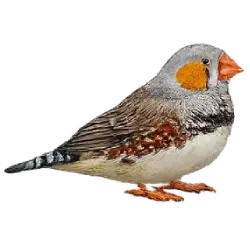
Zebra FinchD
The Timor zebra finch is native across NTT's savannas, flocking in dry grass around Kupang, Soe and Waingapu.
Spotting note: Common in open country.
Read species guide
Asian Weaver AntE
Weaver ants and black ants are the most-logged animals by AnimalDex users around Kupang, stitching nests in tamarind and mango trees.
Spotting note: Guaranteed in any garden.
Read species guideBest for
Use this section to decide whether the location fits your travel style, skill level, and AnimalDex goals.
- Komodo dragons in the west of the province
- Whale watching in the Savu Sea from Lembata and Alor
- Dugong and reef-wall diving at Alor
- Timor endemic birds around Kupang and Mount Mutis
Spotting tips
These tips are meant to make the page useful in the field, not just readable on the page.
- 01Camplong and Bipolo, an hour from Kupang, are the standard half-day birding sites for Timor endemics; go at first light before the heat.
- 02Alor's Mali beach dugong is best at high tide in the morning; ask at the beach warungs for the boatmen who know it.
- 03Whale season in Lamalera is May to October; stay in the village and go out with a non-hunting boat at dawn.
- 04Do not swim at Kupang's city beaches after dark or near river mouths; crocodile sightings are frequent.
Virtual Wildlife Guides
Wildlife guides to East Nusa Tenggara
AnimalDex builds virtual guides from explorers' own wild sightings: which animals they found, how rare they are, and when. A guide is advice from someone who has been there, not a tour. Buying one unlocks the author's notes for every animal, a chat with the author, and introductions to local people they met. Wildlife is never guaranteed.
Checking for virtual guides to East Nusa Tenggara...
How to choose a local wildlife guide in East Nusa Tenggara
- Ask what they usually find in the season you are visiting. A good guide gives an honest answer, not a promised sighting.
- Check how they treat animals: no baiting, calling in, handling, or close flash photography for a better shot.
- Confirm the meeting area, duration, group size, total price, and how you pay before the day, plus any permits or park fees the place requires.
Track the animals you find in East Nusa Tenggara
Build your collection while you travel through East Nusa Tenggara, from easy wins to the species worth planning around.
Related locations
Keep exploring with nearby or similar destinations that support the same kind of AnimalDex discovery.
Animals in Komodo National Park: What You Can Realistically Spot
A structured guide to Komodo National Park focused on what visitors can realistically spot, from Komodo dragons and marine life to smaller species that reward patient observation.
Read location guideAnimals in Flores: What You Can Spot, Learn, and Collect
Flores wildlife guide: wild Komodo dragons at Wae Wuul, Riung flying foxes, Flores hawk-eagles over Kelimutu, rusa deer, macaques and pit vipers along the road.
Read location guideAnimals in Sumba: What You Can Spot, Learn, and Collect
Sumba wildlife guide: endemic birds and the citron-crested cockatoo at Manupeu Tanah Daru, savanna rusa deer and buffalo, sea turtles and reef sharks on the coast.
Read location guideLocation FAQ
Short direct answers to the questions travelers usually ask before choosing a wildlife destination or zoo day.
What wildlife is there in East Nusa Tenggara?
NTT has Komodo dragons, Timor rusa deer, wild boar and macaques on land, saltwater crocodiles in Kupang Bay and the Timor estuaries, and sperm whales, blue whales, dolphins and dugongs in the Savu Sea and Alor straits. Birds include iris lorikeets, zebra finches, swiftlets and the endemics of Sumba and Timor.
What animals can be found in East Nusa Tenggara?
Around Kupang the common animals are brahminy kites, Javan mynas, swiftlets, weaver ants and geckos, with crocodiles in the bay. Flores and Komodo add dragons and deer, Alor adds dugongs and whales, and Sumba adds endemic birds and savanna wildlife.
Are there crocodiles in Kupang?
Yes. Saltwater crocodiles live in Kupang Bay and the surrounding estuaries and are seen near Oesapa, Lasiana and the Tenau harbour several times a year. Follow local advice and avoid swimming near river mouths or at night.
When can you see whales in East Nusa Tenggara?
Sperm whales pass Lembata and the Savu Sea from May to October, and pygmy blue whales move through the Ombai and Solor straits between Alor and Timor from about August to November.
Have AnimalDex users found animals in East Nusa Tenggara?
Yes. AnimalDex users have publicly logged 25 captures of 17 different species in East Nusa Tenggara, including black ant, drain fly, cockroach, house fly. Each one was photographed in the app at the moment of the sighting.
How do I find a wildlife guide to East Nusa Tenggara?
Check the Wildlife Guides section on this page or browse Wildlife Guides on AnimalDex. Each one is a virtual guide built from an explorer's own wild sightings around East Nusa Tenggara: the animals they found, how rare they are, and when. It is advice from someone who has been there, not a tour. If you want someone with you on the day, compare local guides on wildlife knowledge, how they treat animals, and clear pricing before you go.