

Animals in Mauritius: What You Can Spot, Learn, and Collect
Mauritius wildlife guide: pink pigeons in Black River Gorges, giant tortoises on Île aux Aigrettes, flying foxes at dusk, Tamarin Bay dolphins and lagoon turtles.
Quick answer
Start with the direct answer, then use the sections below to see why the location matters and which animals are actually realistic to spot there.
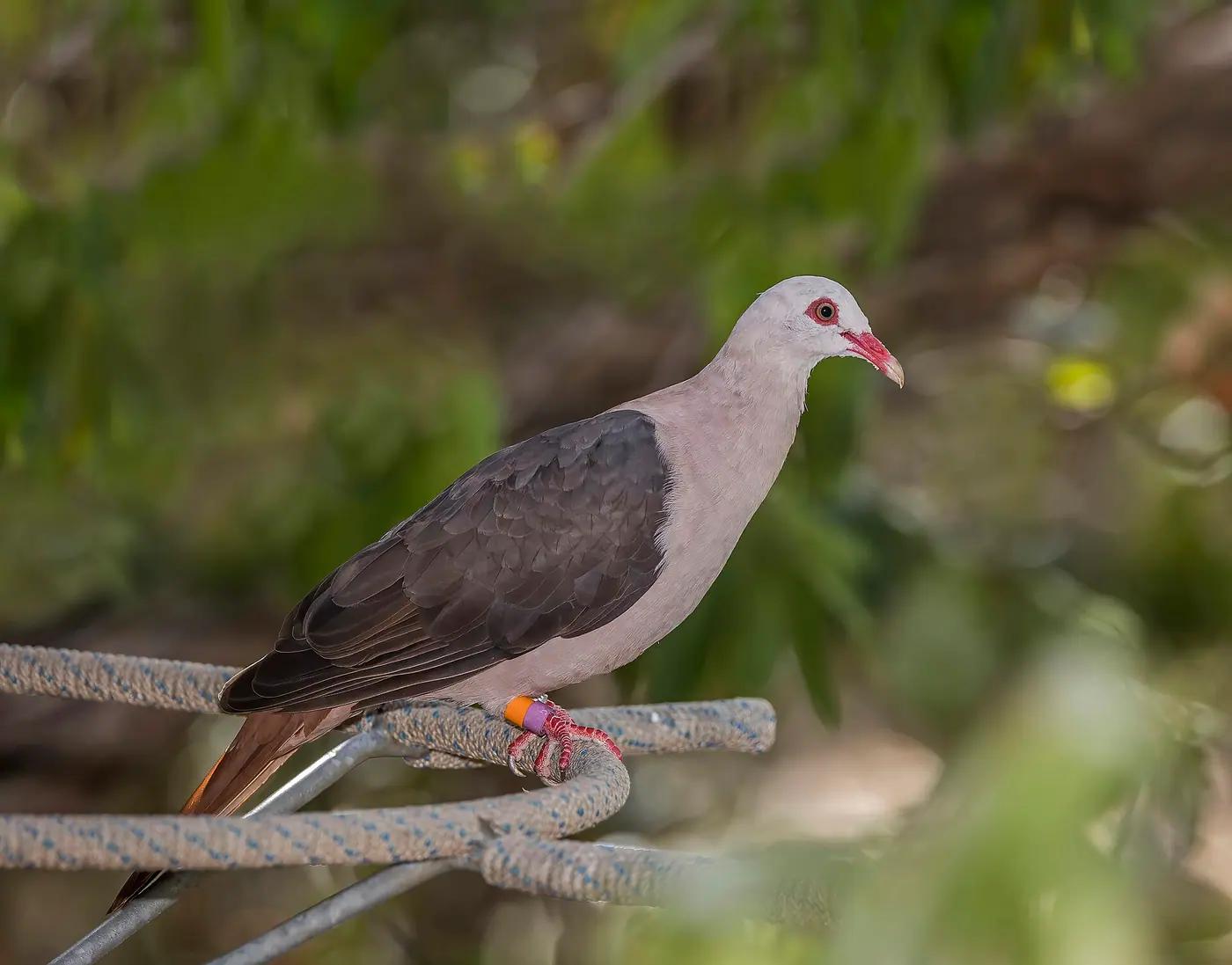
Mauritius lost the dodo but saved the pink pigeon, the Mauritius kestrel and the echo parakeet, all of which you can see in Black River Gorges National Park and on Île aux Aigrettes with the Mauritian Wildlife Foundation. The lagoon has green and hawksbill turtles and reef fish, spinner and bottlenose dolphins rest in Tamarin Bay every morning, humpbacks pass from July to October and sperm whales live off the west coast year-round. Giant Aldabra tortoises roam Île aux Aigrettes and the La Vanille reserve, and flying foxes fill the sky at dusk.
Mauritius is famous for what it lost, and the dodo is on every souvenir. The more interesting story is what was saved: the Mauritius kestrel was down to four wild birds in 1974 and now numbers several hundred, the pink pigeon came back from ten, and the echo parakeet from a few dozen. All three live in the forested south-west around Black River Gorges and on the restored island of Île aux Aigrettes, where guided walks run daily.
Around the coast the lagoon inside the fringing reef is calm and shallow, which makes turtles and reef fish easy for snorkellers at Blue Bay and Trou aux Biches. Tamarin Bay on the west coast has resident dolphins, and the deep water just off Le Morne holds sperm whales and, in winter, humpbacks.
Why this location matters
Good location pages explain why the place is worth your time, not just which names belong on a destination checklist.
Mauritius wrote the playbook for island species recovery. The techniques used here for kestrels, pigeons and parakeets, from captive rearing to predator-free islands, are now used worldwide, and the Mauritian Wildlife Foundation walks on Île aux Aigrettes let visitors see the results.
The island also shows what introduced animals do. Mynas, rose-ringed parakeets, mongooses and macaques are everywhere, and logging them honestly alongside the endemics tells the full story.
Where to look
Wildlife map of Mauritius
This guide covers the region shown below. Zoom in to get your bearings before planning a trip.
Positions are geocoded from OpenStreetMap. Habitat access and opening times change — check locally before travelling.
Animals to spot
These are intentionally practical species picks, balancing accessibility, excitement, and what travelers can realistically notice in the location.
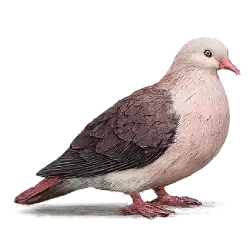
Pink PigeonC
Rescued from ten birds, the pink pigeon now feeds at supplementary stations in Black River Gorges and on Île aux Aigrettes, where guided visits get very close.
Spotting note: Reliable on Île aux Aigrettes and at the Pétrin and Bel Ombre feeding sites.
Read species guide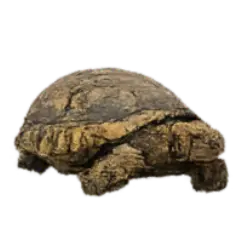
Aldabra Giant TortoiseC
Introduced to Île aux Aigrettes and Round Island to replace the extinct Mauritian tortoises as grazers; La Vanille Nature Park in the south has hundreds you can walk among.
Spotting note: Guaranteed on Île aux Aigrettes and at La Vanille (managed populations).
Read species guide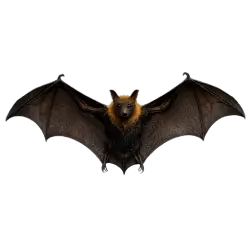
Fruit BatB
The Mauritius flying fox, the island's last native mammal, streams out over the coast and the hotel gardens at dusk to feed on mangoes and lychees.
Spotting note: Common at dusk across the island, especially in fruiting season.
Read species guide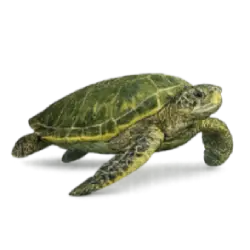
Green Sea TurtleC
Grazes seagrass inside the lagoon at Blue Bay marine park, Pointe d'Esny and off Trou aux Biches, where snorkellers see them from the beach.
Spotting note: Regular for snorkellers at Blue Bay and Trou aux Biches.
Read species guide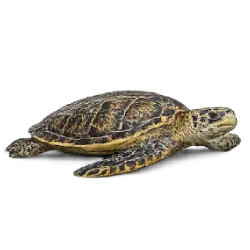
Hawksbill Sea TurtleC
Feeds on the outer reef slope at Blue Bay and the Coin de Mire drop-off, and is seen by divers more than snorkellers.
Spotting note: Less common than green turtles; regular on dives.
Read species guide
Spinner DolphinA
Pods rest in Tamarin Bay on the west coast every morning after feeding offshore, and boats from Black River go out at dawn to find them.
Spotting note: Near-daily at Tamarin; choose boats that keep their distance.
Read species guide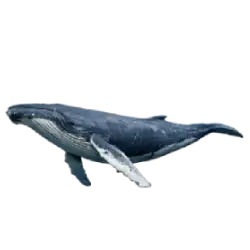
Humpback WhaleA
Passes the west coast between Le Morne and Flic en Flac from July to October, often visible from the Le Morne beaches and the Tamarin dolphin boats.
Spotting note: Regular July to October offshore.
Read species guide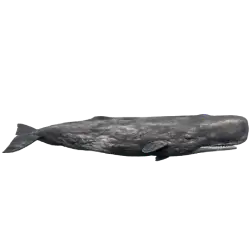
Sperm WhaleS
A resident population lives over the deep water a few kilometres off the west coast and dedicated trips from Black River find them year-round.
Spotting note: Regular on specialist trips; needs a permit-holding operator.
Read species guide
White-tailed TropicbirdC
The paille-en-queue nests on the cliffs of Black River Gorges and the islets off the north coast and trails its long tail over the Chamarel waterfall.
Spotting note: Common over the gorges and the coast.
Read species guide
Common MynaD
The loud, strutting myna owns every hotel terrace, car park and sugar-cane field on the island.
Spotting note: Abundant everywhere.
Read species guide
Zebra DoveD
The tourterelle walks under restaurant tables and along beach paths in every coastal village.
Spotting note: Abundant and approachable.
Read species guide
Rose-ringed ParakeetD
Introduced green parakeets screech over Port Louis and the coastal towns; be careful not to confuse them with the rarer endemic echo parakeet of the gorges.
Spotting note: Common in towns and lowland gardens.
Read species guide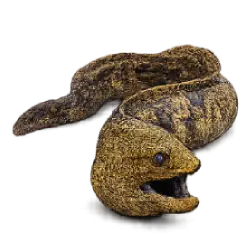
Moray EelC
Peers from coral heads at Blue Bay and the Trou aux Biches reef, and from the rocks around Coin de Mire.
Spotting note: Common on any reef snorkel.
Read species guide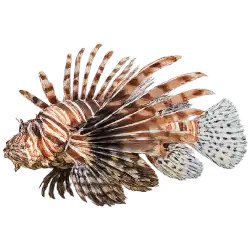
LionfishD
Hangs under ledges on the outer reef and the wrecks off Trou aux Biches and Grand Baie.
Spotting note: Regular on dives; venomous, so look only.
Read species guideBest for
Use this section to decide whether the location fits your travel style, skill level, and AnimalDex goals.
- Beach holidays that want one serious conservation visit: Île aux Aigrettes or Black River Gorges.
- Snorkellers in the calm lagoon at Blue Bay, Trou aux Biches and Pointe d'Esny.
- Dolphin and whale watchers on the west coast between Tamarin and Le Morne.
- Families who like giant tortoises and flying foxes at dusk.
Spotting tips
These tips are meant to make the page useful in the field, not just readable on the page.
- 01Book the Mauritian Wildlife Foundation guided walk on Île aux Aigrettes from Pointe d'Esny; it is the single best place for pink pigeons, tortoises, Telfair's skinks and the restored ebony forest.
- 02Walk the Macchabée or Parakeet trails in Black River Gorges early for echo parakeets and kestrels; the Pétrin visitor centre has feeding times.
- 03Go to Tamarin Bay at first light and pick a dolphin operator that does not drop swimmers on the pod; the dolphins are resting there.
- 04Snorkel Blue Bay at high tide in the morning from the public beach; the turtles graze the seagrass in the middle of the bay.
Virtual Wildlife Guides
Wildlife guides to Mauritius
AnimalDex builds virtual guides from explorers' own wild sightings: which animals they found, how rare they are, and when. A guide is advice from someone who has been there, not a tour. Buying one unlocks the author's notes for every animal, a chat with the author, and introductions to local people they met. Wildlife is never guaranteed.
Checking for virtual guides to Mauritius...
How to choose a local wildlife guide in Mauritius
- Ask what they usually find in the season you are visiting. A good guide gives an honest answer, not a promised sighting.
- Check how they treat animals: no baiting, calling in, handling, or close flash photography for a better shot.
- Confirm the meeting area, duration, group size, total price, and how you pay before the day, plus any permits or park fees the place requires.
Track the animals you find in Mauritius
Build your collection while you travel through Mauritius, from easy wins to the species worth planning around.
Related tier lists
These tier lists add broader context around the species that make this location interesting.
Rarest Animals in the World
A structured ranking of the rarest animals in the world, blending scarcity, vulnerability, and conservation pressure to answer the overlap between rarest and most endangered wildlife.
Read tier listMost Invasive Species in the World
A structured ranking of the most invasive species in the world, balancing establishment success, ecological disruption, spread potential, and how difficult the species is to remove once it takes hold.
Read tier listRelated locations
Keep exploring with nearby or similar destinations that support the same kind of AnimalDex discovery.
Animals in Réunion: What You Can Spot, Learn, and Collect
Réunion wildlife guide: humpback whales off Saint-Gilles, tropicbirds over the cirques, panther chameleons in gardens and turtles in the Saint-Paul lagoon.
Read location guideAnimals in Madagascar: What You Can Spot, Learn, and Collect
A practical Madagascar wildlife guide built around endemism, smaller-animal curiosity, and the species that make the island feel unlike anywhere else.
Read location guideAnimals in South Africa: What You Can Spot, Learn, and Collect
A practical South Africa wildlife guide built around safari-scale visibility, strong mammal encounters, and the supporting species that keep trips rich even between predator moments.
Read location guideLocation FAQ
Short direct answers to the questions travelers usually ask before choosing a wildlife destination or zoo day.
What wildlife is there in Mauritius?
Rescued endemic birds including the pink pigeon, Mauritius kestrel and echo parakeet in Black River Gorges and on Île aux Aigrettes, the Mauritius flying fox, giant Aldabra tortoises on restored islands, spinner and bottlenose dolphins at Tamarin Bay, humpback and sperm whales offshore, and turtles and reef fish in the lagoon.
What animals can be found in Mauritius?
Only one native land mammal survives, the flying fox; the rest are introduced macaques, mongooses, deer and tenrecs. Birds include a handful of endemics and many introduced mynas, parakeets and doves. The sea is far richer, with turtles, dolphins, whales and hundreds of reef fish species.
Can you still see the dodo in Mauritius?
No, the dodo was extinct by about 1680. The Natural History Museum in Port Louis has a reconstructed skeleton, and Île aux Aigrettes gives the best feel for the forest it lived in, now home to the saved pink pigeons and tortoises.
Where is the best snorkelling for turtles in Mauritius?
Blue Bay Marine Park in the south-east, where green turtles graze seagrass inside the lagoon within swimming distance of the beach, and Trou aux Biches and Pointe aux Piments on the north-west coast.
How do I find a wildlife guide to Mauritius?
Check the Wildlife Guides section on this page or browse Wildlife Guides on AnimalDex. Each one is a virtual guide built from an explorer's own wild sightings around Mauritius: the animals they found, how rare they are, and when. It is advice from someone who has been there, not a tour. If you want someone with you on the day, compare local guides on wildlife knowledge, how they treat animals, and clear pricing before you go.