

Animals in Réunion: What You Can Spot, Learn, and Collect
Réunion wildlife guide: humpback whales off Saint-Gilles, tropicbirds over the cirques, panther chameleons in gardens and turtles in the Saint-Paul lagoon.
Quick answer
Start with the direct answer, then use the sections below to see why the location matters and which animals are actually realistic to spot there.
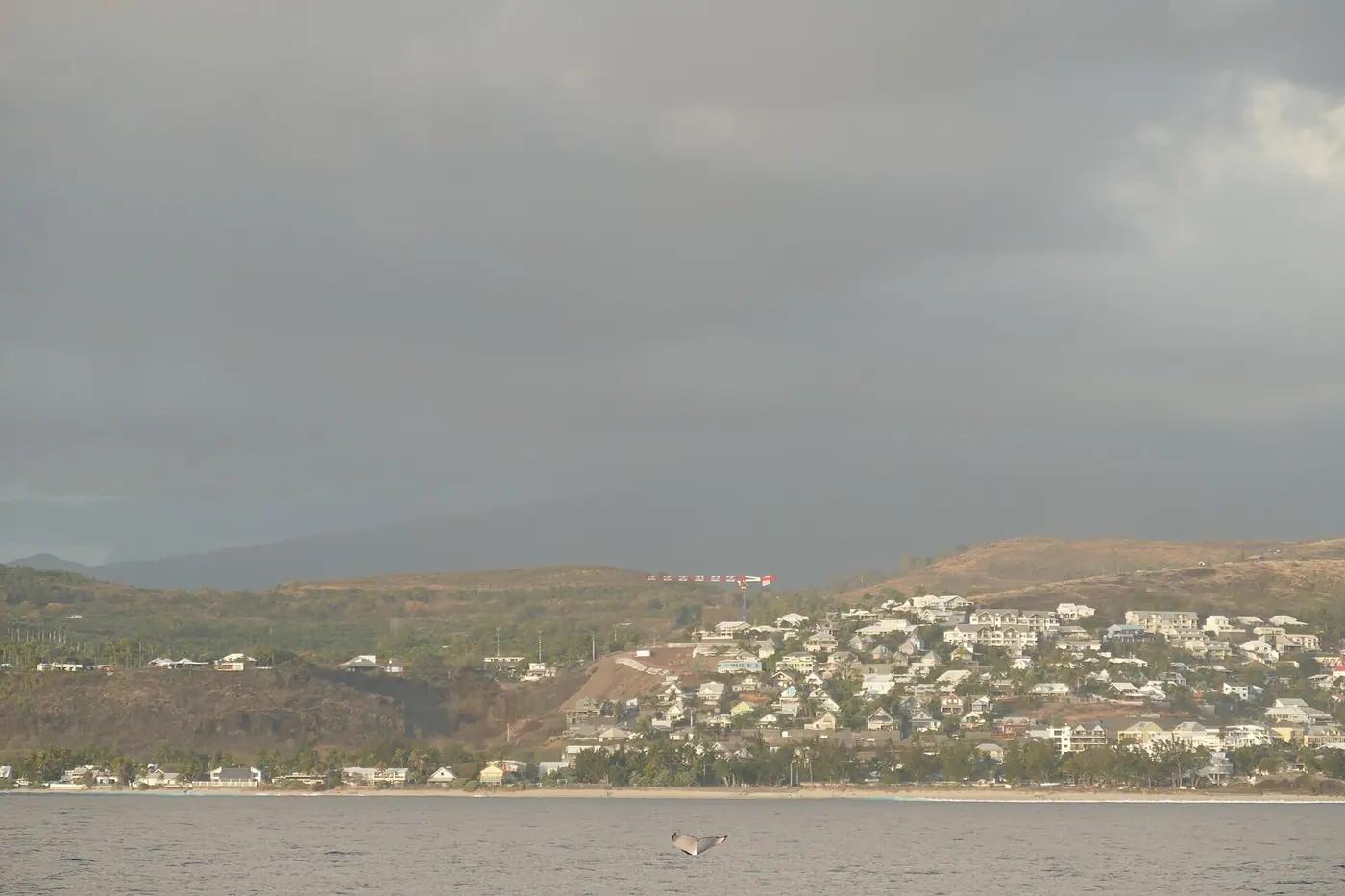
Réunion's wildlife is mostly in the sea and the sky: humpback whales from June to October, sperm whales and spinner dolphins year-round off the west coast, white-tailed tropicbirds over every ravine, and green and hawksbill turtles in the Saint-Paul and l'Ermitage lagoon. On land, panther chameleons and giant day geckos in gardens are the big colour, and the island's own forest birds live high in the cirques.
Réunion is a volcanic island with no large native land mammals, so a wildlife trip here looks different from Africa or Madagascar. The headline encounters are whales breaching off Saint-Gilles, tropicbirds riding the updrafts of the Cirque de Mafate, and the lagoon reef inside the barrier between Saint-Paul and Saint-Leu.
AnimalDex captures from Réunion come almost entirely from Saint-Paul, and they are small: ghost ants on a kitchen counter, wasp moths on a hibiscus. That is a good reminder that the island's accessible wildlife is garden-scale, with the big animals a boat trip away.
Why this location matters
Good location pages explain why the place is worth your time, not just which names belong on a destination checklist.
The west coast is one of the Indian Ocean's best humpback whale nurseries, and the island is a resident home for sperm whales, which makes it one of the few places where a half-day boat trip can produce both.
Réunion also shows what islands lose and keep. Its endemic birds survive in the high forests, while introduced chameleons, geckos and mynas own the lowlands. Logging both honestly is a lesson in island ecology.
Where to look
Wildlife map of Réunion
This guide covers the region shown below. Zoom in to get your bearings before planning a trip.
Positions are geocoded from OpenStreetMap. Habitat access and opening times change — check locally before travelling. Smaller pins are public AnimalDex captures, placed to the nearest kilometre.
Field proof
Found in Réunion by AnimalDex users
Real captures logged in the AnimalDex app inside this area and shared publicly by their collectors, with the animal confirmed by the app's identification. Places are shown to the nearest region, never the exact spot.
- 10
- public captures
- 4
- species recorded
- 2
- collectors
- 10
- wild sightings
Recent captures from the field
Species people have actually logged here
Every name links to its species guide. The count is how many public captures of that animal sit inside this area.
Collectors choose to share these captures on Discover and can withdraw them at any time. Coordinates are rounded to about a kilometre and refreshed with each site build.
Animals to spot
These are intentionally practical species picks, balancing accessibility, excitement, and what travelers can realistically notice in the location.
Humpback WhaleA
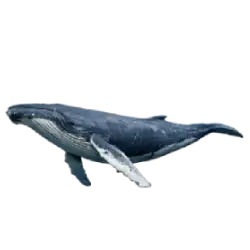
Mothers and calves rest in the shallow water off Saint-Gilles, Saint-Leu and Saint-Paul every austral winter, often visible from the coast road and the Cap La Houssaye lookout.
Spotting note: Near-certain from boats June to October; peak July to September.
Read species guide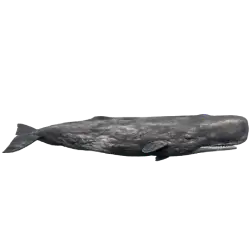
Sperm WhaleS
A resident population lives over the steep drop-off a few kilometres off the west coast, and specialist operators out of Saint-Gilles find them year-round.
Spotting note: Regular on dedicated trips; the deep water starts very close to shore.
Read species guide
Spinner DolphinA
Pods rest in the bay off Saint-Paul and Saint-Gilles in the morning and spin clear of the water on the way out to feed.
Spotting note: Common at dawn off the west coast.
Read species guide
White-tailed TropicbirdC
The paille-en-queue is the island's emblem, nesting on cliffs in the cirques and the coastal ravines and trailing its long tail over Cilaos and Saint-Gilles.
Spotting note: Common; look up at any cliff or ravine.
Read species guide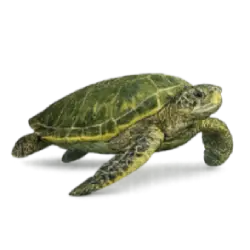
Green Sea TurtleC
Grazes the seagrass inside the l'Ermitage and Saint-Leu lagoons and has started nesting again on west-coast beaches after decades of absence. Kélonia in Saint-Leu rehabilitates injured ones.
Spotting note: Regular for snorkellers in the lagoon; guaranteed at Kélonia (a care centre).
Read species guide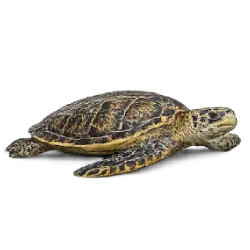
Hawksbill Sea TurtleC
Picks at sponges on the outer reef slope off Saint-Leu and l'Ermitage and turns up at the same cleaning spots as the greens.
Spotting note: Less common than green turtles; divers see it more than snorkellers.
Read species guide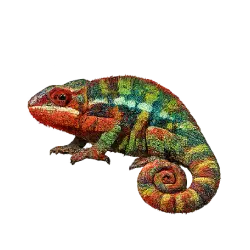
Panther ChameleonD
Introduced from Madagascar and now called the endormi, it sits motionless in hedges and fruit trees across the dry west coast lowlands.
Spotting note: Common but hard to spot; check the sunlit side of garden shrubs.
Read species guide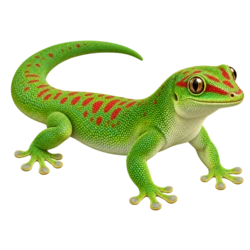
Giant Day GeckoD
Bright green Madagascar day geckos have colonised gardens and hotel grounds around Saint-Paul and Saint-Gilles, hunting insects on palm trunks in full sun.
Spotting note: Common in the west-coast lowlands.
Read species guide
Common MynaD
The martin triste is the loudest bird on the island, nesting in roofs and streetlights and working every café terrace.
Spotting note: Abundant everywhere below the forest line.
Read species guide
Zebra DoveD
The tourterelle striée walks under tables and along paths in every coastal town, introduced long ago and now the island's default small dove.
Spotting note: Abundant and approachable.
Read species guide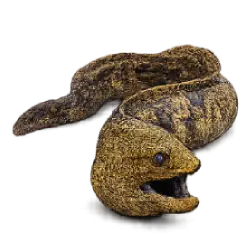
Moray EelC
Peers from holes in the coral inside the l'Ermitage lagoon and along the Saint-Leu drop-off.
Spotting note: Regular for snorkellers who look into crevices.
Read species guide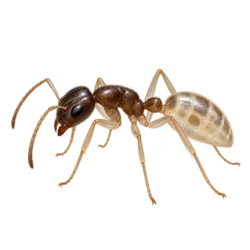
Ghost AntE
The most-logged animal in AnimalDex's Réunion captures: tiny pale-legged ants trailing across kitchen counters and balcony rails in Saint-Paul.
Spotting note: Everywhere indoors in the lowlands.
Read species guide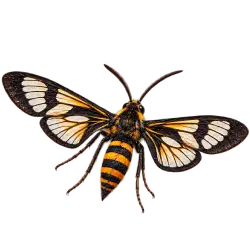
Wasp MothE
Day-flying moths with clear wings and wasp stripes, logged repeatedly on flowers in Saint-Paul gardens.
Spotting note: Common in gardens after rain.
Read species guide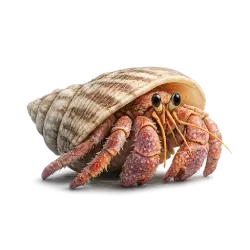
Hermit CrabE
Scuttles across the coral rubble beaches of l'Ermitage and the black sand of Étang-Salé after dark.
Spotting note: Very common on quiet beaches at night.
Read species guideBest for
Use this section to decide whether the location fits your travel style, skill level, and AnimalDex goals.
- Whale watchers who want humpbacks and resident sperm whales on one coast.
- Snorkellers using the shallow, sheltered lagoon between Saint-Paul and Saint-Leu.
- Hikers in the cirques who will see tropicbirds and endemic forest birds on the way.
- Families who like garden wildlife: chameleons, geckos and butterflies at the hotel.
Spotting tips
These tips are meant to make the page useful in the field, not just readable on the page.
- 01Book whale trips from Saint-Gilles with an operator that follows the local approach charter; mornings are calmer and sightings are better.
- 02Snorkel the l'Ermitage lagoon at high tide in the morning for turtles; the water is clearer before the wind picks up.
- 03Look for chameleons on the sunny side of hedges in the afternoon, and on fences at night with a torch when they go pale.
- 04Swimming outside the lagoon is restricted because of shark risk; stay inside the reef or at supervised beaches.
Virtual Wildlife Guides
Wildlife guides to Réunion
AnimalDex builds virtual guides from explorers' own wild sightings: which animals they found, how rare they are, and when. A guide is advice from someone who has been there, not a tour. Buying one unlocks the author's notes for every animal, a chat with the author, and introductions to local people they met. Wildlife is never guaranteed.
Checking for virtual guides to Réunion...
How to choose a local wildlife guide in Réunion
- Ask what they usually find in the season you are visiting. A good guide gives an honest answer, not a promised sighting.
- Check how they treat animals: no baiting, calling in, handling, or close flash photography for a better shot.
- Confirm the meeting area, duration, group size, total price, and how you pay before the day, plus any permits or park fees the place requires.
Track the animals you find in Réunion
Build your collection while you travel through Réunion, from easy wins to the species worth planning around.
Related tier lists
These tier lists add broader context around the species that make this location interesting.
Biggest Animals in the World
A structured ranking of the biggest animals in the world, using the AnimalDex size stat to compare body scale across sea, land, and air.
Read tier listRelated locations
Keep exploring with nearby or similar destinations that support the same kind of AnimalDex discovery.
Animals in Mauritius: What You Can Spot, Learn, and Collect
Mauritius wildlife guide: pink pigeons in Black River Gorges, giant tortoises on Île aux Aigrettes, flying foxes at dusk, Tamarin Bay dolphins and lagoon turtles.
Read location guideAnimals in Madagascar: What You Can Spot, Learn, and Collect
A practical Madagascar wildlife guide built around endemism, smaller-animal curiosity, and the species that make the island feel unlike anywhere else.
Read location guideAnimals in South Africa: What You Can Spot, Learn, and Collect
A practical South Africa wildlife guide built around safari-scale visibility, strong mammal encounters, and the supporting species that keep trips rich even between predator moments.
Read location guideLocation FAQ
Short direct answers to the questions travelers usually ask before choosing a wildlife destination or zoo day.
What wildlife is there in Réunion?
Humpback whales in winter, resident sperm whales and dolphins, tropicbirds and other seabirds, green and hawksbill turtles in the lagoon, and introduced chameleons, day geckos and mynas on land. There are no large native land mammals.
What animals can be found in Réunion?
Marine mammals and turtles off the west coast, reef fish and morays inside the lagoon, the paille-en-queue tropicbird and endemic forest birds in the highlands, panther chameleons and giant day geckos in gardens, plus a large introduced insect and gecko fauna.
When is the best time to see whales in Réunion?
Humpback whales arrive in June and leave by October, with July to September the peak for mothers and calves close to shore. Sperm whales and dolphins can be seen all year.
Can you swim with turtles in Réunion?
Yes, inside the lagoon at l'Ermitage and Saint-Leu green turtles graze in shallow water. Keep your distance, do not touch them, and visit Kélonia to understand the recovery work.
Have AnimalDex users found animals in Réunion?
Yes. AnimalDex users have publicly logged 10 captures of 4 different species in Réunion, including ghost ant, wasp moth, big-headed ant, giant honey bee. Each one was photographed in the app at the moment of the sighting.
How do I find a wildlife guide to Réunion?
Check the Wildlife Guides section on this page or browse Wildlife Guides on AnimalDex. Each one is a virtual guide built from an explorer's own wild sightings around Réunion: the animals they found, how rare they are, and when. It is advice from someone who has been there, not a tour. If you want someone with you on the day, compare local guides on wildlife knowledge, how they treat animals, and clear pricing before you go.