

Animals in Metro Manila: What You Can Spot, Learn, and Collect
Wildlife in Metro Manila: stilts and herons at the Las Piñas-Parañaque wetland, monitors and macaques at La Mesa, fantails and geckos in the parks, rescued crocodiles.
Quick answer
Start with the direct answer, then use the sections below to see why the location matters and which animals are actually realistic to spot there.
Metro Manila has more wildlife than its traffic suggests. The Las Piñas-Parañaque Wetland Park on Manila Bay holds stilts, egrets, night herons and thousands of migrant shorebirds; the La Mesa watershed in Quezon City has monitor lizards, macaques and forest birds; and pied fantails, sunbirds, bulbuls and tree sparrows live in every park. The Ninoy Aquino Parks and Wildlife Center keeps rescued Philippine crocodiles and pythons, and Manila Zoo is the old-school option.
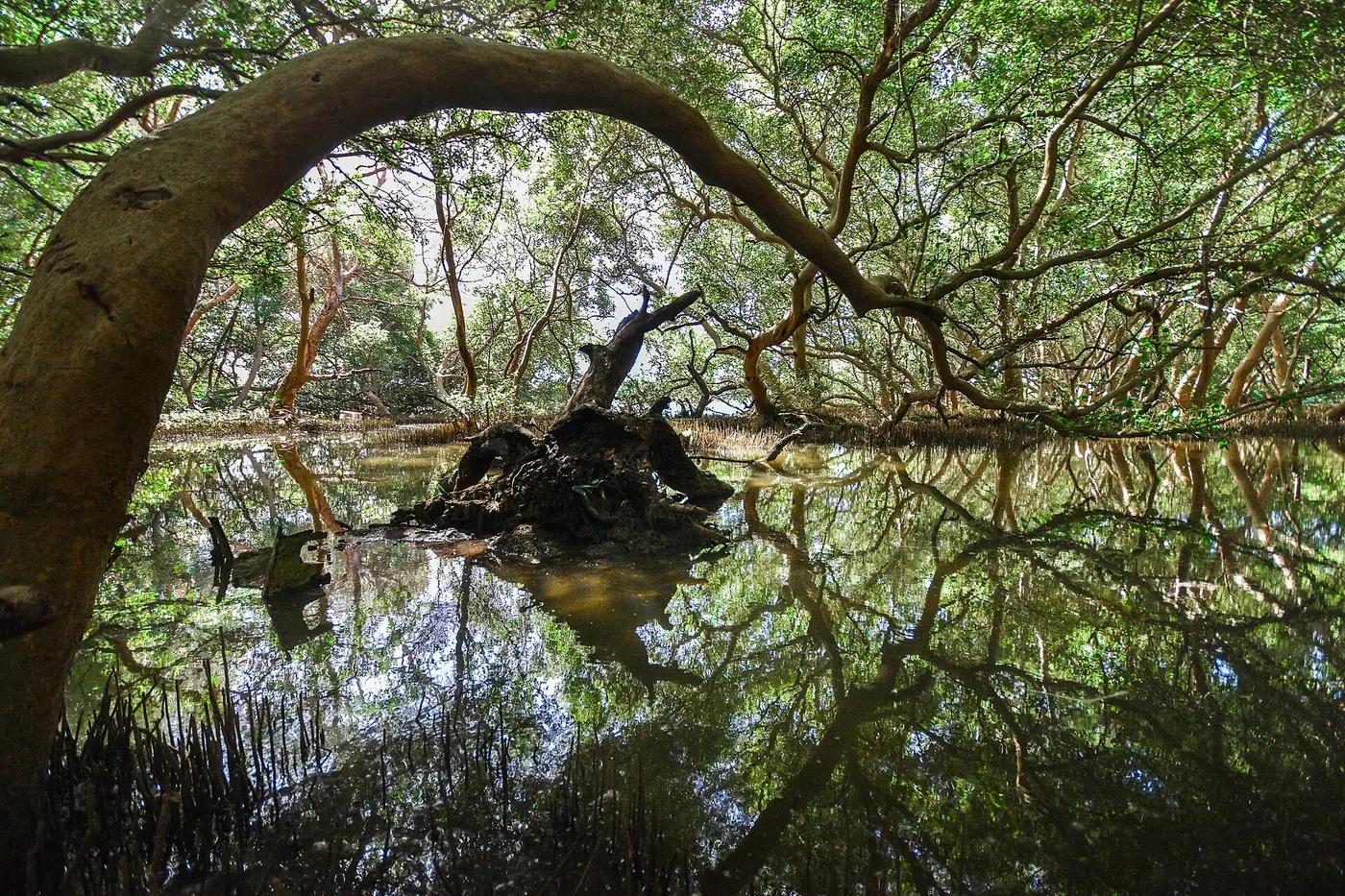
Manila's wild corners are small and specific. A mangrove and mudflat strip squeezed between the Coastal Road and Manila Bay turned out to be one of the most important shorebird sites in the Philippines, and the 2,700-hectare La Mesa watershed, kept forested to protect the city's water, doubles as its biggest green space.
The everyday fauna is what AnimalDex users in Manila actually log: tree sparrows on every wire, house geckos on the walls, and in the parks a pied fantail scolding from a hedge or an olive-backed sunbird at the hibiscus.
Why this location matters
Good location pages explain why the place is worth your time, not just which names belong on a destination checklist.
The Las Piñas-Parañaque wetland survived a reclamation plan because birders and residents counted what lived there. It is now a Ramsar site, and continued counts, including casual logs, are part of what keeps the bulldozers off.
For 13 million people, these fragments are the only wild nature within an hour. A kid who photographs a monitor lizard at La Mesa has a reason to care about the Sierra Madre forest where the water comes from.
Where to look
Wildlife map of Metro Manila
This guide covers the region shown below. Zoom in to get your bearings before planning a trip.
Positions are geocoded from OpenStreetMap. Habitat access and opening times change — check locally before travelling. Smaller pins are public AnimalDex captures, placed to the nearest kilometre.
Field proof
Found in Metro Manila by AnimalDex users
Real captures logged in the AnimalDex app inside this area and shared publicly by their collectors, with the animal confirmed by the app's identification. Places are shown to the nearest region, never the exact spot.
- 8
- public captures
- 6
- species recorded
- 6
- collectors
- 8
- wild sightings
Recent captures from the field
Species people have actually logged here
Every name links to its species guide. The count is how many public captures of that animal sit inside this area.
Collectors choose to share these captures on Discover and can withdraw them at any time. Coordinates are rounded to about a kilometre and refreshed with each site build.
Animals to spot
These are intentionally practical species picks, balancing accessibility, excitement, and what travelers can realistically notice in the location.

Black-winged StiltD
Wades the lagoon at the Las Piñas-Parañaque Wetland Park in flocks of hundreds through the northern winter.
Spotting note: Reliable at LPPWP from October to April.
Read species guide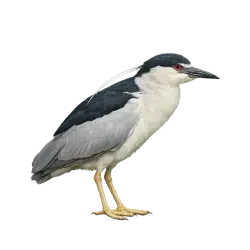
Black-crowned Night HeronD
Roosts in the LPPWP mangroves by day and flies out over Manila Bay at dusk, one of the wetland's most dependable birds.
Spotting note: Common year-round at the wetland park.
Read species guide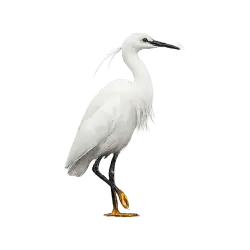
Little EgretD
Works the LPPWP mudflats and the fishponds of the bay edge with quick, darting steps.
Spotting note: Very common on the bay shore.
Read species guide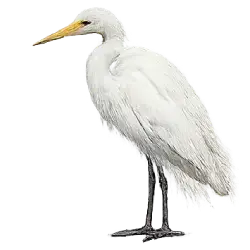
Great EgretD
The tall white heron standing in the wetland park's shallows and the Pasig-Marikina riverside, hunting alone.
Spotting note: Common in the wetlands.
Read species guide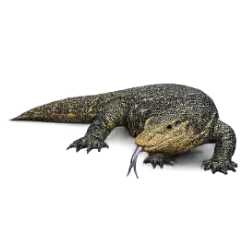
Water MonitorC
Monitors cruise the La Mesa reservoir shore and the streams of the watershed forest, and occasionally turn up in Marikina's riverside parks.
Spotting note: Regular at La Mesa; look along the water's edge at midday.
Read species guide
Long-tailed MacaqueC
A wild troop persists in the La Mesa watershed forest in Quezon City, the last monkeys inside the metro boundary.
Spotting note: Uncommon and restricted to the watershed; the Ecopark edge is the best chance.
Read species guide
Pied FantailD
The 'maria capra' fans its tail and scolds from hedges in Rizal Park, UP Diliman and every subdivision garden.
Spotting note: Very common in parks and gardens.
Read species guide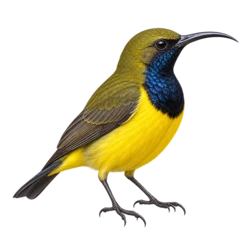
Olive-backed SunbirdE
Hovers at hibiscus and bottlebrush flowers in Manila's parks and balconies, the city's hummingbird stand-in.
Spotting note: Common wherever there are flowers.
Read species guide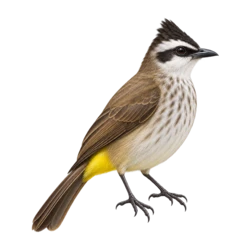
Yellow-vented BulbulE
Sings its bubbling phrase from fruit trees in UP Diliman, Arroceros Forest Park and residential streets across the metro.
Spotting note: Very common.
Read species guide
Eurasian Tree SparrowE
The maya is the most-logged animal in Metro Manila's captures, hopping under carinderia tables and nesting in every roof gap.
Spotting note: Guaranteed.
Read species guide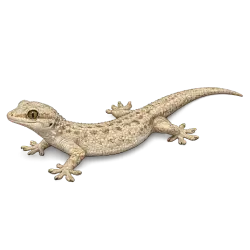
Common House GeckoE
The butiki on the wall of every Manila apartment and sari-sari store, snapping at insects around the lights.
Spotting note: Guaranteed after dark.
Read species guide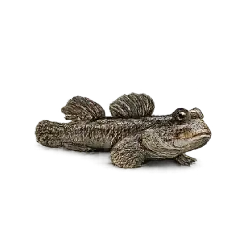
MudskipperE
Hops across the mud at the LPPWP mangrove boardwalk and along the Parañaque fishpond dikes at low tide.
Spotting note: Common at low tide in the wetland park.
Read species guide
Philippine CrocodileA
The Wildlife Rescue Center at the Ninoy Aquino Parks and Wildlife Center in Quezon City holds rescued Philippine crocodiles, the only place to see the species in the capital.
Spotting note: Guaranteed at the wildlife centre; a rescue facility, not a zoo.
Read species guide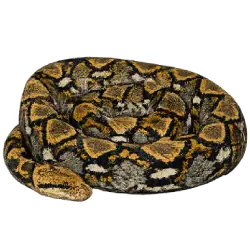
Reticulated PythonB
Confiscated and surrendered pythons are housed at the Ninoy Aquino wildlife centre, and wild ones still turn up in the La Mesa watershed and Marikina riverbanks after floods.
Spotting note: Guaranteed at the rescue centre; rare in the wild inside the metro.
Read species guideBest for
Use this section to decide whether the location fits your travel style, skill level, and AnimalDex goals.
- Birders with a spare morning: LPPWP is 20 minutes from the airport
- Families: La Mesa Ecopark, the wildlife centre and Manila Zoo in a weekend
- Urban collectors logging park birds, geckos and insects between meetings
- Shorebird counters in the October to April migration
Spotting tips
These tips are meant to make the page useful in the field, not just readable on the page.
- 01Go to the Las Piñas-Parañaque Wetland Park at low tide in the early morning between October and April; the mudflats fill with shorebirds and the mangrove roost empties of night herons.
- 02La Mesa Ecopark opens early; walk the forest edge trails on a weekday for monitors, fantails and the chance of the macaque troop before the picnic crowds.
- 03UP Diliman's campus and Arroceros Forest Park are the best inner-city birding; dawn on a Sunday gives you bulbuls, sunbirds, fantails and kingfishers without traffic noise.
- 04Treat the Ninoy Aquino Parks and Wildlife Center as a rescue facility: it is the place to see Philippine crocodiles and confiscated pythons, with a lagoon that pulls in wild herons.
Virtual Wildlife Guides
Wildlife guides to Metro Manila
AnimalDex builds virtual guides from explorers' own wild sightings: which animals they found, how rare they are, and when. A guide is advice from someone who has been there, not a tour. Buying one unlocks the author's notes for every animal, a chat with the author, and introductions to local people they met. Wildlife is never guaranteed.
Checking for virtual guides to Metro Manila...
How to choose a local wildlife guide in Metro Manila
- Ask what they usually find in the season you are visiting. A good guide gives an honest answer, not a promised sighting.
- Check how they treat animals: no baiting, calling in, handling, or close flash photography for a better shot.
- Confirm the meeting area, duration, group size, total price, and how you pay before the day, plus any permits or park fees the place requires.
Track the animals you find in Metro Manila
Build your collection while you travel through Metro Manila, from easy wins to the species worth planning around.
Related tier lists
These tier lists add broader context around the species that make this location interesting.
100 Most Adaptable Animals
Most adaptable animals ranked by habitat flexibility, behavioral range, and success in changing conditions — including the current AnimalDex number one.
Read tier listRelated locations
Keep exploring with nearby or similar destinations that support the same kind of AnimalDex discovery.
Animals in Luzon: What You Can Spot, Learn, and Collect
Luzon wildlife: cloud rats and eagles in the Sierra Madre, Philippine crocodiles at San Mariano, Subic's flying foxes, Candaba's waterbirds and Makiling's forest.
Read location guideAnimals in the Philippines: What You Can Spot, Learn, and Collect
Philippines wildlife guide: Philippine eagles in Mindanao, tarsiers on Bohol, whale sharks at Donsol, tamaraw on Mindoro, plus the geckos and sparrows users log daily.
Read location guideWildlife in Jakarta: Best Animals to Spot Near the City
A structured Jakarta wildlife guide focused on realistic city and near-city animal spotting, with practical routes for urban travelers, families, and zoo visitors.
Read location guideLocation FAQ
Short direct answers to the questions travelers usually ask before choosing a wildlife destination or zoo day.
What wildlife is there in Manila?
Stilts, egrets, night herons and migrant shorebirds at the Las Piñas-Parañaque wetland; monitor lizards, macaques and forest birds in the La Mesa watershed; pied fantails, sunbirds, bulbuls, tree sparrows and house geckos in every park and street. The Ninoy Aquino wildlife centre has rescued Philippine crocodiles and pythons.
What animals can be found in Metro Manila?
Around 100 bird species including stilts, egrets, herons, kingfishers, fantails and sunbirds, plus water monitors, pythons, geckos, toads, fruit bats and a wild macaque troop at La Mesa. Users log tree sparrows and house geckos more than anything else.
Is there a good place for birdwatching in Manila?
Yes. The Las Piñas-Parañaque Wetland Park on the Coastal Road is a Ramsar site with over 80 species recorded, best at low tide in the winter months. La Mesa Ecopark and the UP Diliman campus are the inland alternatives.
Is Manila Zoo worth visiting?
It reopened in 2022 after a rebuild and is a modest city zoo. For native wildlife the Ninoy Aquino Parks and Wildlife Center in Quezon City, a rescue facility with Philippine crocodiles, eagles and pythons, is the more interesting half day.
Have AnimalDex users found animals in Metro Manila?
Yes. AnimalDex users have publicly logged 8 captures of 6 different species in Metro Manila, including eurasian tree sparrow, black ant, cockroach, muscovy duck. Each one was photographed in the app at the moment of the sighting.
How do I find a wildlife guide to Metro Manila?
Check the Wildlife Guides section on this page or browse Wildlife Guides on AnimalDex. Each one is a virtual guide built from an explorer's own wild sightings around Metro Manila: the animals they found, how rare they are, and when. It is advice from someone who has been there, not a tour. If you want someone with you on the day, compare local guides on wildlife knowledge, how they treat animals, and clear pricing before you go.